




Forensic Profile Datasheet: Francisca Ballesteros ("The Melilla Poisoner")
| Forensic Parameter | Evaluation Details |
|---|---|
| Full Legal Name | Francisca Ballesteros Maravilla |
| Public Monikers | The Melilla Poisoner (La Envenenadora de Melilla), The Black Widow of Melilla |
| Year & Place of Birth | 1969 — Valencia, Spain (later relocated to the Spanish enclave of Melilla) |
| Current Penal Status | Incarcerated; serving an 84-year prison sentence handed down in 2005 |
| Criminological Classification | Domestic serial poisoner / Filicide and spousal murderer |
| Confirmed Fatalities | 3 victims: infant daughter Florinda (5 months, 1990), husband Antonio González (41, 2004), daughter Sandra (15, 2004) |
| Surviving Victim | Son Antonio González Ballesteros (aged 12; survived severe acute drug toxicity) |
| Operational Timeline | June 1990 – June 2004 (14-year lethal span) |
| Scene of the Crimes | Family residence in the Calvo Sotelo district, Melilla, Spain |
| Chemical Agents Deployed | Calcium carbimide (Colme alcohol aversion drop solution), zolpidem, lorazepam, diazepam, and carbamazepine |
| Forensic Cause of Death | Acute cardiorespiratory arrest and catastrophic multi-organ collapse secondary to massive chemical intoxication |
| Forensic Psychiatric Diagnosis | Severe personality disorder with histrionic and narcissistic traits, callous emotional detachment, and full criminal responsibility |
Background and Cyber Lifestyle in Melilla
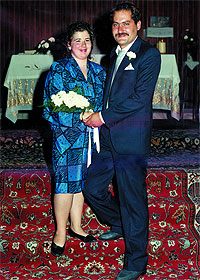
Francisca Ballesteros Maravilla was born in 1969 in Valencia, Spain. Marked by childhood social withdrawal and flat affect, she married Antonio González Barribino and settled in the North African autonomous Spanish enclave of Melilla, establishing their home in the Calvo Sotelo neighborhood. The marriage produced three children: Florinda (born 1990), Sandra (born 1989), and Antonio (born 1992).
To neighbors and acquaintances, Ballesteros maintained the persona of an unassuming, devout, and homebound wife. Domestically, however, she harbored intense resentment toward the burdens of child-rearing and her husband's struggles with alcohol abuse. With the advent of home internet connections in the early 2000s, Ballesteros escaped into online chatrooms under the handle "Fogosa", courting prospective male suitors across Spain while fabricating a fictitious identity as an unattached, childless bachelorette seeking a glamorous domestic restart.
The Concealed Infanticide: Baby Florinda (June 1990)
On June 4, 1990, just five months after the birth of her first daughter, Florinda, the infant suffered violent convulsions, uncontrollable retching, and cyanosis, dying at the family residence. Attending pediatricians erroneously certified the fatality as sudden infant death syndrome resulting from fulminant non-traumatic cardiorespiratory arrest.
Fourteen years later, following her arrest in 2004, Ballesteros admitted to police detectives that she had deliberately dropped Colme (calcium carbimide—an aversion compound designed to trigger violent nausea and tachycardia in recovering alcoholics) into the infant's nursing bottles because "she cried constantly and I could not bear the noise." Subsequent forensic exhumation of the baby's remains confirmed lethal traces of carbimide embedded in skeletal bone marrow.
The Elimination of Her Husband: Antonio González (January 2004)
By late 2003, Ballesteros resolved to liquidate her marital ties to pursue an uninhibited romance with an internet suitor while securing widow's state pension disbursements.
As Antonio sought medical assistance for alcohol cessation, Francisca took absolute control of administering his prescribed daily therapies. Systematically, she introduced massive quantities of crushed Zolpidem, Lorazepam, and Colme drops into his hot meals, herbal teas, and morning coffee.
Antonio was repeatedly hospitalized at the Hospital Comarcal de Melilla suffering from severe drowsiness, ataxia, and hepatic failure. Each time medical staff stabilized him and discharged him home, Francisca resumed poisoning him. On January 12, 2004, 41-year-old Antonio died of irreversible multi-organ collapse, misdiagnosed at the time as acute gastrointestinal hemorrhaging related to hepatic disease.
The Lethal Assault on Sandra and Antonio (May – June 2004)
Collecting her widow's pension, Ballesteros quickly identified her two surviving teenage children, Sandra (aged 15) and Antonio (aged 12), as domestic encumbrances preventing her relocation to mainland Spain to live with an online partner.
In late May 2004, she began administering lethal cocktails of calcium carbimide, sedatives, and sleep medications to both children. Fifteen-year-old Sandra developed slurred speech, acute motor paralysis, and extreme somnolence. Ballesteros kept both teenagers confined to their beds, assuring concerned neighbors that the children were simply resting off a severe bout of seasonal influenza.
On June 4, 2004, Sandra slipped into a comatose state and died shortly after emergency transport to the hospital. Simultaneously, twelve-year-old Antonio exhibited identical life-threatening symptoms. A suspicious neighbor who entered the apartment to check on the family discovered the boy in an agonizing, unresponsive condition while Ballesteros was chatting unperturbed at her bedroom computer, prompting immediate emergency intervention.
Forensic Toxicology and Apprehension
Hospital intensive care clinicians handling young Antonio ordered urgent comprehensive toxicology panels from the National Institute of Toxicology in Seville. Assays detected astronomical quantities of calcium carbimide, benzodiazepines, and zolpidem. Aggressive gastric decontamination, dialysis, and targeted antidotes saved the boy's life.
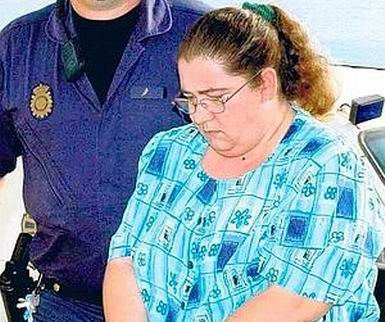
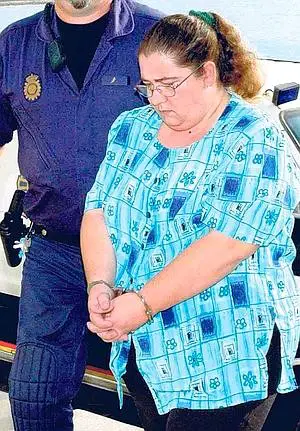
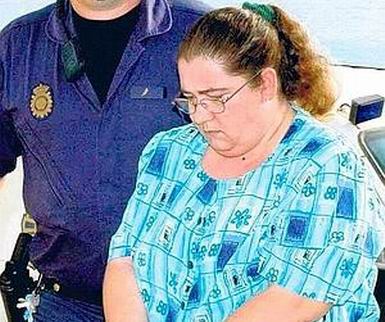
On June 7, 2004, Spanish National Police officers arrested Francisca Ballesteros at her home, confiscating dozens of empty blister packs of tranquilizers and bottles of Colme. Under interrogation, she confessed with shocking tranquility:
"I gave them the drops and pills so they would stop suffering like their father... I just wanted to be free and start over."
Trial and Historic Sentence
In September 2005, Ballesteros was tried before the Provincial Court of Málaga sitting in Melilla. Court-appointed psychiatric examiners attested that the defendant suffered from no psychosis or cognitive impairment; she had acted with absolute instrumental premeditation over an extended period.
On September 26, 2005, the court sentenced Francisca Ballesteros to 84 years' imprisonment:
- 20 years for the premeditated murder of husband Antonio González.
- 20 years for the murder of daughter Sandra.
- 20 years for the infanticide of daughter Florinda (confirmed via exhumation).
- 14 years for the attempted murder of son Antonio.
- Permanent forfeiture of parental rights and comprehensive restitution for the surviving son.
Francisca Ballesteros remains imprisoned within the Spanish penitentiary system, representing one of the most chilling cases of serial domestic poisoning in modern Spanish criminal history.