



Forensic & Criminological Matrix
| Parameter | Forensic Detail |
|---|---|
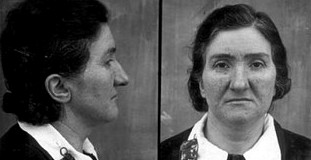
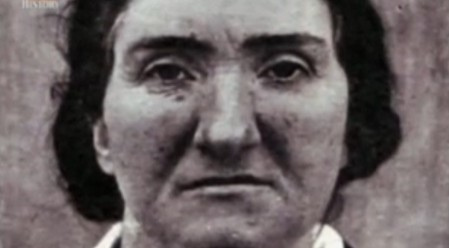
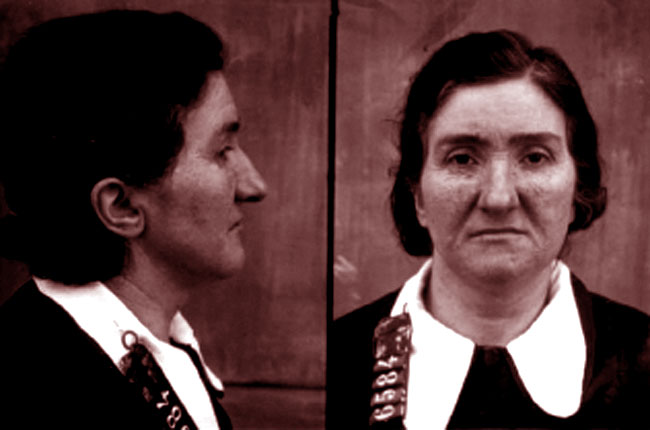
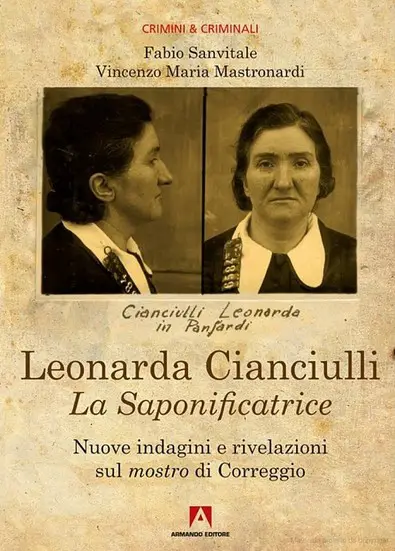
| Legal Identity | Leonarda Cianciulli. |
| Historical Moniker | The Soap-Maker of Correggio (La Saponificatrice di Correggio). |
| Criminological Typology | Utilitarian, ritual serial killer / Necrophagic confectioner / Delusional magical thinker. |
| Active Window | 1939 – 1940. |
| Location | Correggio, Province of Reggio Emilia, Kingdom of Italy. |
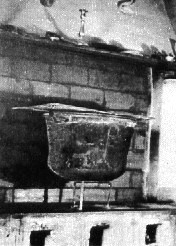
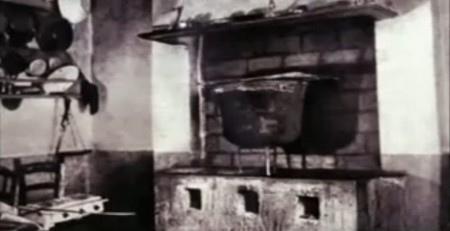
| Weapons & Modus Operandi | Kitchen hatchet, large copper vat, 7 kg of commercial caustic soda for lipid saponification, oven-dried blood converted into flour additive for tea cakes and pastries. |
| Judicial Penalty | 30 years imprisonment plus 3 years in a criminal psychiatric facility. Died at Pozzuoli Criminal Lunatic Asylum on October 15, 1970. |
Background and Maternal Superstition
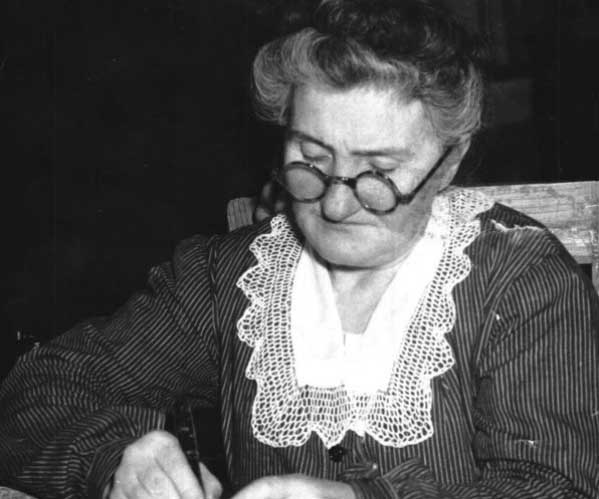
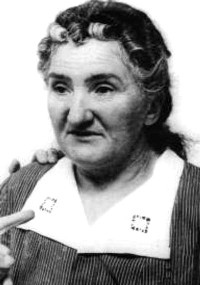
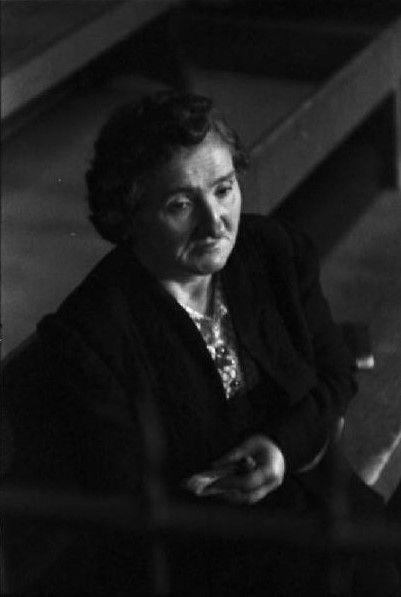
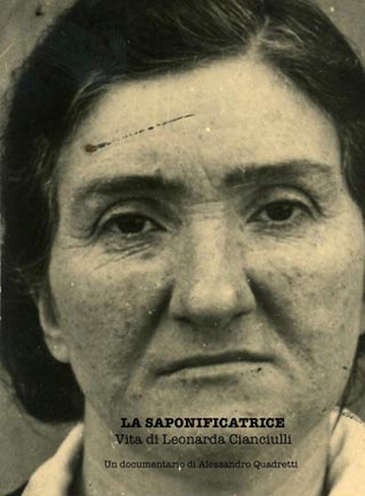
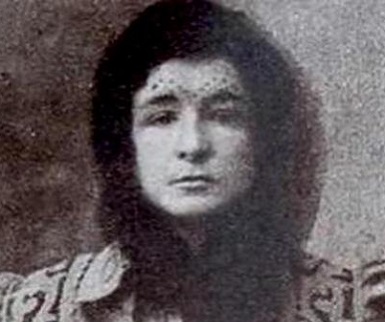
Leonarda Cianciulli was born in Montella, Southern Italy, on April 18, 1894. Her youth was fraught with depression, suicide attempts, and an estrangement from her mother, who allegedly placed a dying curse upon her for marrying a registry clerk against her parents' will. A fortune teller once warned Cianciulli that while she would marry, all her progeny were destined to die young.
The prophecy seemed horrifyingly accurate: Cianciulli suffered seventeen pregnancies, resulting in three miscarriages and ten child deaths in infancy. Driven by grief, she harbored an all-consuming, paranoid protectiveness toward her four surviving children. In 1939, when World War II erupted and her eldest, beloved son Giuseppe Pansardi was drafted into the Italian Army, Cianciulli suffered a psychotic breakdown, concluding that human blood sacrifices were cosmically required to shield him from mortality on the frontlines.
The Three Slayings and the Saponification Process
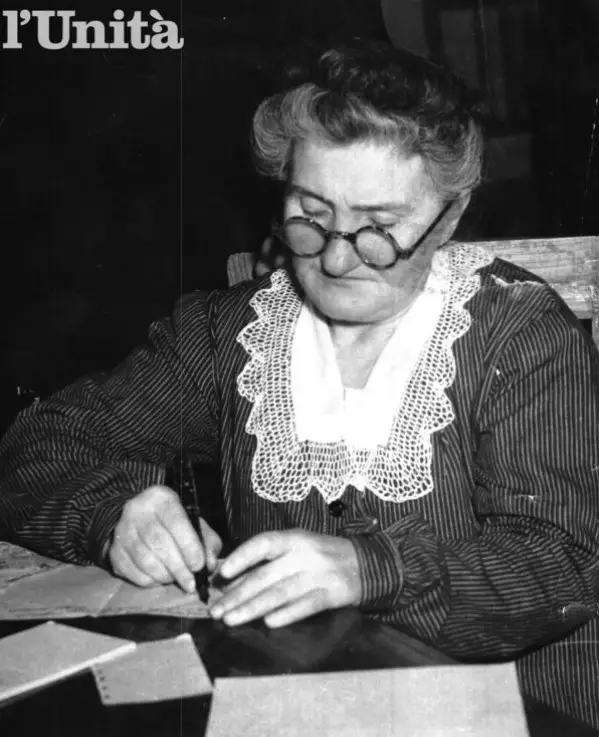
Residing in Correggio as a popular shopkeeper and tarot reader, Cianciulli selected three vulnerable, lonely female neighbors. She persuaded each to maintain absolute secrecy, liquidate their possessions, and draft letters claiming they had relocated to other cities:
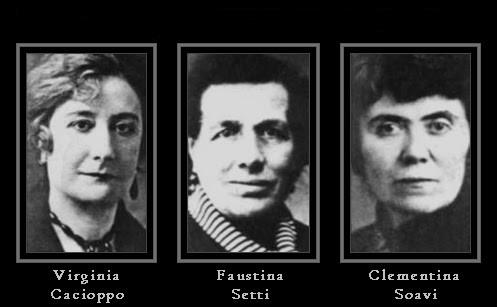
- Faustina Setti: Murdered with an axe blow to the neck in 1939. Cianciulli butchered the corpse into nine pieces, boiled the remains with caustic soda into thick dark mush, and molded the fats into soap bars gifted to neighbors. The blood was drained into basins, dried in the oven, pulverized, and kneaded with flour, vanilla, and cocoa into tea cakes served to visitors and her children.
- Francesca Soavi: Murdered in September 1940 with identical culinary and chemical disposal methods.
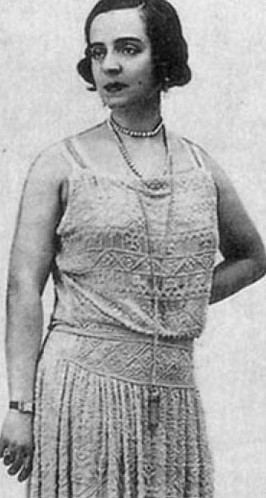
- Virginia Cacioppo: The celebrated opera singer entered Cianciulli's home on November 30, 1940. Cianciulli later described: "She ended up in the pot like the others... her flesh was fat and white; when melted, I added cologne to yield a truly fine scented soap. The cakes she made were remarkably sweet."
Discovery, Confession, and Roman Museum Legacy
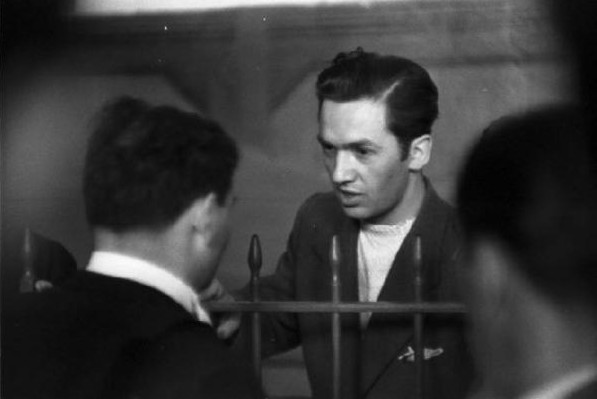
Cacioppo's sister-in-law noticed her disappearance, having witnessed the soprano entering Cianciulli's doorstep. Police began surveilling the house and detained Giuseppe for cashing Cacioppo's bonds. Fearing her son would be executed for crimes he did not commit, Cianciulli stepped forward and delivered a chilling, comprehensive confession detailing every anatomical and chemical step.
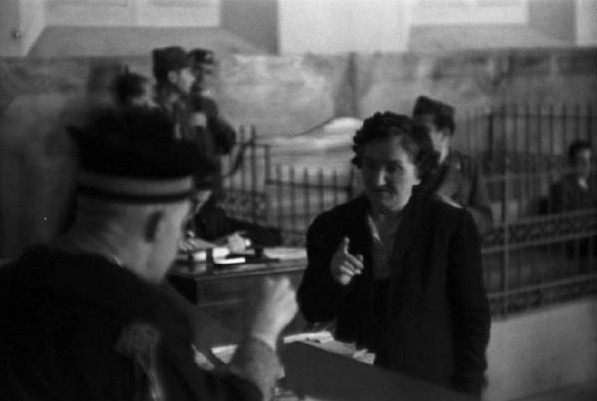
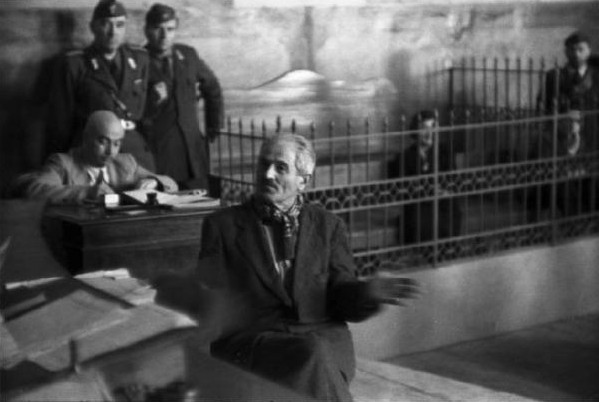
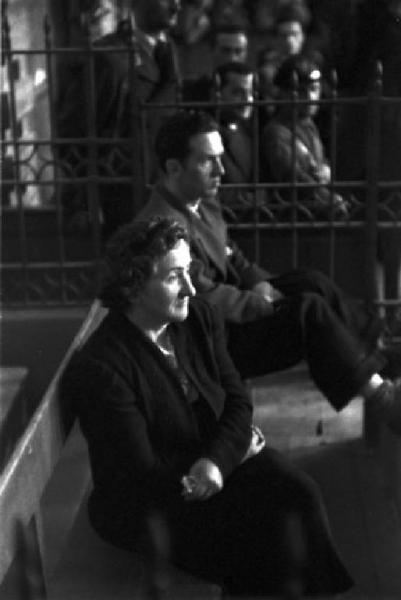
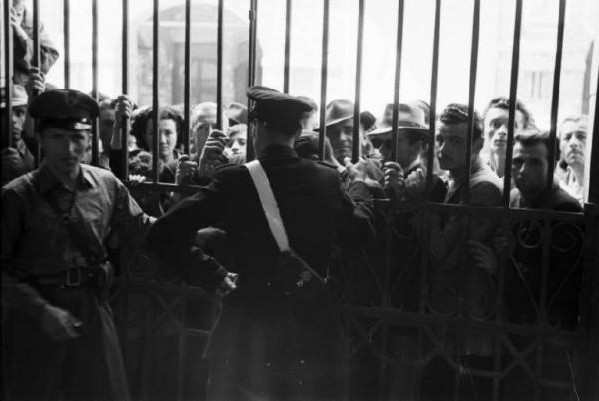
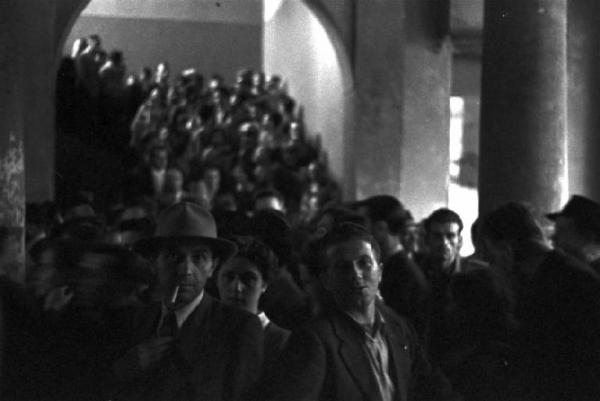
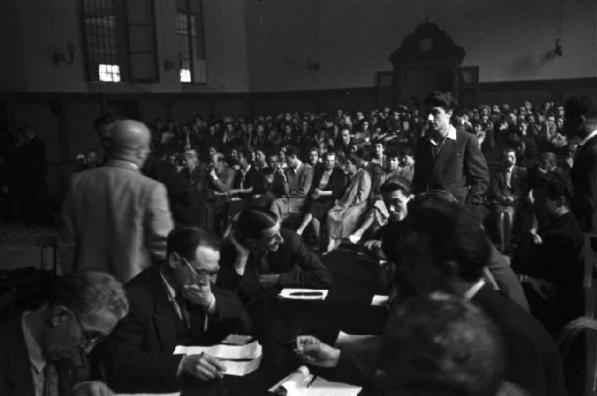
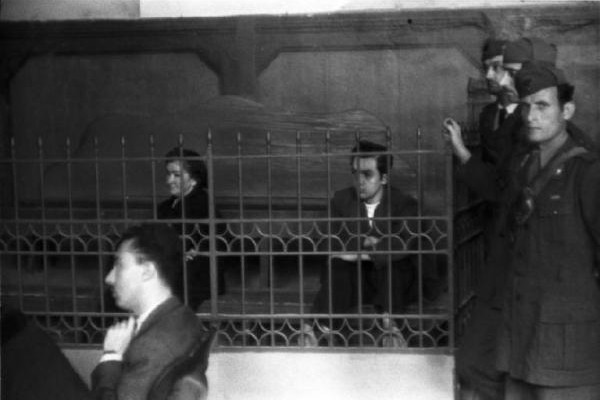
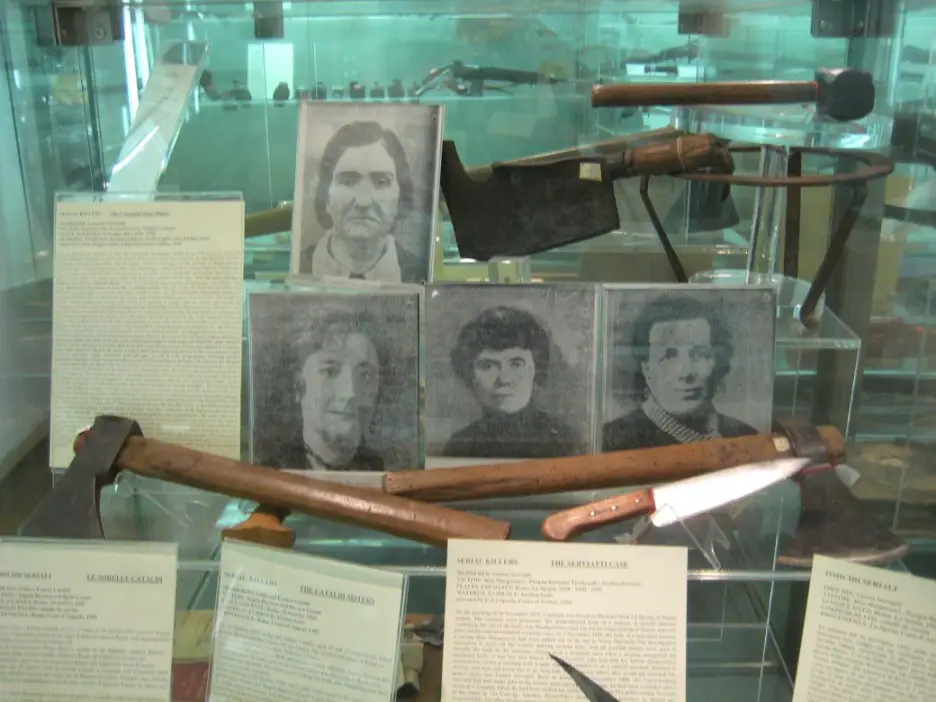
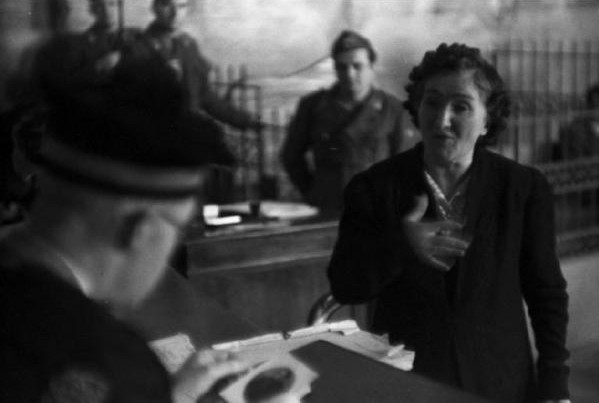
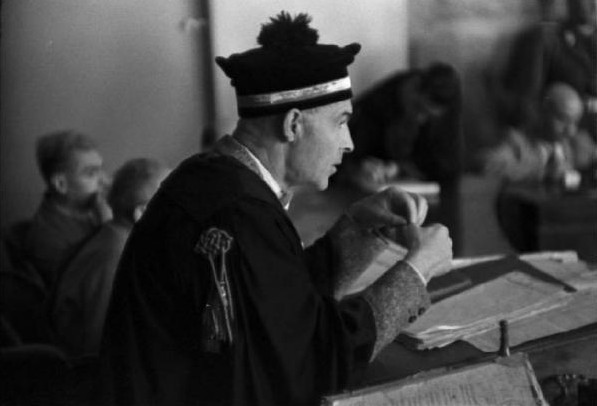
Tried in Reggio Emilia in 1946, she was judged partially insane and sentenced to 30 years in prison preceded by criminal asylum confinement. She passed away from a stroke at the Pozzuoli women's psychiatric asylum on October 15, 1970, at age 76. The massive copper cooking vat, meat cleaver, and hacksaw she used to brew human soap remain on display at the Museum of Criminology in Rome.