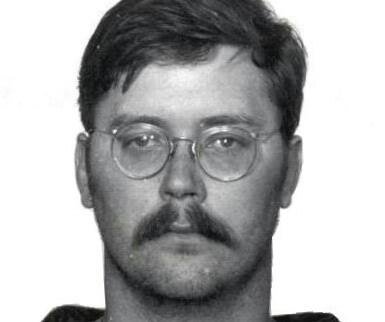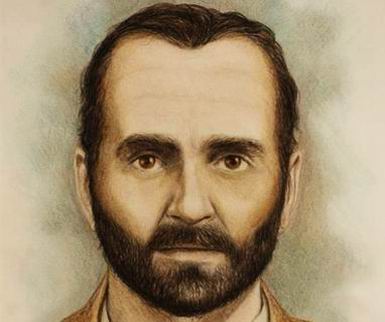



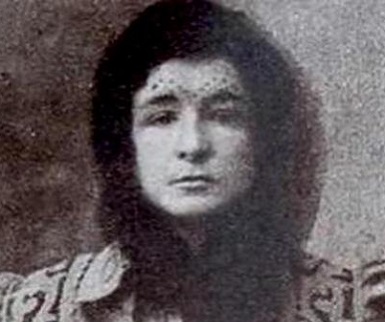
Forensic & Criminological Matrix
| Parameter | Forensic Detail |
|---|---|
| Birth Name | Manuel Blanco Romasanta (originally baptized under the female name Manuela) |
| Media & Folkloric Monikers | The Werewolf of Allariz, O Home do Unto (The Fat Man), The Galician Bogeyman |
| Nationality | Spanish (Galician) |
| Date of Birth | November 18, 1809, Regueiro, Esgos, Ourense, Galicia, Spain |
| Date of Death | December 14, 1863 (aged 54, stomach cancer at Ceuta Military Prison, North Africa) |
| Historical Penal Status | Sentenced to the garrote vil in 1853; death sentence commuted to life imprisonment by Queen Isabella II following medical intervention by French hypnotist Dr. Phillips |
| Confirmed Murder Victims | 9 women and young children legally proven at trial |
| Attributed Victims | At least 13 individuals across mountainous Galician and Castilian forests |
| Active Criminal Span | 1846 – 1852 (six-year forest predator campaign) |
| Geographic Jurisdiction | Mountain passes of Ourense, Allariz, Lugo, and León, Spain |
| Forensic Weaponry / Mechanics | Blunt force craniocerebral trauma with clubs, throat slashing, and knife stab wounds |
| Post-Mortem Extraction | Surgical excision of subcutaneous human adipose tissue (unto / body fat) rendered into pharmaceutical ointments and soap sold commercially in Portugal and Spain |
| Psychiatric Forensic Legacy | The first judicial case in European jurisprudence formally documenting a legal defense of clinical lycanthropy (versipellis) |
| Primary Criminal Motive | Predatory commercial greed, illicit asset seizure, and calculated psychopathic predation |
1. Criminological Genesis and Psychosexual Anomalies
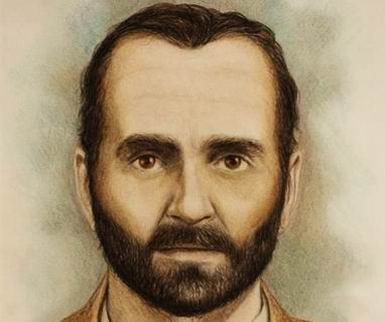
Manuel Blanco Romasanta represents one of the most enigmatic figures in Western European forensic history, straddling the boundary between folklore and early scientific criminalistics. Born in the rural hamlet of Regueiro, Ourense, Romasanta was initially baptized as female (Manuela) due to congenital sexual ambiguity (male pseudohermaphroditism). At age six, physical examination confirmed male development, and his legal identity was altered to Manuel.
Standing barely 1.37 meters (4'6") tall, soft-spoken, literate, and possessed of polite, pious manners, Romasanta gained the unreserved confidence of peasant women in rural Galicia while working as a tailor, itinerant merchant, and mountain guide.
2. Modus Operandi and the Human Fat Trade
During the economic hardships of 1840s Galicia, Romasanta organized a lucrative, lethal enterprise:
- The Guide Enticement: He approached impoverished widows, single mothers, and domestic servants, promising to safely escort them and their young offspring across remote mountain passes to lucrative domestic positions in Santander, Madrid, or Ourense.
- Mountain Ambush: Once isolated in rugged forested gorges (such as Redondela or O Couso), Romasanta bludgeoned or slit the throats of the women and their children.
- The "Unto" (Human Fat) Trade: With meticulous care, Romasanta dissected the cadavers, harvesting subcutaneous fat tissue. Rendering the grease into jars, he sold it across Portuguese pharmacies and trading posts as high-grade therapeutic lard and medicinal unguents, cementing the enduring folkloric terror of O Home do Unto.
- Forged Correspondence: He looted victims' clothing and sent forged letters to their relatives assuring them they were prospering in distant cities, effectively suppressing investigations for half a decade.
3. Apprehension and the Clinical Lycanthropy Defense
Suspicion ignited when relatives observed Romasanta hawking the distinct garments of the supposedly emigrated women at local country fairs.
Arrested in Nombela (Toledo) in July 1852 traveling under forged documents, Romasanta was extradited to Ourense for the legendary Allariz Cause No. 1774/1852. During proceedings, Romasanta delivered a sensational testimony:
"The first time I transformed was on the mountain of Couso. I found myself turned into a wolf and roamed with other wolves... I consumed human flesh because the beastly curse overpowered my soul."
4. The Trial of Allariz and Royal Commutation
The court in Allariz mobilized Spain's top legal and medical examiners:
- Pathologists dissected the exhumed skeletal remains and proved that bones bore clean incisions from steel blades rather than animal teeth or claws.
- On April 6, 1853, the tribunal sentenced Manuel Blanco Romasanta to execution via the garrote vil for nine counts of murder.
However, the case drew international scientific fascination: French physician and hypnotist Dr. Joseph-Pierre Durand de Gros (Dr. Phillips) petitioned Queen Isabella II of Spain to stay the execution so that Romasanta could be studied as a textbook subject of monomania and somnambulism.
Persuaded by scientific arguments, Queen Isabella II commuted the death sentence to life imprisonment via Royal Order in May 1854.
5. Confinement and Demise in Ceuta
For over a century, local myths suggested Romasanta had escaped or died in a continental asylum.
In 2011, definitive archival research uncovered his official death record: Romasanta was transferred to the penal fortress of Ceuta in North Africa, where he died of stomach cancer on December 14, 1863, aged 54, ending the life of the mythic Werewolf of Allariz.