


Edmund Kemper ("The Co-ed Killer"): The Santa Cruz Giant, Necrophilia, Matricide, and the Foundation of Modern FBI Criminal Profiling (1964–1973)
Executive Summary
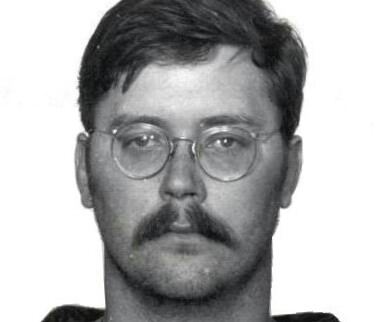
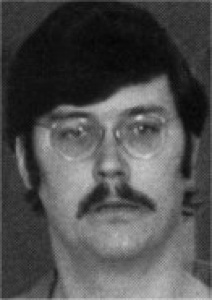
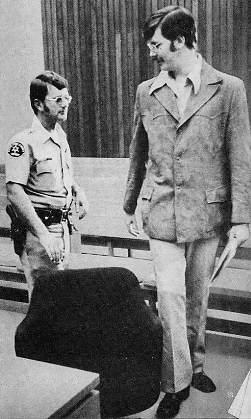
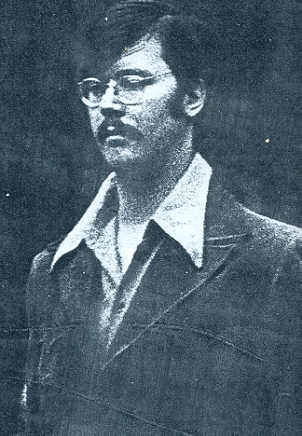
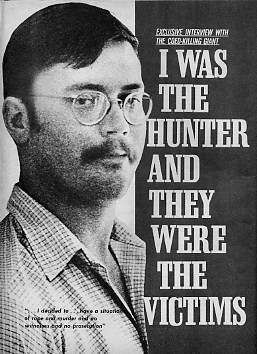
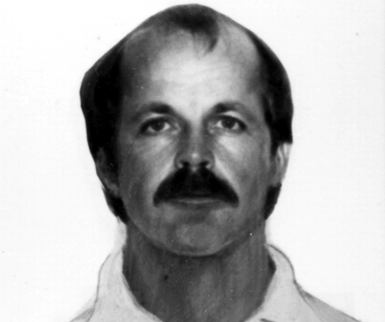
Edmund Emil Kemper III (born December 18, 1948, in Burbank, California), designated in contemporary forensic literature and media as "The Co-ed Killer" and the "Santa Cruz Butcher", stands as one of the most exhaustively studied and criminologically significant organized serial predators of the 20th century. Standing a monolithic 6 feet 9 inches (2.06 m) tall, weighing over 300 pounds (135 kg), and possessing a measured IQ of 145 (genius level), Kemper murdered ten individuals across two distinct operational timelines: the cold-blooded homicide of his paternal grandparents in 1964 at age 15, and a lethal reign of terror between May 1972 and April 1973 across Santa Cruz County, California, where he abducted, shot, strangled, decapitated, and sexually defiled the post-mortem remains of six female university hitchhikers, culminating in the butchery of his own mother and her social friend.
Diagnosed with extreme antisocial personality disorder complicated by sadistic necrophilia, Kemper's intellect allowed him to manipulate psychiatrists at Atascadero State Hospital into releasing him at age 21 and expunging his juvenile murder record. After voluntarily surrendering via telephone from Colorado in April 1973 upon realizing that slaying his mother had extinguished his violent urges, Kemper was convicted of eight counts of first-degree murder in Santa Cruz Superior Court. Incarcerated at the California Medical Facility in Vacaville, he became the seminal research subject for pioneering FBI Special Agents John E. Douglas and Robert K. Ressler, directly shaping the protocols of the Behavioral Science Unit (BSU), the criminal profiling methodology, and the violent criminal classification taxonomies used worldwide today.
Forensic Technical Matrix
| Parameter | Criminological & Forensic Detail |
|---|---|
| Legal Identity | Edmund Emil Kemper III |
| Public Notoriety Name | Edmund Kemper |
| Criminological Aliases | "The Co-ed Killer", "The Santa Cruz Butcher", "The Gentle Giant" |
| Date of Birth | December 18, 1948 (Burbank, California, U.S.) |
| Vital & Legal Status | Confined for life (Imprisoned); serving eight consecutive life sentences |
| Criminological Classification | Organized serial killer, necrophile, dismemberer, and matricide offender |
| Confirmed Fatal Victims | 10 victims (grandparents, 6 female students, biological mother, family friend) |
| Surviving Victims | 0 direct survivors (exhaustive, voluntary post-capture confession) |
| Active Criminal Timeline | August 27, 1964 (grandparents); May 7, 1972 – April 21, 1973 (Santa Cruz series) |
| Weapons of Offense | .22 LR semiautomatic pistols, revolvers, heavy claw hammer, hunting knives, and ligature strangulation |
| Primary Motive | Vicarious matricidal rage, sadistic necrophilic compulsions, and total post-mortem dominion over female bodies |
| Geographic Scenes | Santa Cruz County, Berkeley, Alameda, and North Fork (California, U.S.) |
| Investigative Authorities | Santa Cruz County Sheriff's Office, Berkeley Police Department, FBI |
| Trial Court | Superior Court of California, County of Santa Cruz (Judge Harry F. Brauer presiding) |
| Definitive Sentence | Eight concurrent/consecutive life imprisonment sentences (capital penalty precluded by judicial stay) |
| Correctional Facility | California Medical Facility (CMF Vacaville, Solano County, California) |
Childhood Trauma, Animal Torture, and the 1964 Double Homicide
Edmund Kemper was raised in an acutely pathological home dynamic dominated by his mother, Clarnell Strandberg, an embittered, abusive alcoholic who subjected him to severe psychological denigration. Following her divorce from Edmund Kemper Jr. in 1957, Clarnell forced young Edmund to live and sleep in a locked, subterranean cellar, claiming his towering physical stature and aberrant demeanor posed a physical and moral threat to his sisters.
During these formative years, Kemper fulfilled the classic Macdonald Triad:
- Severe Animal Mutilation: At age ten, he slaughtered the family cat, burying it alive and then exhuming the corpse to decapitate and impale the head on a pike. At thirteen, he hacked another pet cat to death with a machete and concealed body parts in his closet.
- Morbid Necrophilic Ideation: He systematically dismembered his sisters' dolls in decapitation rituals and developed elaborate nocturnal fantasies centered on murdering female peers and having sex with their inert corpses.
At age fifteen, unable to curb his rebelliousness, his mother sent him to reside on his paternal grandparents' isolated ranch in North Fork, California. On August 27, 1964, following a minor domestic quarrel, Kemper seized his grandfather's .22 caliber hunting rifle and shot his grandmother, Maude Kemper, in the head and back before slitting her throat with a kitchen knife. When his grandfather, Edmund Kemper Sr., arrived home shortly after, Kemper shot him dead in the driveway to "save him the grief and rage of seeing his wife slaughtered". He subsequently telephoned his mother and calmly waited on the porch for the sheriff to arrive.
Institutionalization at Atascadero and Psychiatric Manipulation (1964–1969)
Adjudged legally insane due to juvenile status and diagnosed with paranoid schizophrenia, Kemper was committed to Atascadero State Hospital, California’s maximum-security psychiatric institution for the criminally insane.
Possessing an exceptional intellectual quotient of 145, Kemper rapidly mapped the psychodiagnostic procedures of the hospital. He became an invaluable assistant to the head psychologist, scoring and administering the Minnesota Multiphasic Personality Inventory (MMPI) and Rorschach tests to incoming inmates. Armed with intimate knowledge of psychiatric testing, he flawlessly performed the role of a reformed, insightful young man who had overcome adolescent impulsivity.
In December 1969, upon turning 21, Atascadero medical boards declared Kemper entirely rehabilitated, recommending unconditional release. In 1972, a California juvenile court granted an extraordinary motion to permanently seal and expunge his juvenile double-murder record, allowing him to legally purchase an arsenal of handguns and apply for civil service employment with the California Department of Public Works.
The Santa Cruz Slaughter: Mechanics of the "Co-ed Killer" (1972–1973)
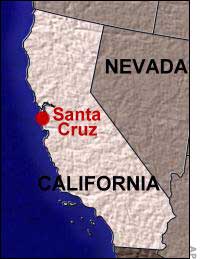
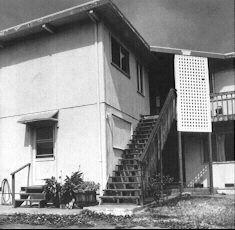
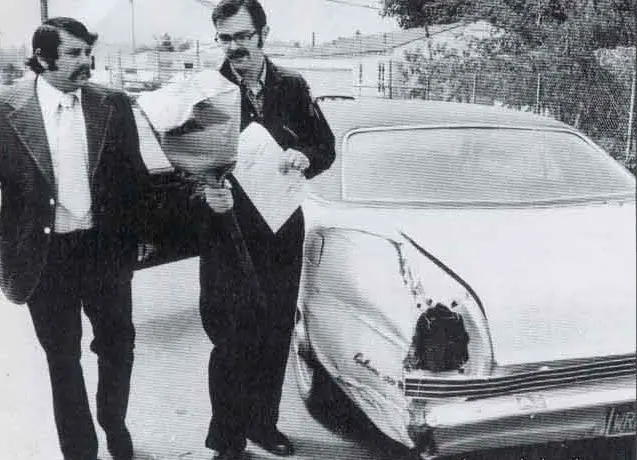
Moving back into his mother’s apartment in Aptos, near Santa Cruz, the resumption of Clarnell's verbal vitriol re-ignited Kemper's lethal fixations. He customized his Ford Galaxie sedan, disabling interior passenger-door latch mechanisms and outfitting the trunk with plastic drop cloths, carving knives, and firearms.
Exploiting the burgeoning counterculture and hitchhiking boom across the campuses of Cabrillo College and the University of California, Santa Cruz (UCSC), Kemper embarked on an organized predatory campaign:
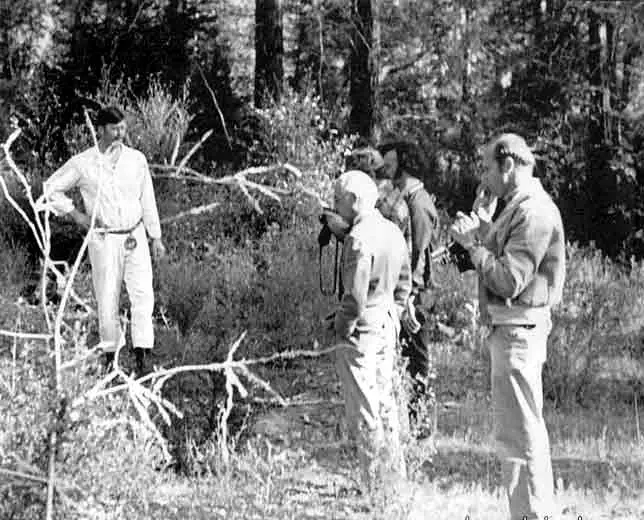
- Mary Ann Pesce and Anita Luchessa (May 7, 1972): Two 18-year-old UCSC students picked up hitchhiking. He drove them into remote wooded terrain in Alameda County, stabbed and strangled them, transported their corpses into the woods, performed necrophilic acts, and severed their heads.
- Aiko Koo (September 14, 1972): A 15-year-old dance student abducted near Berkeley. He strangled her inside the vehicle, smuggled her body into his mother's residence during her absence, engaged in necrophilia, and dismembered the corpse in the bathtub.
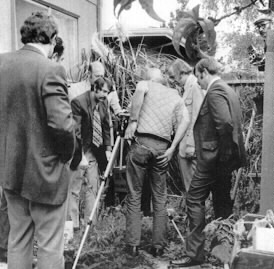
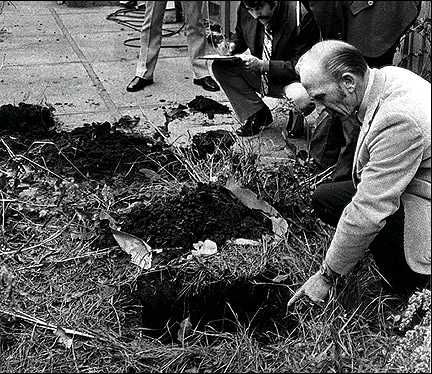
- Cindy Schall (January 8, 1973): An 18-year-old Cabrillo College student shot through the head in a secluded spot. Kemper dissected the corpse in his mother's bedroom, severed the head, and buried it in the yard beneath Clarnell's bedroom window, stating she "always wanted people looking up to her".
- Rosalind Thorpe (23) and Allison Liu (20) (February 5, 1973): Picked up on the UCSC campus, both were executed inside the car with silenced pistol shots through the head, followed by dissection and skull disposal off ocean cliffs.
Throughout this slaughter, Kemper routinely drank at The Jury Room, a Santa Cruz tavern frequented by local sheriff deputies and investigators. He befriended the detectives tracking the phantom killer, listening directly to confidential case assessments over draft beers.
Matricidal Climax, Dismemberment, and Pueblo Surrender (April 1973)
On the night of April 20, 1973, Kemper decided to terminate what he recognized as the ultimate source of his homicidal rage: his mother. He waited until 52-year-old Clarnell fell asleep in her bedroom, entered quietly with a heavy claw hammer, and struck her skull, subsequently cutting her throat with a straight razor.
Kemper severed his mother's head, placed it upon a mantlepiece, and hurled darts at it while venting years of suppressed childhood fury. He carved out her vocal cords and larynx, forcing them down the garbage disposal unit, explaining: "She had nagged and screamed at me all my life; it seemed only appropriate that her throat ended up down the drain".
The following morning, Kemper lured his mother's best friend, 59-year-old Sara Hallett, to the house under the pretense of a social visit. He strangled her upon arrival, concealed her body in a closet, loaded his vehicle with weapons, and drove over a thousand miles east toward Colorado.
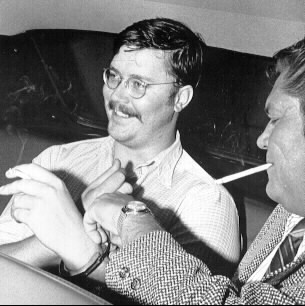
On April 24, 1973, realizing that law enforcement had not yet discovered the bodies and experiencing total emotional emptiness now that his mother was dead, Kemper placed a collect call from a phone booth in Pueblo, Colorado, to the Santa Cruz Police Department. When the desk officer dismissed his confession, Kemper demanded to speak with his officer acquaintance from The Jury Room, leading to immediate verification of the gruesome crime scene in Aptos.
Trial, Imprisonment, and FBI Behavioral Profiling Legacy
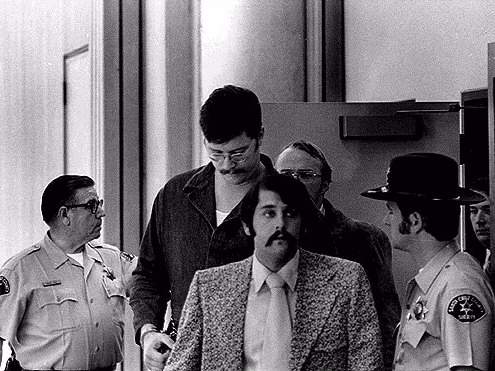
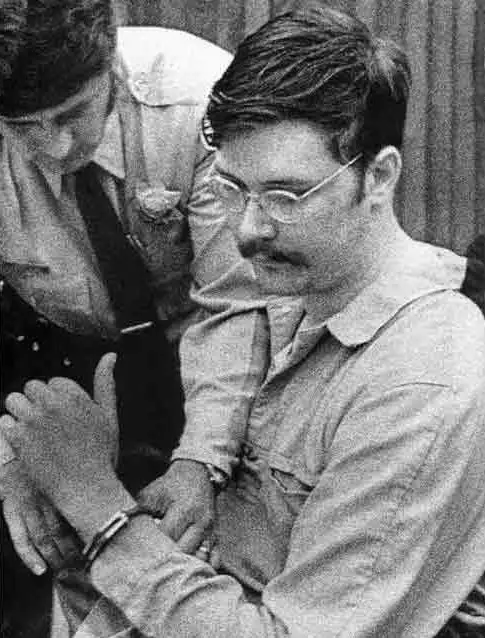
At his October 1973 trial in Santa Cruz Superior Court, Kemper’s defense entered a plea of not guilty by reason of insanity. However, court-appointed psychiatric evaluators determined he was legally sane under California law, possessing acute awareness of the illegality of his acts. Kemper himself explicitly requested the death penalty via the gas chamber.
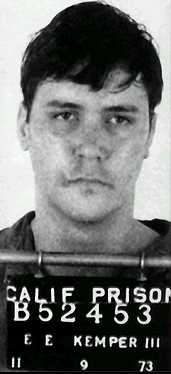
On November 8, 1973, the jury convicted him on eight counts of first-degree murder. Because the California Supreme Court had temporarily struck down the state's death penalty statute (People v. Anderson, 1972), Judge Harry F. Brauer sentenced Kemper to eight concurrent and consecutive life sentences.
Assigned to the California Medical Facility in Vacaville, Kemper spent decades systematically waiving his parole eligibility, openly acknowledging that his release would present an intolerable risk of recidivism.
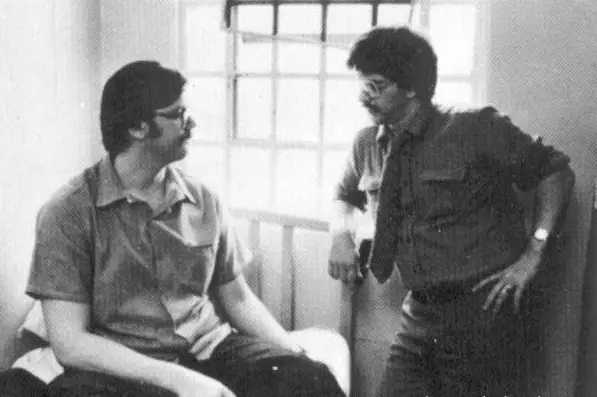
In the late 1970s, FBI Special Agents John E. Douglas and Robert K. Ressler of the Behavioral Science Unit began extensive audio-recorded clinical interviews with Kemper in his Vacaville cell. With unparalleled analytical clarity and clinical detachment, Kemper articulated the psychological triggers of organized serial murder, the evolutionary trajectory of violent fantasies, victim selection, and post-mortem ritualism. His candid testimony formed the empirical bedrock for the FBI's Crime Classification Manual (CCM) and the violent criminal profiling frameworks that revolutionized modern global criminal investigation.