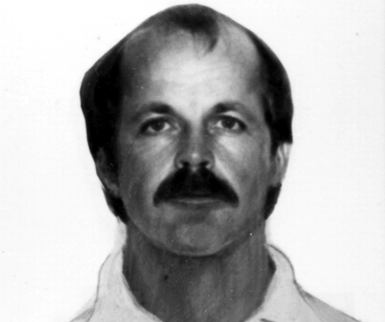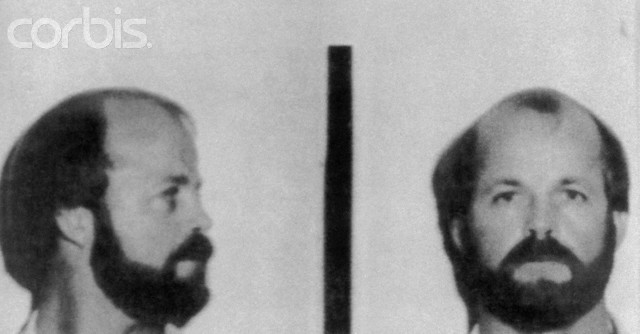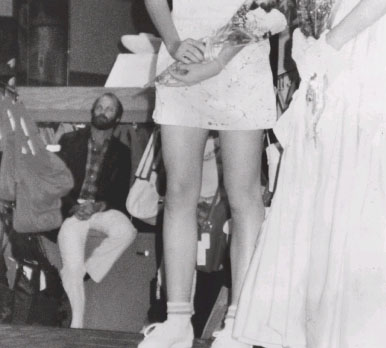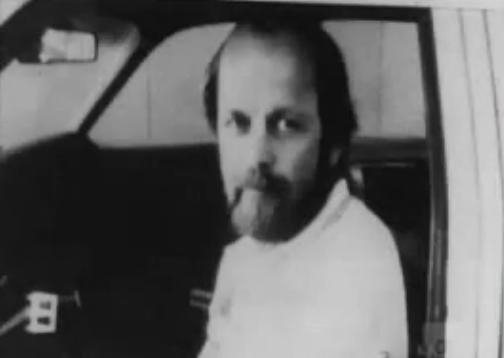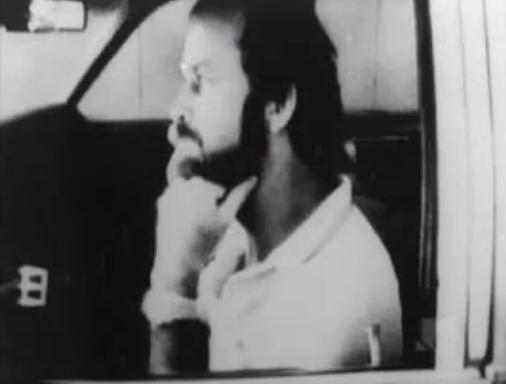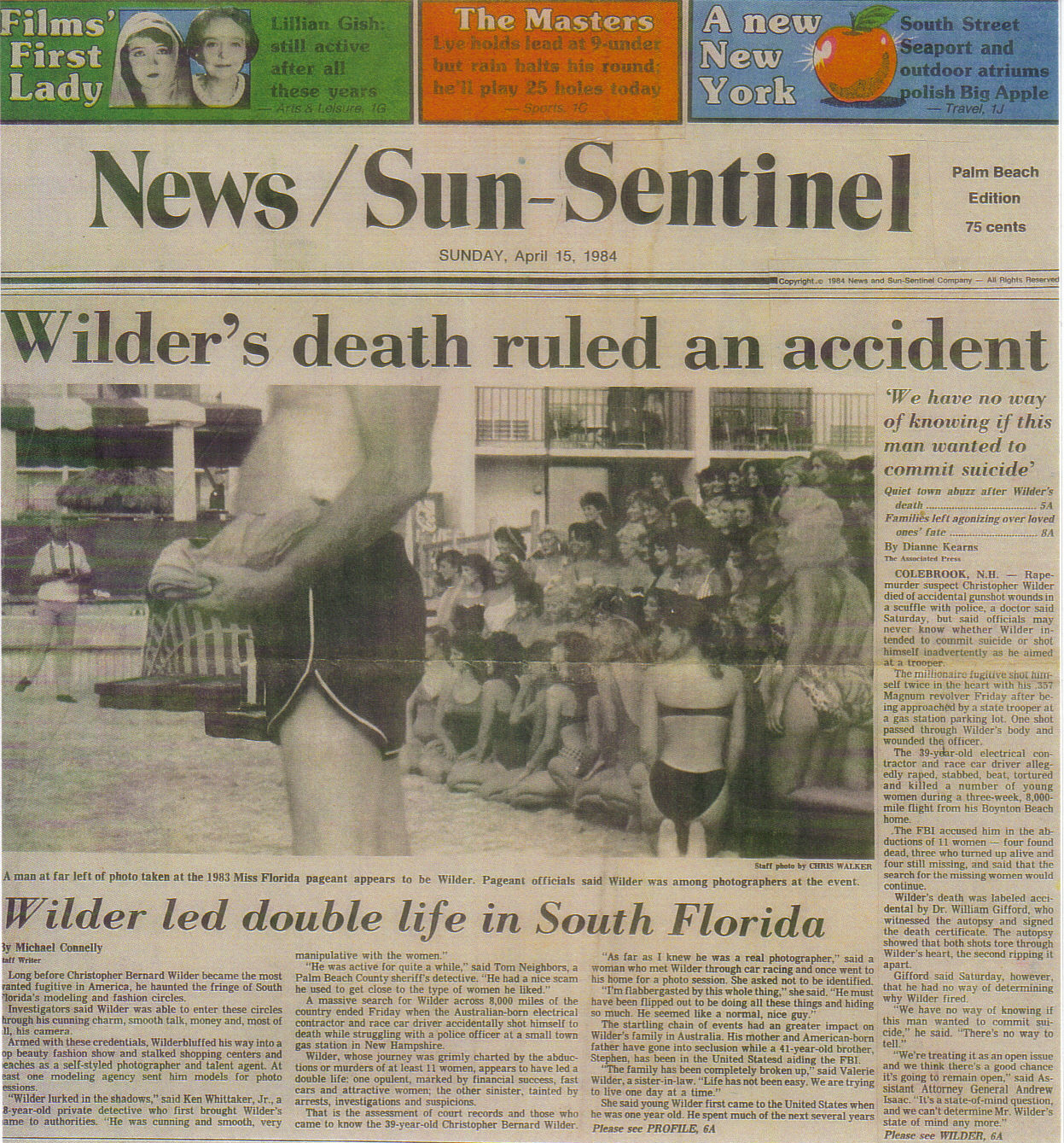




Christopher Wilder: «The Beauty Queen Killer», the FBI Continental Manhunt, and the Colebrook Ballistic Inquest
Executive Summary
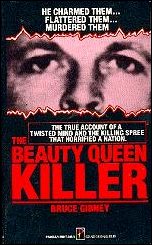
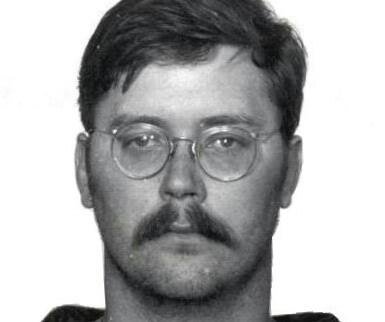
Christopher Bernard Wilder (March 13, 1945 – April 13, 1984), known in global forensic annals as «The Beauty Queen Killer», was an Australian serial killer, abductor, and sexual sadist who triggered one of the largest interstate police manhunts in United States history. Between February 26 and April 13, 1984, Wilder embarked on a cross-country murder spree spanning more than 8,000 miles (13,000 km), during which he lured, kidnapped, sexually tortured, subjected to electric shocks, and murdered at least eight young women—most of them models, beauty pageant contestants, or aspiring actresses—while leaving several severely traumatized survivors in his wake.
Born to an Australian naval diplomat and raised in privileged socioeconomic circles, Wilder leveraged his family inheritance and legitimate success as a Florida real estate contractor and sports car racer to project the persona of an affluent, jet-setting amateur fashion photographer. His criminal modus operandi relied on stalking upscale shopping malls, auto races, and beauty contests across Florida, Texas, Oklahoma, Colorado, California, and the Midwest. Posing as a talent scout for elite modeling agencies such as Seventeen, he promised young women lucrative photo shoots. Once isolated, he handcuffed them, tortured them using electrical wire probes hooked to vehicle batteries, sexually assaulted them, and executed them via gunshot wounds or ligature strangulation.
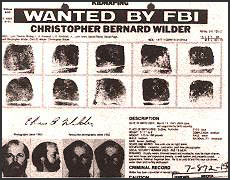
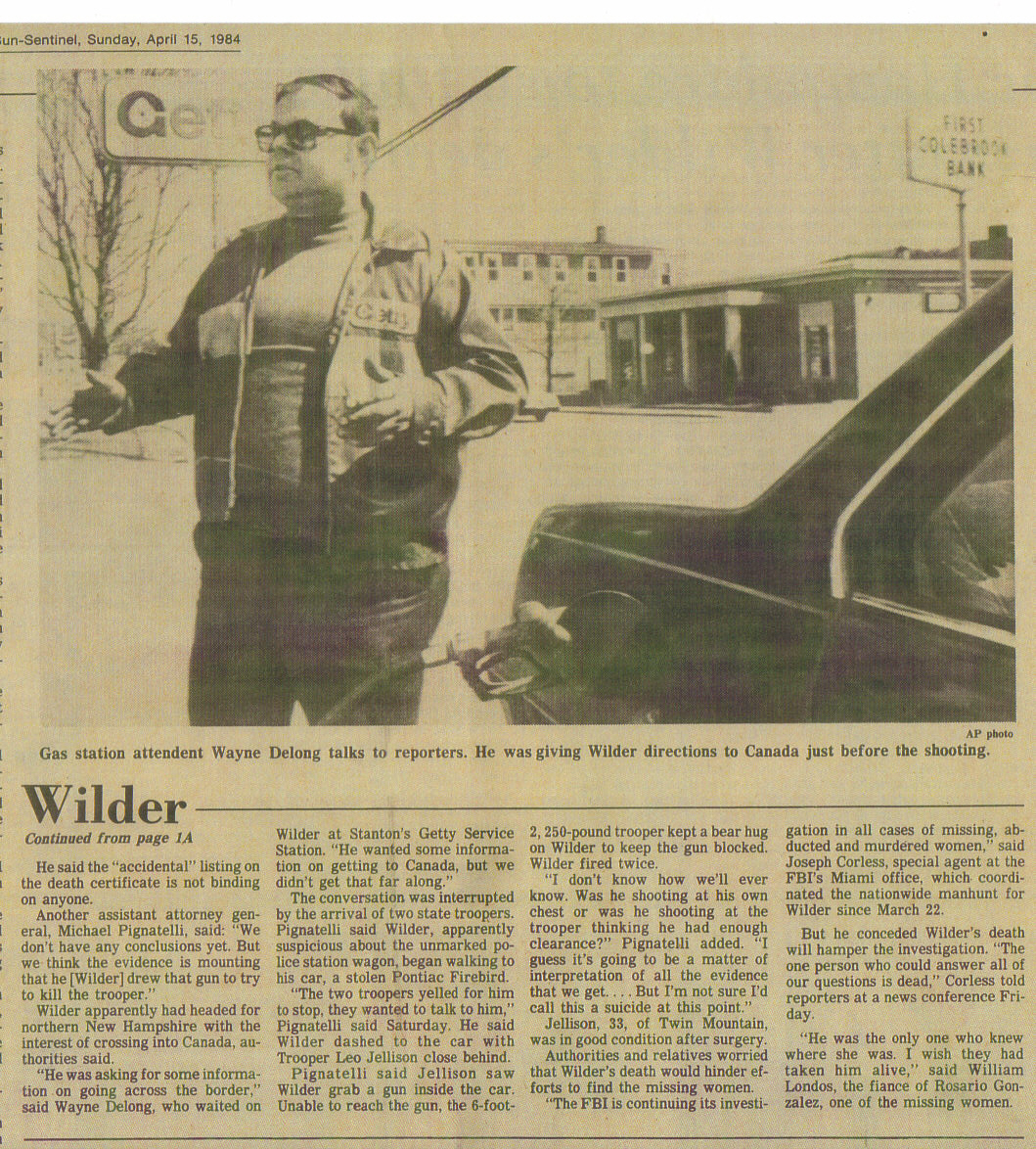
His unchecked escalation led the Federal Bureau of Investigation (FBI) to place him on its «Ten Most Wanted Fugitives» list on April 5, 1984, launching a massive nationwide dragnet. The multi-state pursuit reached its fatal conclusion on April 13, 1984, at a rural gas station in Colebrook, New Hampshire, near the Canadian border. Cornered by two New Hampshire State Troopers, Wilder engaged in a violent physical struggle with Trooper Leo Jellison inside his vehicle. During the scuffle, a .357 Magnum revolver discharged twice, critically injuring the trooper and sending a fatal bullet through Wilder's chest, severing his aorta and killing him instantly before he could be brought to trial.
Technical Forensic Matrix
| Parameter | Forensic Specification |
|---|---|
| Legal Identity | Christopher Bernard Wilder |
| Public Recognized Name | Christopher Wilder |
| Criminological Aliases | «The Beauty Queen Killer» |
| Date of Birth | March 13, 1945 (Sydney, New South Wales, Australia) |
| Date of Death | April 13, 1984 (Colebrook, New Hampshire, U.S.; aged 39) |
| Medical Cause of Death | Penetrating thoracic gunshot trauma (.357 Magnum) during violent police struggle |
| Criminological Classification | Traveling spree/serial killer / Organized sexual sadist |
| Confirmed Murder Victims | 8 legally documented homicides; linked to 12+ disappearances and murders |
| Surviving Victims | 4 documented abducted and tortured women who escaped or were released |
| Primary Modus Operandi | False pretenses as professional fashion scout/photographer offering paid portfolio shoots |
| Torture Methodology | Handcuffs, electric shock torture (car battery leads), surgical glue applied to eyelids, blunt force |
| Weapons Employed | Smith & Wesson .357 Magnum revolver, .22 LR pistol, knives, and ligature strangulation cord |
| Geographic Range | Cross-country interstate spree: Florida, Georgia, Texas, Oklahoma, Colorado, Nevada, California, New York, New Hampshire |
| Judicial Status | Deceased during armed police apprehension (Police Shootout); unadjudicated due to death |
Origins, Elite Privilege, and Early Sadistic Behavior in Australia (1945–1969)
Christopher Bernard Wilder was born in Sydney, Australia, in 1945, the son of a distinguished naval officer assigned to international diplomatic posts. Raised in affluent surroundings and educated at prestigious private academies, Wilder manifested severe voyeurism, sexual fetishism, and hostility toward women from adolescence:
- In 1962, at age seventeen, he was arrested on a Sydney beach alongside two accomplices in connection with the gang rape of two teenage girls; he received probation conditioned on psychiatric counseling.
- In 1965, diagnosed with severe sociopathic personality disorder with sadistic sexual deviance, he voluntarily underwent electroconvulsive therapy (ECT) in an attempt to alter his violent impulses, which yielded no clinical improvement.
- In 1969, Wilder immigrated to the United States, settling in South Florida. Capitalizing on his business acumen and wealth, he established a lucrative contracting company and competed in professional road racing circuits.
The Fashion Photographer Persona and Predatory Targeting in Florida (1970–1983)
In Palm Beach and Miami, Wilder cultivated the façade of a suave, athletic sportsman. He purchased high-end Hasselblad and Nikon camera equipment, rented studio spaces, and secured trackside press passes at motor racing events:
- He routinely prowled shopping malls and beach beauty contests, approaching photogenic teenagers with offers of $300 to $500 for impromptu portfolio sessions.
- Despite repeated investigations and arrests throughout the 1970s and early 1980s for false imprisonment, forced fondling, and sexual battery of aspiring models, his high-priced legal counsel consistently secured dismissals, reduced pleas, or probation without prison time.
- In early 1984, facing imminent criminal trial for the kidnapping and rape of a minor in Boynton Beach, Florida—which carried mandatory prison time and subsequent deportation to Australia—Wilder liquidated his liquid assets and launched a violent, cross-country flight.
The Nationwide Spree: February to April 1984
Wilder's killing spree lasted forty-seven days and encompassed thousands of miles across the continental United States:
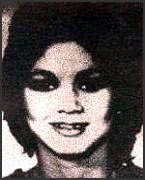
- Rosario Gonzalez (February 26, 1984, Miami, Florida): A 20-year-old Venezuelan model working at the Miami Grand Prix vanished after being seen conversing with Wilder. Her body was never recovered.
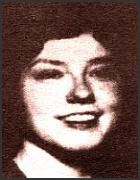
- Elizabeth Kenyon (March 5, 1984, Coral Gables, Florida): A 23-year-old University of Miami student and former beauty pageant runner-up; she agreed to a photo shoot. Her decomposed remains were later recovered from the Florida Everglades.
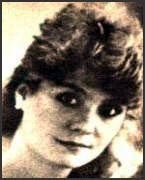
- Terry Walden (March 18, 1984, Merritt Island, Florida): Abducted outside a shopping center; her stabbed and strangled body was found submerged in a Cocoa Beach canal.
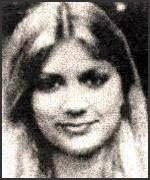
- Suzanne Logan (March 23, 1984, Oklahoma City, Oklahoma): Kidnapped and subjected to sadistic sexual abuse; her body was dumped in a rural drainage ditch.
- Sheryl Bonaventura (March 29, 1984, Grand Junction, Colorado): An 18-year-old high school senior abducted from a mall after Wilder promised modeling work; killed by gunshot wounds to the head.
- Michelle Korfman (April 1, 1984, Torrance, California): A 17-year-old model competition participant lured by Wilder; executed and discarded in the Kern County desert.
- Tina Marie Risico (April 1984): A 16-year-old girl abducted from a California shopping center; Wilder held her captive for days, forcing her to travel with him and assist in refueling before releasing her alive under severe psychological shock.
- Dawnette Wilt (April 1984, Indiana): Kidnapped, repeatedly stabbed, and left for dead in a field; she survived, crawled to a roadway, and provided crucial vehicle and physical descriptions to investigators.
The FBI Federal Dragnet and the Fatal Confrontation at Colebrook
On April 5, 1984, as multi-state law enforcement agencies linked the string of abducted pageant contestants, the FBI added Wilder as the 384th fugitive on its «Ten Most Wanted» list:
- Nationwide public alerts urged young women to immediately report any individual soliciting modeling portfolios in commercial centers.
- On April 13, 1984, Wilder drove a stolen Chevrolet into a Texaco service station in Colebrook, New Hampshire, less than ten miles from the border of Quebec, Canada.
- New Hampshire State Troopers Leo Jellison and Wayne Fortier identified the suspect's vehicle and immediately boxed it in.
- As Trooper Jellison reached through the open window to seize the car keys, Wilder drew a concealed .357 Magnum revolver. In the ensuing violent struggle, the firearm discharged twice: the first round critically wounded Trooper Jellison through the shoulder and chest; the second bullet tore through Wilder's own sternum and severed his aorta, killing him instantaneously at age 39.
Criminological Legacy and VICAP Profiling
The forensic inquiry into Christopher Wilder profoundly shaped modern serial murder profiling:
- It highlighted the extreme vulnerability of adolescent models to predatory offenders cloaked in perceived professional legitimacy.
- Wilder's case served as an early benchmark for the FBI's Violent Criminal Apprehension Program (VICAP), proving the vital necessity of centralized interstate crime linkage to halt highly mobile serial predators.