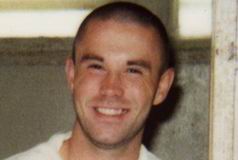
Forensic & Criminological Matrix
| Parameter | Forensic Detail |
|---|---|
| Forensic Heading / Aliases | None |
| Legal Identity | Mark Alan Smith |
| Confirmed Victims | 4 |
| Attributed / Indicted Victims | 12 |
| Active Timeline | 1966-1970 |
| Jurisdiction / Area of Operations | Germany, Arkansas, Illinois (USA) |
| Criminological Classification | Sadistic Serial Killer |
| Forensic Modus Operandi | Abduction, rape, torture, homicide |
| Weapon / Mechanism of Death | Knife, strangulation, asphyxiation |
| Motive / Behavioral Dynamics | Psychopathy, sexual sadism |
| Judicial Outcome | 500-year prison sentence |
1. Background and Profile
Mark Alan Smith was born on June 27, 1949, in Chicago. His early life was marked by severe behavioral disturbances, including a documented attempt to strangle a classmate at age 8 and a stabbing attack on a 6-year-old playmate at age 9. Despite psychiatric intervention, his violent tendencies escalated, leading to a prolific criminal career.
2. Criminal Career and Modus Operandi
Smith's criminal activity spanned international borders. While stationed in West Germany with the U.S. Army, he is believed to have killed eight women. Upon returning to the United States, he continued his spree in Arkansas and Illinois. His modus operandi involved targeting vulnerable women, abducting them at knifepoint, and subjecting them to extreme sexual violence and torture before killing them.
3. Investigation and Arrest
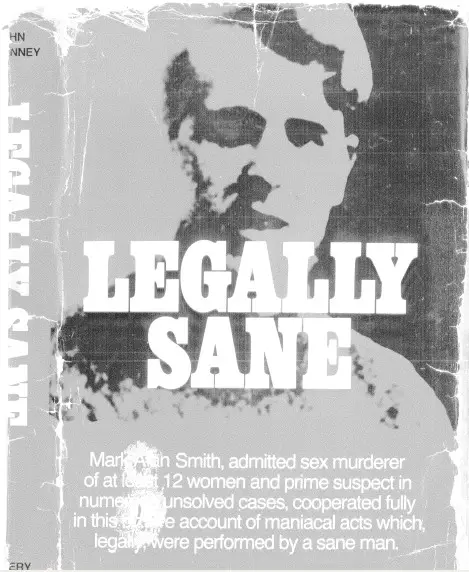
Law enforcement agencies in Illinois, particularly the Des Plaines Police and the McHenry County State's Attorney's Office, were instrumental in securing his conviction. The investigation relied on forensic evidence, crime scene analysis, and Smith's own admissions. The book Legally Sane provides a detailed forensic account of his psychological profile and criminal history.
4. Legal Proceedings and Outcome
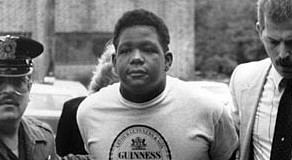
In 1971, Smith was sentenced to 500 years in prison. Due to the sentencing laws in effect at the time, he has been eligible for parole hearings every three years. These hearings have become a focal point for victims' families, who have consistently campaigned to ensure he remains incarcerated, citing his lack of remorse and the extreme danger he poses to society.