



Forensic & Criminological Matrix
| Parameter | Forensic Detail |
|---|---|
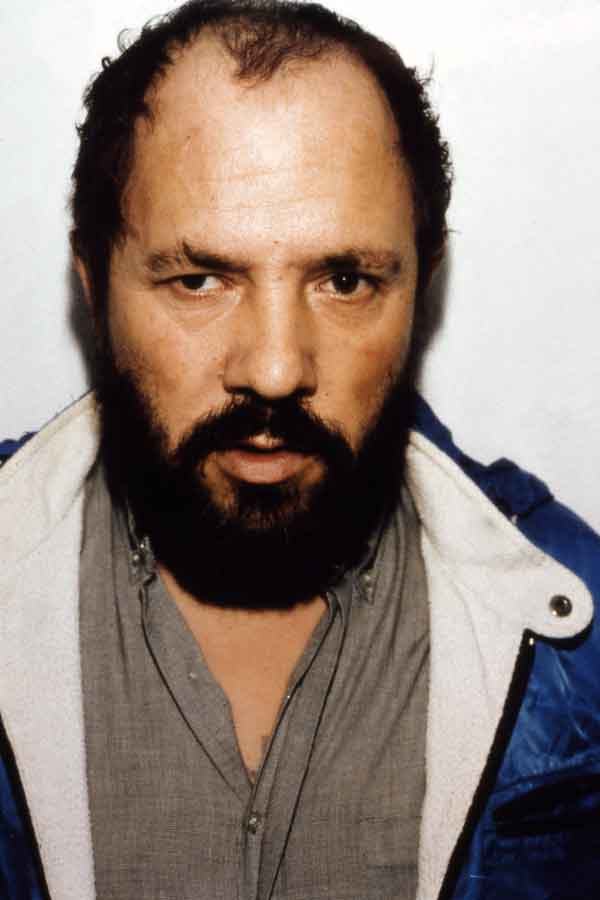
| Full Legal Name | Francisco García Escalero |
| Media Monikers | The Beggar Slayer, The Mendicant Killer (El matamendigos) |
| Nationality | Spanish |
| Date of Birth | May 24, 1954, Madrid, Spain |
| Date of Death | August 19, 2014 (aged 60, accidental asphyxiation/choking at Fontcalent Psychiatric Prison, Alicante) |
| Legal Outcome | Legally exonerated on grounds of total criminal insanity (paranoid schizophrenia); sentenced to mandatory security confinement in a psychiatric facility for up to 30 years |
| Confirmed Murder Victims | 11 homeless individuals and marginalized transients |
| Attributed Victims | 11 to 15 victims |
| Active Criminal Span | August 1987 – February 1994 (nearly seven years operating within urban shantytowns) |
| Geographic Jurisdiction | Madrid, Spain (San Isidro cemetery outskirts, Vallecas wastelands, Casa de Campo park, and disused railway lines) |
| Lethal Weaponry | Heavy edged weapons (kitchen knives, straight razors), blunt instruments (iron rebars, paving stones) |
| Post-Mortem Deviance | Decapitation, genital excision, ritual cannibalism (ingesting cooked human flesh/brain tissue), necrophilia, and corpse incineration |
| Primary Criminal Motive | Catastrophic paranoid schizophrenia, commanding auditory demonic delusions, and severe paraphilic sadomasochism aggravated by chronic alcoholism |
1. Criminological Trajectory and Severe Psychiatric Pathology
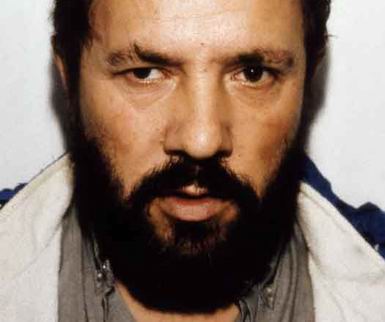
Francisco García Escalero represents one of the most grotesque clinical-forensic cases in Western European criminological literature. The son of an impoverished gravedigger at San Martín Cemetery in Madrid, he was raised in squalor and emotional destitution. From early childhood, he exhibited extreme behavioral anomalies, including nocturnal wandering, severe pyromania, and necrophilic desecrations of open graves.
By age 16, he had been institutionalized at Carabanchel and Ciempozuelos psychiatric hospitals, receiving diagnoses of chronic paranoid schizophrenia combined with seizure disorders and pervasive alcoholism. Sinking irrevocably into vagrancy, Escalero spent his adult life drifting through abandoned construction sites, storm drains, and cemetery crypts across suburban Madrid.
2. Modus Operandi and Post-Mortem Aberrations
Escalero operated entirely beneath the radar of civil society within the invisible subculture of Madrid's homeless community:
- Substance Ingestion and Camaraderie: He shared jugs of cheap fortified wine, tranquilizers, and nighttime campfires with destitute vagrants, prostitutes, and drug users in isolated wastelands.
- Ambush and Lethal Violence: Once his companions succumbed to alcoholic stupor or sleep, Escalero struck without warning, utilizing paving stones, iron pipes, or hunting knives to crush the cranium and sever the throat.
- Mutilation and Anthropophagy: Under the influence of commanding auditory hallucinations—voices of angels and demons ordering him to "cleanse" and "redeem" the dead—Escalero systematically severed heads, removed male genitals, and in multiple documented instances, fried and ingested flesh and brain tissue.
- Necrophilia and Cremation: He engaged in post-mortem sexual intercourse with the corpses before setting them ablaze using scrap tires and rubbish piles to banish the tormenting spirits.
3. Victims and Timeline of Terror
Between 1987 and 1994, he committed eleven verified murders in Madrid's vacant margins:
- August 1987: First admitted slaying of Eustaquio Celada in a secluded field.
- 1988 – 1989: Murders of fellow transients Ángel Herrero, Ángel Rivas, and Juan Marchante in Vallecas and Carabanchel.
- 1990 – 1993: Killings of Víctor Luis Criado and Julio Morales; remains discovered burned and dismembered.
- February 1994: Final known slaying of an unidentified transient near Segovia Bridge.
4. Spontaneous Confession and Verification
Remarkably, Escalero's apprehension was not achieved through traditional forensic tracking, but through his own psychological disintegration:
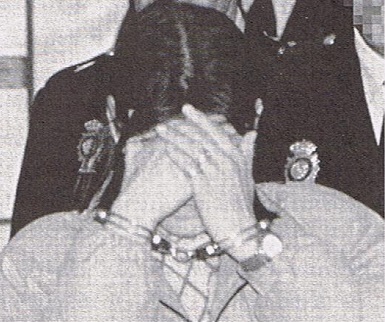
- In May 1994, desperate to silence the relentless internal voices, Escalero threw himself in front of an oncoming truck on the Toledo highway, sustaining catastrophic orthopedic injuries.
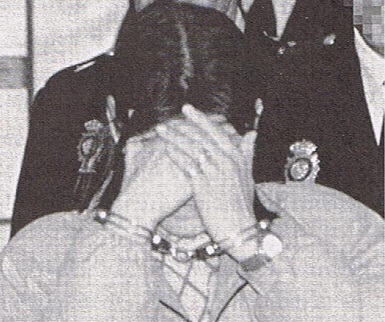
- Transported to Severo Ochoa Hospital in Leganés, he summoned police guards and began an unprompted, exhaustive confession detailing every homicide, including specific geographic landmarks and wound descriptions unknown to the public.
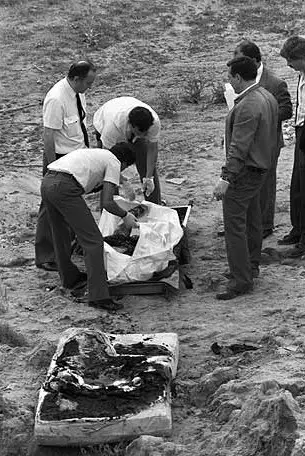
- Police cordons combed the wastelands, successfully unearthing skeletal fragments, scorched skulls, and personal effects matching cold missing-person cases.
5. Trial, Absolute Exemption, and Incarceration
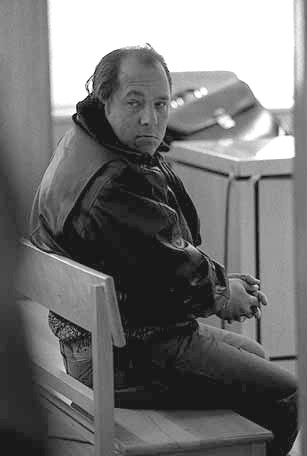
In February 1995, the Madrid Provincial Court heard his case. Forensic psychiatrists unanimously attested that Escalero suffered from profound, incurable paranoid schizophrenia that completely obliterated all volitional and cognitive comprehension.
The court ruled him legally insane (inimputable), ordering his mandatory security confinement within a high-security psychiatric prison hospital for a maximum term of 30 years.
Confined under heavy antipsychotic regimens at Fontcalent Psychiatric Prison in Alicante, Escalero lived in peaceful isolation. On August 19, 2014, at age 60, he died of accidental mechanical asphyxiation due to food aspiration while dining in the therapeutic pavilion.