



Dennis Nilsen: «The Muswell Hill Murderer», the Melrose Avenue Necrophilia, and the Cranley Gardens Drain Forensics
Executive Summary
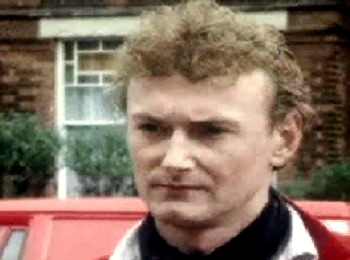
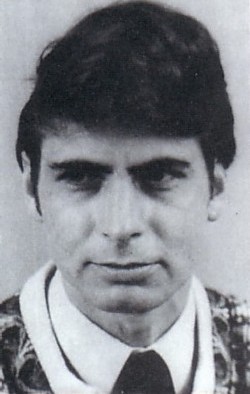
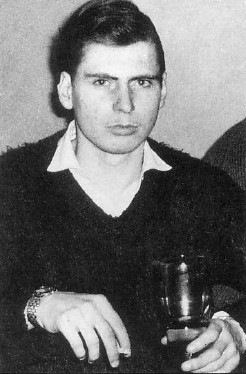
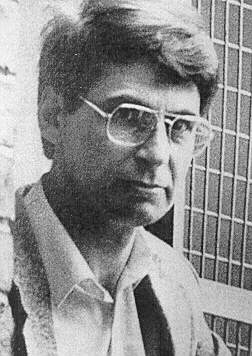
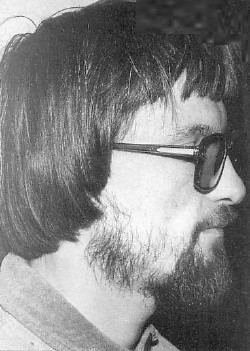
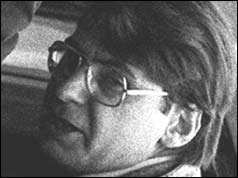
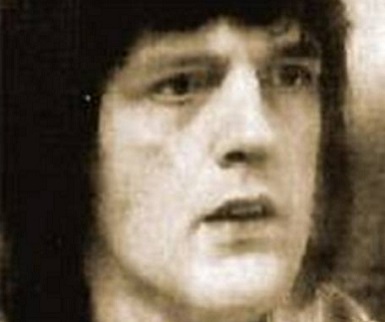
Dennis Andrew Nilsen (born November 23, 1945, in Fraserburgh, Aberdeenshire, Scotland; died May 12, 2018, at HMP Full Sutton, East Riding of Yorkshire), known globally as «The Muswell Hill Murderer» or «The British Jeffrey Dahmer», was a prolific Scottish serial killer and necrophile who murdered at least fifteen young men and boys across North London between 1978 and 1983.
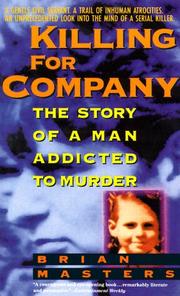
A former British Army soldier, Metropolitan Police officer, and civil servant with the Manpower Services Commission, Nilsen's crimes were driven by a profound pathological loneliness and an obsessive horror of abandonment, immortalized in Brian Masters' definitive biography Killing for Company. Nilsen targeted transient youths, students, hitchhikers, and young men encountered in London pubs, inviting them to his residence with offers of hot food, alcohol, and lodging. Once his guests fell unconscious or slept, Nilsen strangled them with neckties or electrical cables, drowning them in a bathtub if they resisted. He then washed, perfumed, and posed their remains in bed beside him or in armchairs watching television, engaged in postmortem sexual rituals, and concealed the corpses for months under floorboards at 195 Melrose Avenue or in cupboards at 23 Cranley Gardens.
His crimes unraveled in February 1983 when drainage contractor Michael Cattran responded to resident complaints of blocked sewage at Cranley Gardens, discovering putrefied human tissue and bone fragments flushed down toilets after Nilsen boiled the bodies. Detained by Scotland Yard Detective Chief Inspector Peter Jay, Nilsen calmly confessed to slaying «fifteen or sixteen men». Convicted at the Old Bailey of six counts of murder and two attempted murders in November 1983, he received life imprisonment with a whole life order, dying in maximum-security custody in May 2018 after thirty-five years of confinement.
Forensic Technical Matrix
| Parameter | Forensic Detail |
|---|---|
| Legal Identity | Dennis Andrew Nilsen |
| Public Name | Dennis Nilsen («Des») |
| Criminological Aliases | «The Muswell Hill Murderer», «The Kindly Killer», «The Cranley Gardens Butcher» |
| Date of Birth | November 23, 1945 (Fraserburgh, Aberdeenshire, Scotland) |
| Date of Death | May 12, 2018 (HMP Full Sutton, Yorkshire, England; age 72) |
| Vital & Legal Status | Deceased under Whole Life Tariff (Whole Life Order / Deceased) |
| Criminological Classification | Necrophilic serial killer / Organized strangler and body dismemberer |
| Confirmed Fatal Victims | 12 to 15 young men (Stephen Holmes, Kenneth Ockendon, Martyn Duffey, Billy Sutherland, Malcolm Barlow, John Howlett, Graham Allen, Stephen Sinclair, among others) |
| Documented Survivors | Multiple strangulation survivors (Andrew Ho, Douglas Stewart, Paul Nobbs, Carl Stottor) |
| Primary Modus Operandi | Pub lures; heavy alcohol intoxication, ligature strangulation, tub drowning, necrophilic rituals, sub-floor concealment, and boiling/dismemberment |
| Primary Motive | Pathological necrophilia, severe narcissistic loneliness, and obsessive desire for total non-rejecting companion possession |
| Geographic Scenes | 195 Melrose Avenue (Cricklewood) and 23 Cranley Gardens (Muswell Hill), London, UK |
| Investigative Agency | New Scotland Yard (Detective Chief Inspector Peter Jay, Metropolitan Police) |
| Trial Court | Central Criminal Court (Old Bailey, Court No. 1), London; Mr. Justice Croom-Johnson presiding |
| Final Sentence | Mandatory Life Imprisonment (commuted to Whole Life Tariff with no parole) |
| Custodial Facility | Her Majesty's Prison Full Sutton (HMP Full Sutton, East Riding of Yorkshire) |
Early Childhood, Military Service, and Police Career (1945–1978)
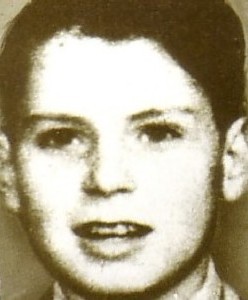
Dennis Nilsen was born in a fishing town in Aberdeenshire, Scotland:
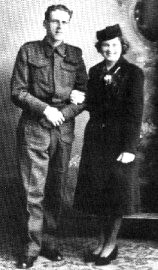
- Raised primarily by his mother and maternal grandparents following his Norwegian father's departure, Nilsen formed a profound emotional attachment to his grandfather. The grandfather's sudden death in 1951 and the open-casket viewing deeply affected the six-year-old child, forging an eroticized psychological association between physical stillness, death, and absolute companionship.
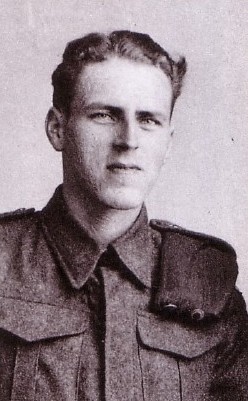
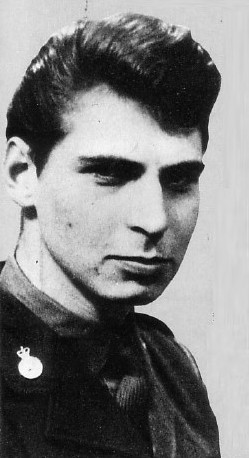
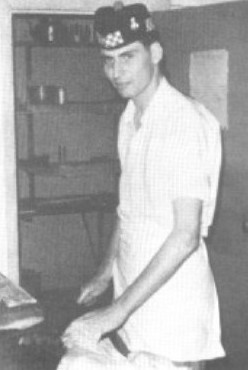
- In 1961, at age fifteen, he enlisted in the British Army as an apprentice cook in the Army Catering Corps, serving for eleven years in West Germany, Cyprus, and the UK. During this period, he acquired advanced butchery and anatomical disarticulation skills.
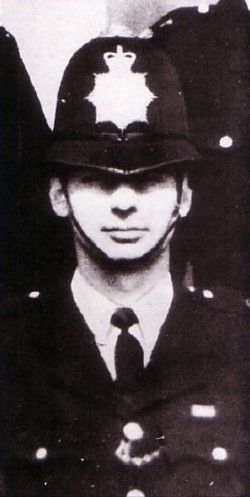
- Discharged from the army in 1972, he joined the Metropolitan Police Service as a uniform constable, serving twelve months before resigning to take an administrative civil service post at the Charing Cross Jobcentre.
- While presenting an outwardly quiet, methodical exterior as an articulate trade unionist, Nilsen struggled with chronic alcoholism and deep-seated identity conflicts regarding his homosexuality in an era of social prejudice.
The Melrose Avenue Phase: Twelve Murders Beneath the Floor (1978–1981)
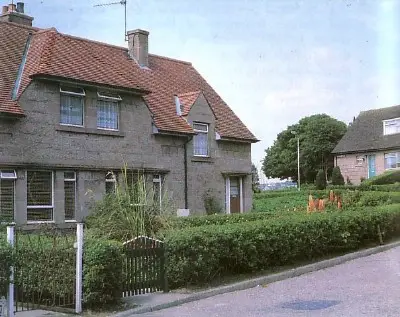
Following the dissolution of a romantic relationship, Nilsen lived alone in the ground-floor garden flat at 195 Melrose Avenue in Cricklewood:
- First Murder (Stephen Holmes, Age 14): On December 30, 1978, Nilsen met Holmes at the Cricklewood Arms pub. After sharing drinks at the flat, Nilsen throttled the sleeping adolescent with a necktie. Awaking the next morning to realize what he had done, Nilsen washed the corpse and stowed it under his floorboards, where it remained for eight months before he burned the bones in a garden bonfire.
- Escalation: Over the following three years, Nilsen killed twelve victims at Melrose Avenue (including Canadian student Kenneth Ockendon, Martyn Duffey, and Billy Sutherland):
- Postmortem Rituals: He bathed and powdered the bodies, dressed them in clean clothing, positioned them beside him in bed, and indulged necrophilic desires.
- Concealment: He lifted floorboards in his living room and bedroom, storing multiple decomposing corpses wrapped in sheets and curtains.
- Disposal: When summer temperatures intensified decomposition odors, Nilsen engaged in massive drinking binges, retrieved the remains, eviscerated soft organs, and incinerated bone and muscle matter on massive backyard bonfires stoked with tires and trash.
The Cranley Gardens Phase: Attic Dismemberment and Boiling (1981–1983)
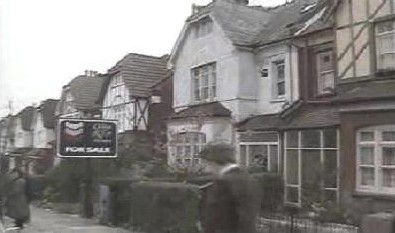
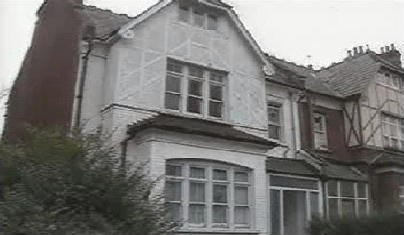
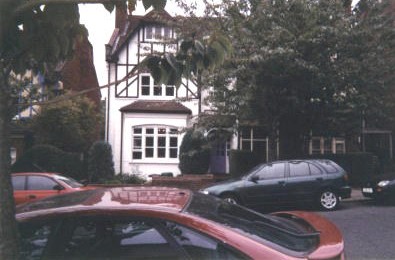
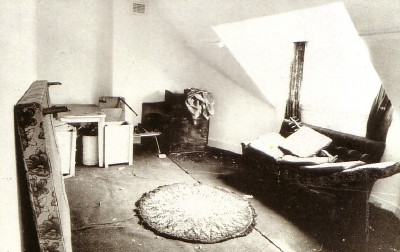
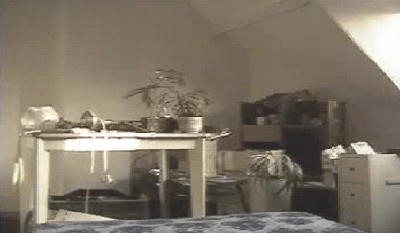
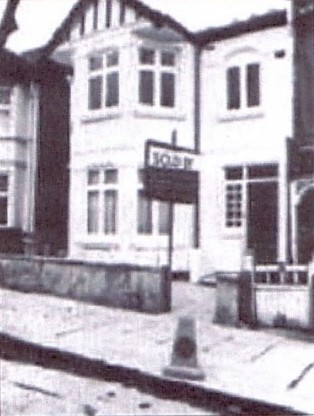
In late 1981, facing landlord redevelopment at Melrose Avenue, Nilsen relocated to the top-floor attic flat at 23 Cranley Gardens, Muswell Hill:
- Deprived of a garden, Nilsen was forced to alter his disposal mechanics.
- He murdered three young men at Cranley Gardens: John Howlett, Graham Allen, and Stephen Sinclair.
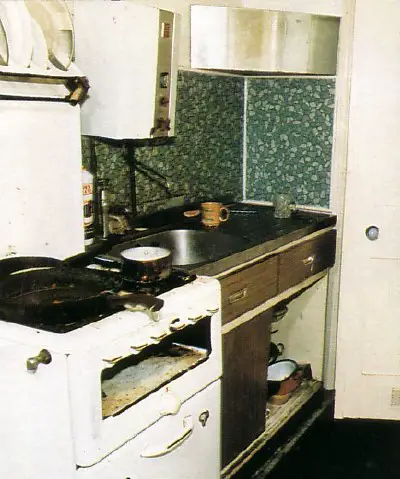
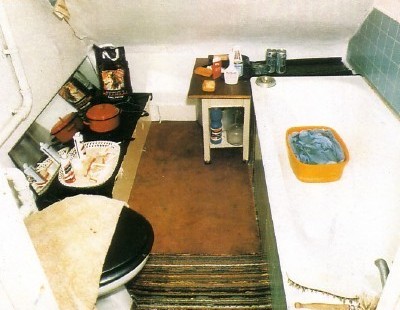
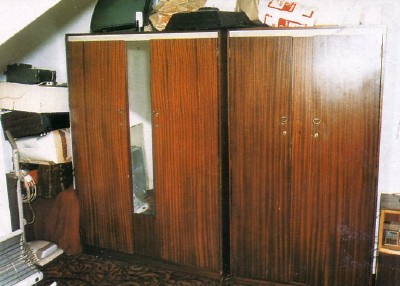
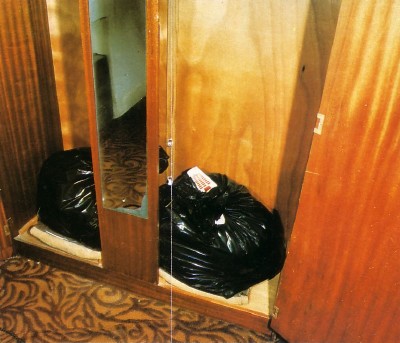
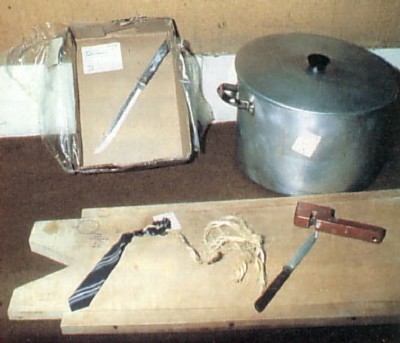
- Anatomical Processing: Nilsen dismembered corpses in the bathtub, boiled heads and limbs in kitchen stockpots to detach flesh from bone, packed torsos into luggage tea chests or plastic bags in his wardrobe, and chopped softer tissues into tiny pieces to flush down his lavatory and plumbing drains.
The Clogged Drain Investigation and Arrest (February 1983)
In early February 1983, residents of lower flats at Cranley Gardens complained of severe drain blockages:
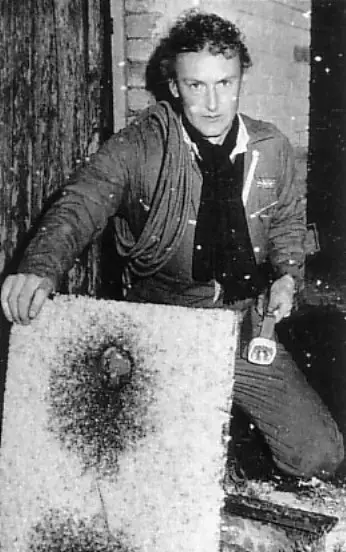
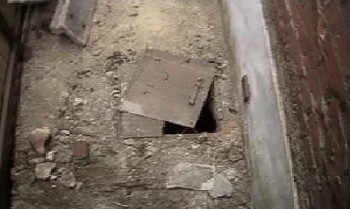
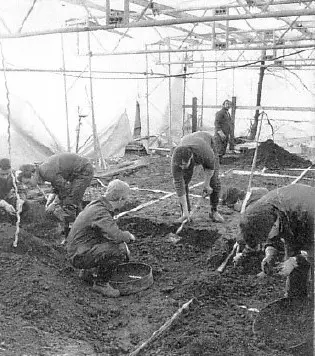
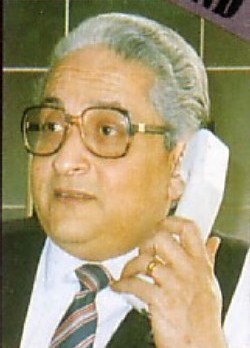
- On February 8, Dyno-Rod drainage engineer Michael Cattran opened an exterior ground inspection chamber and observed a thick, fleshy buildup containing small human phalanges.
- Returning the following morning, February 9, Cattran noted that someone had attempted to clear and flush the blockage overnight. Suspicious, he contacted police.
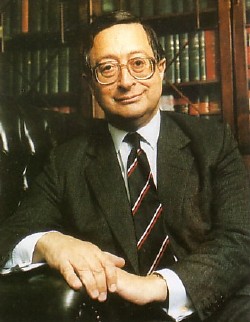
- Renowned forensic pathologist Professor David Bowen examined retrieved tissue samples, confirming that they constituted human flesh.
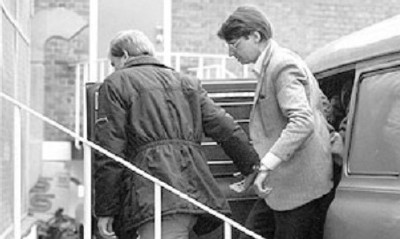
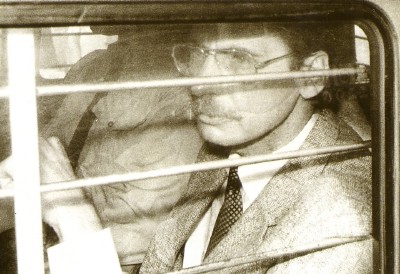
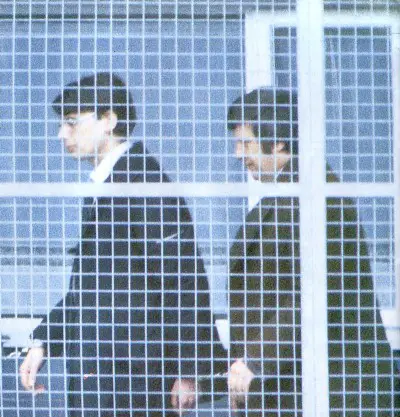
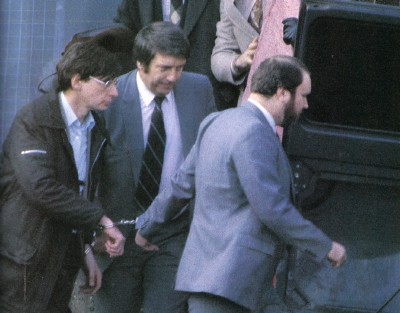
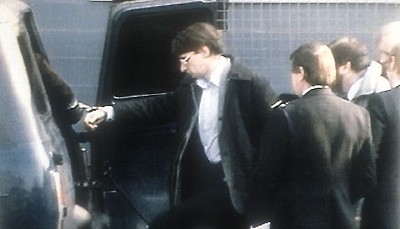
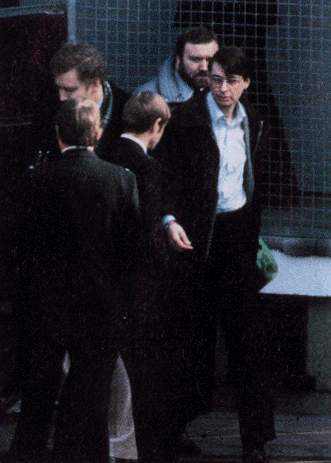
- That evening at 5:40 PM, Detective Chief Inspector Peter Jay ambushed Nilsen upon his return from work. Inquired about the origin of human remains in his drainpipes, Nilsen answered calmly: «It's a long story... I'll tell you everything. It started in 1978. It's fifteen or sixteen, I think».
Old Bailey Trial, Imprisonment, and Death
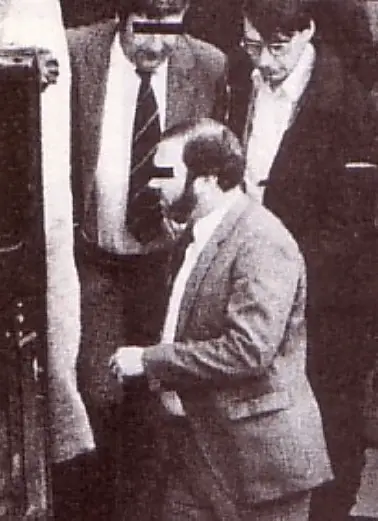
Nilsen stood trial on October 24, 1983, at the Old Bailey before Mr. Justice Croom-Johnson:
- He was charged with six counts of murder and two counts of attempted murder concerning forensic victims who had been definitively identified.
- The defense entered a plea of diminished responsibility, claiming an abnormality of mind impaired his mental responsibility under the Homicide Act.
- Crown prosecutors countered that Nilsen demonstrated meticulous foresight, methodical planning, and calculating cunning in procuring and eliminating his victims.
- On November 4, 1983, the jury convicted him on all counts. He received life imprisonment with a 25-year minimum recommendation, later upgraded by the Home Secretary to a Whole Life Tariff.
- Nilsen served his sentence at HMP Wormwood Scrubs, Parkhurst, Wakefield, and Full Sutton. He died on May 12, 2018, at age 72, following a ruptured abdominal aortic aneurysm.