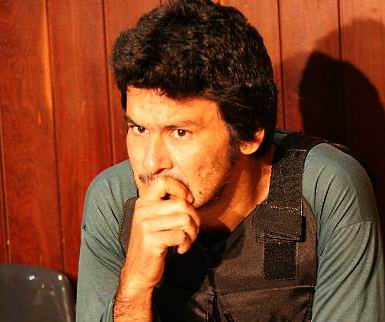





Forensic & Criminological Matrix
| Parameter | Forensic Detail |
|---|---|
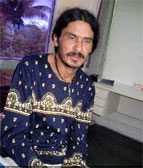
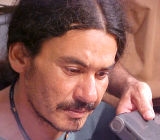
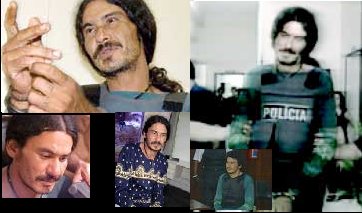
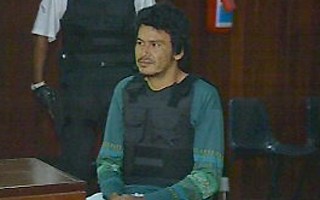
| Identity | José Vicente Matías |
| Known Aliases | "Corumbá", "The Monster of Morro de São Paulo" |
| Criminal Classification | Serial killer, predatory rapist, ritual cannibal, and necrophile |
| Date of Birth | 1966 (Minas Gerais, Brazil) |
| Legal Status | Incarcerated, serving an aggregate sentence exceeding 100 years in the Goiás State Penitentiary System, Brazil |
| Criminal Indictment | Convicted across multiple jurisdictions of aggravated first-degree murder, violent rape, necrophilia, and concealment of corpses |
| Fatalities | At least 6 confirmed female victims (including international tourists and domestic backpackers) |
| Crime Scenes | Pirenópolis and Goiânia (Goiás), Morro de São Paulo (Bahia), Minas Gerais, and Ceará, Brazil |
| Active Period | 1999 – 2006 |
| Modus Operandi | Infiltrating eco-tourism and backpacker colonies under the guise of an itinerant bohemian artisan (hippie artesão), gaining the trust of solo female travelers, luring them to remote trails or deserted beaches, blunt-force cranial bludgeoning with river stones, violent sexual assault, manual strangulation, post-mortem dismemberment, ritual anthropophagy (drinking blood and consuming soft tissue), and subsoil concealment in dunes or coastal jungle. |
| Motive | Psychopathic sexual sadism, predatory sexual obsession, ritualized vital energy delusions, and necrophilia. |
| Current Status | Incarcerated under strict closed-regime confinement. |
Forensic Synopsis and Criminological Context
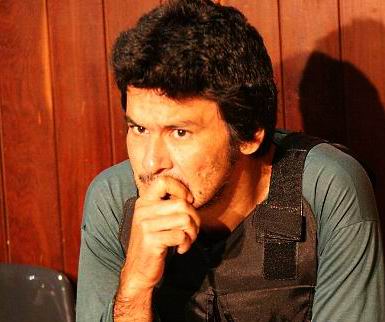
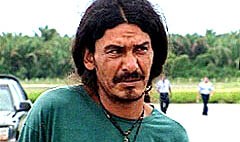
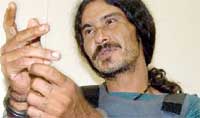
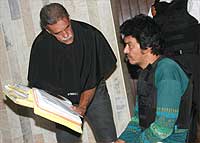
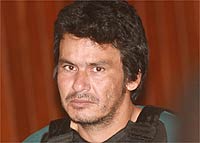
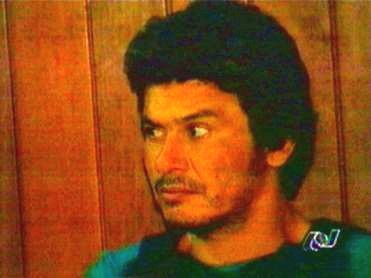
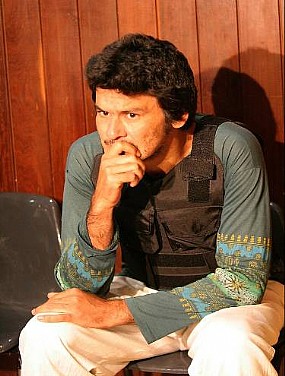
The case of José Vicente Matías, widely known as "Corumbá", represents one of the most violent and diplomatically sensitive serial murder files in modern South American criminology. Blending seamlessly into Brazil's popular backpacker trail by crafting handmade leather goods and seed necklaces, Matías stalked, violated, murdered, and cannibalized at least six women between 1999 and 2006.
The case exploded into international media attention in March 2006 with the recovery of the mutilated remains of 27-year-old Spanish biologist Nuria Fernández Collada in the coastal paradise of Morro de São Paulo, Bahia. The coordinated inter-state investigation by Brazilian Civil and Federal Police unmasked a cross-country murder trail spanning several Brazilian states, marked by necrophilic mutilations and ritual cannibalism.
The Nomadic Artisan Facade: 1999–2005
Originating from rural Minas Gerais, Matías spent years drifting across ecological hostels and alternative communes:
- The Modus: Presenting an unassuming, soft-spoken bohemian persona, he offered private guided treks to isolated waterfalls and hidden coves inaccessible to ordinary tourists.
- The Goiás Murders: Between 1999 and 2004, he murdered Brazilian traveler Lídia de Oliveira Cotta (22), teenager Natasha Silva Ferreira (15), and German tourist Katryn Raquel Hermany (23) in Pirenópolis and Goiânia, smashing their skulls with stones and burying them in scrubland.
- Ritual Cannibalism: Forensic psychiatric interviews revealed that Matías claimed internal demonic promptings commanded him to slay young women to drink their blood and ingest bodily tissue to absorb their youth and vitality.
The Murder of Nuria Fernández Collada (2006)
In early 2006, Matías relocated to Morro de São Paulo, an isolated island in Bahia:
- The Encounter: Nuria Fernández Collada, a Spanish biologist from Barcelona, was vacationing along the Bahian coast. On March 24, 2006, she encountered Corumbá on the beach, who offered to guide her to the secluded Gamboa cove.
- The Fatal Attack: In an isolated mangrove inlet, Matías shattered her cranium with a stone, sexually assaulted her, and throttled her. He partially dismembered her body and buried the remains in a shallow sand dune.
- The Escape: He fled the island bearing the victim's mobile phone, camera, and bank cards.
Interception, Digital Tracking, and Body Recoveries
Nuria’s disappearance prompted intensive diplomatic pressure from Spanish authorities:
- Cell Phone Triangulation: Police investigators tracked signal pings from the victim’s stolen phone, charting Corumbá’s flight westward into the state of Goiás.
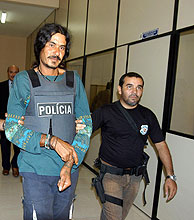
- The Arrest (March 2006): Officers captured Matías in the rural municipality of Piracanjuba, recovering Nuria's digital equipment and jewelry from his rucksack.
- Forensic Revelations: Confronted with evidence, Corumbá detailed his murders, personally leading forensic teams to burial plots across Bahia and Goiás to exhume skeletal remains.
Trials and Multi-Decade Sentences
Due to the multi-state nature of his crimes, Corumbá stood trial before multiple jury courts:
- Bahia Court (2008): Sentenced to 23 years in closed custody for the aggravated homicide, rape, and burial of Nuria Fernández Collada.
- Goiás Convictions: Subsequent trials in Goiânia and Pirenópolis between 2008 and 2013 for the murders of Katryn Hermany, Lídia Cotta, Natasha Ferreira, and Mary Akemi Nakagome yielded cumulative sentences exceeding 100 years.
- Psychiatric Sanity: State forensic psychiatrists ruled Matías possessed full legal sanity and criminal responsibility, identifying pure psychopathic sadism and paraphilic perversion.