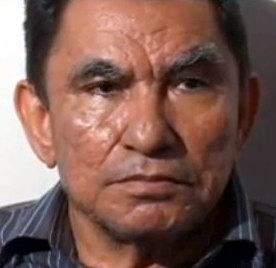
Forensic & Criminological Matrix
| Parameter | Forensic Detail |
|---|---|
| Forensic Heading / Aliases | None |
| Legal Identity | Anisio Ferreira de Sousa |
| Confirmed Victims | 3 |
| Attributed / Indicted Victims | 19 |
| Active Timeline | 1989-1993 |
| Jurisdiction / Area of Operations | Altamira, Pará, Brazil |
| Criminological Classification | Serial Killer / Ritualistic |
| Forensic Modus Operandi | Kidnapping, torture, genital and ocular mutilation |
| Weapon / Mechanism of Death | Surgical instruments and bladed weapons |
| Motive / Behavioral Dynamics | Sectarian ritualism (Superior Universal Alignment) |
| Judicial Outcome | Sentenced to 77 years in prison |
1. Background and Profile
Anisio Ferreira de Sousa was a physician practicing in the Amazonian town of Altamira, Pará. His case gained international notoriety due to his involvement with the 'Superior Universal Alignment' sect, led by Valentina de Andrade. The group allegedly operated under the belief that children born after 1981 were possessed by the devil.
2. Criminal Career and Modus Operandi
Between 1989 and 1993, multiple children aged 8 to 13 disappeared in Altamira. The victims were subjected to horrific torture, including genital mutilation and eye gouging. The ritualistic nature of the crimes suggested a systematic approach to human sacrifice, with victims often found in remote forest areas.
3. Investigation and Arrest
The investigation faced significant hurdles due to the influence of local elites. A breakthrough occurred when an evangelical pastor testified about witnessing satanic rituals at De Sousa's residence. Two survivors who escaped after being mutilated provided critical eyewitness testimony that directly linked the doctor to the crimes.
4. Legal Proceedings and Outcome
The trial was moved to Belém to ensure judicial independence. In 2003, Ferreira de Sousa was sentenced to 77 years in prison for the murder of three boys and the attempted murder of two others. The trial was hailed as a landmark case in Brazil's efforts to combat impunity in remote regions.
5. Forensic Conclusion
The conviction of Ferreira de Sousa remains a significant case study in the intersection of organized crime, religious extremism, and judicial reform in Brazil.