Forensic & Criminological Matrix
| Parameter | Forensic Detail |
|---|---|
| Forensic Heading / Aliases | The Molalla Forest Killer |
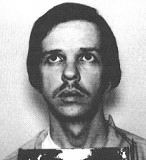
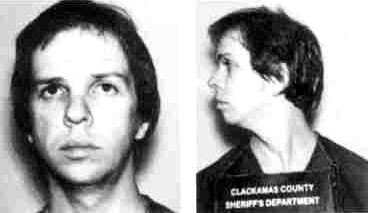
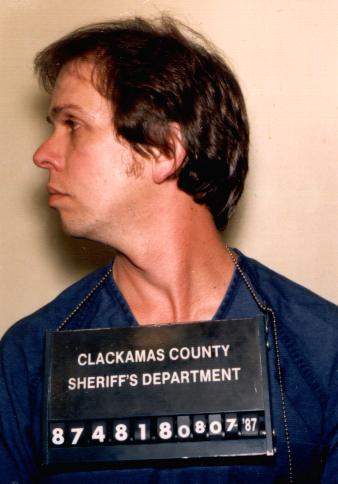
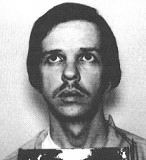
| Legal Identity | Dayton Leroy Rogers |
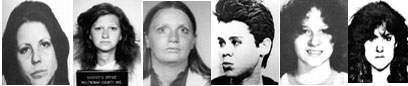
| Confirmed Victims | 7 |
| Attributed / Indicted Victims | 8 |
| Active Timeline | 1972-1987 |
| Jurisdiction / Area of Operations | Oregon, USA |
| Criminological Classification | Sexual Serial Killer |
| Forensic Modus Operandi | Abduction, bondage, torture, mutilation, and stabbing |
| Weapon / Mechanism of Death | Hunting knife, machete, blunt force |
| Motive / Behavioral Dynamics | Sexual sadism, foot fetishism, antisocial personality disorder |
| Judicial Outcome | Death sentence (subject to multiple appeals/resentencing) |
1. Background and Psychopathy
Born in 1953, Dayton Leroy Rogers exhibited early signs of violent tendencies. His criminal career began in his teens, characterized by escalating violence against women. Despite multiple arrests for assault and rape, the judicial system repeatedly failed to contain him, leading to his eventual transition into serial homicide.
2. Crime Spree
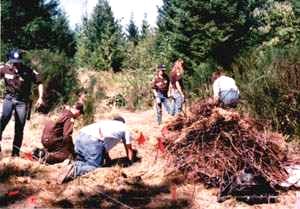
Rogers targeted sex workers, luring them into his pickup truck. He subjected them to prolonged torture, bondage, and mutilation. The discovery of seven bodies in the Molalla Forest in 1987 exposed the horrific nature of his crimes, which included the surgical removal of victims' feet.
3. Investigation and Arrest
Following the murder of Jennifer Smith in August 1987, witnesses provided crucial information that led to Rogers' arrest. Forensic evidence, including bloodstains in his vehicle and personal items belonging to victims found in his workshop, solidified the case against him.
4. Legal Proceedings and Outcome
Rogers faced multiple trials. He was convicted of aggravated murder and sentenced to death in 1989. His legal history is marked by numerous appeals and resentencing hearings, reflecting the complexities of Oregon's capital punishment laws.