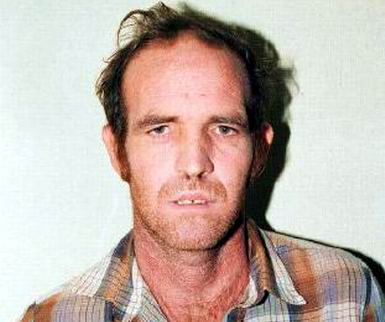






Arthur Shawcross: «The Genesee River Killer» and the Rochester Strangler
Executive Summary
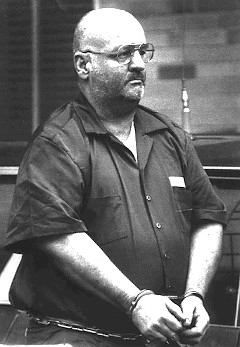
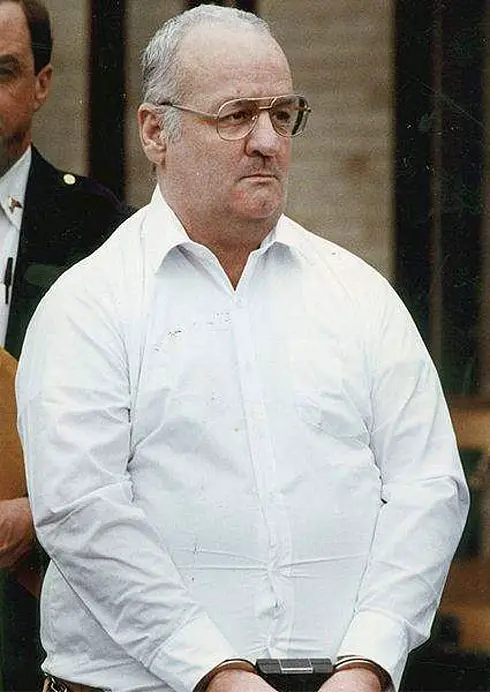
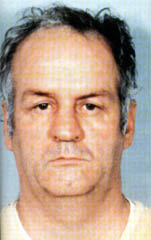
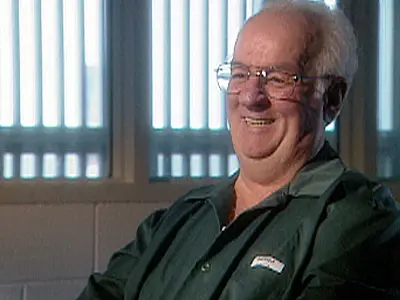
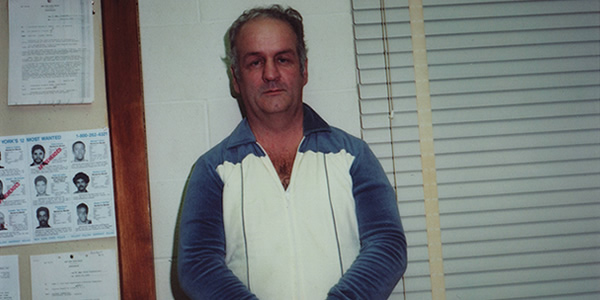
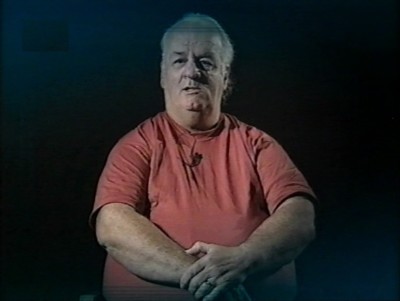
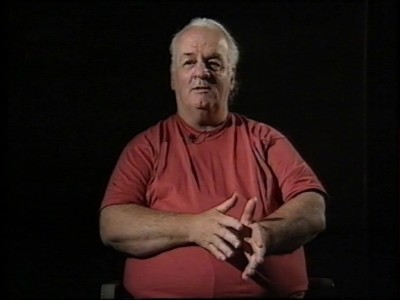
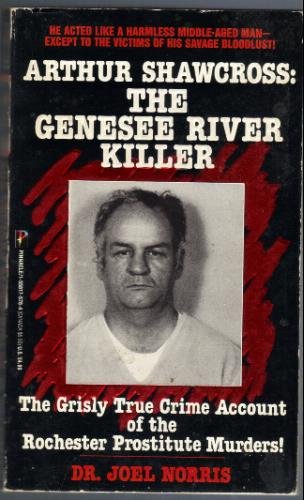
Arthur John Shawcross (1945 – 2008), known in American criminological annals as «The Genesee River Killer» and «The Rochester Strangler», was a serial killer convicted of the murders of at least fourteen individuals across New York State across two distinct criminal waves separated by a controversial parole release.
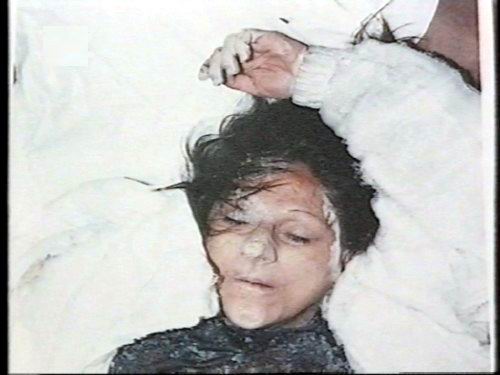
After serving just 14 years of a 25-year sentence for two 1972 child murders in Watertown, Shawcross was granted early parole in 1987 due to flawed institutional risk assessments by the New York State Parole Board. Resettled in Rochester, between March 1988 and January 1990 he unleashed a murder spree targeting vulnerable women and street sex workers along Lyell and Lake Avenues, strangling eleven victims and mutilating their bodies before dumping them in woodland tracts along the Genesee River and Monroe County waterways.
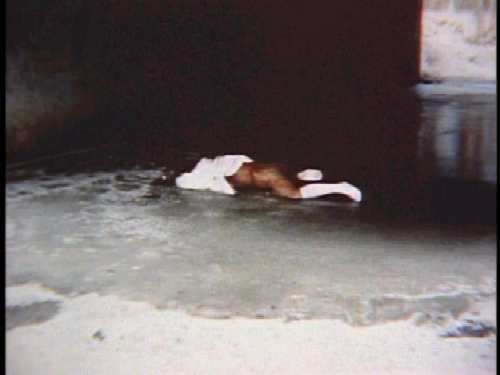
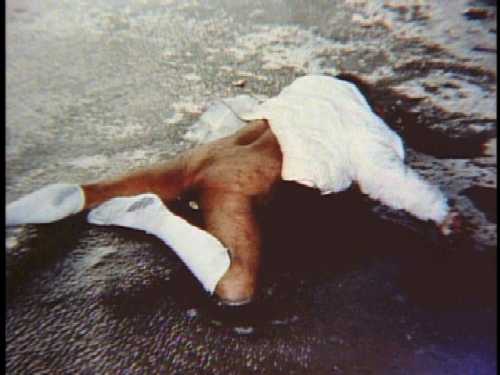
His apprehension in January 1990—achieved when a state police surveillance helicopter spotted him lingering near the fresh body of his final victim on a frozen bridge—led to a nationally televised capital trial in Monroe County. The defense unsuccessfully argued post-traumatic stress disorder from Vietnam and multiple personality disorder. Found fully culpable, he was sentenced to 250 years in prison and died of cardiac arrest at Albany Medical Center on November 10, 2008.
Forensic & Criminological Matrix
| Parameter | Forensic Detail |
|---|---|
| Legal Identity | Arthur John Shawcross |
| Criminological Aliases | "The Genesee River Killer" / "The Rochester Strangler" |
| Date of Birth | June 6, 1945 (Kittery, Maine, U.S.) |
| Date of Death | November 10, 2008 (Aged 63; cardiac arrest at Albany Medical Center, NY) |
| Criminological Classification | Organized Serial Killer / Recidivist Sex Predator / Necrosadist |
| Confirmed Fatalities | 14 victims (2 in Watertown in 1972; 11 in Rochester 1988–1990; 1 prior) |
| Geographic Locations | Jefferson, Monroe, and Wayne Counties (New York State) |
| Lethal Mechanics | Ligature and manual strangulation; blunt force cranial trauma |
| Lead Prosecutors & Detectives | First Assistant DA Charles Siragusa; Major Thomas Lowney (NYSP) |
| Judicial Disposition | Sentenced to 250 years imprisonment without parole in November 1990 |
| Custodial Status | Deceased while in correctional custody (Sullivan Correctional Facility) |
Background and the 1987 Parole Scandal
Shawcross served as a supply clerk in the U.S. Army during the Vietnam War (1967–1968), later concocting elaborate combat fantasies to explain his violent compulsions.
In 1972, Shawcross committed two child murders in Watertown, New York. To avoid a complex trial, prosecutors accepted a manslaughter plea, and he received a 25-year sentence at Attica State Prison.
Despite severe psychopathic indicators, in April 1987 the New York State Parole Board granted him early release after 14 years. Rejected by several municipalities following public protests, the Department of Correctional Services quietly relocated him to Rochester.
The Genesee River Murders (1988–1990)
Within months of arriving in Rochester, Shawcross resumed predatory cruising along Lyell Avenue:
- Dorothy Blackburn (27) – March 18, 1988: Strangled and found in the Genesee River.
- Anna Marie Steffen (28) – July 9, 1988: Strangled and left in Hamlin woodlands.
- Dorothy Keller (59) – July 29, 1989: Found along a river embankment with ligature marks.
- Patricia Ives (25) – October 29, 1989: Body discovered in Churchville brush.
- June Cicero (34) – December 17, 1989: Strangled and stripped of outerwear.
- Darlene Trippi (32), Frances Brown (22), Kim Logan (30), Elizabeth Gibson (39), and June Stott (30): Strangled in rapid succession between autumn 1989 and January 1990, discarded in frozen marshes and riverbanks.
Helicopter Surveillance and Arrest
In December 1989, a joint Rochester Police and New York State Police Task Force was formed. Profilers noted the killer returned to disposal sites to view or relocate bodies:
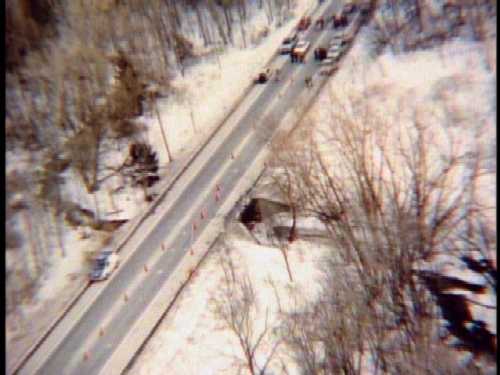
- On January 3, 1990, during an aerial sweep over frozen waterways, a State Police helicopter crew spotted a brown Dodge Omni parked on a bridge over Salmon Creek near Parma.
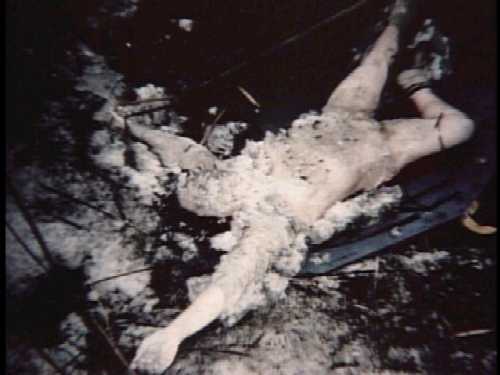
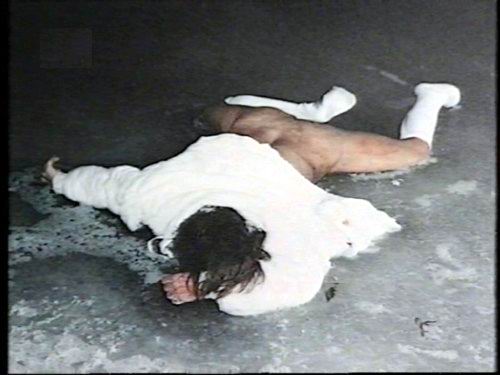
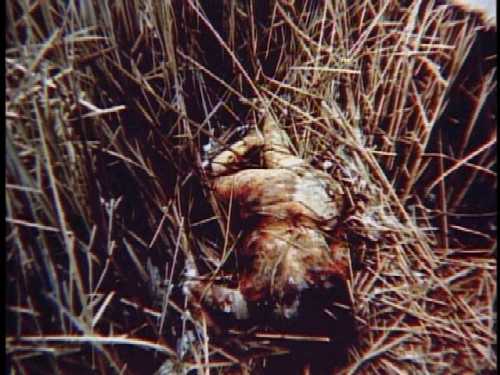
- The observer watched a man urinating off the bridge; moments later, ground patrols found the warm, semi-nude body of June Stott hidden in snow below the trestle.
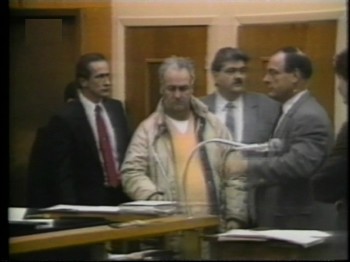
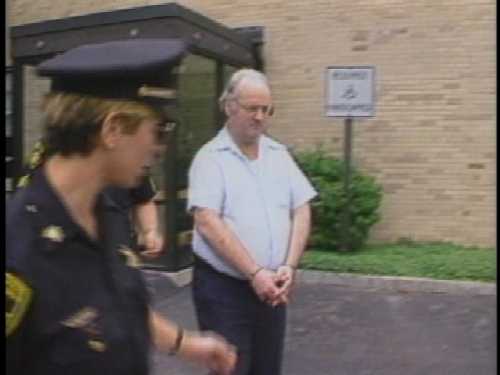
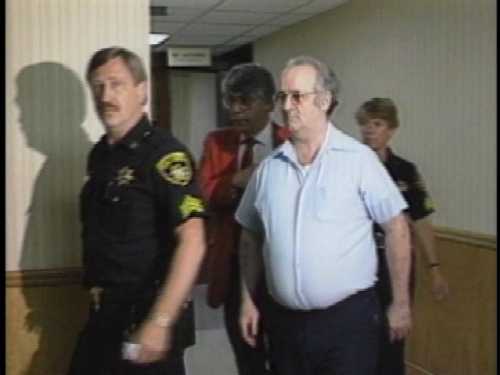
- Running the plates, detectives identified Shawcross. Following 48 hours of covert tracking, he was arrested on January 5, 1990, subsequently confessing to the murders and sketching maps to undiscovered burial locations.
Trial and Confinement
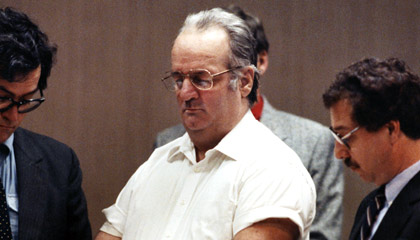
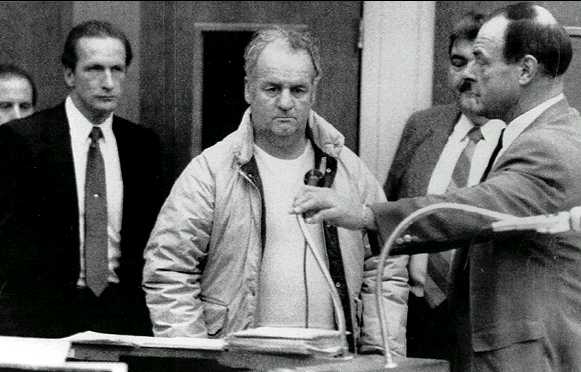
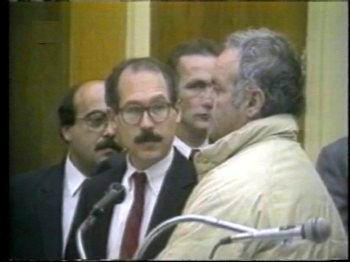
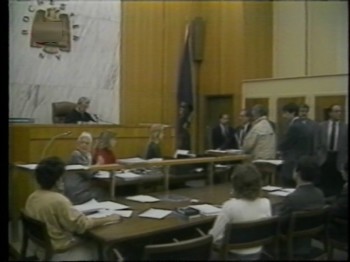
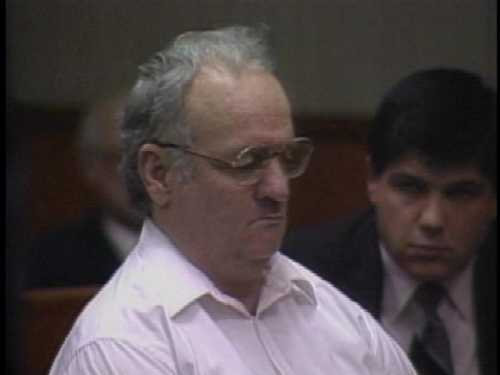
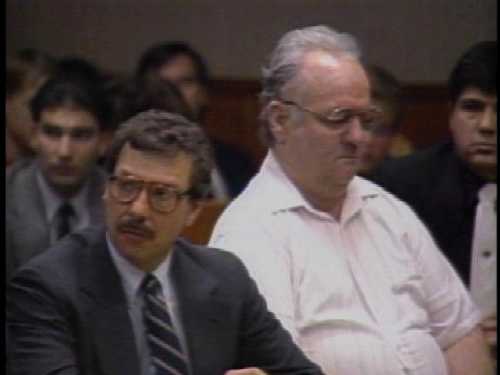
The trial opened in Monroe County in 1990, prosecuted by First Assistant District Attorney Charles Siragusa:
- Defense psychiatrist Dr. Dorothy Otnow Lewis argued Shawcross suffered from multiple personality disorder and Vietnam-related PTSD.
- Prosecutor Siragusa dismantled the defense by presenting military records proving Shawcross had never seen front-line combat. Renowned FBI profiler Robert Ressler testified Shawcross was an organized sadistic psychopath.
- In November 1990, the jury convicted him of ten counts of first-degree murder, and the court imposed 250 years in prison.
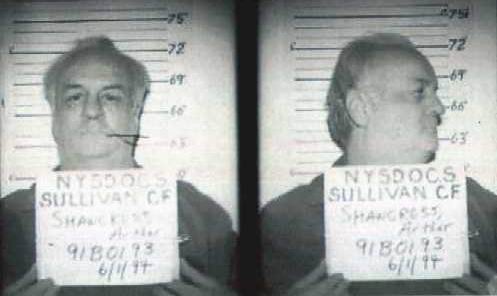
Shawcross was transferred to Sullivan Correctional Facility. On November 10, 2008, following cardiac collapse, he died at Albany Medical Center at age 63.