Forensic & Criminological Matrix
| Parameter | Forensic Detail |
|---|---|
| Forensic Heading / Aliases | N/A |
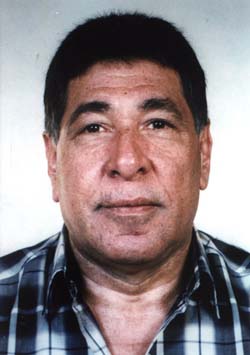
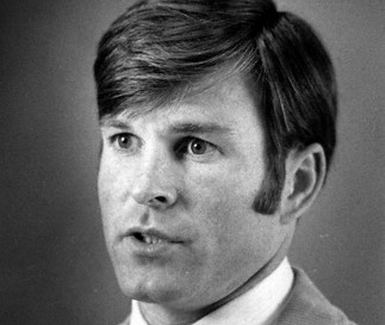
| Legal Identity | Thomas G. Doty |
| Confirmed Victims | 45 |
| Attributed / Indicted Victims | 45 |
| Active Timeline | May 22, 1962 |
| Jurisdiction / Area of Operations | Iowa/Missouri airspace, USA |
| Criminological Classification | Suicide bomber / Mass murderer |
| Forensic Modus Operandi | Dynamite explosion in aircraft lavatory |
| Weapon / Mechanism of Death | 6 sticks of dynamite |
| Motive / Behavioral Dynamics | Insurance fraud / Legal evasion |
| Judicial Outcome | Deceased (suicide) |
1. Background and Profile
Thomas G. Doty was a married man with a five-year-old daughter. At the time of the incident, he was facing significant legal trouble, having been recently arrested for armed robbery with a preliminary hearing pending. His actions indicate a calculated attempt to solve his financial and legal crises through a catastrophic act.
2. Crime Spree
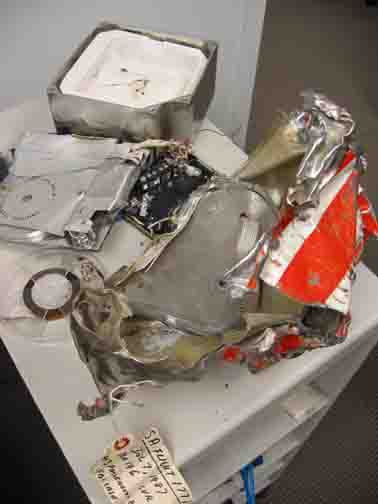
On May 22, 1962, Doty boarded Continental Airlines Flight 11. He had purchased six sticks of dynamite shortly before the flight. Once airborne, he placed the explosives in the used towel bin of the right rear lavatory. The resulting explosion at 21:17 caused the mid-air breakup of the Boeing 707, killing all 45 people on board.
3. Investigation and Forensic Hunt
The Civil Aeronautics Board and the FBI conducted a meticulous investigation. By reconstructing the aft fuselage, investigators identified the lavatory as the source of the explosion. Chemical analysis confirmed the use of dynamite. Financial records showed Doty had purchased $300,000 in life insurance shortly before the flight.
4. Legal Proceedings and Outcome
No legal proceedings were initiated against Doty as he died in the crash. The investigation officially determined the crash was a criminal act. The case remains a landmark in aviation security history.
5. Psychiatric Assessment and Conclusion
Doty's actions reflect a premeditated act of extreme desperation. His death in the crash he caused precluded any criminal trial, leaving the investigation as the final record of his culpability.