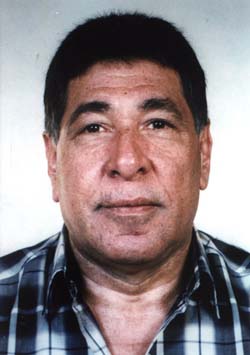




Forensic & Criminological Matrix
| Parameter | Forensic Detail |
|---|---|
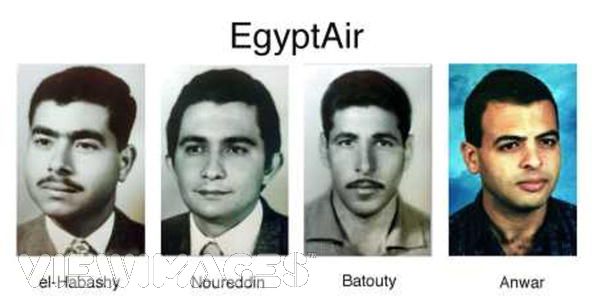
| Forensic Heading / Aliases | Gameel Al-Batouti / El Batouty |
| Legal Identity | Gameel Al-Batouti |
| Confirmed Victims | 216 passengers and crew (plus the pilot himself) |
| Active Timeline | October 31, 1999 |
| Jurisdiction / Area of Operations | Atlantic Ocean, off Nantucket Island, Massachusetts, USA |
| Criminological Classification | Murder-suicide / Aviation saboteur |
| Forensic Modus Operandi | Intentional disconnection of autopilot and activation of elevator flight controls to force a steep dive, accompanied by repeated religious invocations |
| Weapon / Mechanism of Death | Commercial aircraft Boeing 767-366ER (EgyptAir Flight 990) |
| Motive / Behavioral Dynamics | Recent disciplinary reprimand, professional frustration, and severe personal stress regarding his daughter's illness |
| Judicial Outcome | Investigation closed due to the perpetrator's death in the act (homicide-suicide ruling by the NTSB; contested by Egyptian civil aviation authorities) |
1. Background and Profile
Gameel Al-Batouti was born in Egypt into an affluent and socially prominent family. His father served as a mayor and landowner, and his relatives enjoyed high levels of education and financial stability. Al-Batouti was married and had five children. His youngest daughter, Aya, suffered from lupus and underwent specialized medical treatment in Los Angeles, creating significant financial and emotional strain for the pilot despite assistance provided by EgyptAir and his colleagues.
Professionally, Al-Batouti served in the Egyptian military, training as a pilot and flight instructor, and participated in armed conflicts including the 1967 Six-Day War and the 1973 Yom Kippur War. He joined EgyptAir on September 8, 1987, logging over 12,000 flight hours throughout his career. However, he failed to advance to captain due to insufficient English proficiency required for the Airline Transport Pilot (ATP) exam. He chose to remain a senior first officer to secure preferred flight schedules that accommodated his family obligations.
2. Crime Spree
On October 31, 1999, Al-Batouti served as the relief first officer aboard EgyptAir Flight 990, operating a Boeing 767-366ER from John F. Kennedy International Airport in New York to Cairo International Airport.
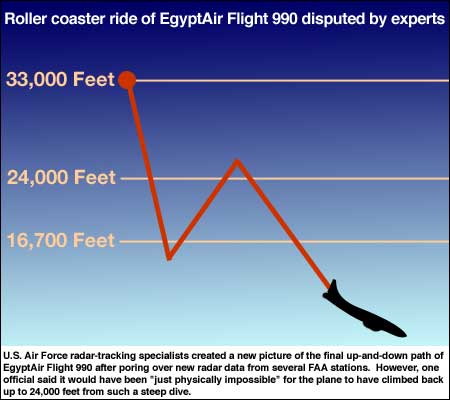
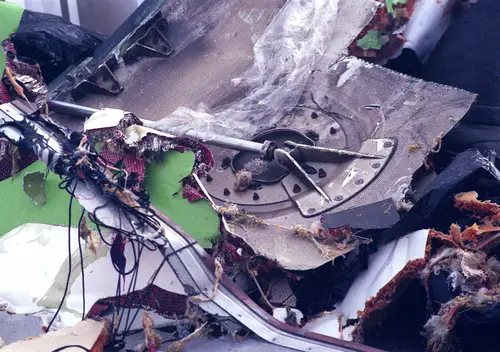
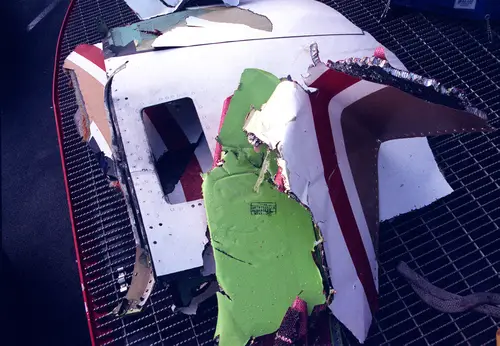
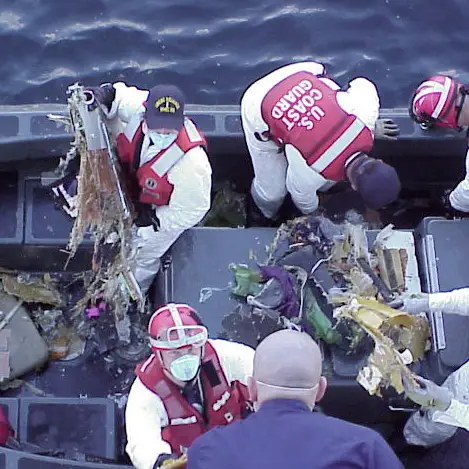
After takeoff and once the captain left the cockpit for a scheduled break, Al-Batouti took control of the aircraft. According to the U.S. National Transportation Safety Board (NTSB), he disconnected the autopilot, reduced engine thrust, and pushed the aircraft's nose downward, initiating a steep dive. During the descent, while the captain rushed back and attempted to recover control, cockpit voice recorders captured Al-Batouti repeatedly reciting, "I rely on God." The aircraft crashed into the Atlantic Ocean approximately 60 miles southeast of Nantucket Island, resulting in the instant death of all 217 occupants on board.
3. Investigation and Arrest
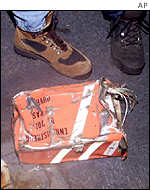
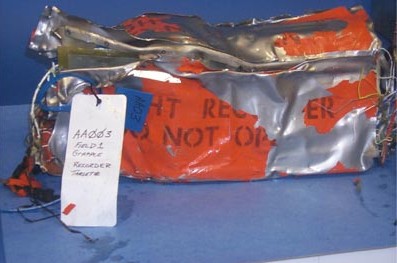
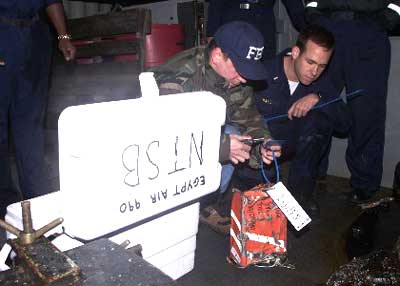
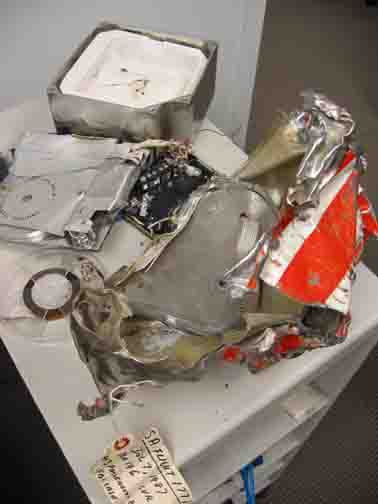
The investigation was led by the U.S. NTSB in cooperation with the Egyptian Civil Aviation Authority (ECAA) and international forensic and security agencies, including the FBI. The recovery of the flight data recorder and cockpit voice recorder provided critical data to reconstruct the final minutes of the flight.
Investigators uncovered that Al-Batouti had reportedly received a disciplinary reprimand regarding inappropriate behavior at a New York hotel, which threatened to revoke his U.S. flight privileges, making Flight 990 his final scheduled trip to the United States. While U.S. investigators concluded the event was a deliberate act by the relief first officer, Egyptian authorities strongly disputed this finding, attributing the disaster to a mechanical failure in the elevator control system.
4. Legal Proceedings and Outcome
Because the perpetrator died during the commission of the act, no formal criminal trial took place. The NTSB issued its final report in March 2002, determining that the probable cause of the accident was the aircraft's departure from normal cruise flight resulting from the relief first officer's flight control inputs, though the underlying psychological motivation remained undetermined.
Conversely, the ECAA report suggested possible mechanical defects in the Boeing 767 elevator power control units. The tragedy catalyzed sweeping international reviews of cockpit security protocols and airline pilot psychological monitoring systems worldwide.
5. Psychiatric Assessment and Aftermath
From a criminological standpoint, Al-Batouti's actions align with mass murder-suicide dynamics within critical infrastructure sectors. Pressures surrounding his impending mandatory retirement, personal distress over his daughter's severe illness, professional stagnation, and an imminent disciplinary fallout culminated in severe psychological decompensation. By intentionally downing the aircraft, Al-Batouti brought about his own death alongside 216 innocent victims, marking one of the most thoroughly analyzed aviation disasters in modern history.