



Forensic & Criminological Matrix
| Parameter | Forensic Detail |
|---|---|
| Forensic Heading / Aliases | N/A |
| Legal Identity | John C. Salvi III |
| Confirmed Victims | 2 |
| Attributed / Indicted Victims | 2 |
| Active Timeline | December 30, 1994 |
| Jurisdiction / Area of Operations | Brookline, Massachusetts, USA |
| Criminological Classification | Anti-abortion terrorist / Spree killer |
| Forensic Modus Operandi | Targeted shooting of clinic staff using a .22-caliber rifle |
| Weapon / Mechanism of Death | Sturm Ruger .22-caliber semiautomatic rifle |
| Motive / Behavioral Dynamics | Extremist ideology and paranoid schizophrenia |
| Judicial Outcome | Life imprisonment without parole (conviction vacated post-mortem) |
1. Background and Profile
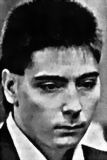
John C. Salvi III was born on March 2, 1972. Prior to his criminal actions, he worked as a hairdresser in Hampton, New Hampshire. His psychological profile was a central point of contention during his trial, with defense experts arguing he suffered from paranoid schizophrenia, citing his delusions regarding the Mafia, the KKK, and the Freemasons.
2. Crime Spree
On December 30, 1994, Salvi executed attacks on two Planned Parenthood clinics in Brookline, Massachusetts. He fatally shot receptionists Shannon Lowney and Lee Ann Nichols. He also wounded five others. Witnesses reported him shouting anti-abortion slogans during the attacks, demonstrating a clear ideological motive behind his actions.
3. Investigation and Arrest
Following the second shooting, a security guard returned fire, causing Salvi to flee and abandon a bag containing a second firearm and 700 rounds of ammunition. A gun shop receipt found within the bag allowed law enforcement to identify him. He was apprehended the following day in Norfolk, Virginia, after attempting a similar attack at a local clinic.
4. Legal Proceedings and Outcome
Salvi was found guilty of two counts of first-degree murder and five counts of armed assault with intent to murder on March 19, 1996. Despite his defense team's insanity plea, he was sentenced to life in prison without parole. His conviction was later vacated by the presiding judge, Barbara Dortch-Okara, following his death, in accordance with the legal principle that a conviction cannot stand if the defendant dies before appeals are exhausted.
5. Psychiatric Evaluation and Death
While the prosecution's expert, Dr. Joel Haycock, deemed Salvi competent to stand trial, his mental state remained a subject of intense debate. Salvi was found dead in his prison cell on November 29, 1996. The official ruling was suicide, though the unusual circumstances of his death—including reports of his hands and feet being bound—led to significant public skepticism and controversy.