



Forensic & Criminological Matrix
| Parameter | Forensic Detail |
|---|---|
| Forensic Heading / Aliases | David Burke |
| Legal Identity | David Augustus Burke |
| Confirmed Victims | 42 (including passengers, crew, and perpetrator) |
| Attributed / Indicted Victims | 42 |
| Active Timeline | December 7, 1987 |
| Jurisdiction / Area of Operations | PSA Flight 1771 (Los Angeles to San Francisco route, California) |
| Criminological Classification | Mass murderer / Aviation suicide terrorist |
| Forensic Modus Operandi | Clandestine smuggling of a .44 Magnum revolver using employee credentials to bypass routine security checkpoints, boarding a commercial flight, breaching the cockpit in-flight, assassinating the flight crew, and intentionally crashing the aircraft. |
| Weapon / Mechanism of Death | .44 Magnum revolver and kinetic aircraft sabotage |
| Motive / Behavioral Dynamics | Workplace vengeance following termination for theft and severe psychopathological maladjustment |
| Judicial Outcome | Case closed due to death of perpetrator (committed suicide in the kinetic crash) |
1. Background and Profile
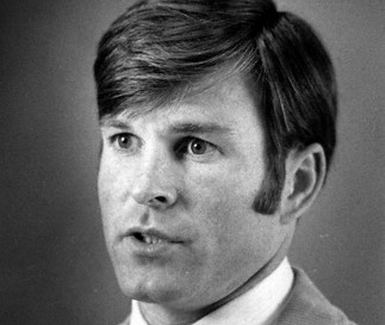
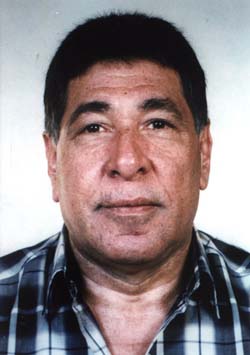
David Augustus Burke was born in 1952. He was employed as a ticket agent for USAir (the parent company of Pacific Southwest Airlines - PSA). His professional record had been severely tarnished after he was caught embezzling a small amount of money from airline ticket receipts. Although terminated for his criminal conduct, Burke temporarily retained his employee privileges and airport identification credentials, granting him uninspected access to secure boarding areas and company facilities.
2. Crime Spree
On December 7, 1987, Burke boarded Pacific Southwest Airlines Flight 1771 traveling from Los Angeles to San Francisco, California. Leveraging his employee credentials, he successfully smuggled a Smith & Wesson .44 Magnum revolver into the passenger cabin, bypassing standard metal detectors. Among the passengers was his former supervisor, Raymond Thomson, whom Burke targeted as part of a premeditated revenge plot.
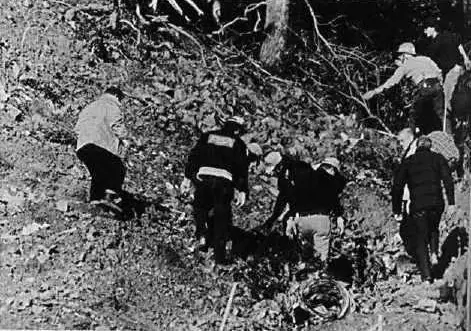
Following takeoff of the BAe 146-200 aircraft, Burke armed himself and forced entry into the cockpit while the plane was at cruising altitude. Using his firearm, he shot and fatally wounded the flight crew, incapacitating the technical operation of the aircraft. Cockpit voice recordings and witness accounts later confirmed that Burke also shot his former supervisor before intentionally pushing the control yoke forward, sending the aircraft into a fatal nosedive. The plane crashed into a hillside in rural San Luis Obispo County, California, at near-supersonic speed, disintegrating completely and instantly killing all 43 occupants on board.
3. Investigation and Forensic Hunt
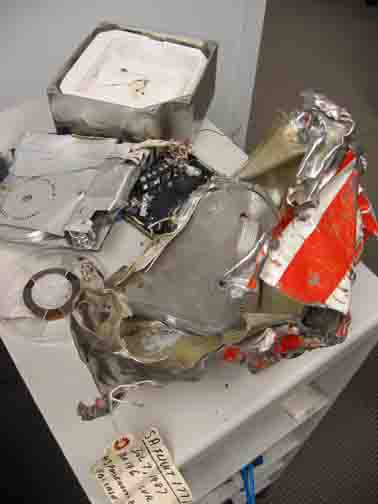
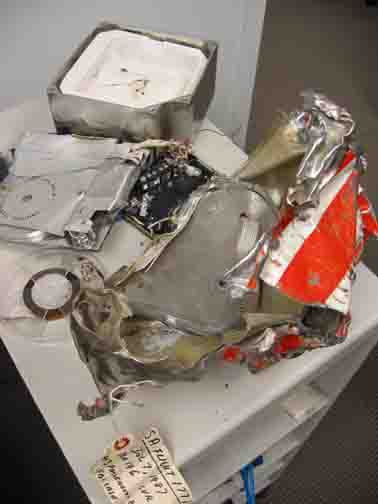
The investigation into the PSA Flight 1771 disaster was conducted by the National Transportation Safety Board (NTSB) and the Federal Bureau of Investigation (FBI). Initially, structural failure or an explosive device were considered. However, rigorous forensic metallurgy and the recovery of the Cockpit Voice Recorder (CVR) exposed the sounds of gunshots and a crew member reporting an armed passenger.
Forensic examiners recovered the heavily deformed fragments of the .44 Magnum revolver among the wreckage, alongside a note written by Burke addressed to his former supervisor, which survived inside personal luggage. Ballistic testing, gunshot residue analysis on Burke's remains, and security audit reviews conclusively established his identity and his unauthorized exploitation of employee security loopholes.
4. Legal Proceedings and Outcome
Because David Burke died instantly upon impact during the high-speed kinetic crash, no formal criminal trial or judicial sentencing took place against him, and criminal liability was formally abated due to the perpetrator's death. The legal legacy of the tragedy prompted sweeping federal aviation security reforms across the United States, specifically mandating stricter background checks and security screening for all airline personnel.
5. Psychiatric Evaluation and Aftermath
From a forensic psychiatric standpoint, Burke operated under a severe adjustment disorder featuring antisocial and narcissistic traits, intensified by the narcissistic injury of being fired for theft. His actions exemplified an amplified mass murder-suicide dynamic, utilizing inside knowledge of aviation security vulnerabilities to execute a devastating act of retributive violence against his former employer at the expense of dozens of innocent lives.