



Forensic & Criminological Matrix
| Parameter | Forensic Detail |
|---|---|
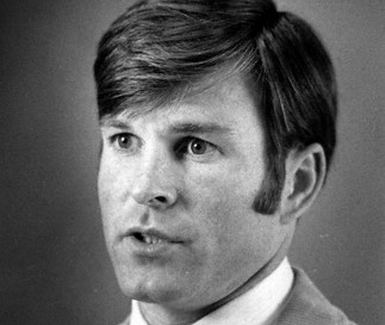
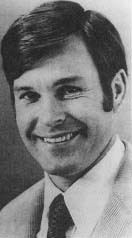
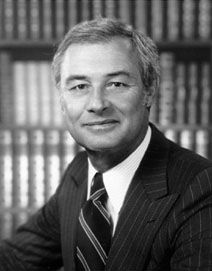
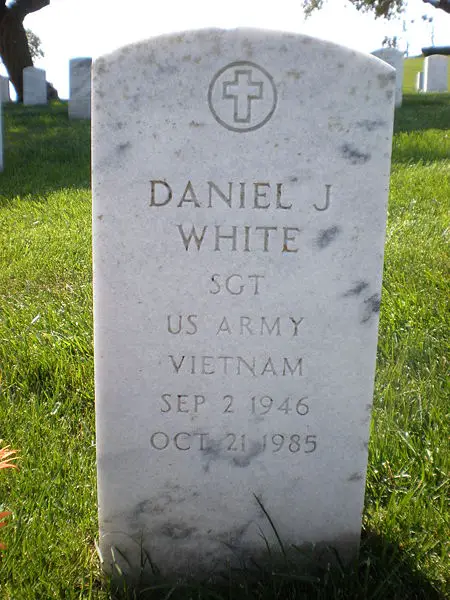
| Full Legal Name | Daniel James White (Dan White) |
| Media Monikers | The Harvey Milk Assassin, The City Hall Executioner |
| Nationality | American |
| Date of Birth | September 2, 1946, Long Beach, California, United States |
| Date of Death | October 21, 1985 (aged 39, suicide via carbon monoxide poisoning in his vehicle garage, San Francisco) |
| Historical Penal Status | Convicted of voluntary manslaughter (sentenced to 7 years, 8 months); paroled in January 1984 after serving five years of actual confinement |
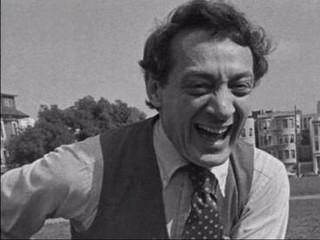
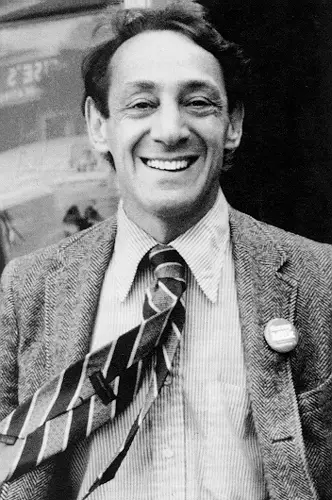
| Confirmed Murder Victims | 2 public figures: George Moscone (Mayor of San Francisco, 49) and Harvey Milk (City Supervisor and LGBT pioneer, 48) |
| Date of Assassinations | November 27, 1978 (approx. 10:45 PST) |
| Geographic Jurisdiction | San Francisco City Hall, California |
| Weaponry & Ammunition | Smith & Wesson Model 36 .38 Special five-shot revolver loaded with hollow-point ammunition |
| Judicial & Forensic Legacy | Catalyzed the media moniker "Twinkie Defense", ignited the White Night Riots, and directly prompted California to abolish the legal doctrine of diminished capacity in homicide trials |
| Primary Criminal Motive | Acute narcissistic injury, severe retaliatory political grievance, and latent homophobia |
1. Criminological Trajectory and Sociopathic Genesis
Daniel James White stands at the center of one of the most culturally defining double political assassinations in modern American history. A decorated Vietnam War infantry veteran, former police officer, and firefighter, White embodied traditional working-class Roman Catholic conservatism representing San Francisco's District 8.
Elected to the San Francisco Board of Supervisors in 1977 alongside progressive icon Harvey Milk (the state's first openly gay elected official), White struggled with financial strain. In November 1978, he abruptly resigned his seat. Facing constituent pressure, he asked Mayor George Moscone to rescind his resignation; Moscone initially consented but subsequently chose to appoint a progressive ally of Harvey Milk.
2. The City Hall Assassinations (November 27, 1978)
Learning that Moscone would announce his replacement that morning:
- Infiltration: White bypassed newly installed metal detectors by entering City Hall through an unlatched basement window, carrying a .38 Smith & Wesson revolver and ten extra hollow-point rounds.
- Execution of Mayor George Moscone: Admitted to Moscone's private office, White pleaded for reappointment. When Moscone refused, White shot him in the chest and shoulder; as Moscone lay prone, White fired two point-blank execution shots into his head.
- Assassination of Supervisor Harvey Milk: Reloading in the hallway, White intercepted Harvey Milk, requesting a brief conversation in his former office. Inside, White fired five rounds into Milk: two struck the chest, one pierced his back, and two execution shots shattered the skull base.
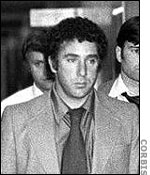
- Surrender: White exited through a side door, borrowed his aide's car, and surrendered at Northern Police Station, his former precinct.
3. The Trial and the "Twinkie Defense"
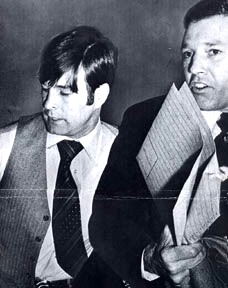
Tried in April 1979 in San Francisco Superior Court, defense counsel Douglas Schmidt deployed a defense of diminished capacity:
- Psychiatrist Dr. Martin Blinder testified that White suffered severe clinical depression, citing his dramatic dietary shift from physical fitness to gorging on refined sugar junk food (such as Hostess Twinkies), arguing the biochemical shift impaired rational executive control.
- While the psychiatric team never claimed junk food caused the murders, the tabloid press popularized the argument as the "Twinkie Defense".
- On May 21, 1979, the jury controversially rejected first-degree murder charges, returning verdicts of voluntary manslaughter.
4. The White Night Riots and Statutory Abolition
The lenient verdict ignited intense outrage across San Francisco:
- Thousands marched on City Hall, culminating in the White Night Riots: police cruisers were torched, municipal buildings breached, and subsequent retaliatory police raids engulfed the Castro district.
- In 1982, California voters and the legislature decisively amended state penal statutes (Proposition 8), formally abolishing the diminished capacity defense in criminal prosecutions.
5. Post-Incarceration and Suicide
Sentenced to seven years and eight months, White served five years at Soledad State Prison before his quiet parole in January 1984.
Returning to San Francisco upon parole termination, estranged from his wife and ostracized by the community, White retreated into seclusion. On October 21, 1985, at age 39, Daniel James White was found dead inside his car in the family garage, having piped carbon monoxide exhaust fumes into the cabin.