Forensic & Criminological Matrix
| Parameter | Forensic Detail |
|---|---|
| Forensic Heading / Aliases | None |
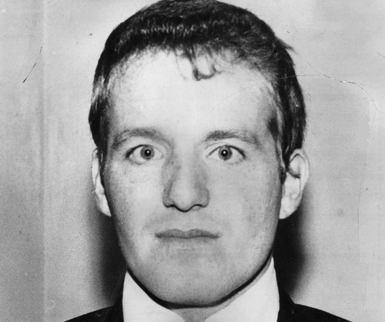
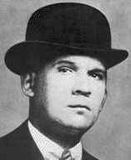
| Legal Identity | Harry Dobkin |
| Confirmed Victims | 1 |
| Attributed / Indicted Victims | 1 |
| Active Timeline | 1941 |
| Jurisdiction / Area of Operations | London, United Kingdom |
| Criminological Classification | Spousal Homicide |
| Forensic Modus Operandi | Strangulation, dismemberment, and concealment in a crypt |
| Weapon / Mechanism of Death | Manual strangulation and cutting tools |
| Motive / Behavioral Dynamics | Financial disputes and marital conflict |
| Judicial Outcome | Death sentence by hanging |
1. Background and Profile
Harry Dobkin married Rachel Dubinski in September 1920. The marriage was short-lived, with the couple separating within three days, though a child was born nine months later. Dobkin was frequently imprisoned for defaulting on maintenance payments and faced multiple assault charges filed by his wife.
2. Crime Spree
On April 11, 1941, Dobkin met his wife in Shoreditch. He murdered her and proceeded to dismember her body, removing the jaw and limbs, and burning the bones to prevent identification. He hid the remains in the cellar of the Baptist Chapel on Vauxhall Road, using slaked lime to mask the smell of decay.
3. Investigation and Arrest
The remains were discovered by Dr. Simpson, who identified the body through meticulous dental records provided by Barnett Kopkin and an early application of photographic superimposition techniques. Police linked the disappearance of Rachel Dobkin to the fire-watcher at the chapel, Harry Dobkin.
4. Legal Proceedings and Outcome
Dobkin was tried at the Old Bailey in November 1942. Despite his defense's efforts to challenge the forensic evidence, the jury convicted him in 20 minutes. He confessed to the murder before his execution at Wandsworth Prison on January 7, 1943.