



Forensic & Criminological Matrix
| Parameter | Forensic Detail |
|---|---|
| Forensic Heading / Aliases | Alfred Burns |
| Legal Identity | George Alfred Burns |
| Confirmed Victims | 1 (Beatrice Alice Rimmer) |
| Attributed / Indicted Victims | 1 |
| Active Timeline | August 1951 |
| Jurisdiction / Area of Operations | Liverpool, Merseyside, United Kingdom |
| Criminological Classification | Homicide / Historical Miscarriage of Justice |
| Forensic Modus Operandi | Forced residential entry and brutal blunt-force assault (bludgeoning) |
| Weapon / Mechanism of Death | Unrecovered blunt instrument |
| Motive / Behavioral Dynamics | Alleged robbery (heavily disputed by subsequent investigations) |
| Judicial Outcome | Death penalty and execution by hanging at Walton Prison in April 1952 (Widely recognized judicial error) |
1. Background and Profile
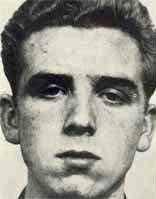
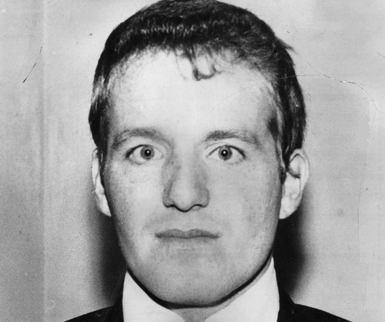
George Alfred Burns was a 21-year-old native of Manchester. Operating alongside his co-defendant Edward Devlin, Burns became central to one of the most controversial murder investigations in post-war British legal history. Lacking a history of violent felonies, Burns fit the profile of a convenient outsider targeted by regional investigative pressures.
2. Crime Spree and Modus Operandi
On the evening of August 19, 1951, Beatrice Alice Rimmer, a widow in her early fifties, was found bludgeoned to death inside her home at 7 Cranborne Road, Wavertree, Liverpool. She sustained approximately fifteen severe wounds from a violent assault. The initial crime scene presented conflicting forensic indicators: although a window pane was broken, nothing of value was stolen, leaving the primary motive obscure and baffling investigators.
3. Investigation and Forensic Hunt
After Liverpool police hit a dead end, Chief Superintendent Herbert Balmer—later implicated in other questionable investigations—claimed an informant in Walton Prison had named two men from Manchester: Alfred Burns and Edward Devlin. The case against them rested entirely on weak circumstantial evidence: microscopic, older bloodstains on a coat belonging to one suspect that did not match the victim's blood group, unreliable eyewitness testimony, and the absence of a verified alibi. No murder weapon or fingerprints linking the defendants to the crime scene were ever discovered.
4. Legal Proceedings and Outcome
Renowned defense counsel Rose Heilbron represented the Manchester men at trial, arguing that the prosecution's case relied solely on fragile circumstantial evidence with zero physical links to the crime scene. Despite these defenses, the jury returned a guilty verdict, and both men were sentenced to death.
5. Psychological Assessment and Aftermath
Alfred Burns was hanged at Walton Prison in April 1952. Modern criminological researchers and legal historians, such as Keith Andrews, have since re-examined the case, concluding that Burns and Devlin were innocent victims of a severe miscarriage of justice in the British judicial system.