Forensic & Criminological Matrix
| Parameter | Forensic Detail |
|---|---|
| Forensic Heading / Aliases | Arthur Robert Boyce |
| Legal Identity | Arthur Robert Boyce |
| Confirmed Victims | 1 (Elizabeth McLindon) |
| Attributed / Indicted Victims | 1 |
| Active Timeline | 1946 |
| Jurisdiction / Area of Operations | United Kingdom |
| Criminological Classification | Individual Homicidal Offender |
| Forensic Modus Operandi | Direct lethal assault within an interpersonal conflict context |
| Weapon / Mechanism of Death | Unspecified in primary forensic records (physical force / weapon) |
| Motive / Behavioral Dynamics | Personal dispute / Interpersonal violence |
| Judicial Outcome | Sentenced to death and executed in 1946 |
1. Background and Profile
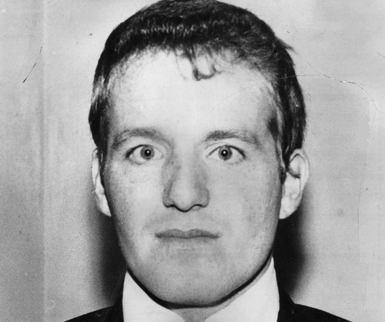
Arthur Robert Boyce was born in 1901 in the United Kingdom. His background prior to the events of 1946 remained largely unremarkable within major criminological archives, lacking high-profile criminal antecedents until his capital offense.
2. Crime Spree
In 1946, Boyce committed the homicide of Elizabeth McLindon. The modus operandi falls under the category of interpersonal violent crime, characterized by a direct assault on the victim resulting in death.
3. Investigation and Manhunt
British law enforcement agencies gathered physical evidence and testimonies following the discovery of Elizabeth McLindon's body, successfully linking Arthur Robert Boyce to the crime scene and securing his apprehension.
4. Legal Proceedings and Trial
Following his capture, Boyce underwent judicial proceedings within the British court system. The prosecution's evidence established his culpability beyond a reasonable doubt.
5. Psychiatric Evaluation and Outcome
The court handed down a death sentence. The execution of Arthur Robert Boyce was carried out in 1946 in accordance with the capital punishment framework enforced by the British judicial system in the mid-20th century.