



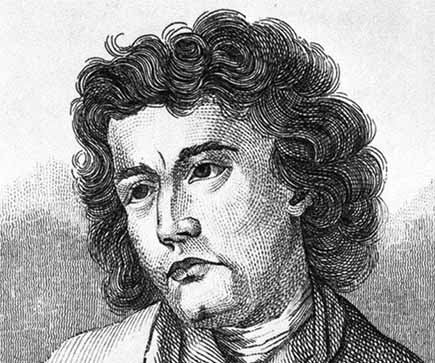
Forensic & Criminological Matrix
| Parameter | Forensic Detail |
|---|---|
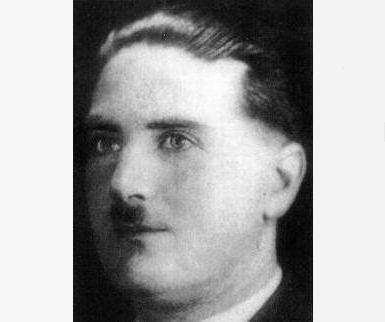
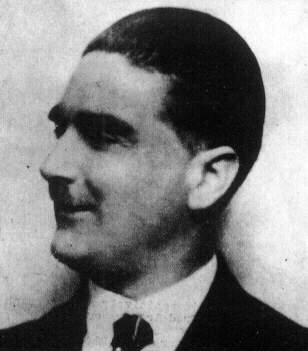
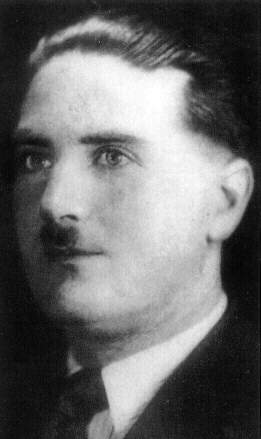
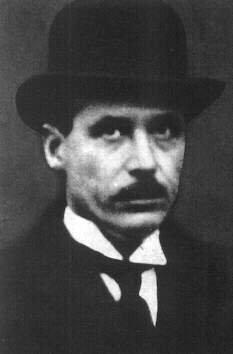
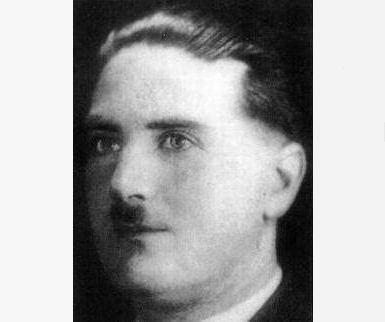
| Full Legal Name | Alfred Arthur Rouse |
| Historical Press Moniker | The Blazing Car Murderer |
| Nationality | British |
| Date of Birth | April 6, 1894, Herne Hill, London, England |
| Date of Execution | March 10, 1931 (aged 36) |
| Execution Facility | HM Prison Bedford, Bedfordshire, England |
| Execution Method | Judicial hanging by the neck |
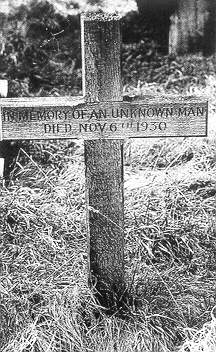
| Homicide Victim | Unidentified adult male (itinerant hitchhiker whose true legal identity remains permanently unknown) |
| Date & Time of the Slaying | Early morning of November 5, 1930 (Guy Fawkes Night), c. 02:00 AM |
| Crime Scene | Hardingstone Lane, near Northampton, Northamptonshire |
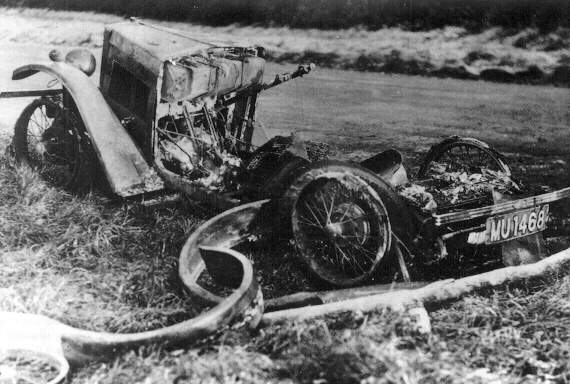
| Vehicle Involved | 1930 two-door Morris Minor Saloon, registration MU 1468 |
| Cause of Death & Trauma | Blunt force craniocerebral stunning followed by carbon monoxide smoke inhalation and catastrophic thermal incineration while still biologically alive |
| Milestone Forensic Testimony | Pathological autopsy by Home Office forensic pioneer Sir Bernard Spilsbury and forensic mechanical testimony establishing deliberate wrench manipulation of the vehicle carburetor fuel nut |
Criminological Background and Tangled Polyandry
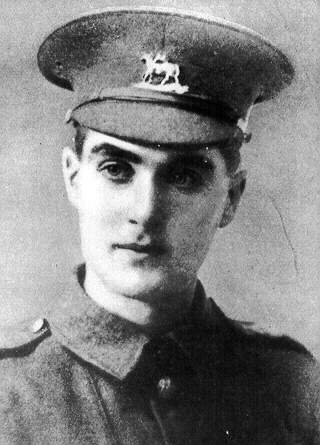
Alfred Arthur Rouse served as an infantryman in World War I, receiving severe head shrapnel injuries in France that left him with chronic pain and erratic temperament. Post-war, he prospered as a commercial traveling textiles salesman based in London, traversing England in his personal car.
Beneath his outward respectability, however, Rouse lived an untenable life of deception:
- He was legally married, yet had entered a bigamous marriage with another woman.
- He maintained multiple mistresses across different counties, siring several illegitimate children.
- Imminent court affiliation orders and financial maintenance summonses threatened him with civil bankruptcy and gaol.
Facing ruin, Rouse resolved to fake his own death in an apparent motoring inferno, allowing his legal wife to collect on a £1,000 life insurance policy while he assumed an alias abroad.
The Guy Fawkes Night Murder (November 5, 1930)
Rouse required a body to incinerate within the driver's seat of his vehicle to simulate his remains.
On Guy Fawkes Night—when bonfire smoke and fireworks illuminated the night across Britain—Rouse picked up an unknown, down-and-out hitchhiker along the Great North Road outside London.
At 02:00 AM, Rouse turned into Hardingstone Lane, an unlit country lane outside Northampton:
- Inside the car, Rouse incapacitated the traveler with a blunt blow to the head or manual throttling.
- He wedged the unconscious victim across the driver’s seat over the steering column.
- Lifting the bonnet, he loosened the brass carburetor fuel union nut with a spanner.
- He doused the interior and the victim with petrol.
- Striking a match, Rouse ignited the fuel, triggering a firestorm that consumed the Morris Minor.
Incriminating Encounter and Dragnet
Rouse assumed the car would incinerate into unidentifiable slag before dawn. However, two young men returning along the lane from a village dance encountered Rouse emerging from a hedge. Flustered in the darkness, Rouse stammered: "It looks as if someone is having a bonfire down there", before hurrying away toward the main highway.
Investigating the glow, the young men discovered the blazing vehicle and alerted the police. Once the fire was doused, firemen extracted the charred skeletal remains of a man lying face down across the front passenger floor.
Initial police bulletins presumed the remains were those of vehicle owner Alfred Arthur Rouse.
The Forensic Triumphs of Sir Bernard Spilsbury
The mystery collapsed when detectives discovered Rouse was alive, having fled by coach to Wales to visit a mistress before returning to London. Detectives detained Rouse at a Hammersmith bus depot on November 7, 1930.
The Crown’s prosecution rested upon forensic science:
- Sir Bernard Spilsbury’s Autopsy: Crown pathologist Sir Bernard Spilsbury demonstrated the presence of soot deposits and high carboxyhemoglobin saturation within the victim's lungs and air passages, proving scientifically that the victim was breathing when the fire started. Spilsbury also identified pre-ignition blunt cranial trauma.
- Automotive Forensic Analysis: Mechanical examiners proved that the Morris Minor's brass fuel line nut had been deliberately unscrewed by a tool rather than loosened by thermal expansion, demonstrating calculated arson.
Assize Trial, Confession, and Execution
Tried at the Northampton Assizes in January 1931, Rouse claimed the hitchhiker had accidentally ignited the car while lighting a pipe. The jury took seventy minutes to convict Rouse of willful murder.
Awaiting death at Bedford Gaol, Rouse penned a written confession admitting the premeditated scheme to fake his death by incinerating the hitchhiker.
On March 10, 1931, Alfred Arthur Rouse was hanged at Bedford Prison.
Despite massive public inquiries that spanned decades, the identity of the "Unknown Man in the Blazing Car" remains one of the most famous unsolved identification mysteries in British forensic history.