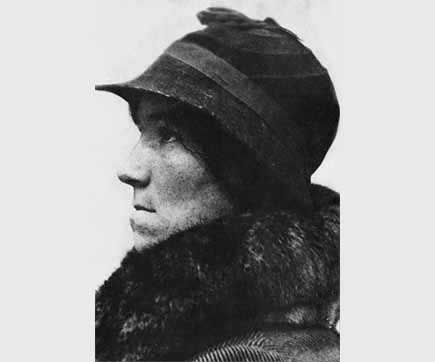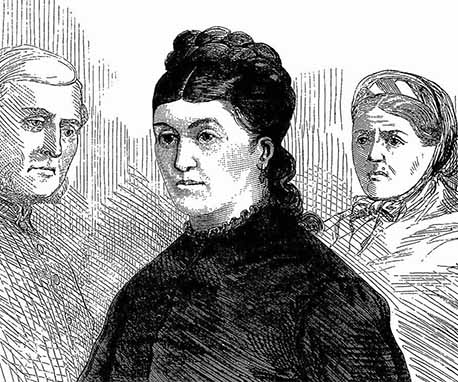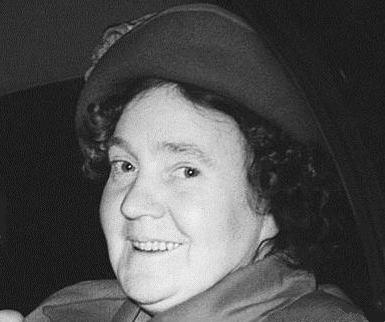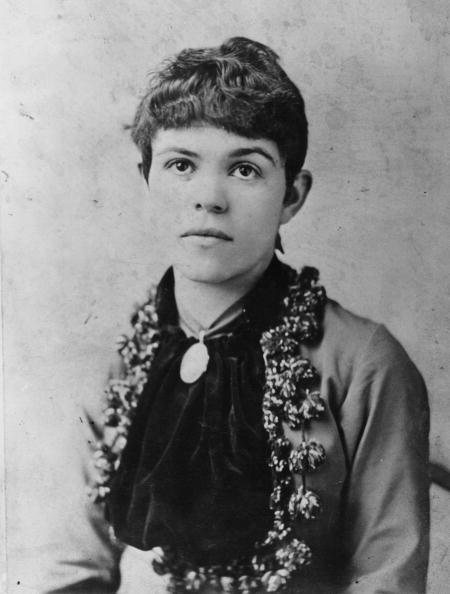




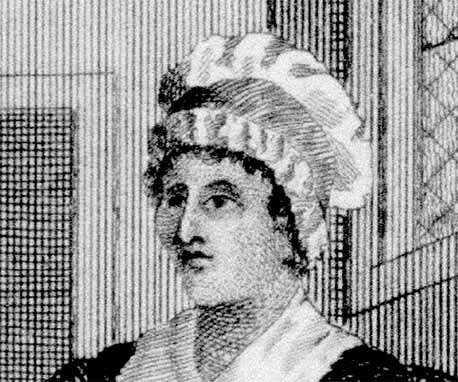
Adelaide Bartlett: The Pimlico Mystery and the Chloroform Paradox
Executive Summary
In the early morning hours of January 1, 1886, in an upscale rented flat in Pimlico, London, wealthy grocer and provision merchant Thomas Edwin Bartlett (40) was discovered deceased in his bed. A subsequent post-mortem and chemical analysis conducted by the Crown's leading toxicologists yielded an unprecedented forensic anomaly in Victorian jurisprudence: Bartlett's stomach contained a massive, lethal volume of pure liquid chloroform (approximately a sixteenth of a fluid ounce pooled within the gastric mucosa), yet the mucous membranes of his lips, tongue, palate, pharynx, larynx, and esophagus exhibited neither burns, corrosive blistering, nor signs of forced ingestion.
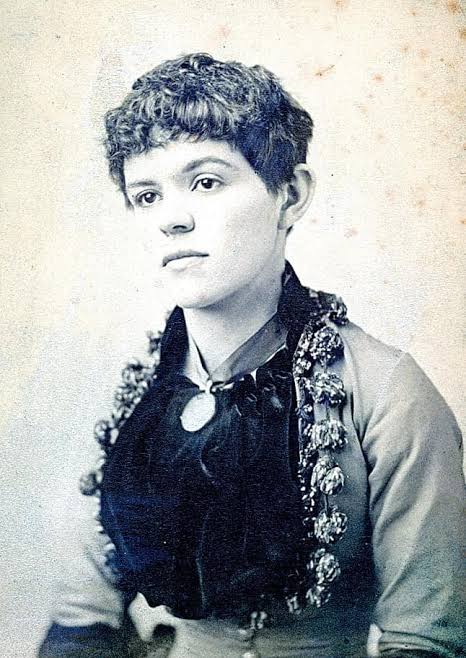
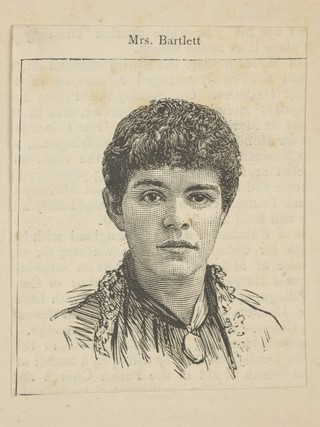
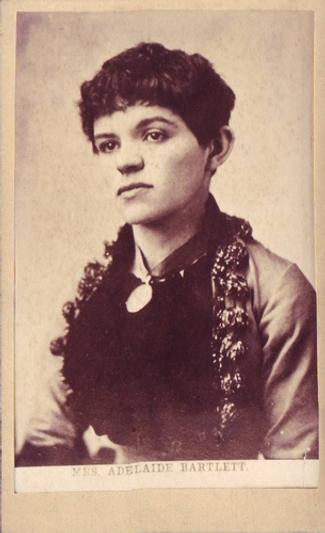
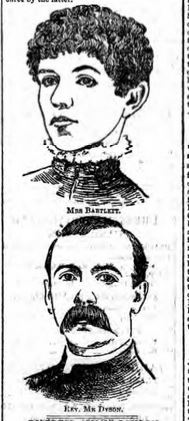
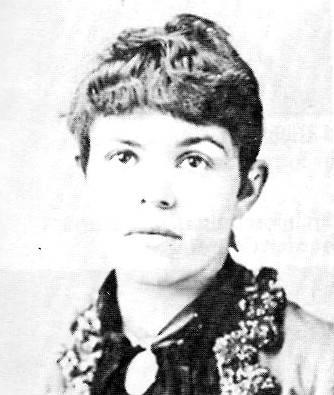
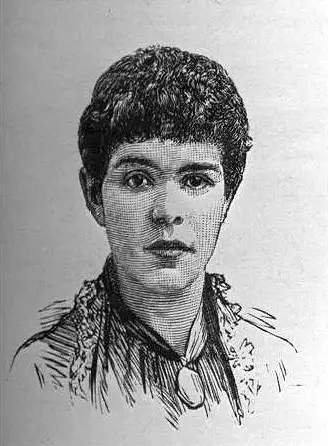
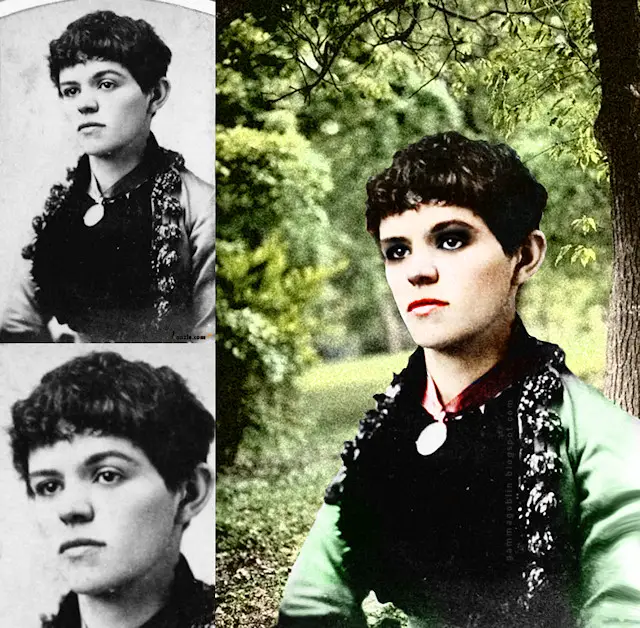
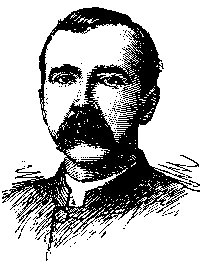
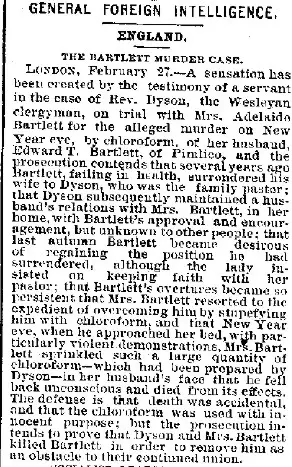
His young French-born wife, Adelaide Blanche de la Trémoïlle Bartlett (30), along with Wesleyan Methodist minister Reverend George Dyson—Adelaide's private tutor and romantic partner in a bizarre marital arrangement encouraged by Edwin himself—were arrested and charged with willful murder. Following Dyson's discharge to serve as the prosecution's star witness, the Old Bailey trial in April 1886 became one of the most celebrated criminal proceedings in British legal history.
Brilliantly defended by Sir Edward Clarke, the defense confronted medical experts with an insurmountable paradox: had Bartlett swallowed the caustic anesthetic voluntarily or unknowingly, the searing gastric trauma would have triggered immediate violent vomiting and mouth burns; had Adelaide anesthetized him with vapors first before pouring the liquid down his throat, the loss of swallowing reflexes would have channeled the liquid into his lungs, causing rapid death by asphyxiation and pulmonary edema rather than gastric pooling. Unable to demonstrate how the poison could have been administered, the jury acquitted Adelaide Bartlett, prompting Queen Victoria's surgeon, Sir James Paget, to famously remark: "Now that she has been acquitted, she should tell us, in the interest of science, how it was done."
Forensic & Criminological Matrix
| Parameter | Forensic Detail |
|---|---|
| Accused Identity | Adelaide Blanche de la Trémoïlle (Adelaide Bartlett) |
| Date of Birth | 1855 (Orléans / St. Cloud, France) |
| Fatal Victim | Thomas Edwin Bartlett (40; London wholesale and retail grocer) |
| Date of Death | January 1, 1886 (approx. between 00:00 and 03:00 GMT) |
| Crime Scene | First-floor flat at 85 Claverton Street, Pimlico, London, UK |
| Cause of Death | Cardiorespiratory failure caused by acute liquid chloroform toxicity (trichloromethane) |
| Forensic Conundrum | Fatal oral dose in stomach with zero chemical erosion or blistering to oral cavity and esophagus |
| Key Associate | Reverend George Dyson (Wesleyan minister and poison supplier) |
| Crown Medical Expert | Dr. Thomas Stevenson (Lecturer in Chemistry and Forensic Medicine at Guy's Hospital) |
| Defense Counsel | Sir Edward Clarke, Q.C. (later Solicitor General for England and Wales) |
| Judicial Disposition | Unanimous verdict of "Not Guilty" delivered at the Old Bailey on April 17, 1886 |
Secret Origins and the Bartlett Marriage
Adelaide Blanche de la Trémoïlle was born in France in 1855. Genealogical research and court testimony indicated she was the illegitimate offspring of an aristocratic Frenchman attached to Queen Victoria's entourage during her 1855 state visit to Paris (believed to be Adolphe Collot de la Trémoïlle, Count of Thouars d'Escury) and a British woman named Clara Chamberlain. Following her mother's death in 1866, Adelaide was placed in the care of confectioner William Wellbeloved in Hampton Wick, Middlesex.
In 1875, at nineteen, she married Thomas Edwin Bartlett (29), owner of a thriving chain of grocery shops across Brixton and South London. The union was governed by Edwin's eccentric terms:
- Edwin, fascinated by unorthodox theories on vitality, mesmerism, and longevity, stipulated that their marriage remain largely platonic to preserve bodily vigor.
- In 1881, during an agreed suspension of celibacy, Adelaide delivered a stillborn child; during the grueling labor, Edwin adamantly refused to permit a male obstetrician to attend her, declaring that no other man should interfere in his wife's intimacy.
- Edwin financed Adelaide's education at finishing schools in Belgium and London, taking pride in presenting her as an educated, cultivated gentlewoman.
The Romantic Triangle with Reverend Dyson
In early 1885, the Bartletts met Reverend George Dyson, an articulate Wesleyan Methodist minister. Charmed by Dyson, Edwin appointed him Adelaide's private tutor in Greek and Latin, actively cultivating an open romance between his wife and the minister:
- Edwin repeatedly informed acquaintances that he did not expect to live long and that his earnest desire was for Adelaide and Dyson to marry after his passing.
- In September 1885, Edwin drafted a new will bequeathing his entire estate unconditionally to Adelaide, naming Dyson as primary executor and omitting the standard Victorian clause revoking inheritances should the widow remarry.
- In October 1885, the household moved to 85 Claverton Street in Pimlico. Dyson visited almost daily, exchanging affectionate embraces with Adelaide under Edwin's benign approval.
Mysterious Illness and the Procurement of Chloroform
By December 1885, Edwin's health deteriorated markedly: he suffered from agonizing mercurial gingivitis, refractory insomnia, intestinal tapeworm parasites, and severe subacute gastritis. Treated by Dr. Alfred Leach, Edwin alternated between hypochondriacal panic and bouts of profound depression.
In late December, Adelaide tasked Reverend Dyson with a confidential mission:
- She requested that he purchase a substantial supply of medicinal chloroform, claiming she needed it to soak cloths to soothe Edwin's nocturnal restlessness and "suppress his sudden sexual urges."
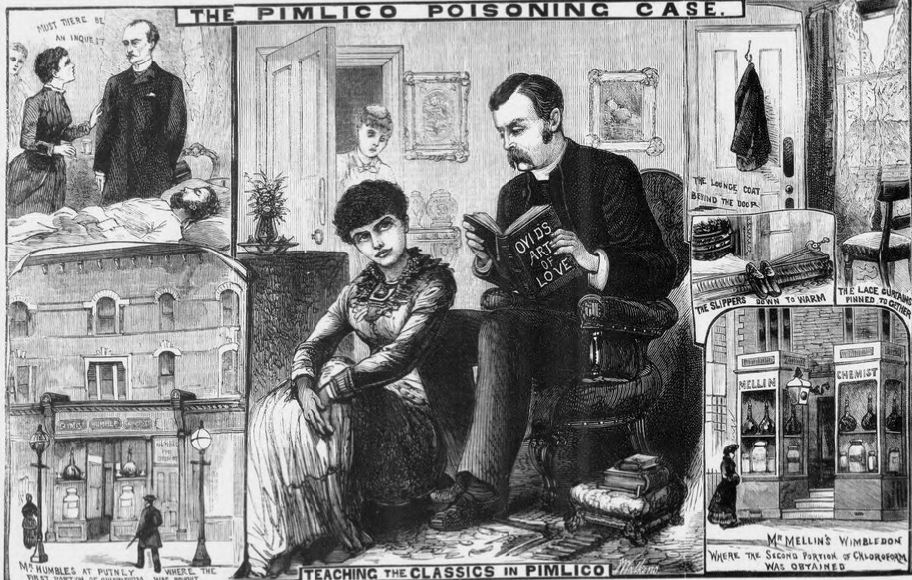
- Under British pharmacy law (Sale of Poisons Act), large purchases of scheduled poisons required a signed registry. To evade scrutiny, Dyson visited four separate chemists in Wimbledon, purchasing small two-ounce bottles under the pretext of cleaning grease stains from clerical garments.
- Dyson transferred the collected chloroform into a single medicine bottle and gave it to Adelaide during a walk along the Embankment.
The Night of January 1, 1886
On New Year's Eve, Edwin Bartlett returned home following a painful dental extraction. He dined on oysters, roast beef, and tea with his wife, retiring to their Claverton Street bedroom:
- At 04:00 on January 1, 1886, Adelaide rushed down to awaken their landlords, Mr. and Mrs. Doggett, crying: "Come down, make haste! I think Mr. Bartlett is dead."
- Dr. Leach arrived shortly thereafter, finding Edwin lying peacefully in bed; the body was still warm, head tilted slightly to one side.
- On the mantelpiece, concealed behind digestive tonic bottles, sat a small bottle containing chloroform residue.
- Edwin's estranged father, Edwin Bartlett Sr., who harbored deep resentment toward Adelaide, demanded an immediate Scotland Yard inquiry, refusing to permit burial without an autopsy.
Forensic Necropsy at Guy's Hospital
The post-mortem examination was conducted by distinguished pathologists led by Dr. Thomas Stevenson of Guy's Hospital:
- Gastric Contents: Pathologists recovered 11.8 grams (nearly half an ounce) of pure liquid chloroform settled at the base of Edwin's stomach, blended with gastric mucus and bile.
- The Anatomical Anomaly: Crucially, microscopic examination of Edwin's mouth, lips, uvula, tonsils, pharynx, and esophagus demonstrated a total absence of chemical burning, corrosion, or epithelial sloughing.
- Undiluted chloroform is an intensely volatile, burning solvent; ingesting it induces agonizing pain, immediate pharyngeal spasm, and violent retching. How could a man swallow a fatal dose without burning his throat or waking the person sleeping beside him?
Scotland Yard subsequently arrested Adelaide Bartlett and Reverend George Dyson on charges of willful murder.
The Old Bailey Trial and the Legal Paradox
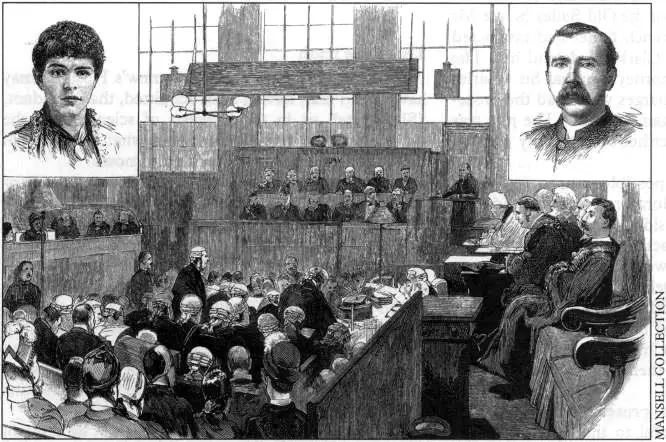
On April 12, 1886, the trial opened before Justice Sir Alfred Wills. In a tactical maneuver, Crown prosecutors dropped all charges against Dyson to secure his testimony against Adelaide, subjecting him to blistering cross-examination by defense counsel Sir Edward Clarke:
- Dismantling Financial Motive: Clarke demonstrated that Edwin's will had been executed months prior with full legal validity; Adelaide was already sole heir.
- Suicide Hypothesis: Clarke argued Edwin, tormented by chronic pain and depressive despair, might have impulsively gulped the contents of the vial in a single swallow.
- The Toxicological Trap: Clarke cross-examined Dr. Stevenson on the mechanics of administration. Had Adelaide forced the poison down a conscious man's throat, a violent struggle would have ensued, splashing caustic liquid onto his face and neck. Had she anesthetized him first, his swallowing reflexes would have failed, diverting liquid into the windpipe and causing choking and pulmonary edema—lesions explicitly absent in the autopsy.
On April 17, 1886, the jury returned with their verdict:
"Although we think grave suspicion attaches to Mrs. Bartlett, we are of the opinion that there is no sufficient evidence to show who or how the chloroform was administered, and we therefore find her Not Guilty."
Following her acquittal, Adelaide Bartlett changed her name and vanished from public life, reportedly emigrating to the United States and leaving behind Victorian toxicology's greatest enduring riddle.