

Forensic & Criminological Matrix
| Parameter | Forensic Detail |
|---|---|
| Forensic Heading / Aliases | N/A |
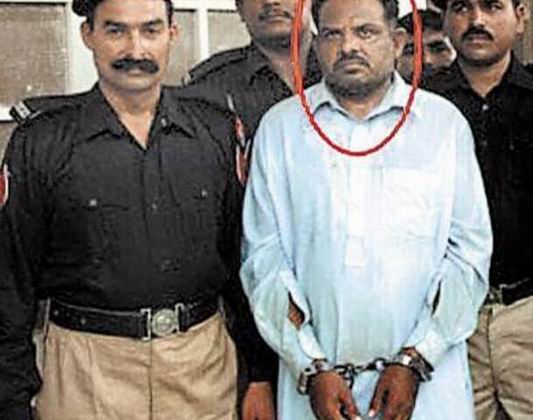
| Legal Identity | Muhammad Yousaf Mughal |
| Confirmed Victims | 13 |
| Attributed / Indicted Victims | 25 |
| Active Timeline | 2009-2010 |
| Jurisdiction / Area of Operations | Sialkot, Punjab, Pakistan |
| Criminological Classification | Serial Killer |
| Forensic Modus Operandi | Deceptive recruitment, kidnapping, and blunt force homicide |
| Weapon / Mechanism of Death | Bricks, stones, blunt objects, and strangulation |
| Motive / Behavioral Dynamics | Financial gain and predatory targeting of vulnerable individuals |
| Judicial Outcome | Death sentence and life imprisonment (2011) |
1. Background and Profile
Muhammad Yousaf Mughal, a mechanical engineering graduate, systematically targeted elderly women in the Sialkot district. Originally from Gujranwala's Rana Colony, he relocated to a rented house in Adalatgarha village to conduct his criminal activities. He exploited the poverty of his victims by posing as an official or benefactor capable of securing government financial aid.
2. Crime Spree and Modus Operandi
Targeting women aged 65 to 75, Yousaf used a motorcycle to transport them to isolated locations. He utilized blunt force trauma—specifically bricks and stones—or strangulation to kill them before stealing their gold ornaments and belongings. While he admitted to 25 murders, 13 were formally linked to him through police investigations across multiple police stations including Cantt, Kotwali, and Muradpur.
3. Investigation and Arrest
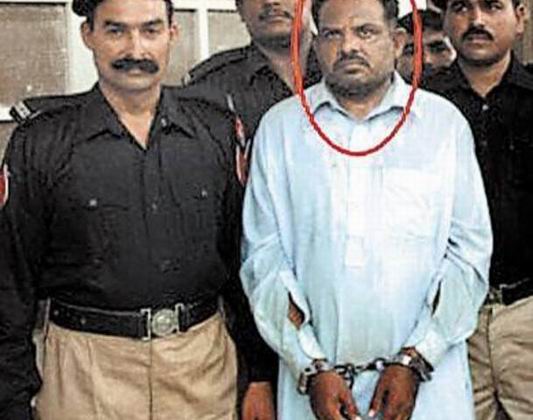
The series of 'blind murders' caused widespread fear in Sialkot. Police deployed undercover officers at key transit points. The breakthrough occurred when a survivor, Khursheeda Bibi, provided critical information after escaping an attack. Yousaf was apprehended on September 21, 2010, while attempting to abduct another elderly woman.
4. Legal Proceedings and Outcome
On June 16, 2011, District and Sessions Judge Manzoor Hussain Dogar sentenced Yousaf to death and life imprisonment, alongside a fine of 700,000 PKR. The court noted his involvement in 22 separate robbery cases. Despite his claims of needing money for cancer treatment, he was found to be mentally competent and fully responsible for his actions.