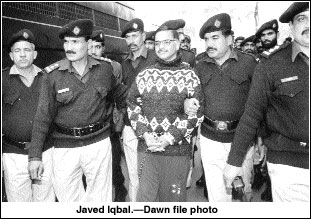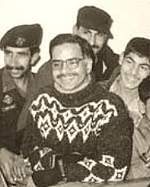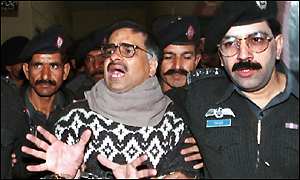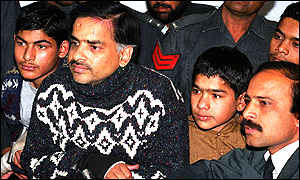


Forensic & Criminological Matrix
| Parameter | Forensic Detail |
|---|---|
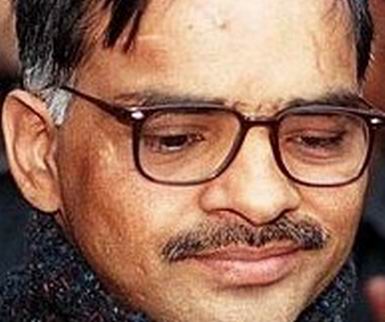
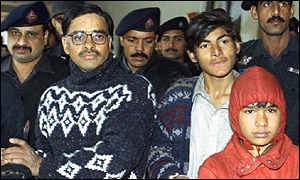
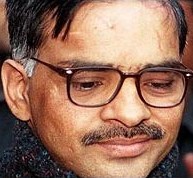
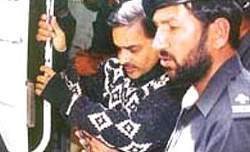
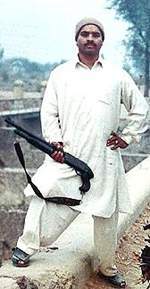
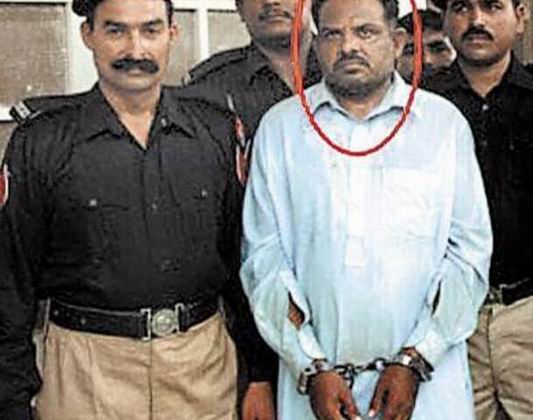
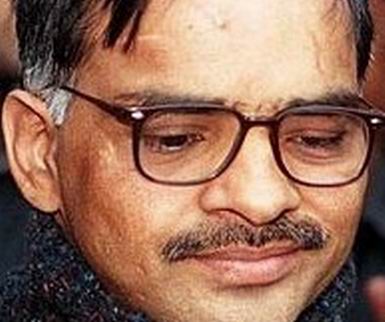
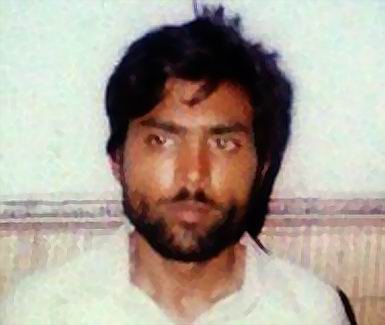
| Identity | Javed Iqbal Mughal |
| Known Aliases | "The Butcher of Lahore", "The 100 Children Killer" |
| Criminal Classification | Pedophilic predatory serial killer and chemical necro-destroyer |
| Date of Birth | 1956 (Lahore, Punjab, Pakistan) |
| Date of Death | October 8, 2001 (Aged 45, Kot Lakhpat Central Jail, Lahore; death by hanging in cell) |
| Criminal Indictment | 100 counts of aggravated abduction, sodomy, premeditated murder, and disposal of corpses |
| Fatalities | 100 young boys and adolescents confirmed (aged 6 to 16) |
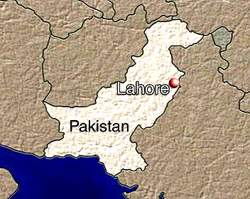
| Crime Scene | Shadbagh residential district, Lahore, Punjab Province, Pakistan |
| Active Period | 1998 – 1999 |
| Modus Operandi | Luring homeless runaway boys from Lahore railway terminals with food or modest financial offerings, confinement in a rented domicile, brutal sodomy, strangulation via metal chain or cable, and complete corpse liquefaction in 200-liter vats of concentrated hydrochloric acid. |
| Motive | Sadistic pedophilia, obsessive grievance and revenge against Punjab police brutality, and narcissistic notoriety. |
| Legal Status | Sentenced to capital punishment in March 2000. Found dead by hanging in his cell alongside his co-defendant in October 2001 before sentence execution. |
Forensic Synopsis and Historical Context
The case of Javed Iqbal Mughal represents the deadliest documented serial murder investigation in the history of Pakistan and South Asia. Between 1998 and late 1999, Iqbal systematically abducted, sexually abused, and killed exactly 100 destitute street children in Lahore, dissolving their remains in barrels of hydrochloric acid to eradicate all physical corpus delicti.
The case profoundly exposed systemic vulnerabilities surrounding orphaned and runaway minors in Pakistan's urban centers, while generating international legal controversy over the judge’s unprecedented lex talionis judgment: ordering that Iqbal be strangled before the parents of his victims, dismembered into 100 pieces, and dissolved in chemical acid, an order later suspended for constitutional and religious contraventions.
Background and Police Grievance
Javed Iqbal was born into a prosperous merchant family in Lahore and studied at a local college before establishing a cast-iron manufacturing business:
- The 1998 Arrest: In 1998, Iqbal was apprehended by local police on charges of child molestation. Iqbal claimed he was subjected to horrific police torture, beatings, and extortion before being cleared for lack of evidence.
- The Vow of Retaliation: Embittered and destabilized by the ordeal, Iqbal pledged vengeance against society, vowing to murder 100 street boys to make "100 Pakistani mothers weep as his own mother had wept."
- The Shadbagh Residence: He leased a modest two-story home in the Shadbagh quarter of Lahore, systematically converting it into a clandestine execution and chemical disposal site.
Predatory Modus Operandi and Acid Disposal
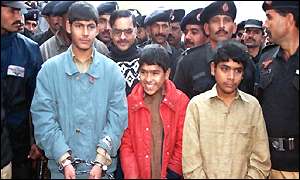
Aided by three teenage associates (notably Sajid Ahmad), Iqbal targeted vulnerable minors congregating around Lahore Railway Station and the Data Darbar shrine:
- The Trap: Offering meals, small cash sums, and temporary shelter, Iqbal lured victims to his residence.
- Abuse and Strangulation: Once inside, victims were restrained, subjected to prolonged sexual abuse, and strangled with steel chains or electrical flex.
- Chemical Dissolution: Iqbal deposited the victims into blue poly drums containing concentrated industrial hydrochloric acid (tezab). Once the bodies dissolved into viscous liquid slush, he drained the remnants into municipal sewers. He meticulously cataloged their personal belongings, notebooks, and photographs into numbered cases.
Confession, Crime Scene Recovery, and Surrender
On December 30, 1999, Iqbal sent a comprehensive 32-page confession letter accompanied by photographs to the Lahore Capital City Police and the Daily Jang newspaper:
- The Letter: Iqbal stated he had intentionally halted his spree upon completing precisely 100 victims, proclaiming indifference to legal consequences and explaining that the acid had erased all physical remains.
- Forensic Recovery: Police forces raiding the Shadbagh house encountered two large barrels containing decomposed human fluid, bone fragments, blood-splattered walls, and a trunk containing the clothes and shoes of 100 missing boys.
- Dramatic Surrender: Fearing extrajudicial execution in an staged police shootout, Iqbal walked into the offices of Daily Jang on December 30, 1999, surrendering live on camera before reporters.
Judicial Proceedings and Death in Custody
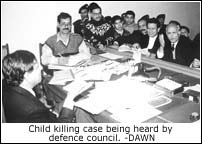
Iqbal stood trial before the Anti-Terrorism Court of Lahore presided over by Judge Allah Bukhsh Ranjha:
- The Retribution Sentence: In March 2000, Judge Ranjha handed down a literal biblical-style sentence: "You will be strangled in front of the parents whose children you killed; your body will be cut into 100 pieces and put in acid, the same way you killed the children."
- Constitutional Challenge: The sentence was halted by the Council of Islamic Ideology and High Court appellate judges as unconstitutional and incompatible with Islamic jurisprudence and international human rights treaties.
- Death in Kot Lakhpat: On the morning of October 8, 2001, prior to the resolution of his final legal appeal, Javed Iqbal and accomplice Sajid Ahmad were discovered hanged by their bedsheets from the iron window grilles of their cell in Kot Lakhpat Prison. While officially classified as suicide, unresolved questions remain regarding potential extrajudicial execution within prison walls.