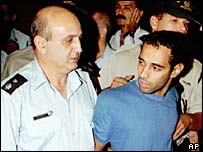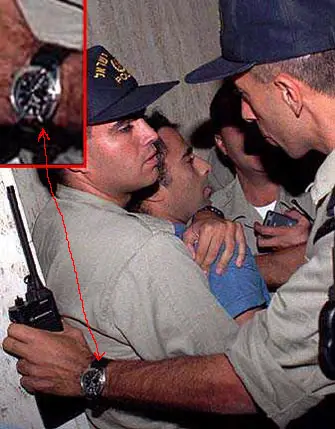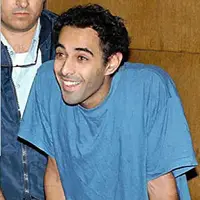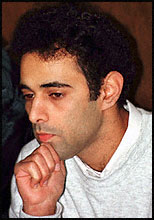




Forensic & Criminological Matrix
| Parameter | Forensic Detail |
|---|---|
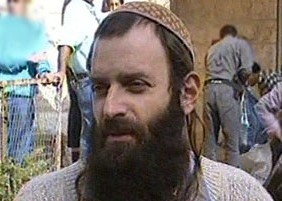
| Full Legal Name | Yigal Amir (יגאל עמיר) |
| Historical Criminological Moniker | The Assassin of Yitzhak Rabin |
| Nationality | Israeli |
| Date of Birth | May 23, 1970, Herzliya, Israel |
| Current Penal Status | Serving an unconditional life sentence with no possibility of parole or presidential clemency; held in solitary confinement at Rimonim Maximum Security Prison |
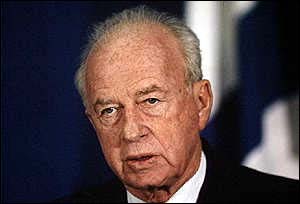
| Assassinated Victim | Yitzhak Rabin (aged 73), Prime Minister of Israel, hero of the Six-Day War, and 1994 Nobel Peace Prize laureate |
| Wounded Victims | Yoram Rubin (Shin Bet VIP bodyguard, wounded in the arm) |
| Date & Time of Assassination | November 4, 1995, at 21:40 local time |
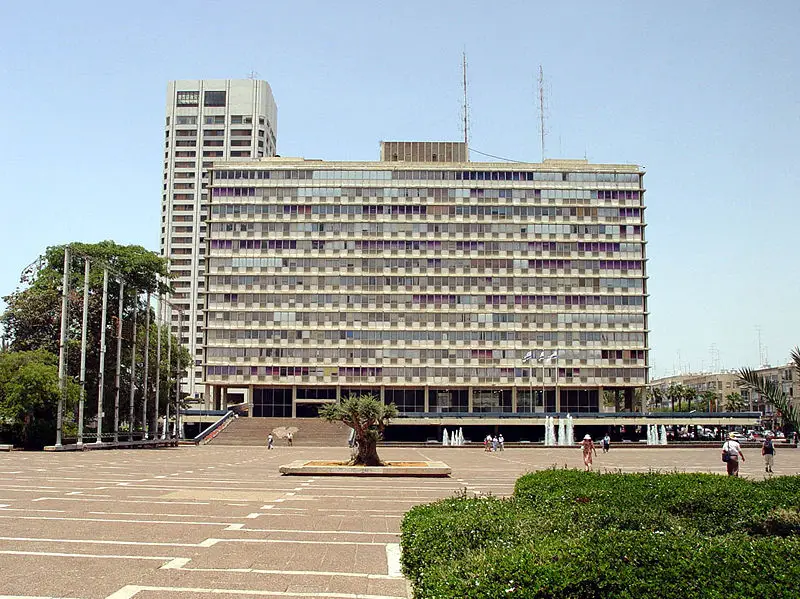
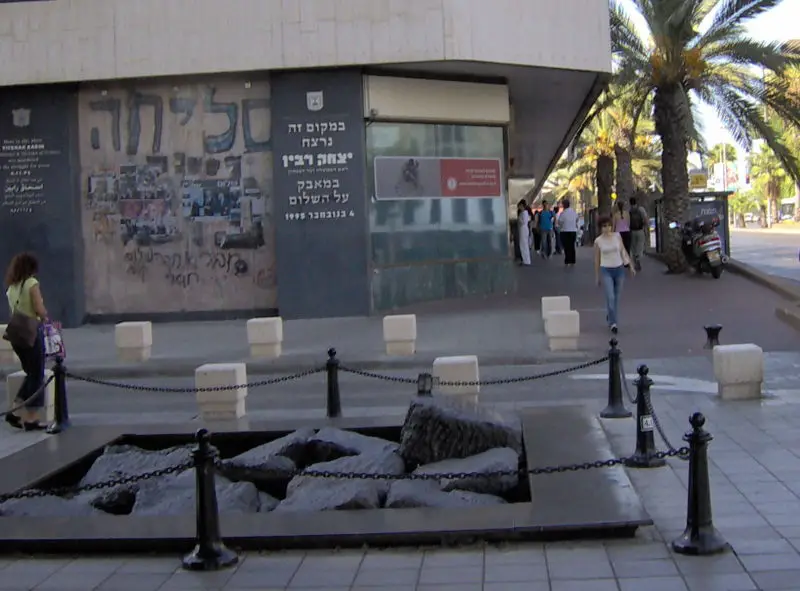
| Crime Scene | Kings of Israel Square (now Rabin Square), Tel Aviv, Israel |
| Weapon Utilized | Beretta Model 84F semi-automatic pistol, 9×17mm (.380 ACP) |
| Modified Ammunition | Hand-drilled hollow-point expanding rounds (dum-dum configuration) calibrated to maximize internal thoracic cavitation and catastrophic hemorrhage |
| Geopolitical Impact | Landmark political assassination that permanently disrupted the Israeli-Palestinian Oslo Peace Accords and reshaped Middle Eastern history |
| Specific Statute Enacted | Passage of the "Yigal Amir Law" (2001) by the Knesset, expressly forbidding presidential pardons or sentence commuted for prime minister assassins |
Radicalization and Ideological Framework
Yigal Amir was raised in an Orthodox Yemenite Jewish family in Herzliya. Excelling in Talmudic studies across renowned yeshivot, he completed compulsory military service in the elite Golani infantry brigade through the Hesder program, serving combat tours in southern Lebanon and the Palestinian territories.
Subsequently enrolling at Bar-Ilan University to study law and Judaic literature, Amir aligned with militant far-right nationalist circles and radical West Bank settler movements (Gush Emunim), organizing illegal encampments and demonstrating fiercely against Prime Minister Yitzhak Rabin's Labor-led government.
Amir regarded the Oslo Accords (1993) and the mutual recognition between Israel and the PLO as an existential, apostate betrayal of Judaism. Anchoring his delusions in extremist rabbinical interpretations, Amir applied two archaic medieval Talmudic doctrines:
- Din Rodef (Law of the Pursuer): Halakhic authorization to kill anyone actively endangering Jewish lives.
- Din Moser (Law of the Informer): Command to execute any Jewish leader surrendering Jewish land or sovereignty to gentile rule.
Amir concluded that assassinating Rabin was not merely permissible, but a divinely commanded moral duty to halt territorial concessions in Judea and Samaria.
Ballistic Modification and Operational Failures
Throughout 1995, Amir stalked Rabin on three occasions (at Yad Vashem and transport inaugurations), aborting each attempt due to crowd friction or bodyguard positioning.
To ensure lethality against armored vehicles or body armor, Amir prepared his ordnance:
- He chose his licensed Beretta 84F semi-automatic pistol (.380 ACP).
- Conspiring with his brother Hagai Amir, he manually modified the lead-core bullets using micro-drills to create expanding hollow points designed to fracture upon impact and cause devastating internal tissue cavitation.
The Assassination of November 4, 1995
On the evening of Saturday, November 4, 1995, over 100,000 Israelis assembled at Kings of Israel Square in Tel Aviv for a peace rally themed "Yes to Peace, No to Violence". Following an address and a performance of "Shir LaShalom" (Song for Peace), Rabin exited the municipal rear staircase toward his waiting armored limousine.
Exploiting catastrophic Shin Bet perimeter control lapses, Amir stood undisturbed within the VIP vehicle bay for over forty minutes without badge credentials or physical screening.
At 21:40, as Rabin approached his vehicle door, Amir stepped out from behind a concrete planter and fired three point-blank rounds into Rabin's back from less than two feet away:
- First Round: Struck Rabin's right scapula, tearing through the right lung base and transecting the pulmonary artery.
- Second Round: Struck his left lower back, shattering thoracic vertebrae and lacerating the spleen.
- Third Round: Grazed the left forearm of lead bodyguard Yoram Rubin as he threw his body over Rabin.
In the confusion, unidentified voices shouted "They're blanks! They're blanks!", delaying immediate medical recognition. However, surrounding security officers and border police tackled Amir instantly, disarming and pinning him to the ground.
Rabin was rushed in profound hemorrhagic shock to nearby Ichilov Hospital (Sourasky Medical Center). Despite massive blood transfusions and open-chest emergency surgery, Yitzhak Rabin was pronounced dead at 23:02.
Trial, Shamgar Commission, and the Yigal Amir Law
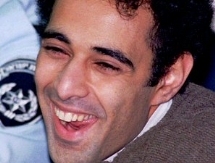
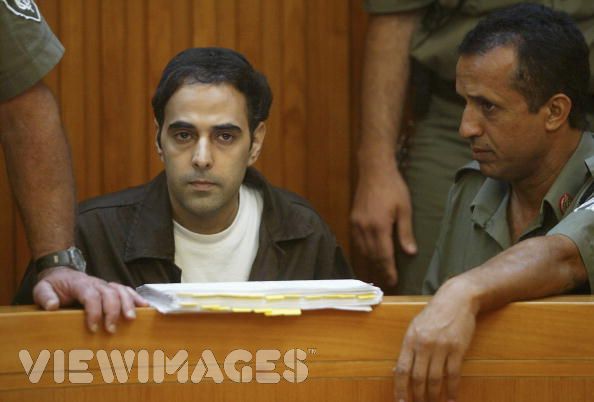
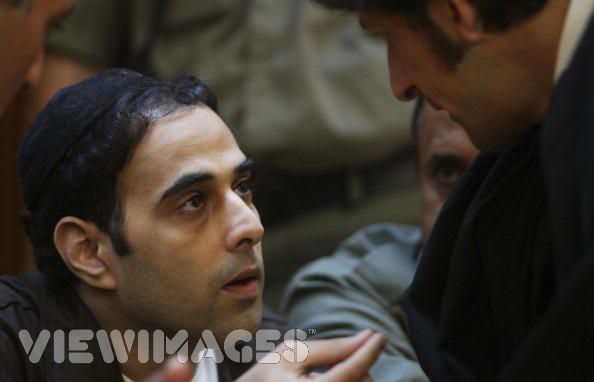
Before the Tel Aviv District Court, presided over by Judge Edmond Levy, Amir remained remorseless, smiling at courtroom reporters and proclaiming:
"I acted under God’s direct command. I have prevented the surrender of holy land to terrorists and saved Israel from irreversible ruin."
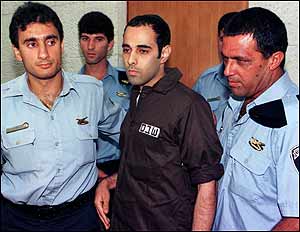
On March 27, 1996, Yigal Amir was convicted of premeditated murder and sentenced to mandatory life imprisonment, plus an additional six years for wounding the bodyguard. Co-conspirators Hagai Amir and Dror Adani received long-term federal sentences.
The subsequent Shamgar Commission of Inquiry revealed catastrophic intelligence and protection protocol failures across the Shin Bet, leading to the resignation of director Carmi Gillon.
In December 2001, the Israeli Knesset passed the historic Yigal Amir Law, an explicit penal statute permanently prohibiting parole boards or the President of the State of Israel from ever granting clemency, sentence commutations, or early release to any individual convicted of murdering a Prime Minister. Amir remains held under continuous 24-hour solitary confinement in Rimonim Maximum Security Prison.