



Forensic & Criminological Matrix
| Parameter | Forensic Detail |
|---|---|
| Forensic Heading / Aliases | null |
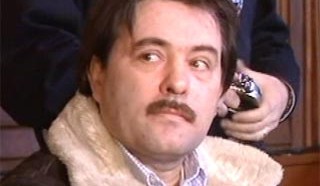
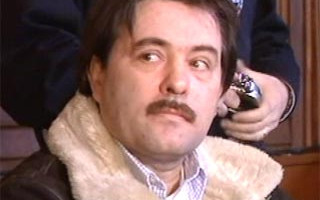
| Legal Identity | Jean-Pierre Roux-Durrafourt |
| Confirmed Victims | 4 |
| Attributed / Indicted Victims | 4 |
| Active Timeline | October 29, 2001 |
| Jurisdiction / Area of Operations | Tours, France |
| Criminological Classification | Mass murderer |
| Forensic Modus Operandi | Indiscriminate shooting with long gun (.22) in public space |
| Weapon / Mechanism of Death | .22 caliber rifle |
| Motive / Behavioral Dynamics | Workplace grievance and depressive disorder |
| Judicial Outcome | Life imprisonment (March 29, 2005) |
1. Background and Profile
Jean-Pierre Roux-Durrafourt (born 1957) was a railway worker employed by the SNCF, residing in the suburb of Chambray-lès-Tours. A former soldier with a history of disciplinary issues during his military service, he was characterized by officials as a fragile and depressive individual with no prior criminal record.
2. Crime Spree
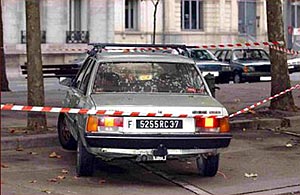
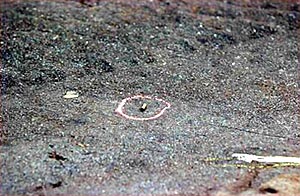
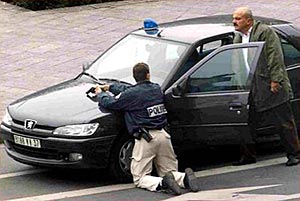
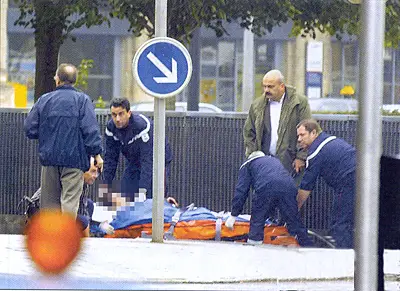
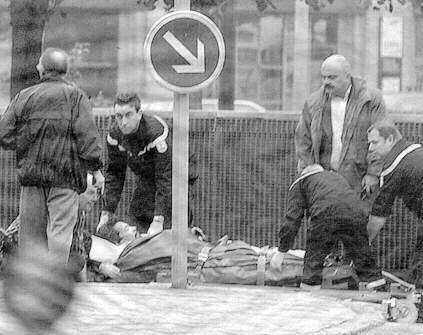
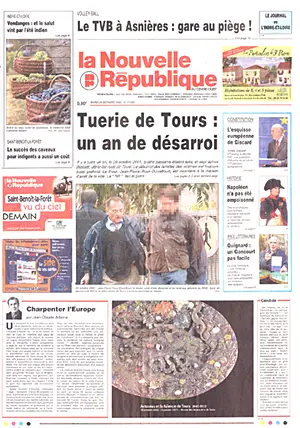
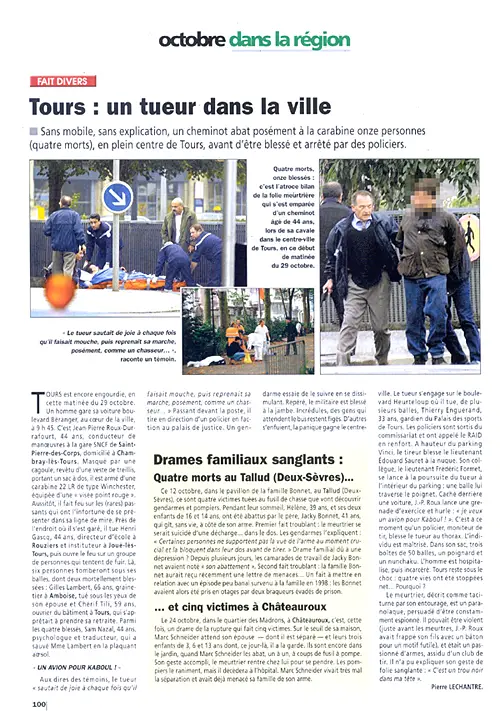
On October 29, 2001, Roux-Durrafourt launched a shooting spree in the center of Tours. Armed with a .22 caliber rifle, wearing a balaclava and carrying a rucksack, he exited his Peugeot 505 and began firing at random passers-by and motorists. The rampage lasted approximately 30 minutes, moving from shopping streets toward the town hall. Four men, aged 33, 48, 59, and 66, were killed during the attack.
3. Investigation and Arrest
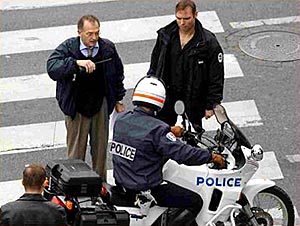
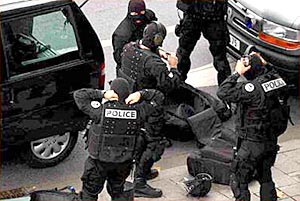
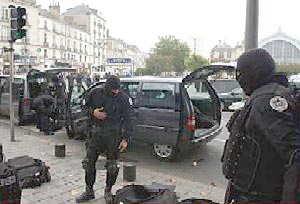
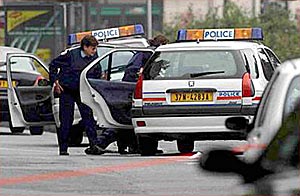
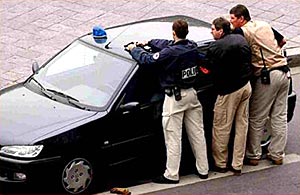
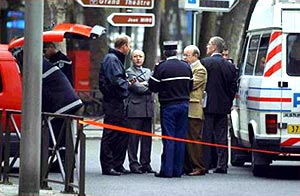
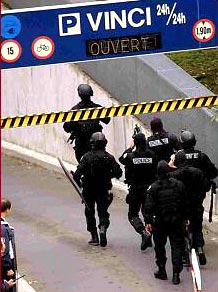
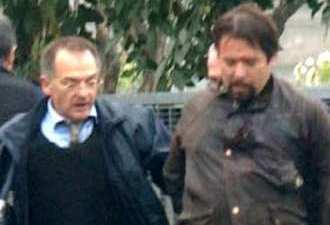
Police cordoned off the city center as the gunman engaged officers, wounding two police officers and a gendarme. Roux-Durrafourt eventually retreated into an underground car park. After a standoff, he was shot in the chest by police and taken into custody. He falsely claimed to have an accomplice and planted explosives, leading to a major security operation that ultimately cleared the area of any further threats.
4. Legal Proceedings and Outcome
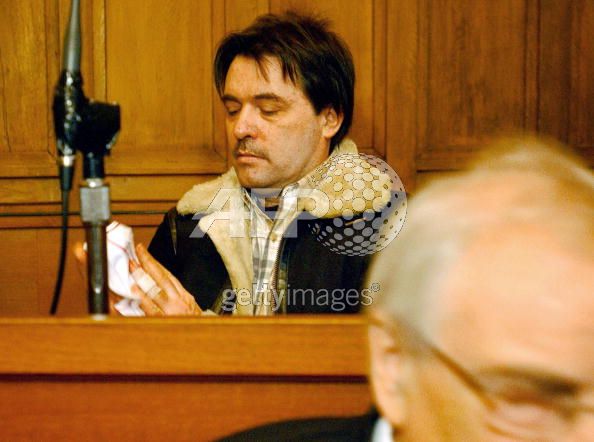
Following his recovery in the hospital, Roux-Durrafourt confessed to the shootings. He was tried and sentenced to life imprisonment on March 29, 2005, for the murder of four individuals and the attempted murder of ten others.
5. Psychiatric Evaluation and Conclusion
French authorities described the event as an act of "murderous madness." Psychiatric assessments pointed to his emotional instability and deep-seated resentment toward his employer as the primary catalysts for his violent outburst.