




Forensic & Criminological Matrix
| Parameter | Forensic Detail |
|---|---|
| Forensic Heading / Aliases | N/A |
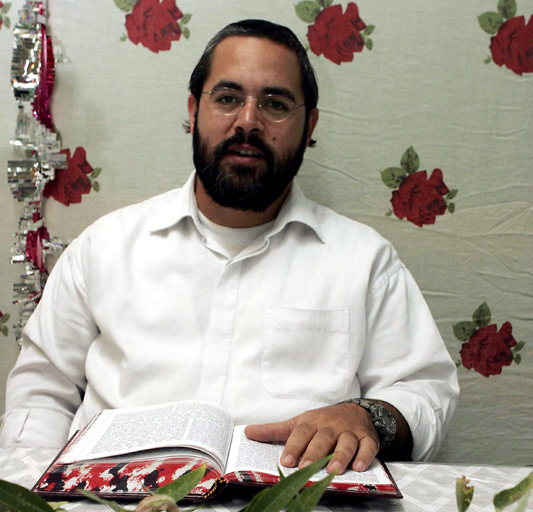
| Legal Identity | Ami Popper |
| Confirmed Victims | 7 |
| Attributed / Indicted Victims | 7 |
| Active Timeline | May 20, 1990 |
| Jurisdiction / Area of Operations | Rishon LeZion, Israel |
| Criminological Classification | Mass Murderer |
| Forensic Modus Operandi | Summary execution via firearm after identity check |
| Weapon / Mechanism of Death | M-16 Assault Rifle |
| Motive / Behavioral Dynamics | Revenge / Psychological Trauma (alleged) |
| Judicial Outcome | Seven life sentences (commuted to 40 years) |
1. Background and Profile
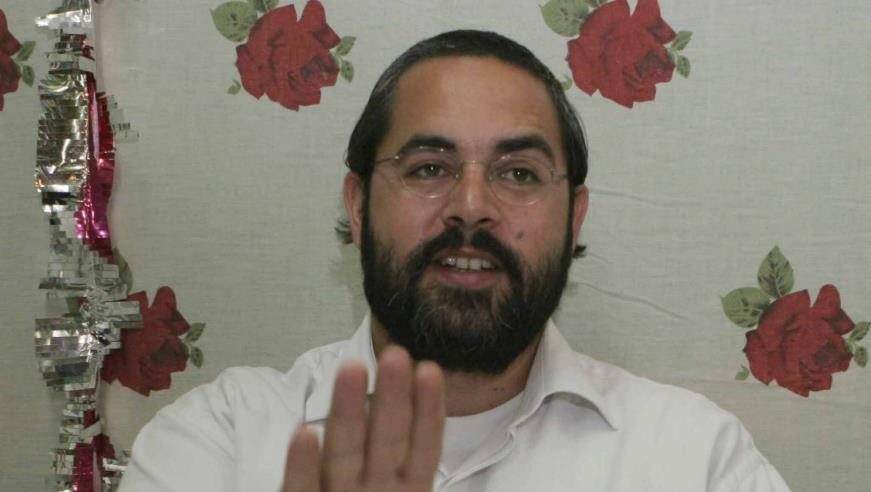
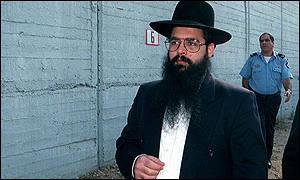
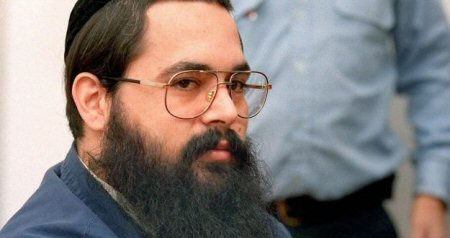
Ami Popper, born in 1969, was a former soldier in the Israel Defense Forces who received a dishonorable discharge. His psychological state became a focal point of his trial, with conflicting narratives ranging from emotional distress over a failed relationship to a claim of having been gang-raped by Arabs at age 13, which he cited as the primary motivation for his actions.
2. Crime Spree
On May 20, 1990, Popper donned his military uniform and armed himself with an M-16 rifle stolen from his brother. He approached a group of Palestinian laborers at a bus stop in Rishon LeZion, demanded their identification, and upon confirming their ethnicity, lined them up and opened fire. Seven men were killed, and ten others were wounded. The massacre triggered widespread riots across the occupied territories.
3. Investigation and Arrest
Popper was apprehended by Israeli police within an hour of the shooting after he contacted authorities. He had fled the scene in a vehicle belonging to one of his victims. A five-man psychiatric panel evaluated him and concluded he was fit to stand trial, rejecting his defense team's claims of mental instability.
4. Legal Proceedings and Outcome
In March 1991, the Tel Aviv District Court convicted Popper of seven counts of murder. He was sentenced to seven consecutive life terms. In 1999, his sentence was commuted to 40 years by the Israeli president, a move that drew significant criticism from Palestinian human rights groups and political figures.
5. Psychiatric Assessment and Aftermath
While incarcerated, Popper became religious and married. In 2007, during a 48-hour prison furlough, he was involved in a fatal car accident that claimed the lives of his wife and one of his sons. Popper remains a significant figure in the history of Israeli-Palestinian violence, serving his sentence at Ma'asiyahu Prison.