Forensic & Criminological Matrix
| Parameter | Forensic Detail |
|---|---|
| Forensic Heading / Aliases | null |
| Legal Identity | Baruch Kappel Goldstein |
| Confirmed Victims | 29 |
| Attributed / Indicted Victims | 29 |
| Active Timeline | February 25, 1994 |
| Jurisdiction / Area of Operations | Hebron, West Bank |
| Criminological Classification | Mass Murderer |
| Forensic Modus Operandi | Armed assault with assault rifle in a closed space |
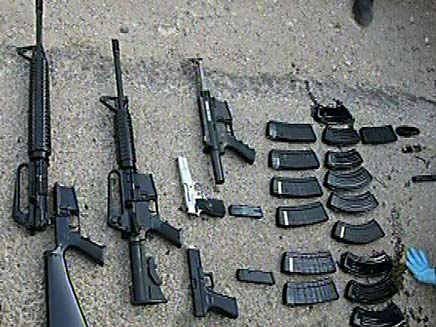
| Weapon / Mechanism of Death | IMI Galil rifle |
| Motive / Behavioral Dynamics | Ideological and religious extremism |
| Judicial Outcome | Deceased at the scene |
1. Background and Profile
Baruch Kappel Goldstein was born in Brooklyn, New York, to an Orthodox Jewish family. He was educated at the Yeshivah of Flatbush and Yeshiva University, later earning his medical degree from the Albert Einstein College of Medicine. He was a long-time devotee of the Jewish Defense League (JDL) and its founder, Rabbi Meir Kahane. After moving to Israel, he served as a physician in the Israeli Defense Forces (IDF).
2. Criminal Career and Modus Operandi
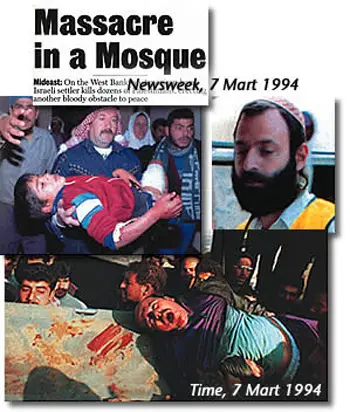
On February 25, 1994, during the Purim holiday, Goldstein entered the Ibrahimi Mosque section of the Cave of the Patriarchs. Wearing his IDF reserve uniform, he opened fire on worshippers. The attack resulted in 29 deaths and over 150 injuries. The use of his military uniform was a calculated tactic to ensure access and minimize initial resistance.
3. Investigation and Arrest
The Shamgar Commission investigated the massacre, confirming the premeditated nature of the attack. Prime Minister Yitzhak Rabin condemned the act as a "loathsome, criminal act of murder." The aftermath saw widespread protests and a two-week curfew imposed on the Palestinian population of Hebron.
4. Legal Proceedings and Outcome
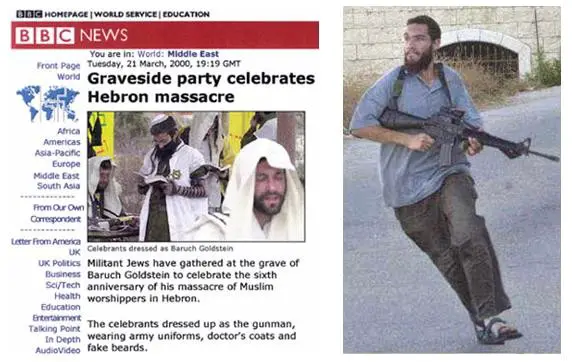
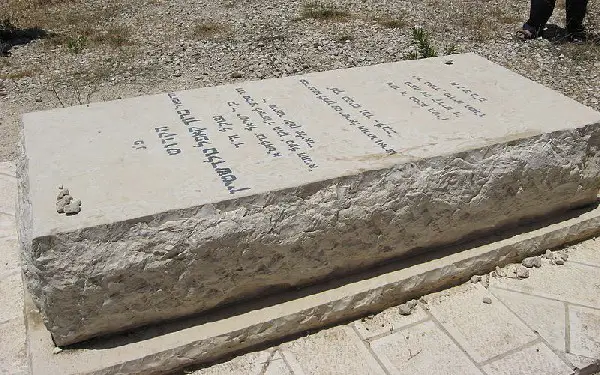
Goldstein was not brought to trial as he was subdued and beaten to death by survivors at the scene. His actions led to the banning of the Kach party in Israel. In 1999, following a Supreme Court ruling, the Israeli military demolished the shrine and prayer area that had been erected at his gravesite in Kiryat Arba, citing laws against monuments to terrorists.