



Forensic & Criminological Matrix
| Parameter | Forensic Detail |
|---|---|
| Forensic Heading / Aliases | N/A |
| Legal Identity | Omar Mir Seddique Mateen |
| Confirmed Victims | 49 |
| Attributed / Indicted Victims | 49 |
| Active Timeline | June 12, 2016 |
| Jurisdiction / Area of Operations | Orlando, Florida, USA |
| Criminological Classification | Mass Murderer / Domestic Terrorist |
| Forensic Modus Operandi | Active shooter in confined space |
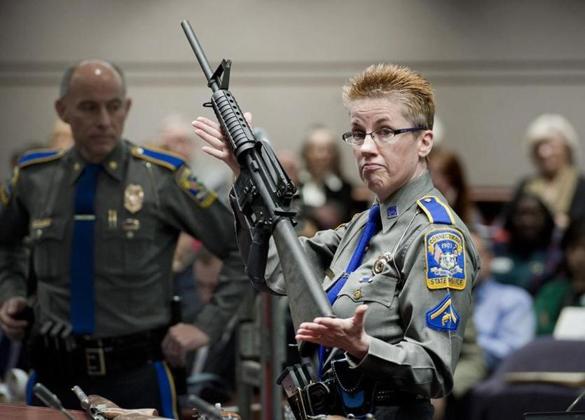
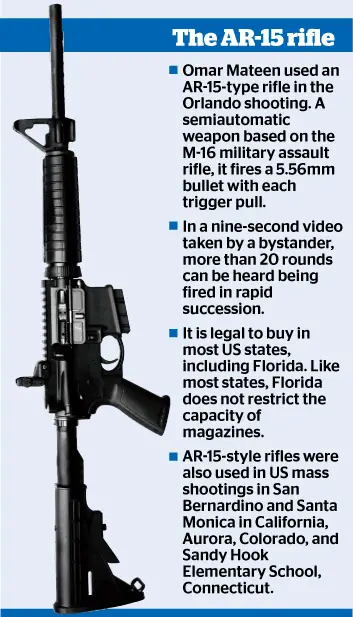
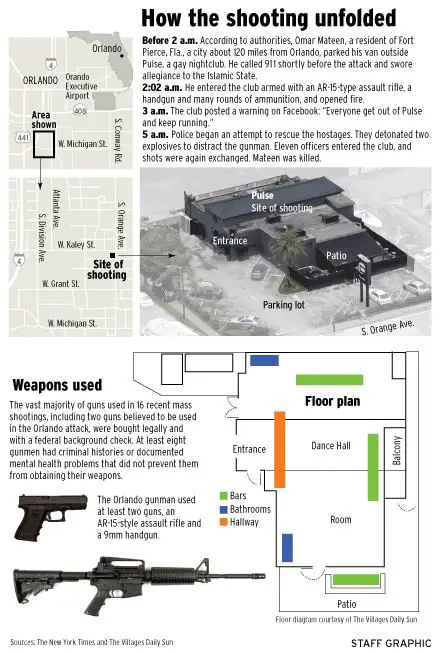
| Weapon / Mechanism of Death | AR-15 semi-automatic rifle and handgun |
| Motive / Behavioral Dynamics | Ideological radicalization and homophobia |
| Judicial Outcome | Deceased in police shootout |
1. Background and Profile
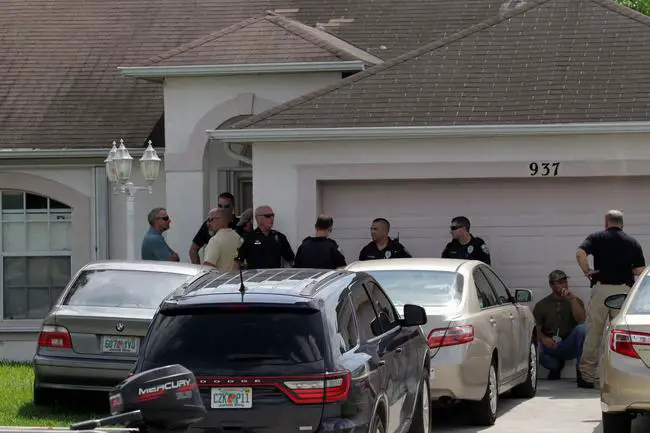
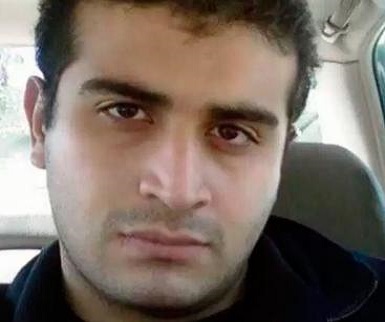
Omar Mir Seddique Mateen was born on November 16, 1986, in New York. Of Afghan descent, he was raised in a family environment marked by internal tensions. He worked as a security guard, which provided him with training in firearm handling. His behavioral profile was subject to multiple FBI investigations prior to the event due to extremist statements made in his workplace.
2. Crime Spree
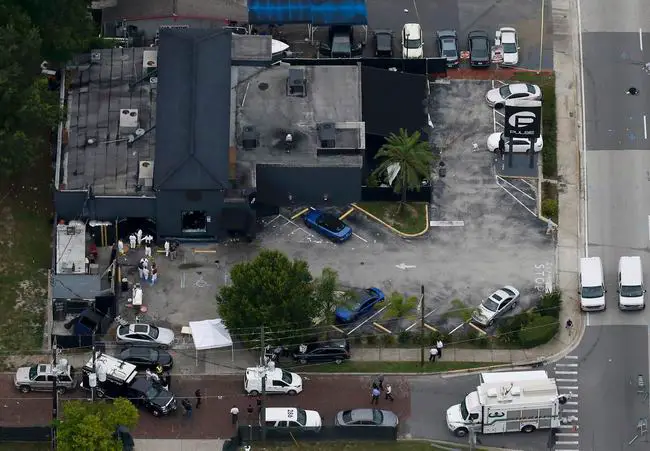
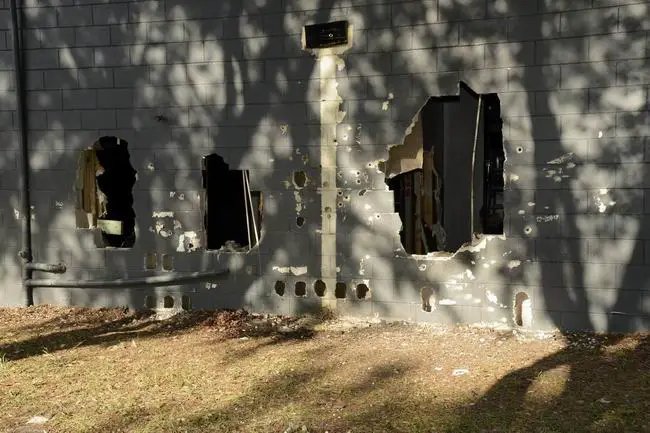
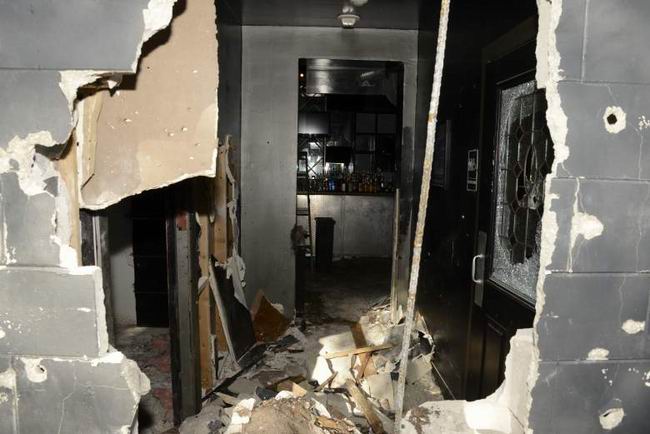
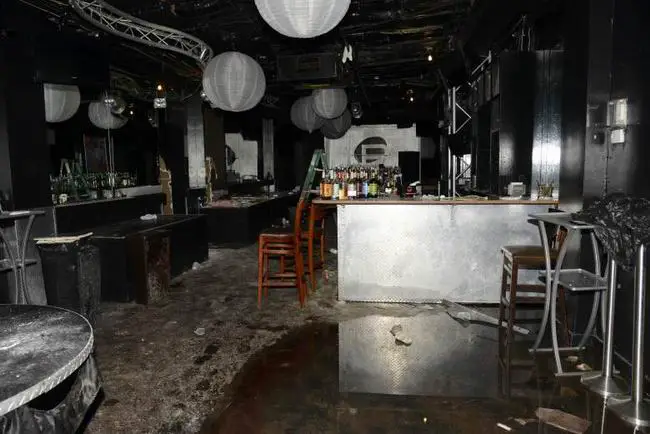
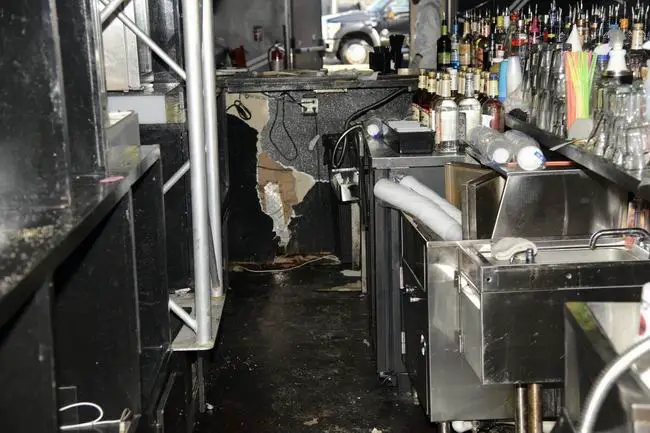
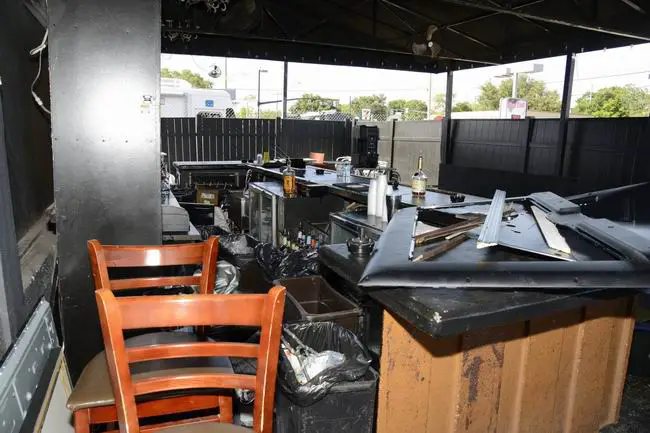
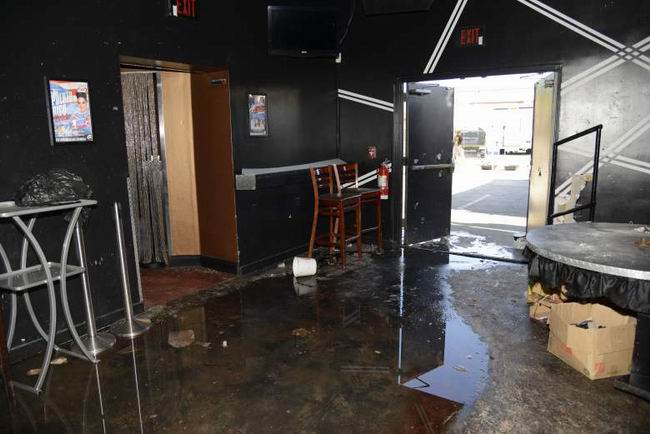
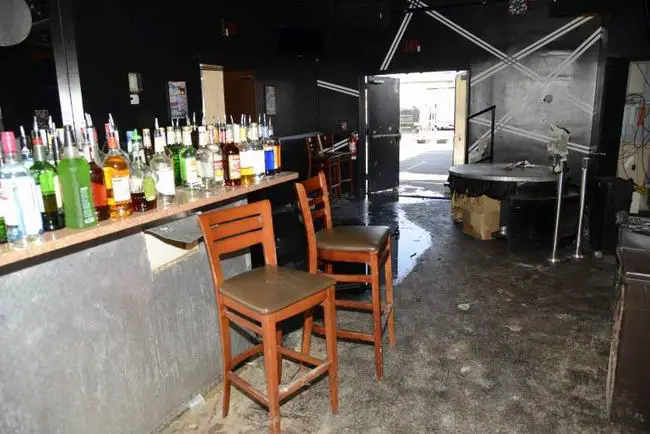
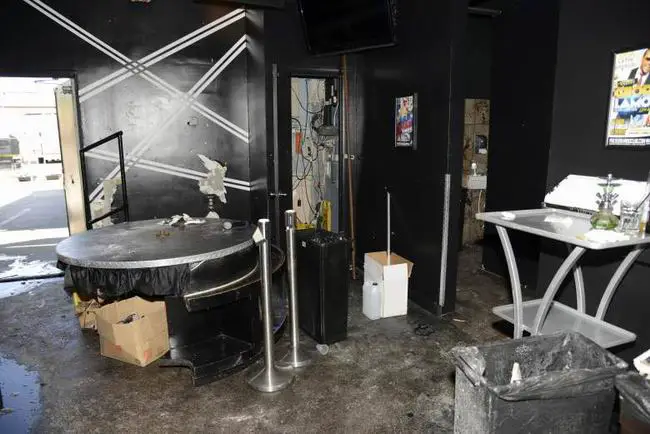
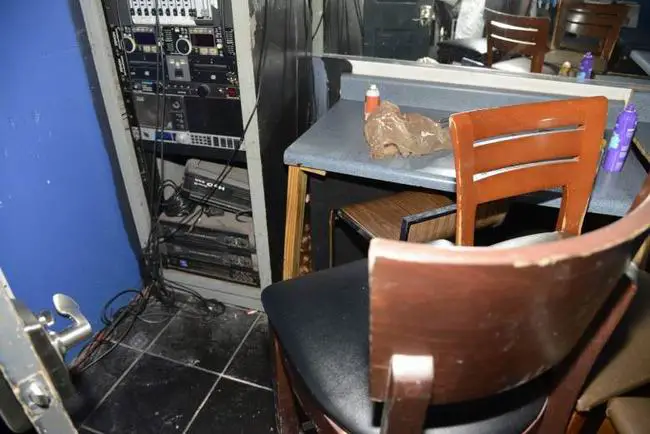
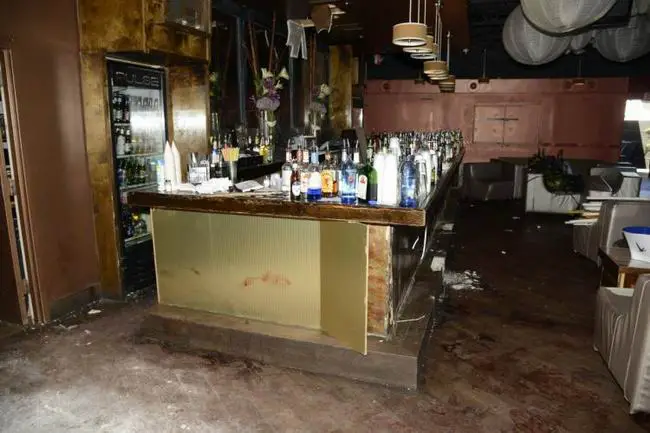
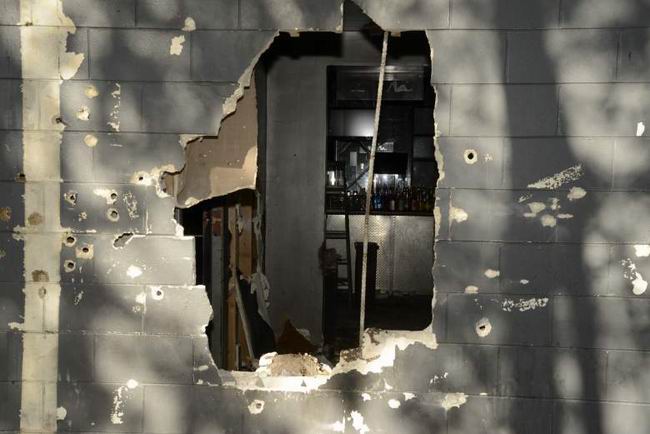
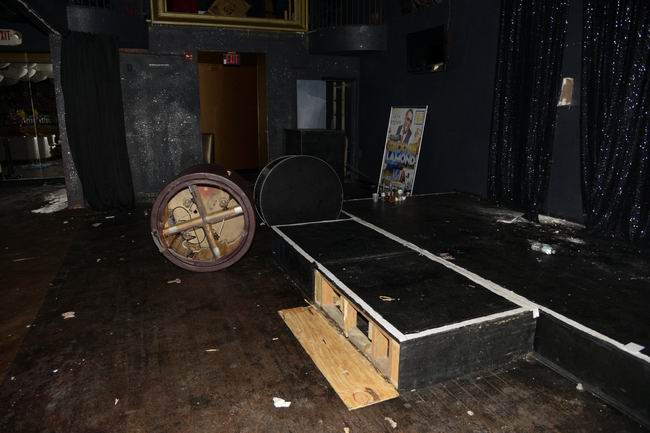
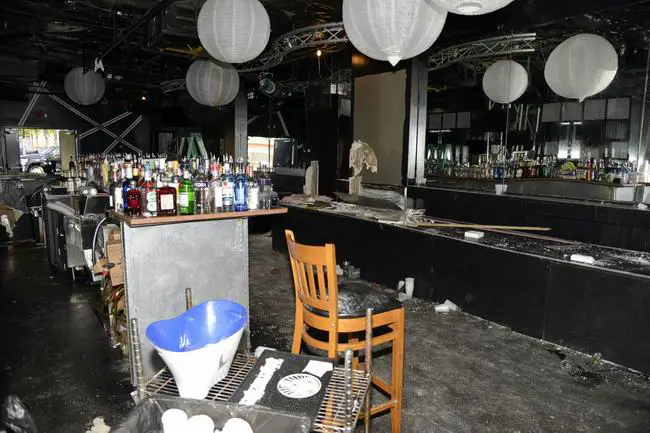
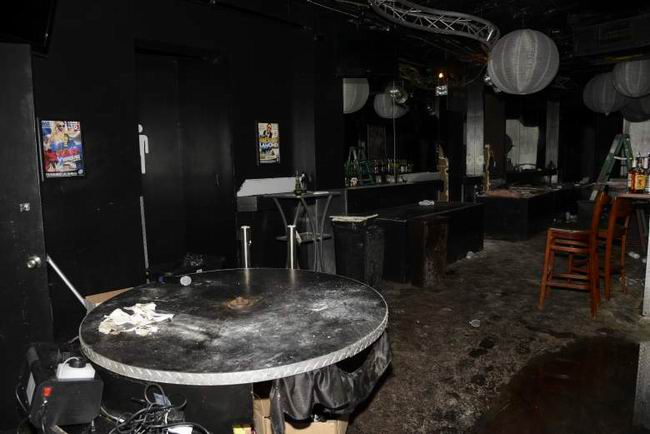
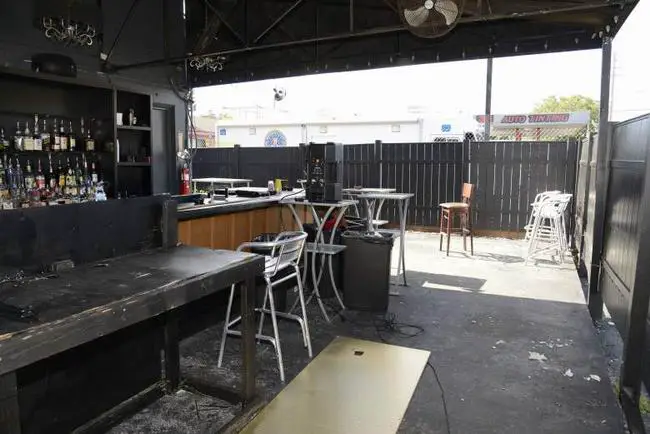
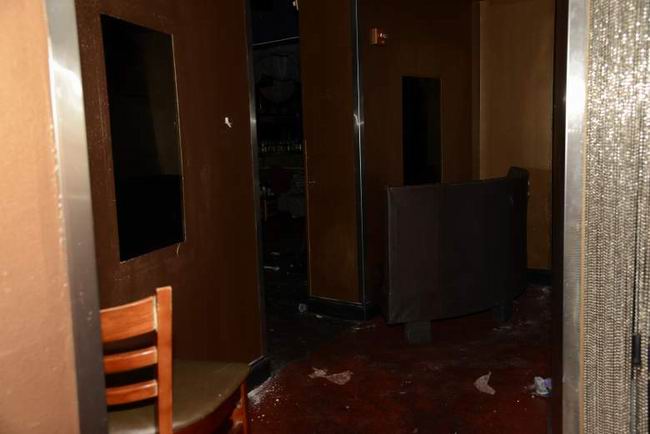
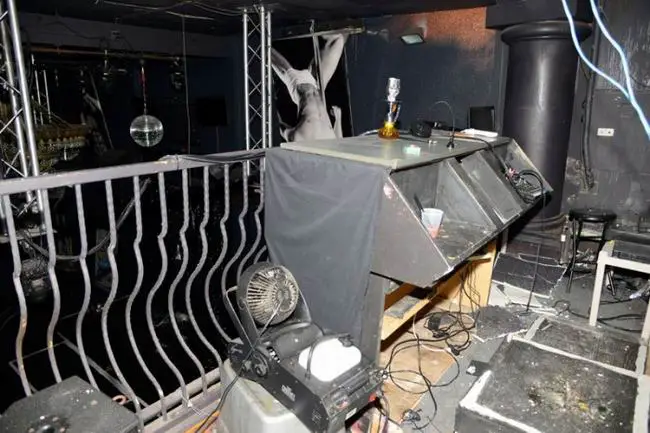
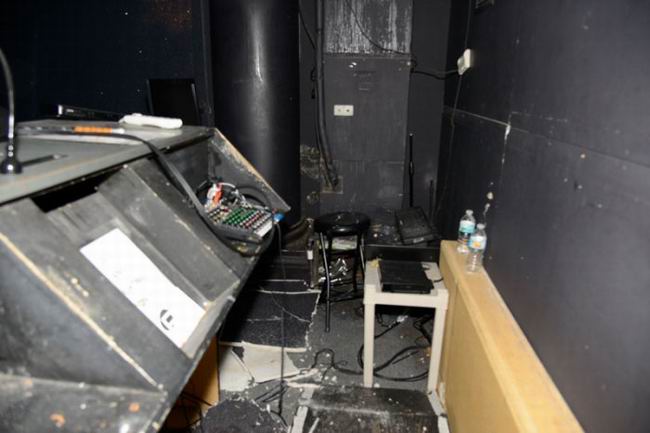
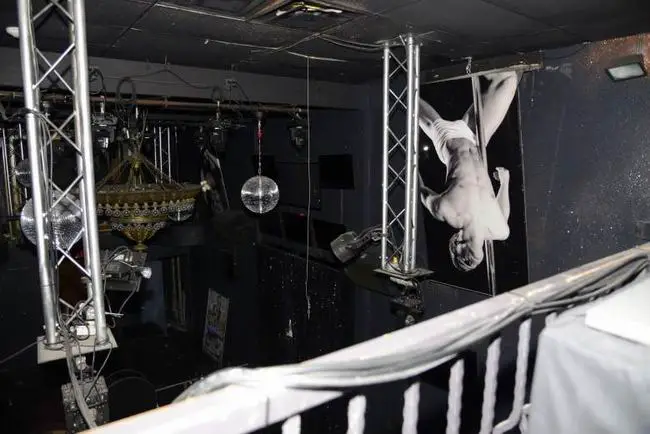
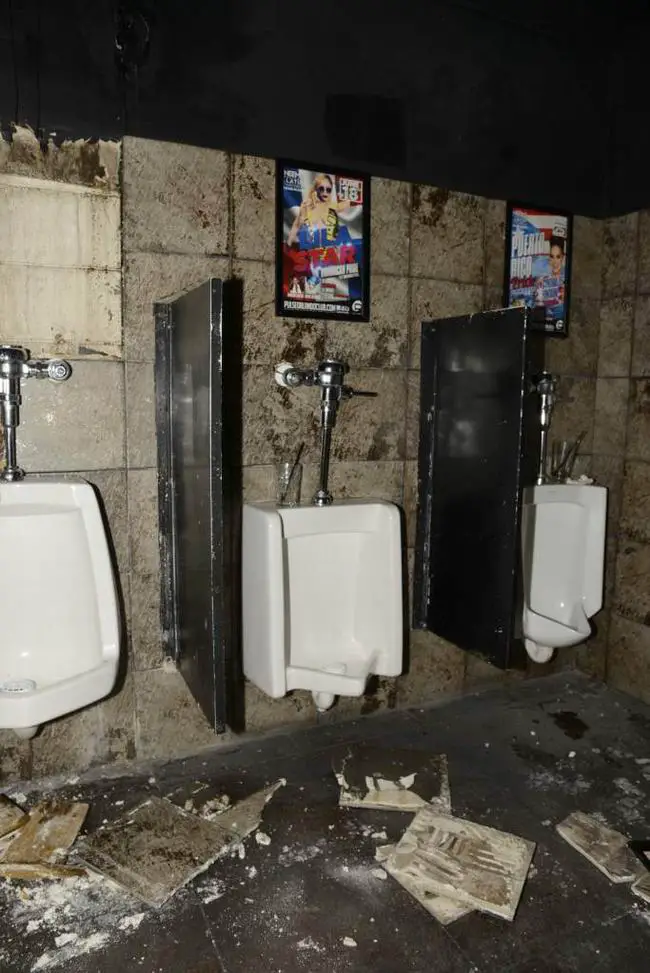
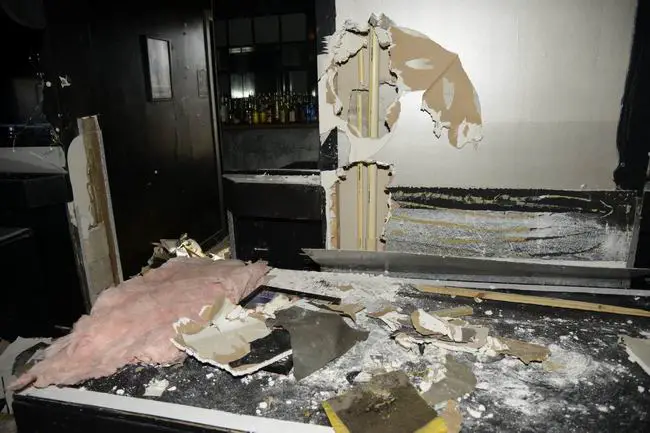
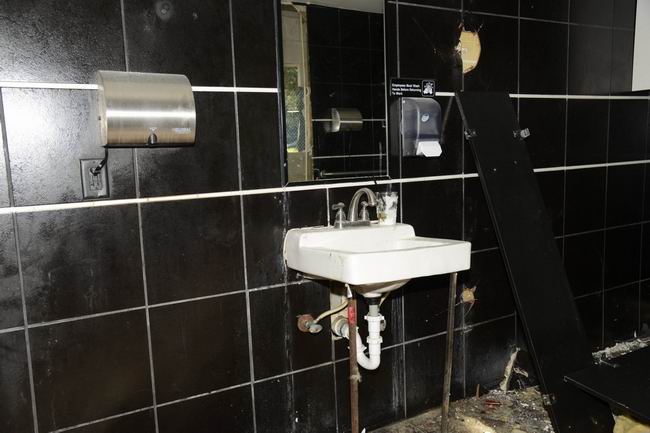
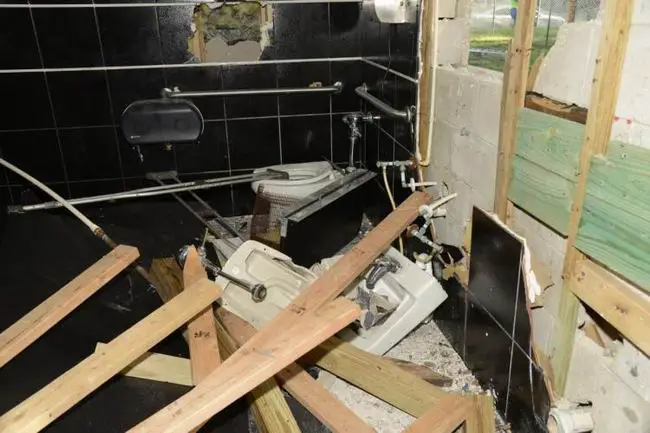
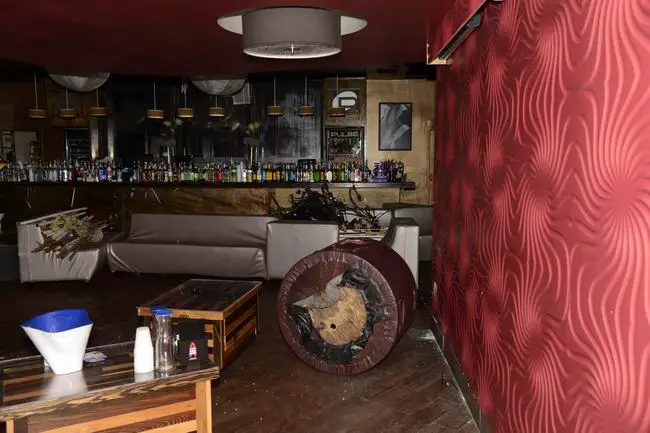
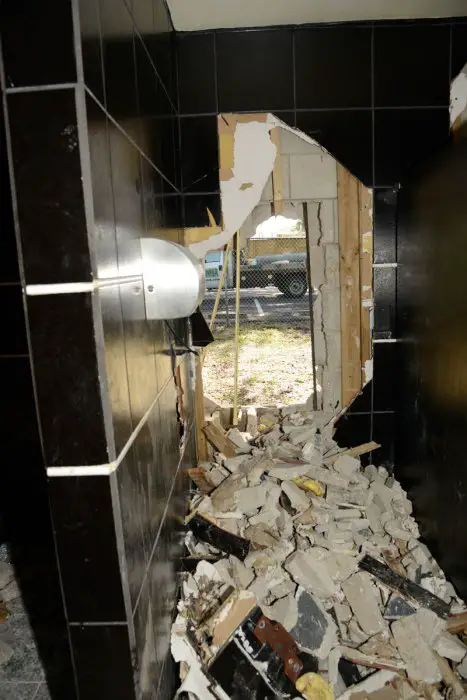
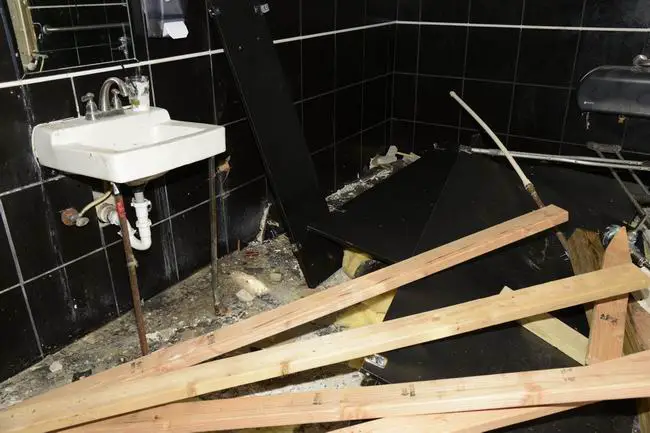
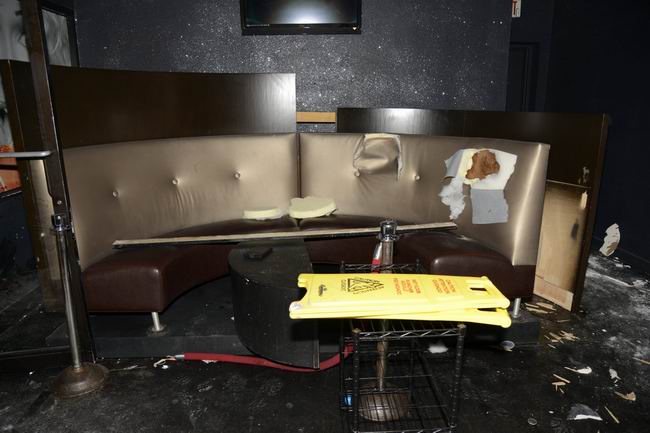
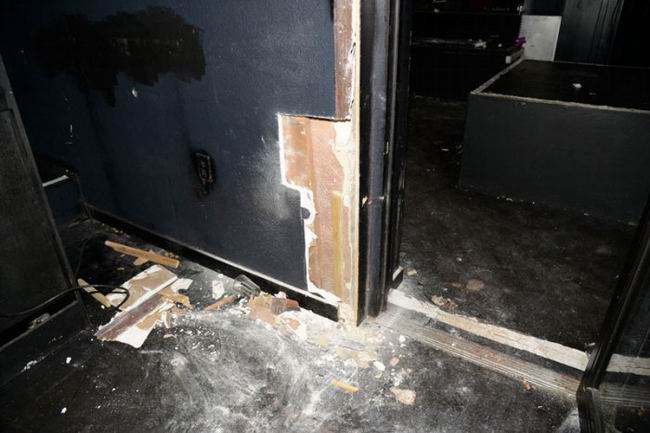
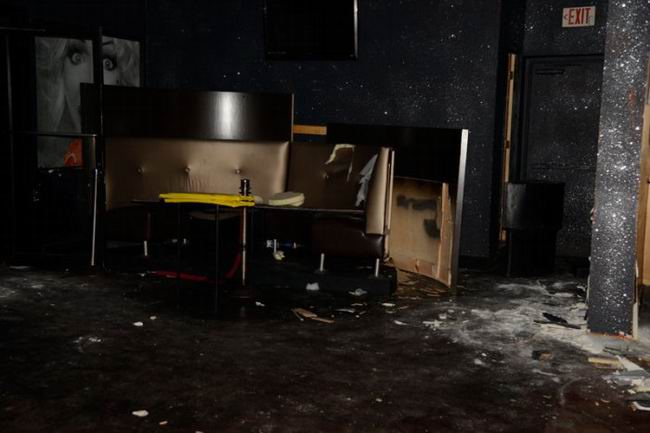
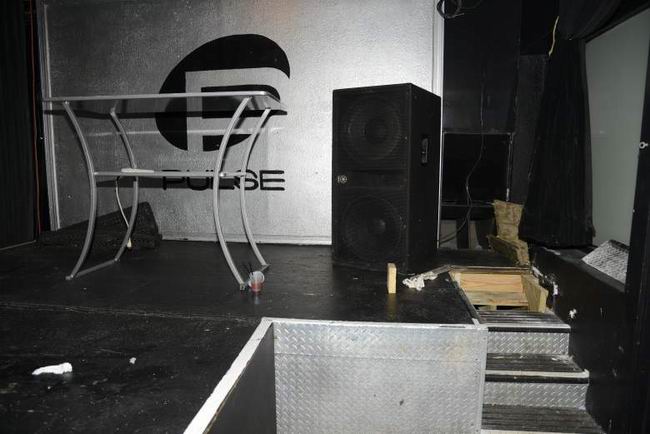
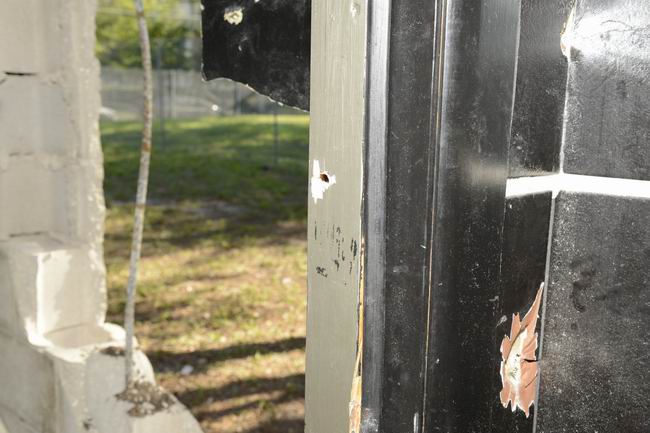
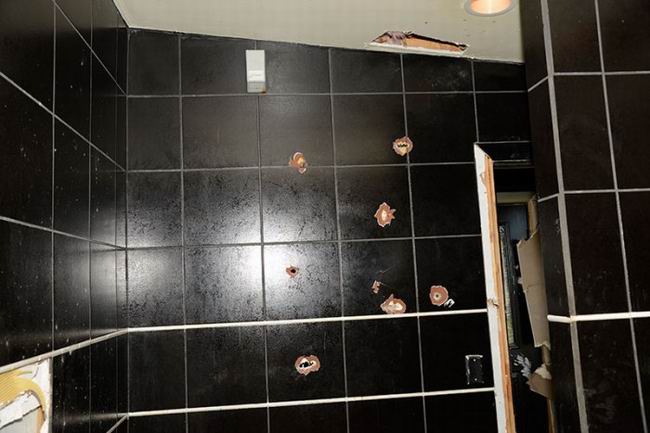
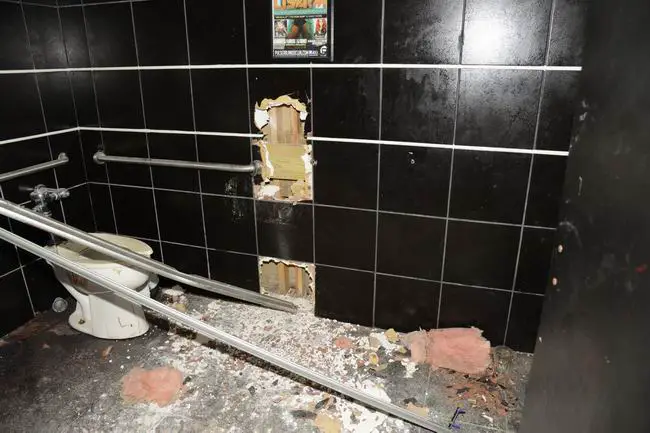
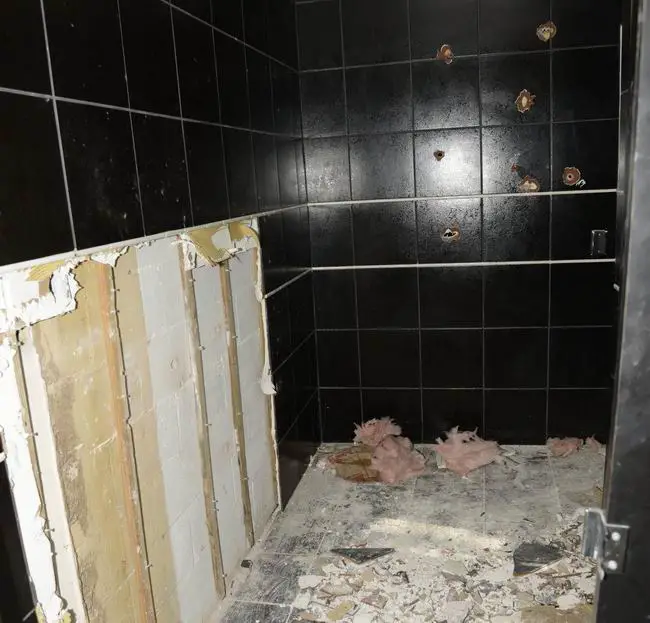
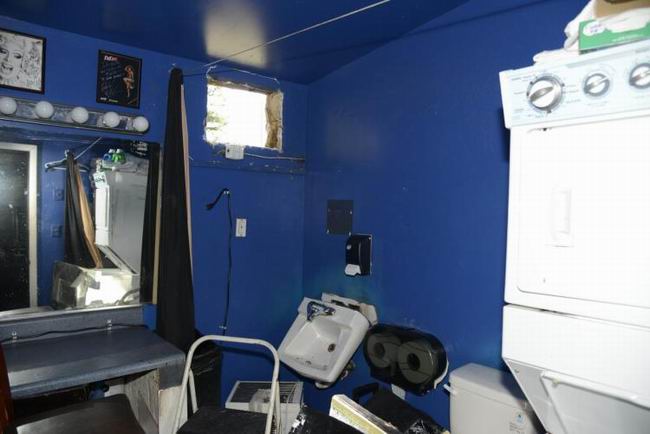
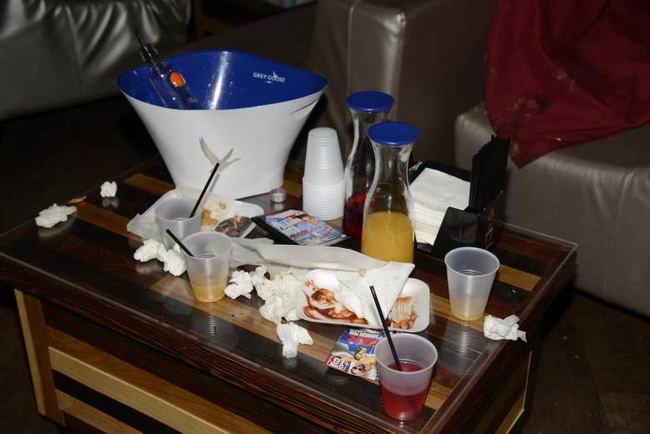
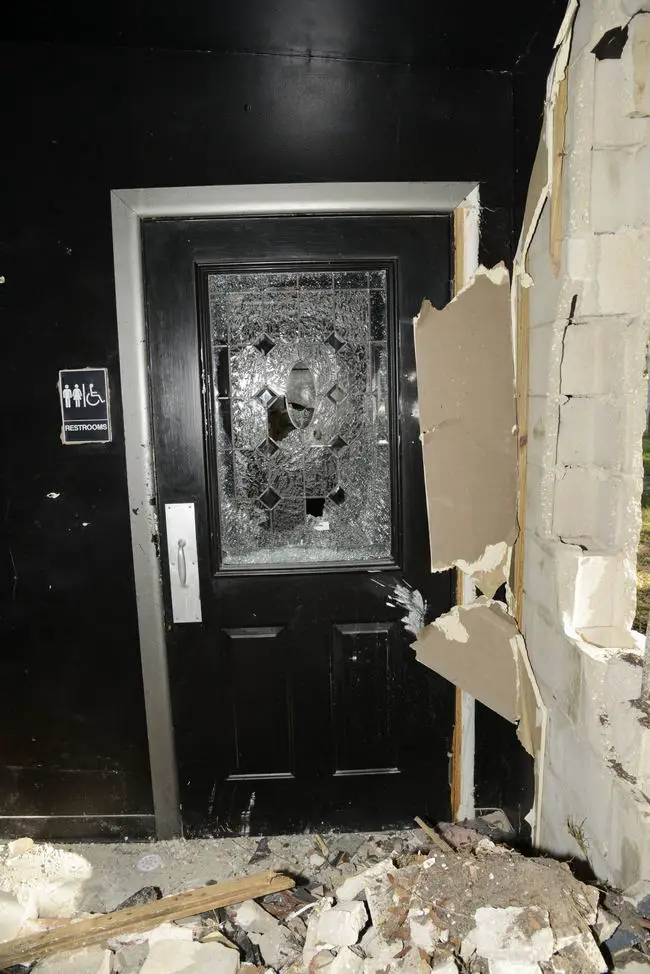
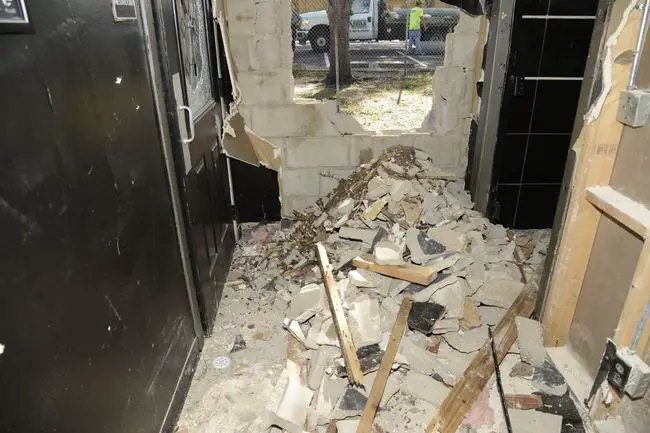
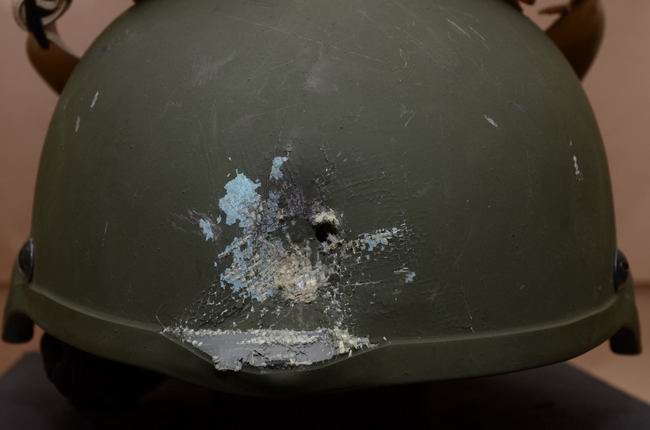
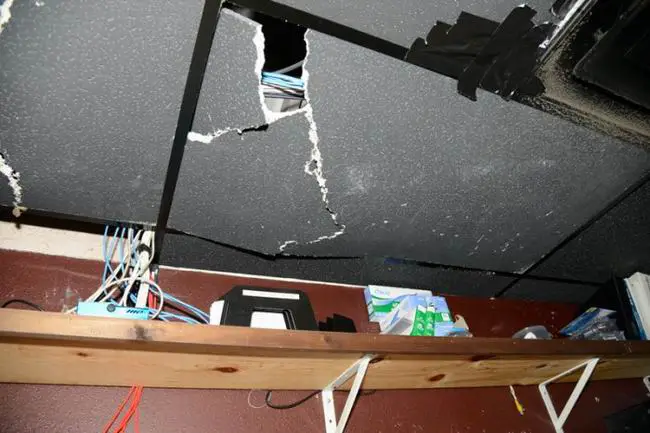
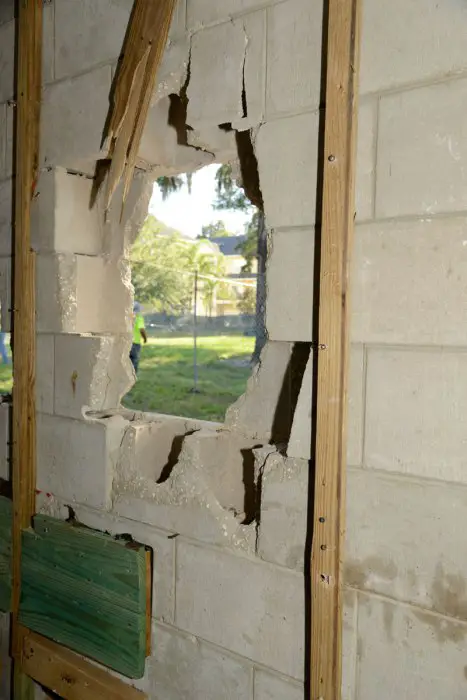
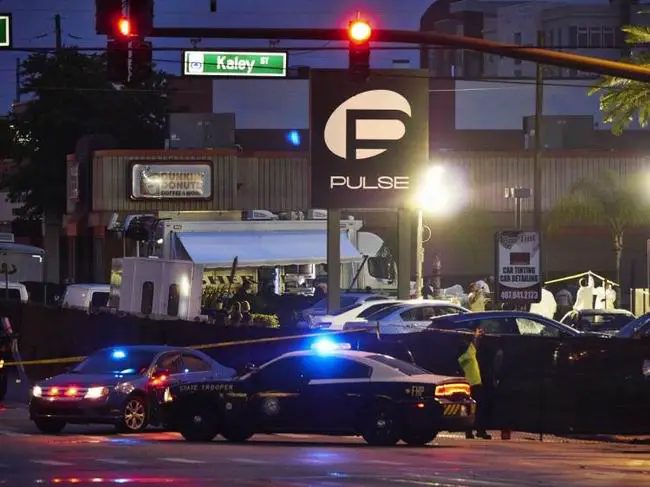
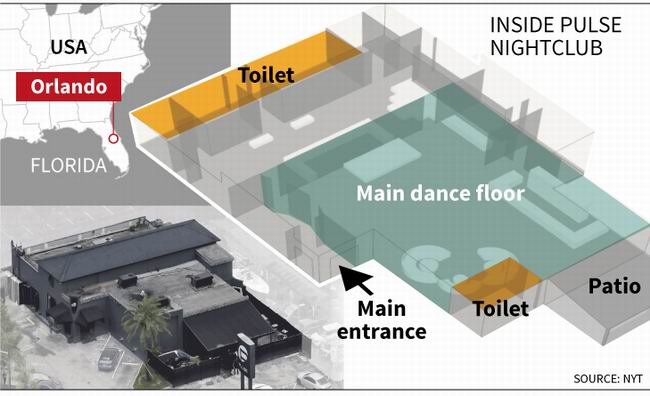
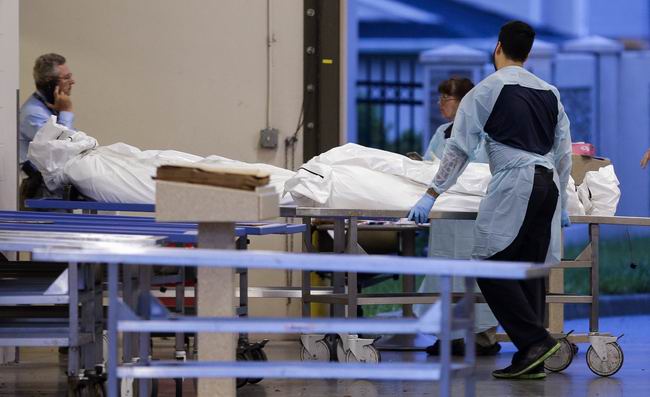
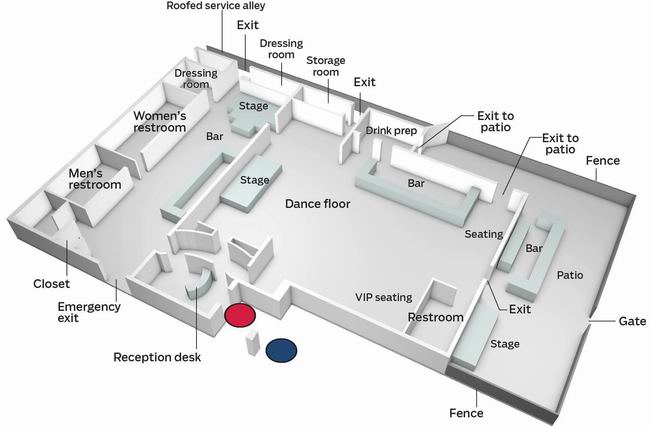
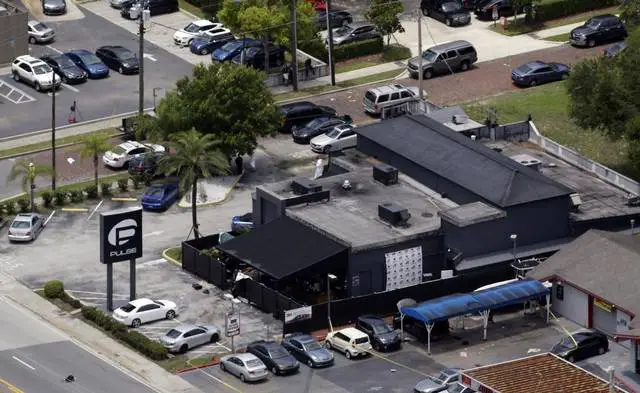
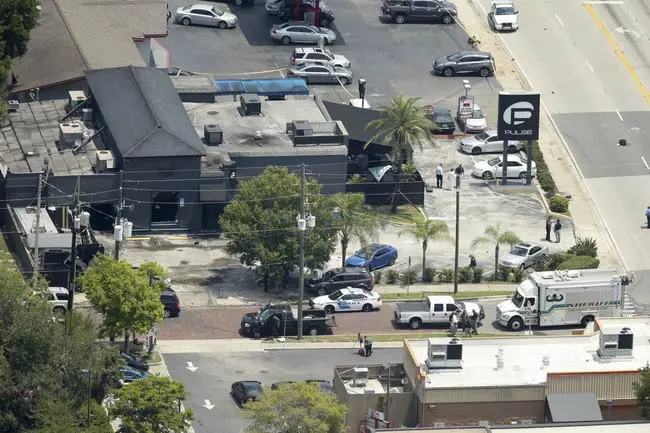
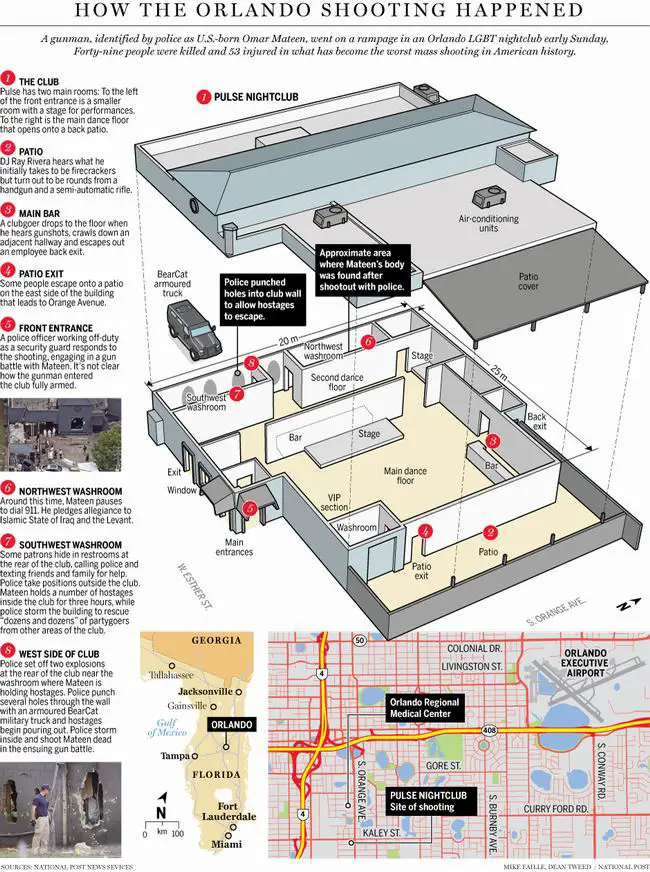
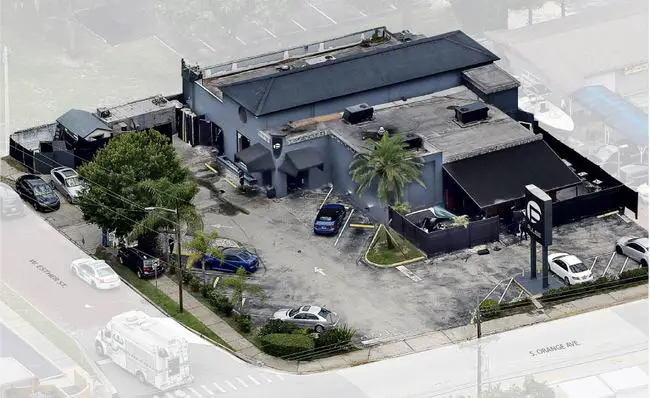
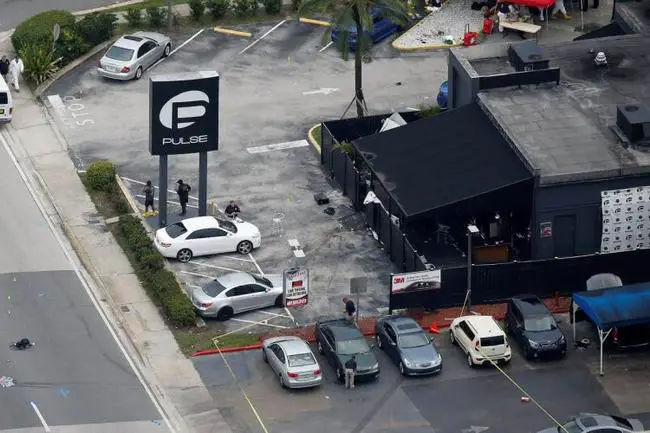
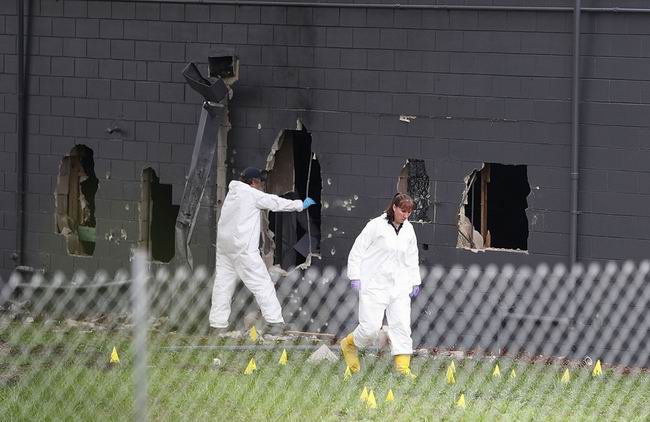
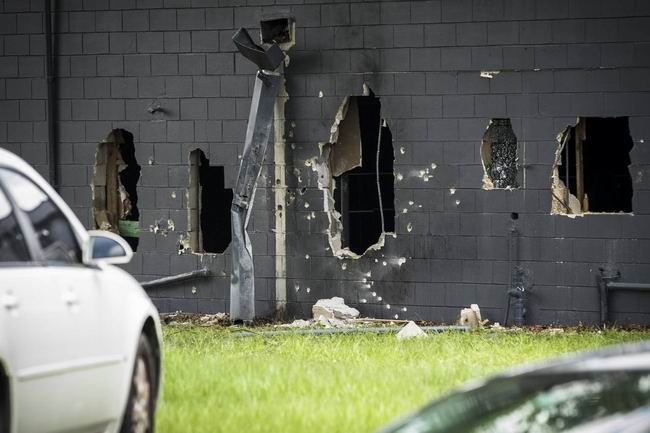
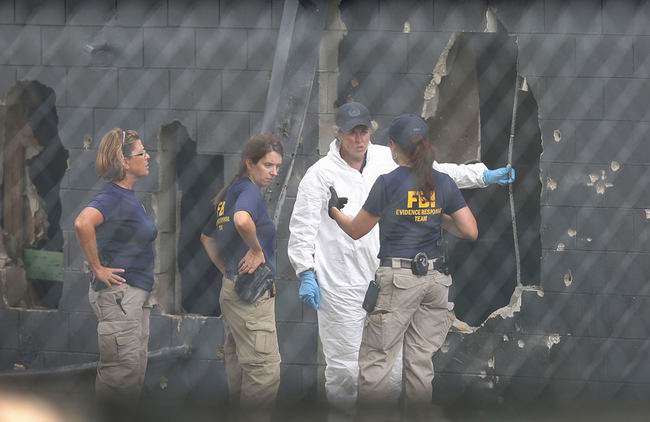
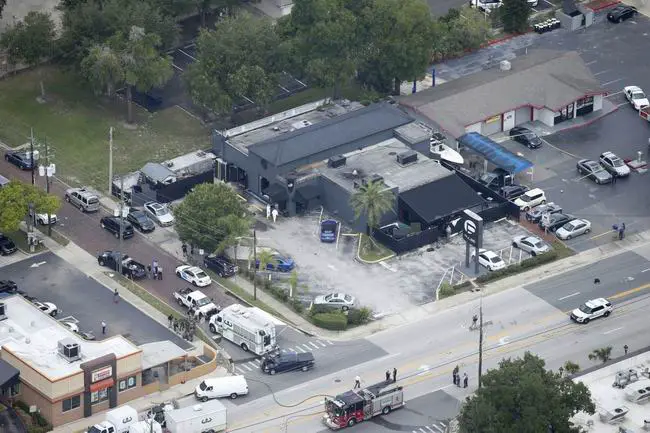
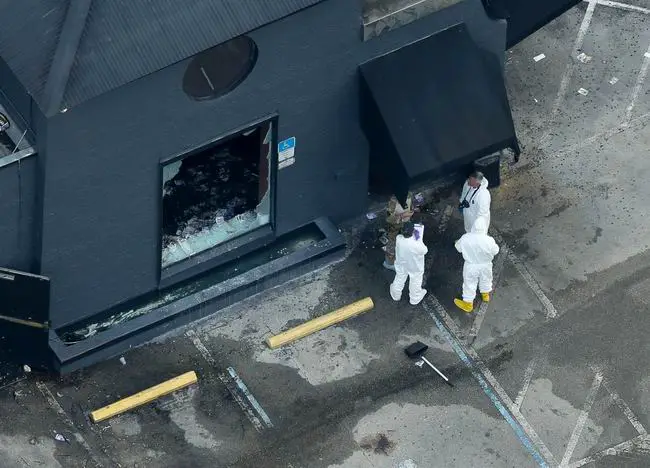
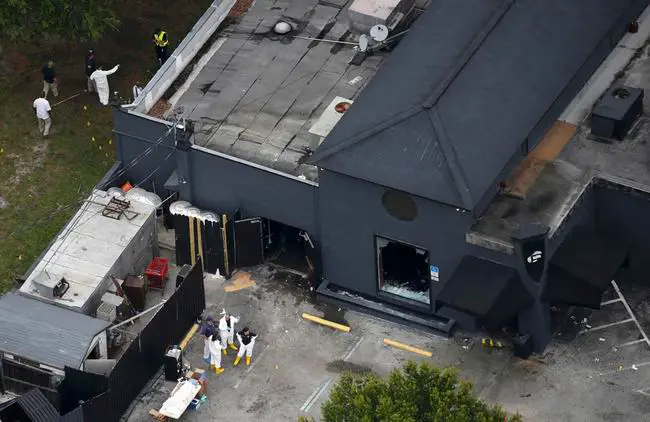
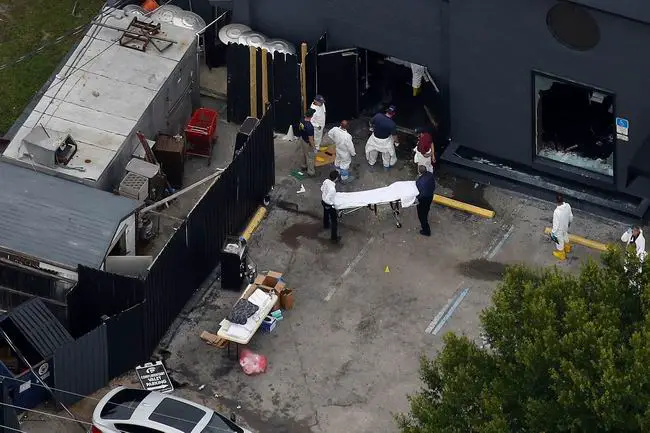
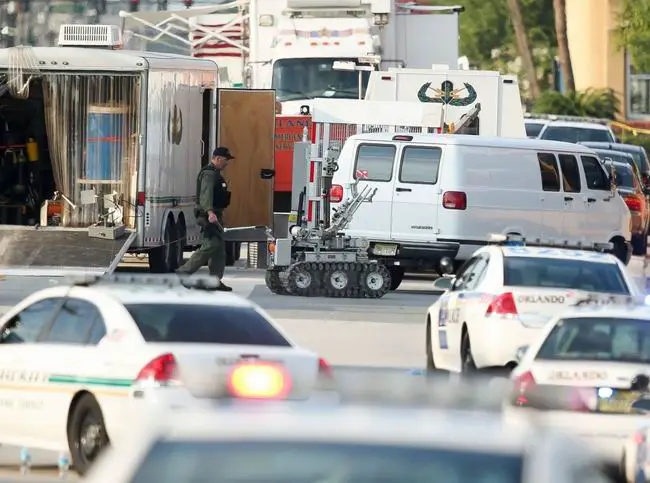
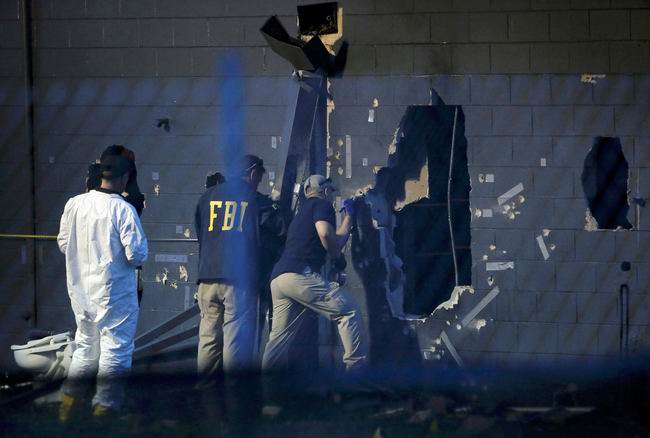
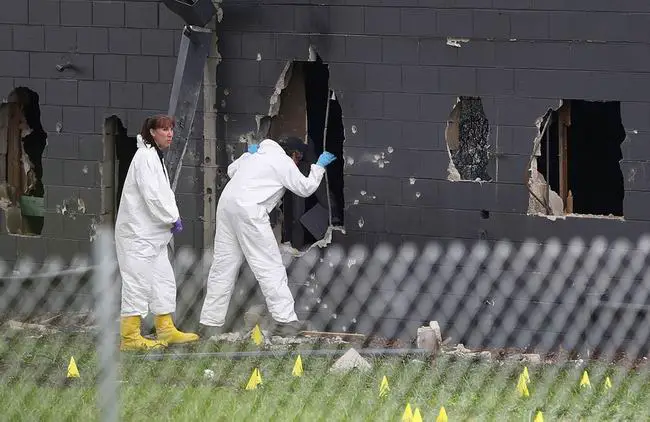
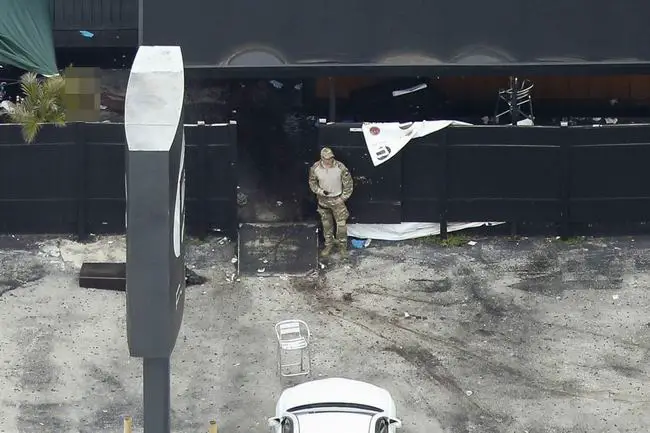
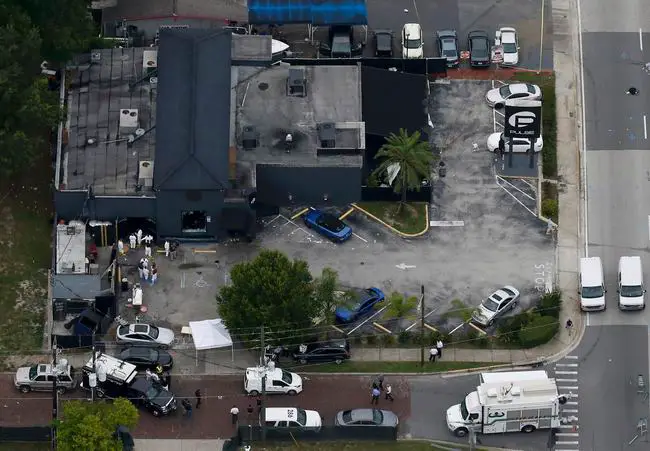
In the early hours of June 12, 2016, Mateen entered the Pulse nightclub in Orlando, Florida. Using an AR-15 semi-automatic rifle and a handgun, he initiated an indiscriminate shooting against the patrons. The attack, which lasted several hours, resulted in the deaths of 49 people and left 53 others wounded, becoming one of the deadliest acts of violence in modern U.S. history.
3. Investigation and Arrest
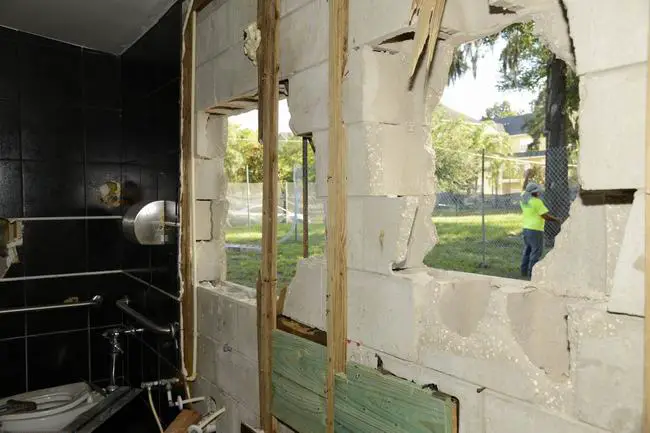
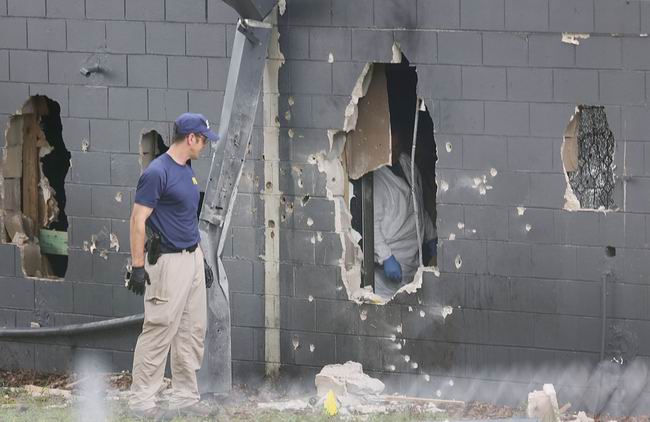
Police response was immediate, establishing a security perimeter after receiving the first emergency calls. During the siege, Mateen maintained phone communications where he pledged allegiance to international terrorist organizations. The SWAT team finally breached the premises after hours of failed negotiations, killing the perpetrator in an exchange of gunfire.
4. Legal Proceedings and Outcome
As the perpetrator died during the confrontation with law enforcement, no criminal trial was held. The case was closed at the investigative level after confirming his sole authorship and the absence of direct accomplices in the material execution of the attack.
5. Psychiatric Evaluation and Conclusion
Subsequent investigations suggested a complex mix of emotional instability, potential internalized homophobia, and accelerated ideological radicalization. The case remains a forensic landmark in the study of 'lone wolf' radicalization within U.S. territory.