Forensic & Criminological Matrix
| Parameter | Forensic Detail |
|---|---|
| Forensic Heading / Aliases | null |
| Legal Identity | James Bernard McNamara and John Joseph McNamara |
| Confirmed Victims | 21 |
| Attributed / Indicted Victims | 21 |
| Active Timeline | 1906-1911 |
| Jurisdiction / Area of Operations | Los Angeles, California |
| Criminological Classification | Labor terrorism / Mass murderers |
| Forensic Modus Operandi | Placement of timed explosive devices |
| Weapon / Mechanism of Death | Dynamite |
| Motive / Behavioral Dynamics | Labor conflict and anti-union suppression |
| Judicial Outcome | Life imprisonment (James) and 15 years (John) |
1. Background and Profile
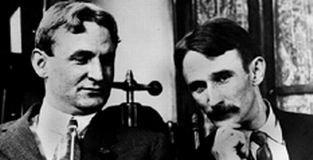
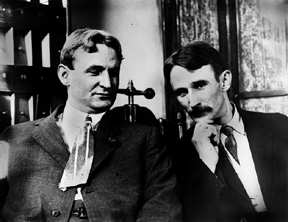
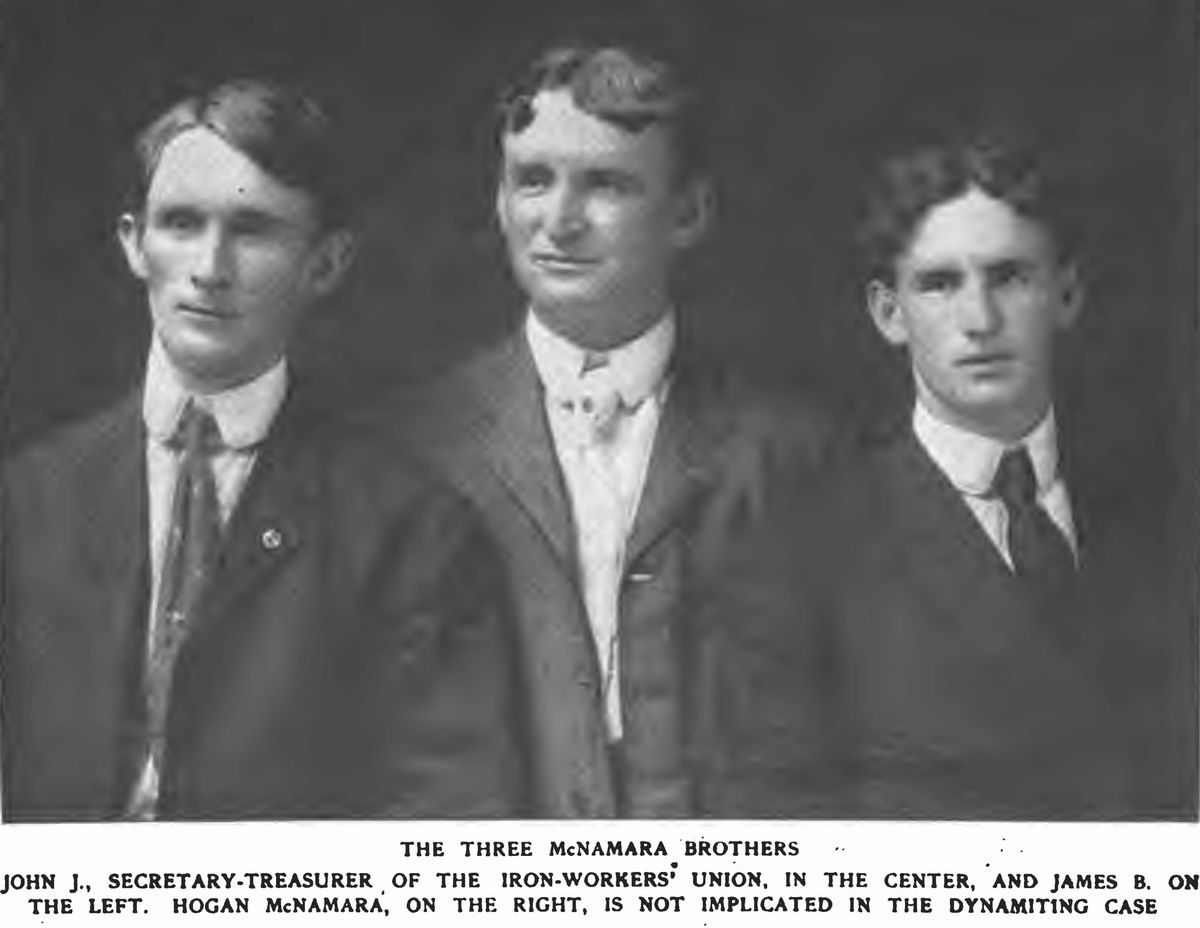
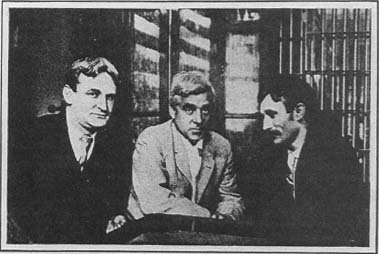
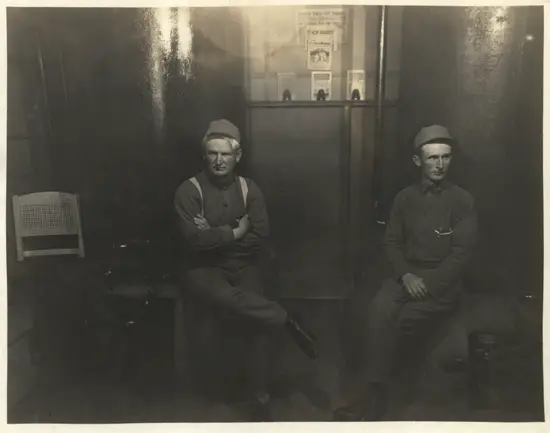
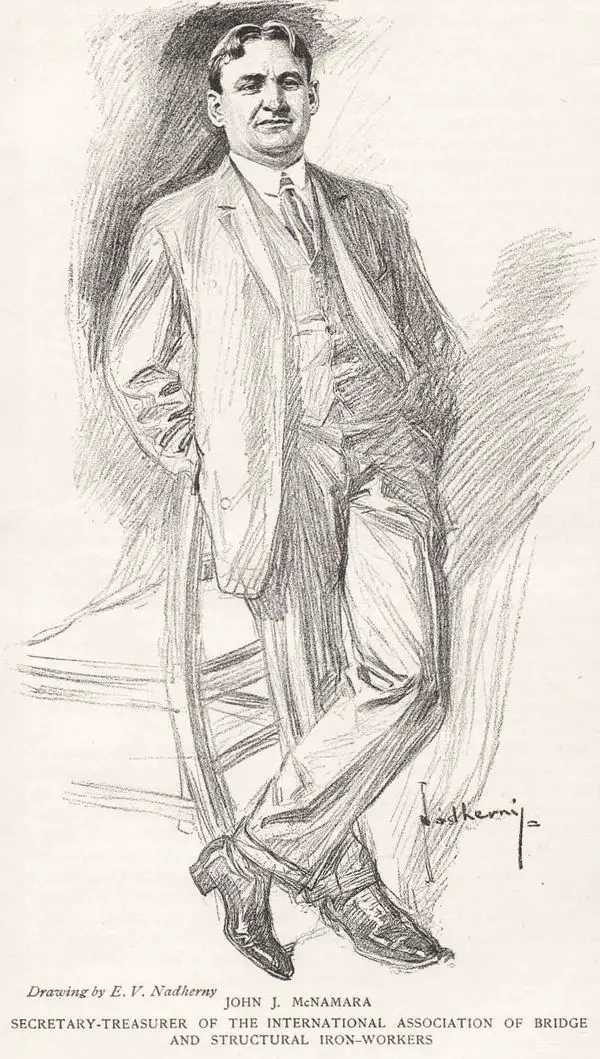
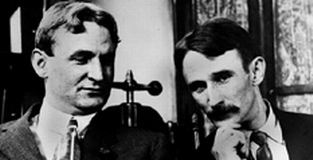
The McNamara brothers, James B. and John J., were prominent figures in the American labor movement. As members of the International Association of Bridge and Structural Iron Workers, they operated during a period of intense industrial strife. Their actions were a response to the aggressive 'open shop' campaigns led by employers such as Harrison Gray Otis.
2. Crime Spree
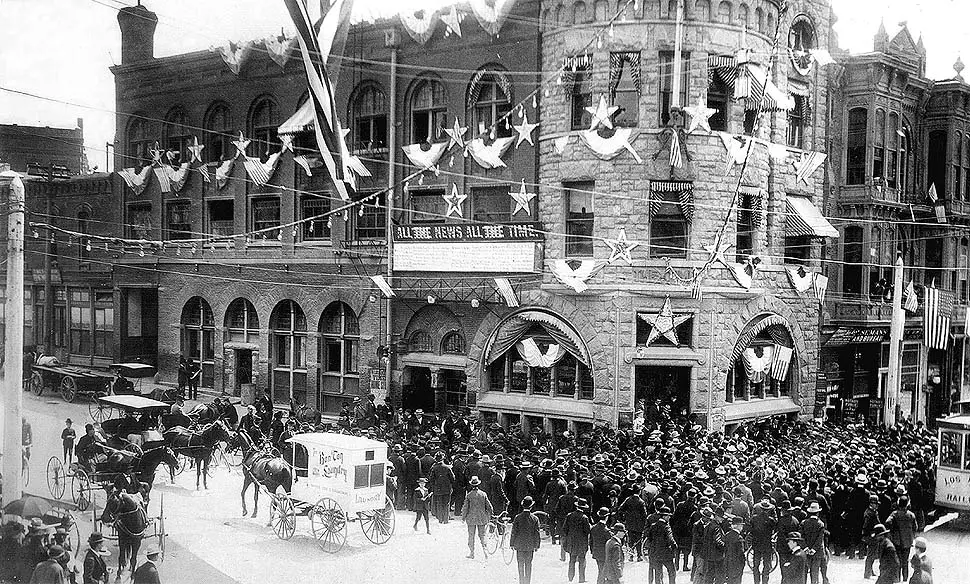
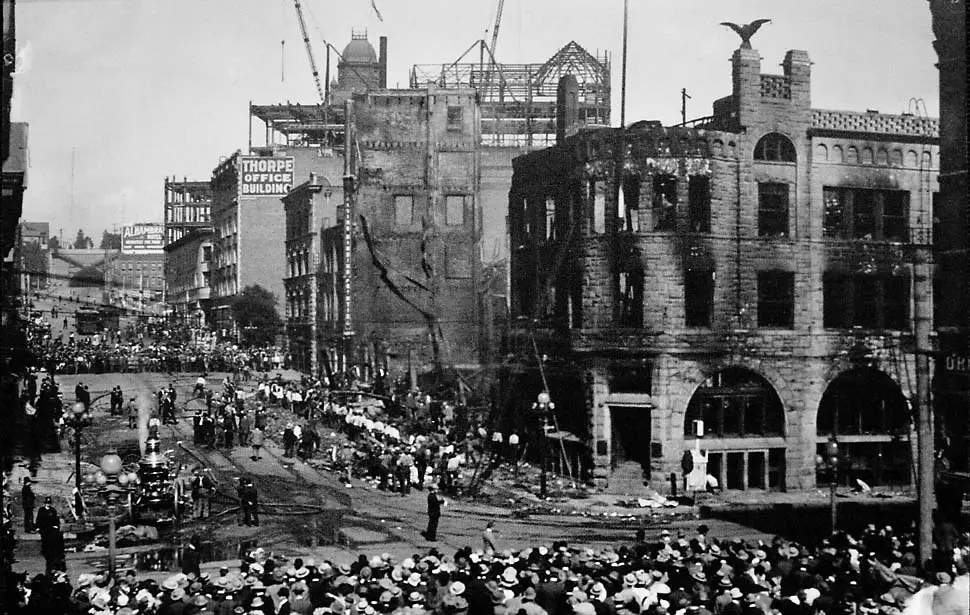
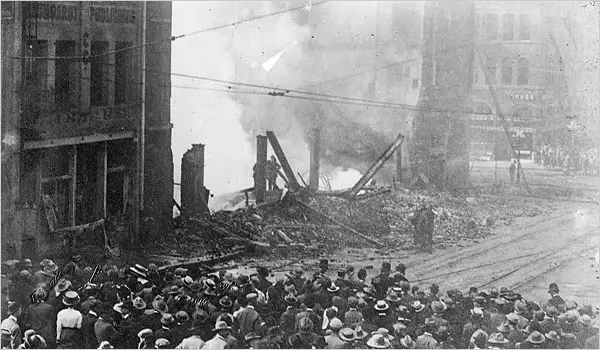
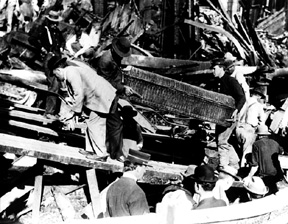
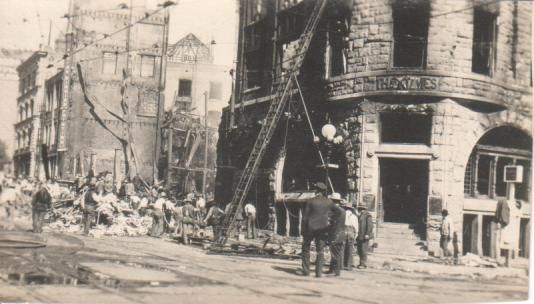
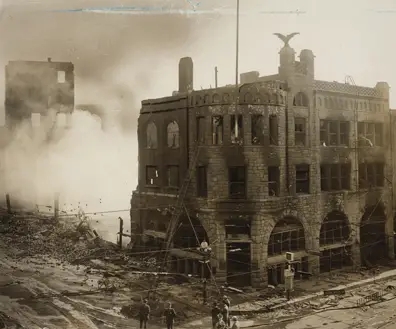
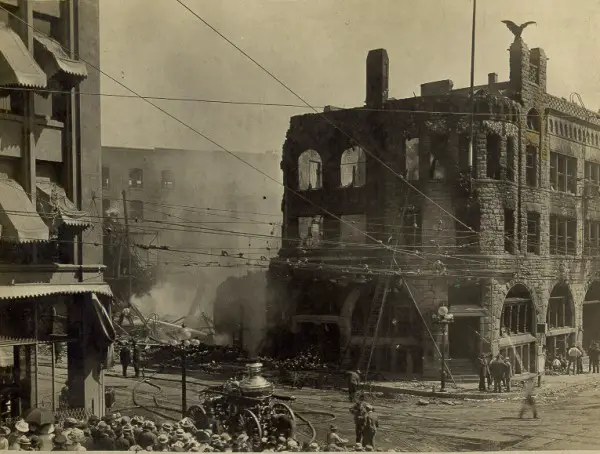
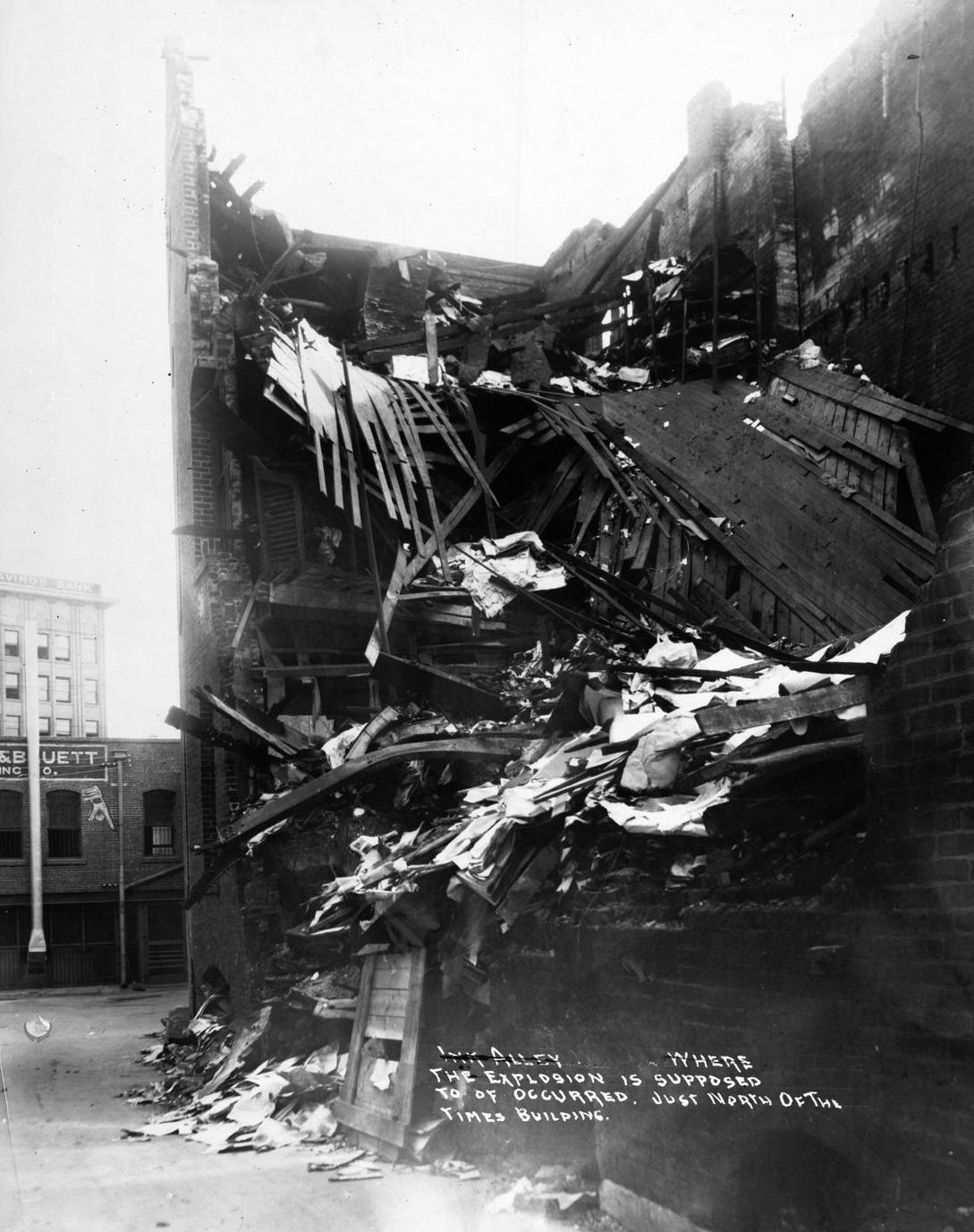
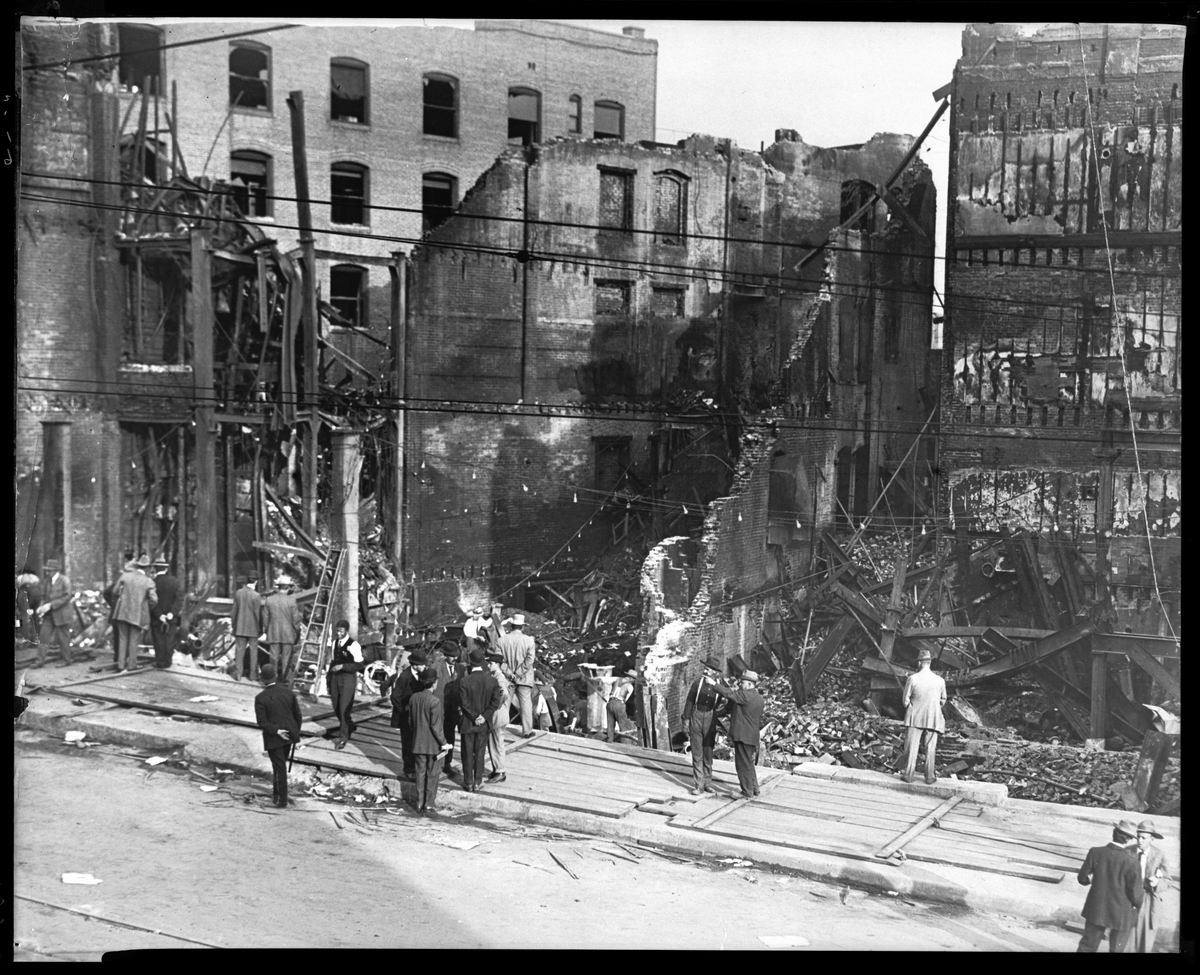
On October 1, 1910, the brothers detonated a bomb outside the Los Angeles Times building. The explosion, intended to destroy the printing facility, triggered a gas-fed fire that killed 21 newspaper employees. This event was labeled the 'crime of the century' by the press.
3. Investigation and Arrest
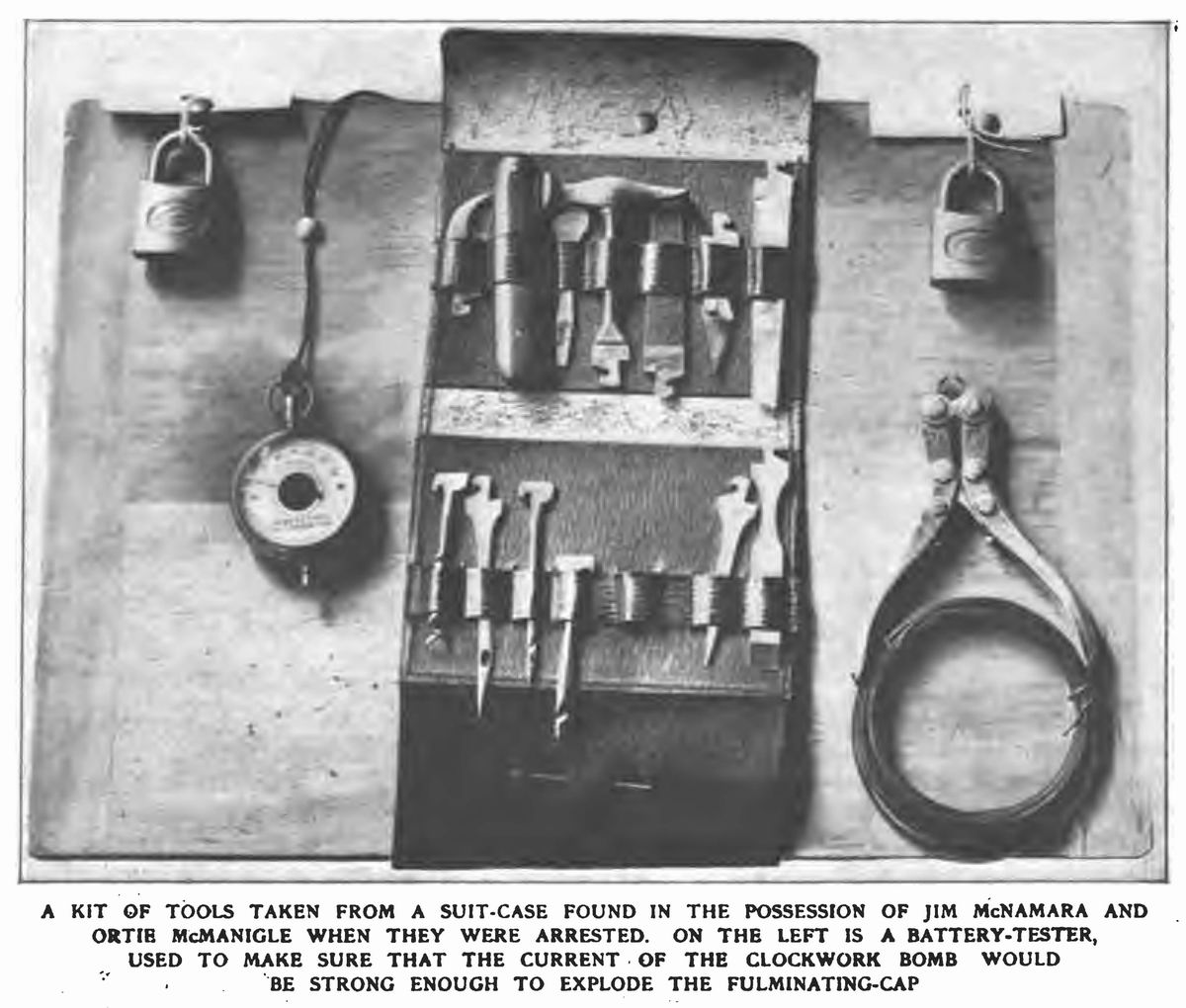
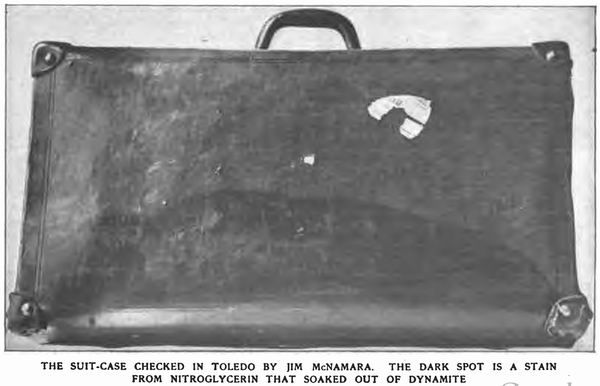
Private investigator William J. Burns led the investigation, utilizing undercover agents to infiltrate the Iron Workers union. After tracking the brothers to Detroit, Burns and local police arrested them in April 1911. The arrest was marked by significant legal controversy regarding extradition procedures.
4. Legal Proceedings and Outcome
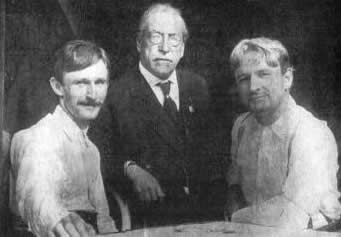
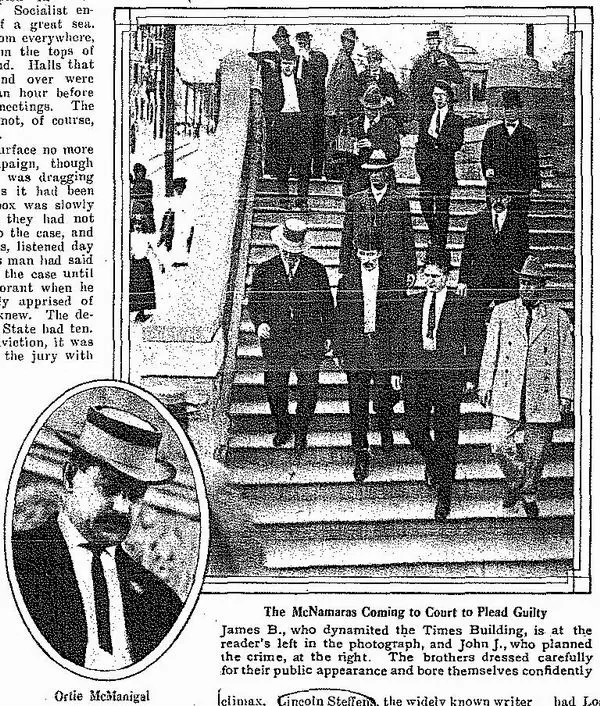
Clarence Darrow led the defense team. Recognizing the strength of the prosecution's evidence, Darrow secured a plea bargain to spare the brothers from execution. James pleaded guilty to the Times bombing, and John pleaded guilty to the Llewellyn Iron Works bombing.
5. Forensic Conclusion
James McNamara died in San Quentin prison in 1941. John served his sentence and returned to union organizing. The case had a profound impact on the American labor movement, leading to the decline of union influence in Los Angeles for nearly half a century.