



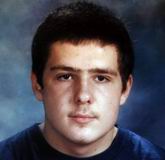
Forensic & Criminological Matrix
| Parameter | Forensic Detail |
|---|---|
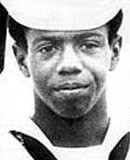
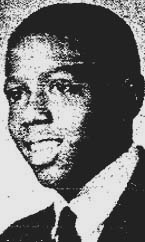
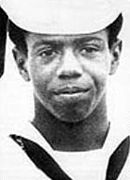
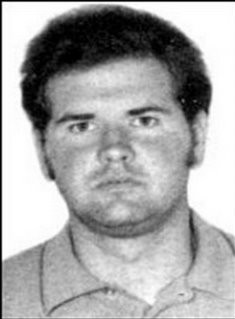
| Full Legal Name | Mark Robert James Essex. |
| Historic Moniker | The 1973 New Orleans Sniper / The Howard Johnson Hotel Attack. |
| Criminological Typology | Mass public sniper / Urban guerrilla lone-wolf terrorism / Racial vengeance spree. |
| Attack Dates | New Year's Eve 1972 and January 7, 1973. |
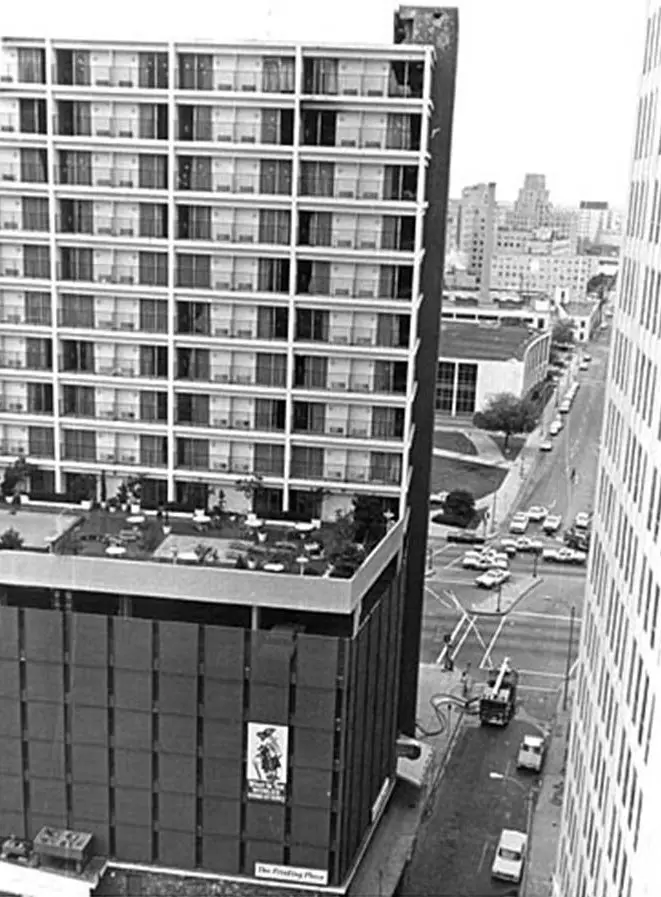
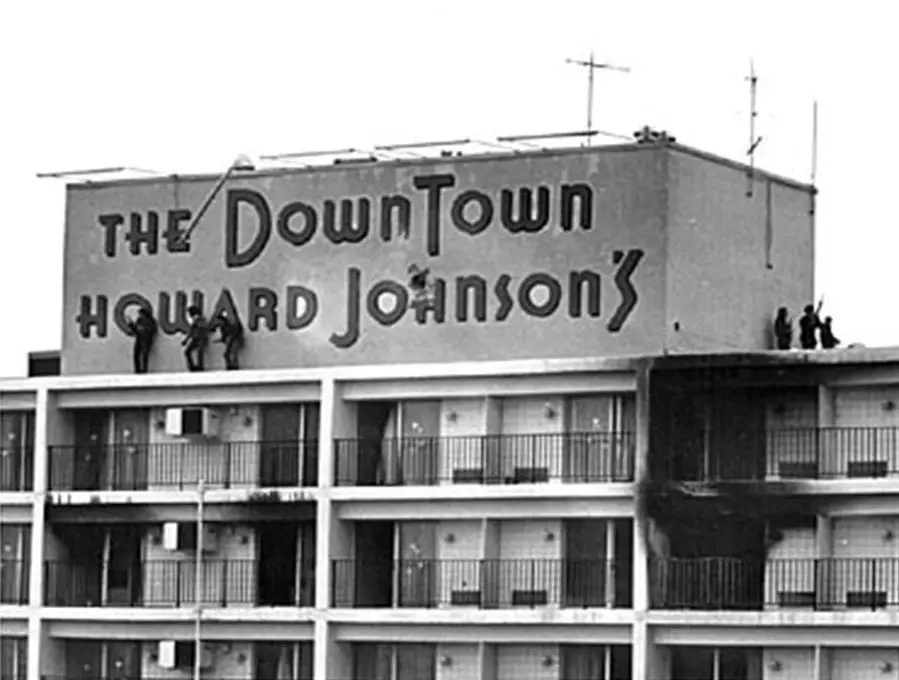
| Crime Scenes | Central New Orleans, NOPD headquarters perimeter, and the high-rise rooftop of the Downtown Howard Johnson's Motor Lodge, Loyola Avenue, Louisiana, United States. |
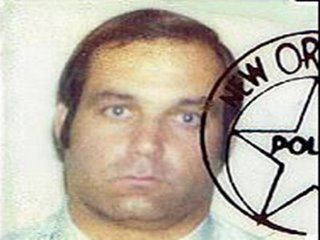
| Fatal Victims | 9 dead (including 5 police officers, notably Deputy Superintendent Louis Sirgo, and 4 hotel staff and guests); 13 others wounded by gunfire. |
| Arsenal | Ruger Model 44 semi-automatic carbine in .44 Magnum and a .38 Special Smith & Wesson revolver. |
| Forensic Resolution | Killed on January 7, 1973, on the hotel roof after absorbing over 200 bullet wounds from police snipers and airborne marksmen aboard a military CH-46 helicopter. |
Military Disillusionment and Radicalization
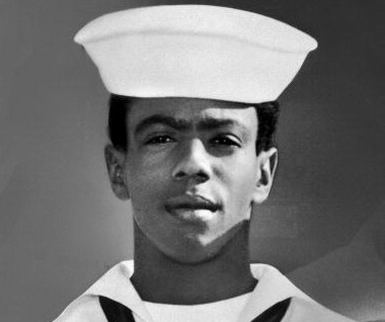
Mark Robert James Essex was born in Emporia, Kansas, on August 12, 1949. Raised in a stable middle-class household, he enlisted in the United States Navy in 1969, training as a dental technician. Stationed at San Diego Naval Station, Essex encountered pervasive racial prejudice and hostility from superiors and white peers, precipitating multiple disciplinary confrontations.
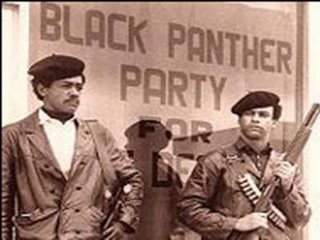
Receiving a general discharge for unsuitability in 1971, Essex returned to civilian life radicalized and alienated. Relocating to New Orleans, he engaged with Black Panther militant literature and adopted a militant philosophy dedicated to waging armed urban guerrilla warfare against the white-dominated law enforcement establishment. He purchased a Ruger .44 Magnum semi-automatic carbine, conducting intensive tactical drills in the Louisiana wetlands.
The New Year's Eve Police Ambush (December 1972)
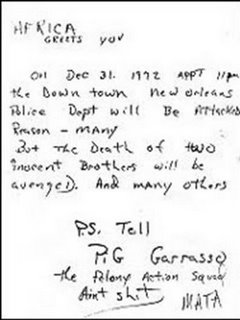
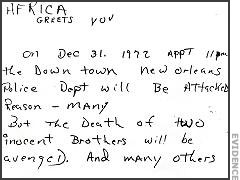
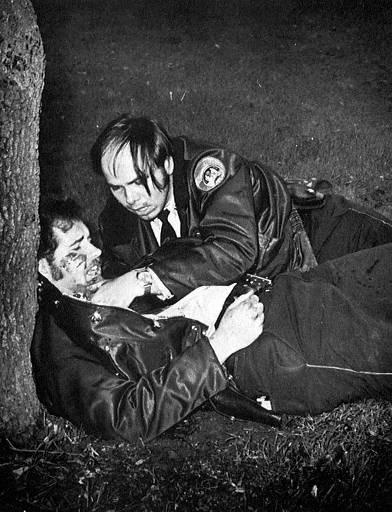
Essex opened his offensive on the night of December 31, 1972. Concealed in a parking lot directly opposite New Orleans Police Department headquarters, he fired into two officers: 19-year-old cadet Alfred Harrell was killed instantly by a .44 Magnum slug through the chest.
Minutes later, Essex ambushed two responding patrolmen near a local park, fatally wounding Officer Edwin Hosli before escaping undetected through the dark alleys of the neighborhood.
The Howard Johnson's Siege (January 7, 1973)
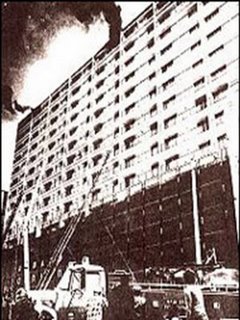
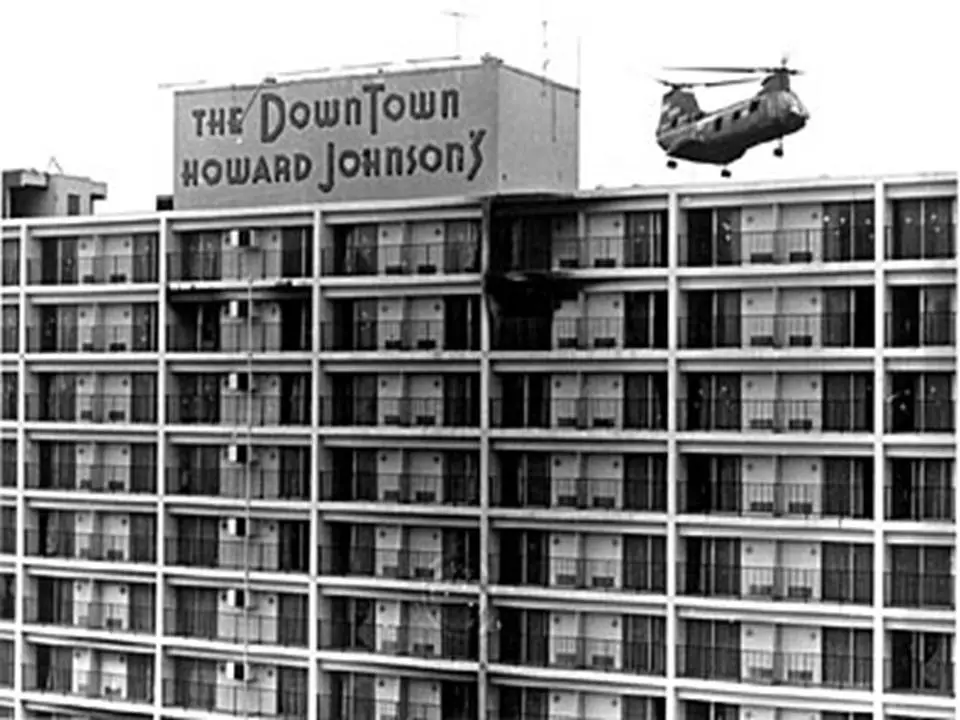
On the morning of Sunday, January 7, 1973, Essex launched the main assault. After carjacking a vehicle at gunpoint, he entered the eighteen-story Downtown Howard Johnson's hotel on Loyola Avenue.
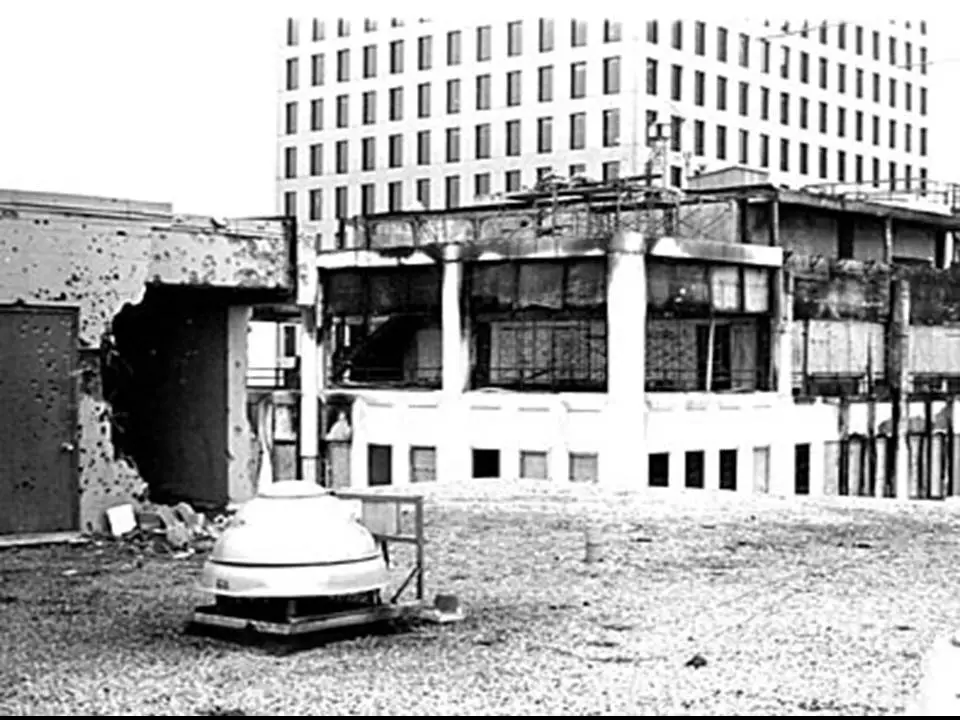
Armed with hundreds of rounds of high-velocity ammunition, Essex set multiple firebombs in hotel suites on the upper floors to flush occupants into hallways. When terrified staff and tourists exited, Essex gunned them down at point-blank range, executing four civilians, including the hotel's general manager and a visiting couple.
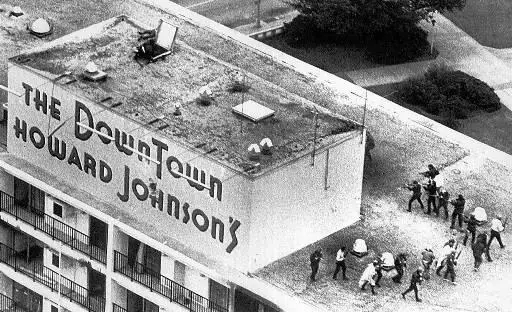
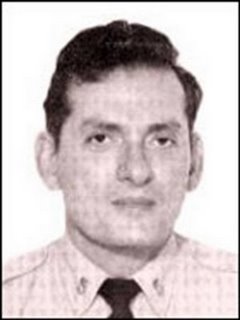
As fire engines and NOPD cruisers surrounded the complex, Essex climbed to the rooftop, utilizing his powerful .44 Magnum carbine to snipe down at officers on the boulevard below. He shot multiple officers and first responders. In a courageous counter-assault up the interior stairwell, Deputy Police Superintendent Louis Sirgo led a tactical breach; Essex ambushed Sirgo from an alcove, killing him instantly with a shot to the throat.
Airborne Assault and Autopsy
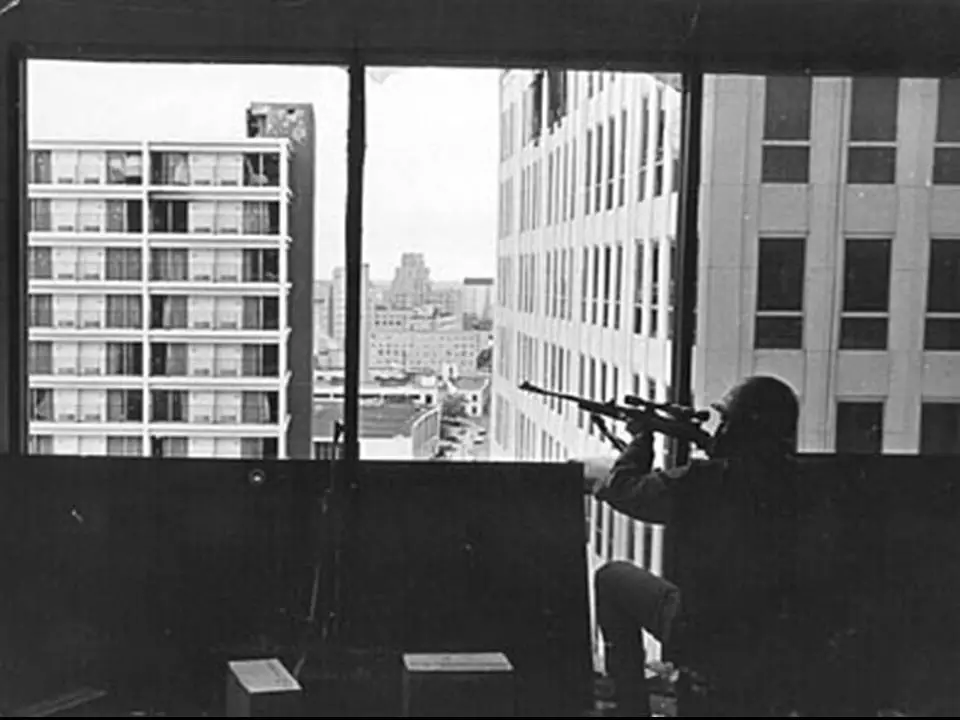
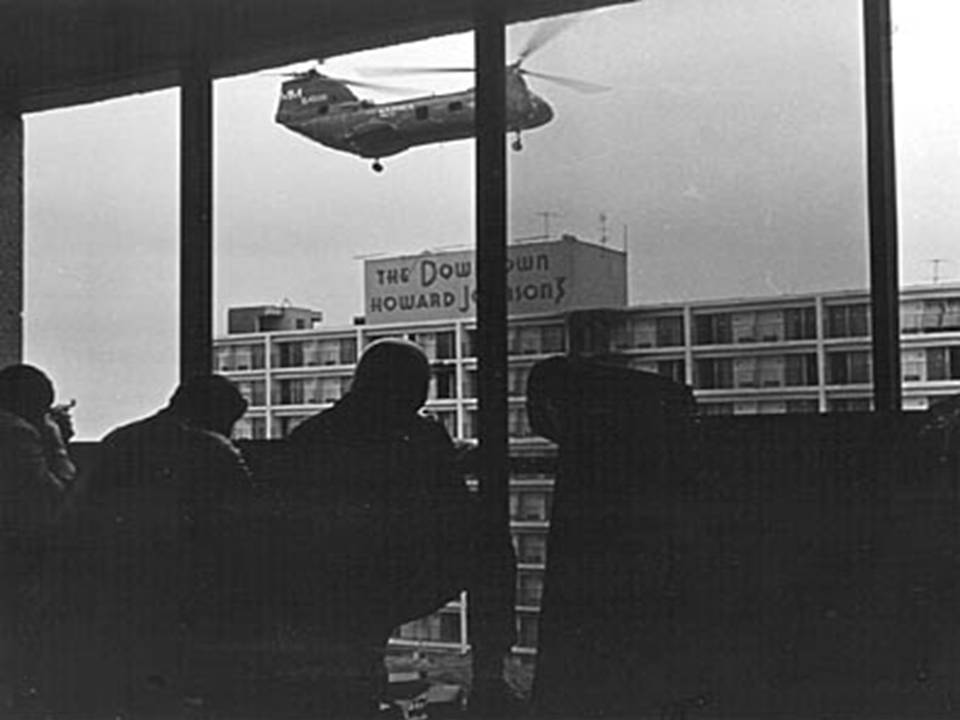
With downtown New Orleans engulfed in panic, authorities secured the support of a twin-rotor military CH-46 Sea Knight transport helicopter piloted by Marine reservists. Armed with high-powered scoped rifles, marksmen and Police Superintendent Joseph Giarrusso mounted aerial strafing runs over the roof.
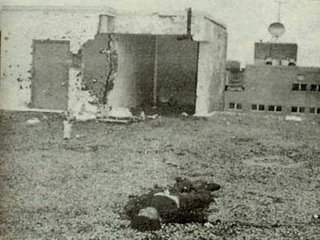
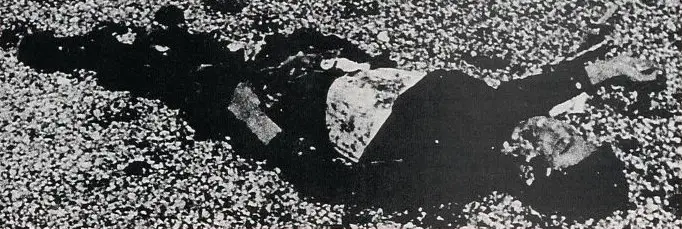
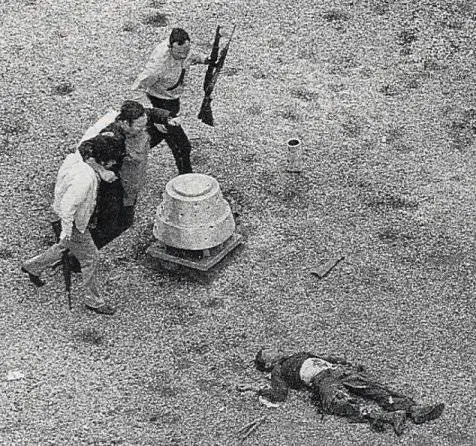
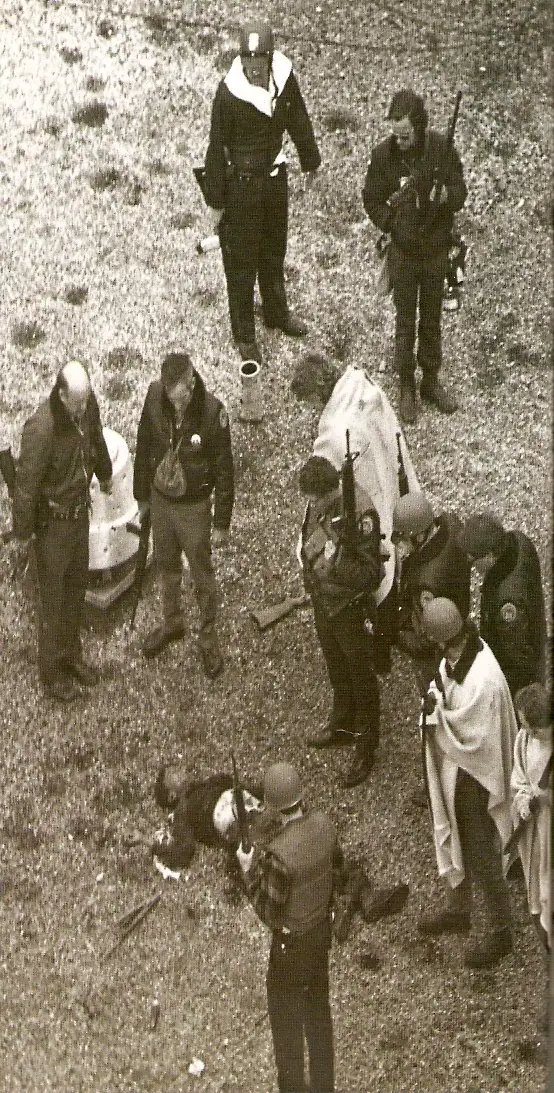
Essex took cover inside a concrete elevator maintenance enclosure, firing repeatedly into the helicopter's hull. Late that evening, Essex charged out onto the open roof with rifle raised. Marksmen from adjoining buildings and the hovering helicopter unleashed a devastating hail of fire, cutting Essex down on the rooftop helipad.
The post-mortem examination revealed that Essex's body had sustained over 200 gunshot wounds. The 1973 Howard Johnson siege served as a watershed event in American law enforcement history, directly spurring the development of modern specialized SWAT tactics and urban airborne operations.