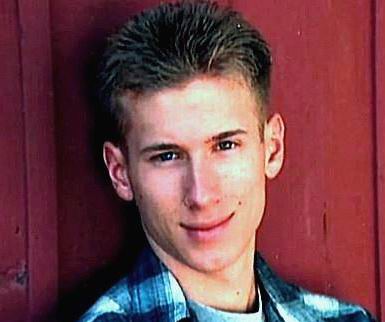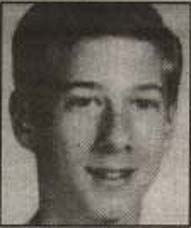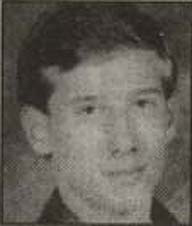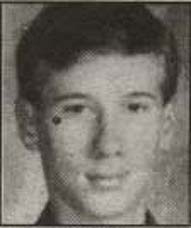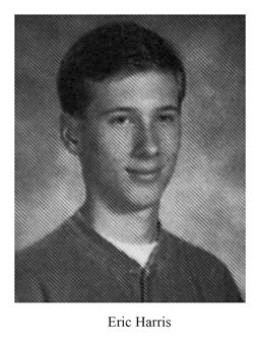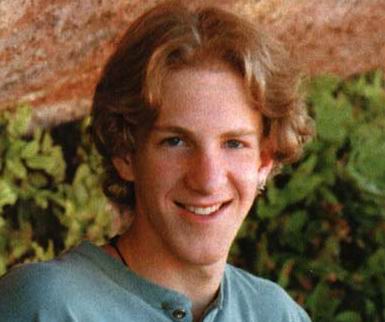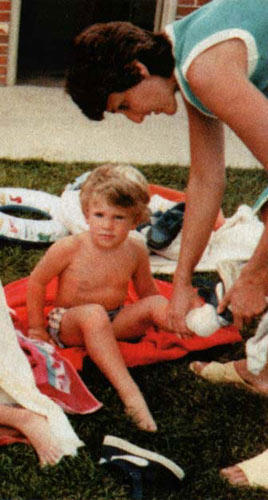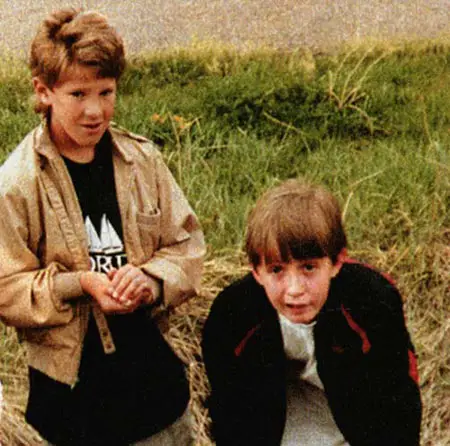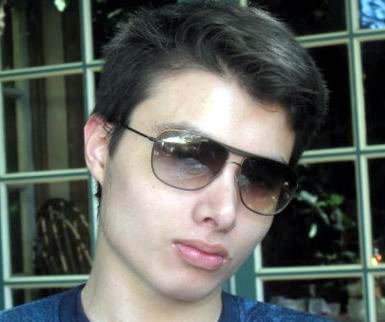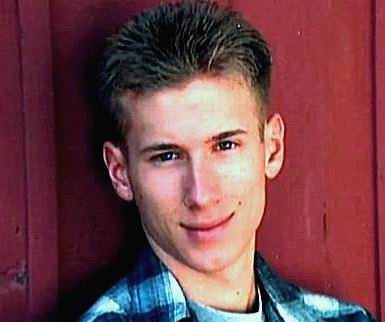






Forensic Profile Datasheet: Eric David Harris ("Reb")
| Forensic Parameter | Evaluation Details |
|---|---|
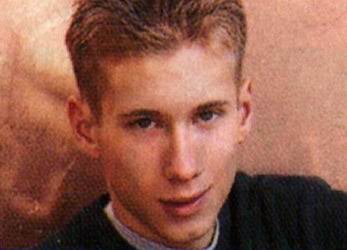
| Full Legal Name | Eric David Harris |
| Aliases | Reb, Rebcab |
| Date and Place of Birth | April 9, 1981 — Wichita, Kansas, United States |
| Date and Place of Death | April 20, 1999 (aged 18) — Columbine, Colorado, United States |
| Manner of Death | Suicide by intra-oral shotgun blast |
| Criminological Classification | School mass murderer / Domestic youth terrorist |
| Confirmed Fatalities | 13 individuals murdered (12 students, 1 faculty member; jointly with Dylan Klebold) |
| Injured Survivors | 24 injured (21 from gunshot wounds, 3 secondary to evacuation) |
| Operational Timeline | Premeditation: 1998–1999; Execution: April 20, 1999 (11:14 – 12:08 MST) |
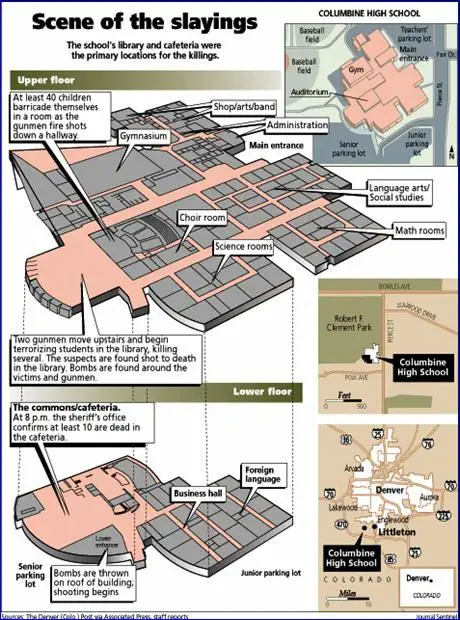
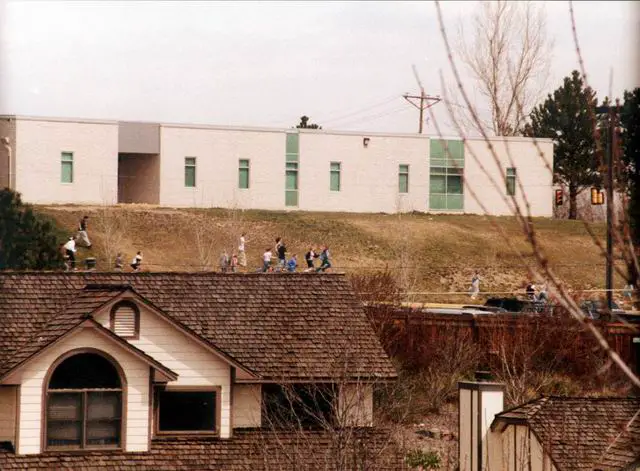
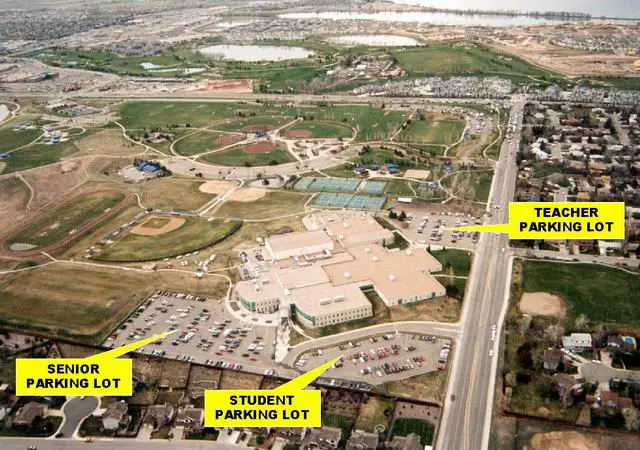
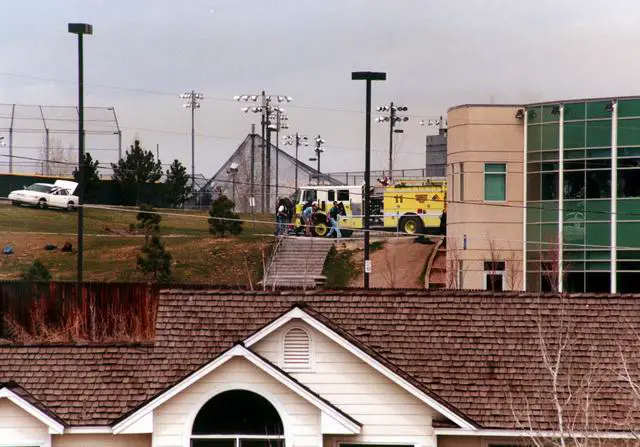
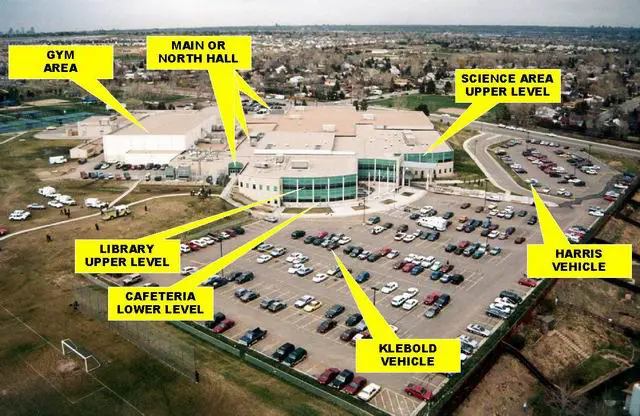
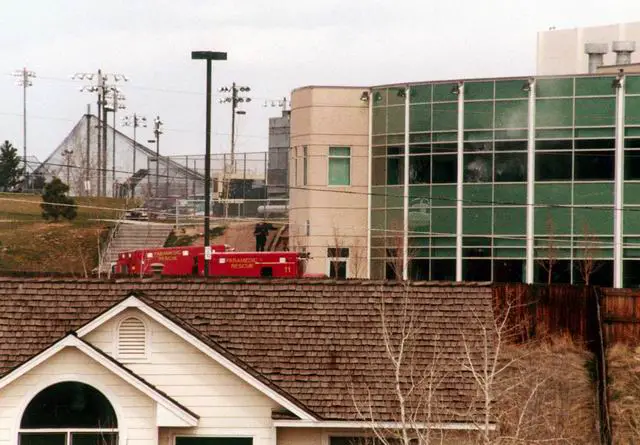
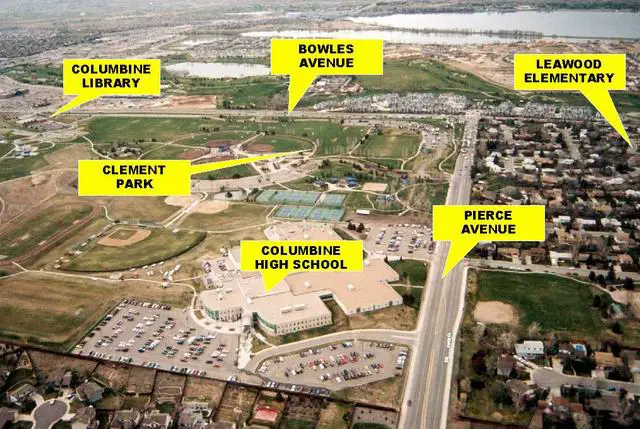
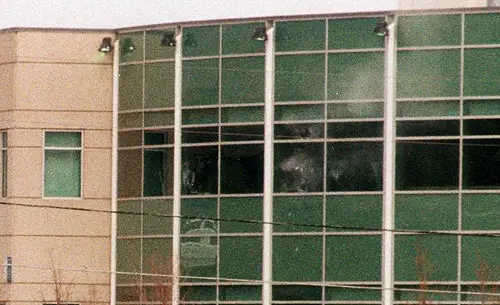
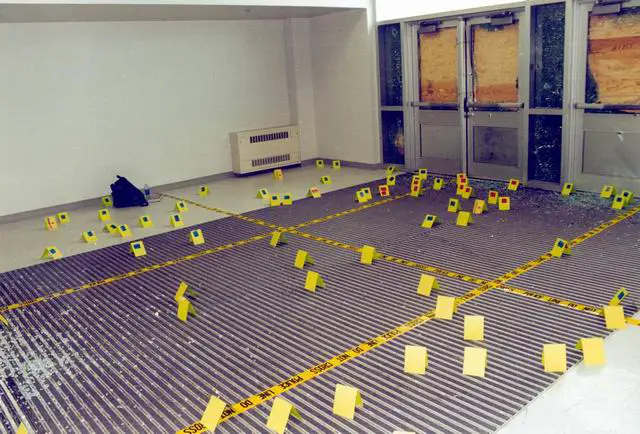
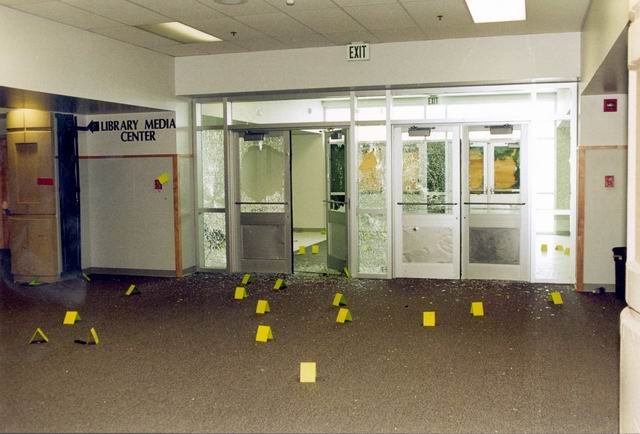
| Scene of Crime | Columbine High School, Jefferson County, Colorado, USA |
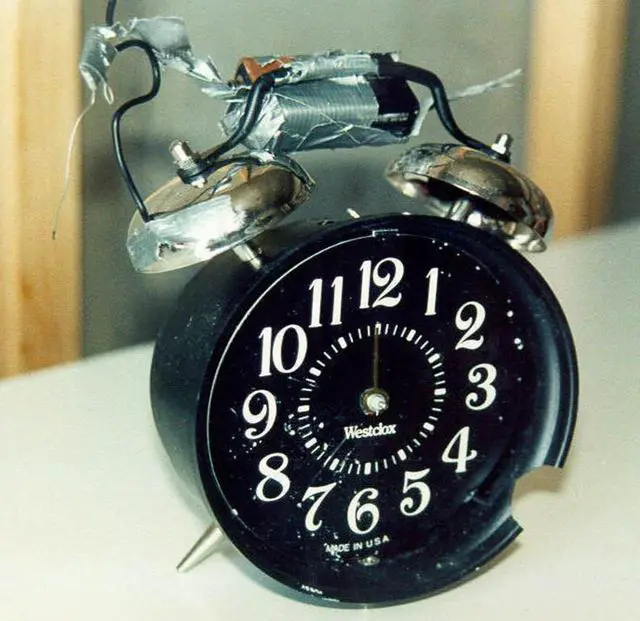
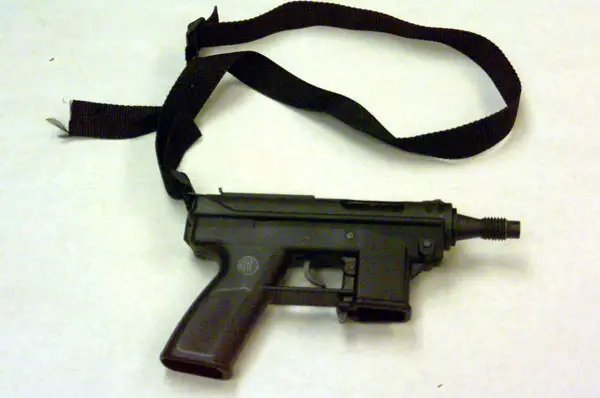
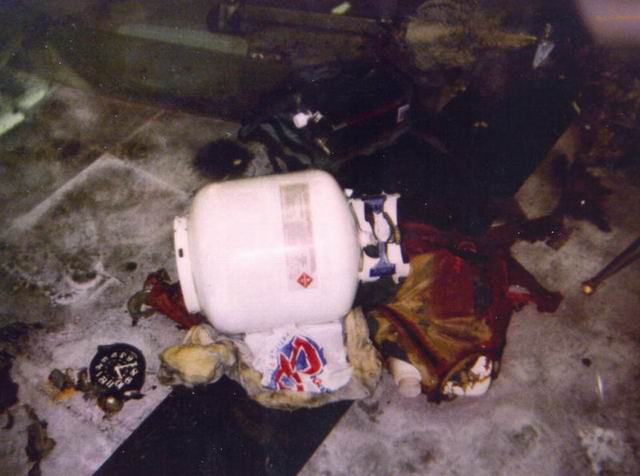
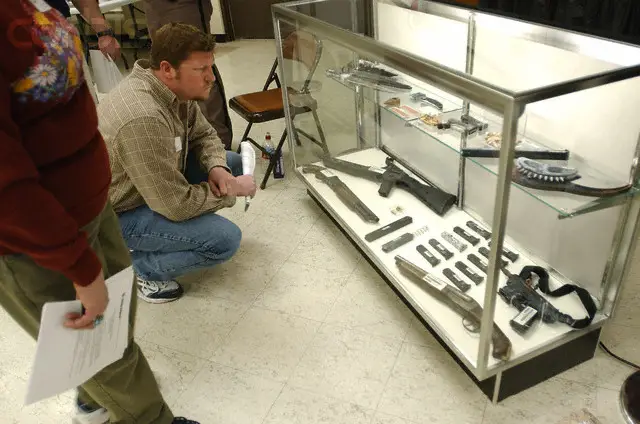
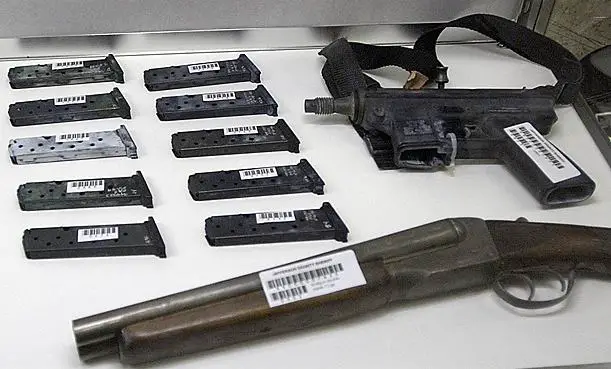
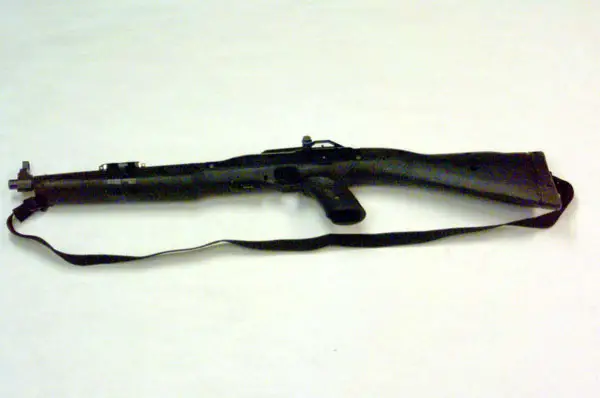
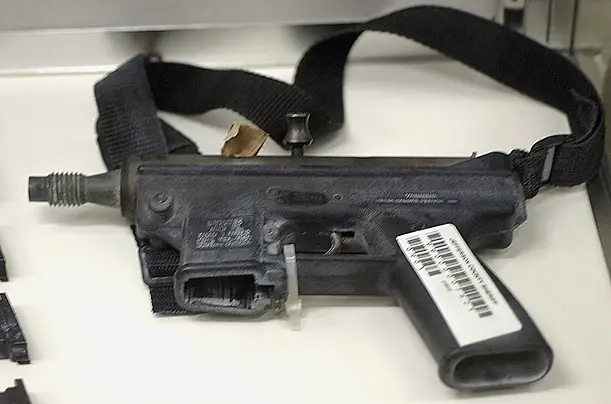
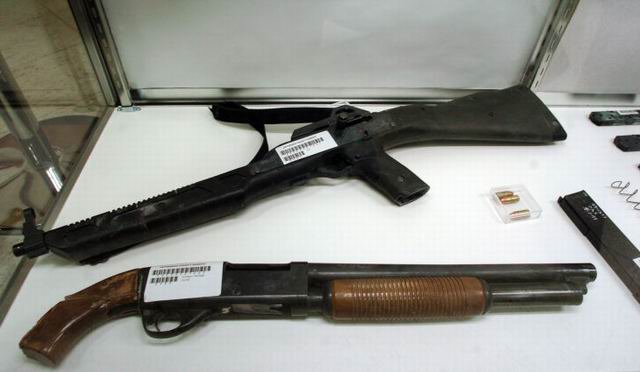
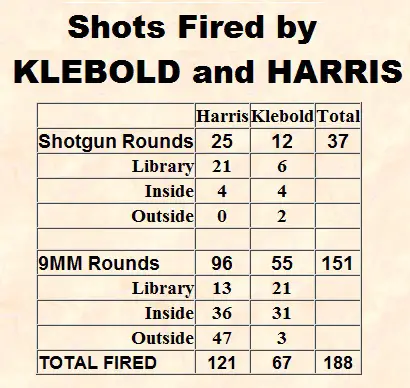
| Weapons Deployed | Hi-Point 995 9mm carbine, Savage-Springfield 67H 12-gauge pump-action shotgun (sawed-off), 99 improvised explosive devices (propane tanks, pipe bombs) |
| Forensic Psychiatric Diagnosis | Severe clinical psychopathy, malignant narcissism, predatory aggression, nihilistic misanthropy, and grandiosity |
Background and Early Life
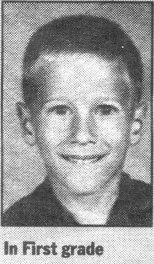
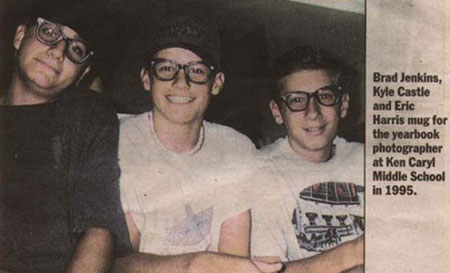
Eric David Harris was born on April 9, 1981, in Wichita, Kansas, into an intact, upper-middle-class household headed by Wayne Harris, a United States Air Force transport pilot, and Katherine Ann Poole. Due to his father's active military postings, the family relocated frequently across Ohio, Michigan, and New York before settling permanently in Littleton, Colorado, in 1993 upon Wayne's military retirement.
Early in his childhood, Harris was diagnosed with pectus excavatum (a congenital caved-in chest deformity), which required two major corrective surgeries. This physical condition instilled persistent bodily insecurity during his early adolescence, although he adeptly learned to project an external facade of polite compliance, military-style discipline, and intellectual maturity when interacting with adult authority figures.
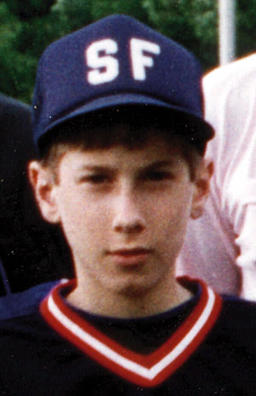
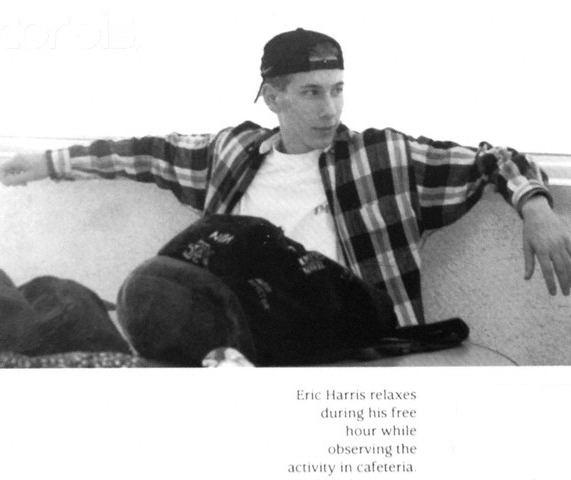
Entering Columbine High School in the autumn of 1995, Harris struck up an intimate friendship with Dylan Klebold. The pair shared a deep affinity for computer programming, network gaming (Doom), tactical hardware, and a burning resentment against the dominant student cliques and athletic social hierarchies. Harris maintained a personal website on America Online (AOL), where his initial posts of custom video game levels soon devolved into violent hate-filled diatribes, explosive-assembly schematics, and explicit death threats against fellow classmates and teachers.
In January 1998, Harris and Klebold were apprehended by sheriff's deputies after breaking into an unoccupied commercial utility van to steal electronic equipment. Given their lack of prior criminal records, both were admitted into a juvenile diversion program. Harris exhibited masterclass manipulation throughout the program: he authored meticulously crafted, contrite letters of apology that deeply impressed social workers, securing early release with exemplary evaluations. Simultaneously, a consulting psychiatrist prescribed the selective serotonin reuptake inhibitor (SSRI) fluvoxamine (Luvox) after Harris reported severe depressive symptoms and uncontrollable anger bursts.
Ideological Radicalization and Tactical Planning
Behind the facade of successful juvenile rehabilitation, Harris directed his obsessive focus toward orchestrating an unprecedented act of catastrophic destruction. In handwritten journals and a sequence of home video recordings labeled the Basement Tapes, Harris systematically articulated his predatory worldview:
"I hate the fucking world. Everyone is just a mindless conformist zombie. Natural selection should have eliminated 99% of mankind. Dylan and I are going to kickstart the reset."
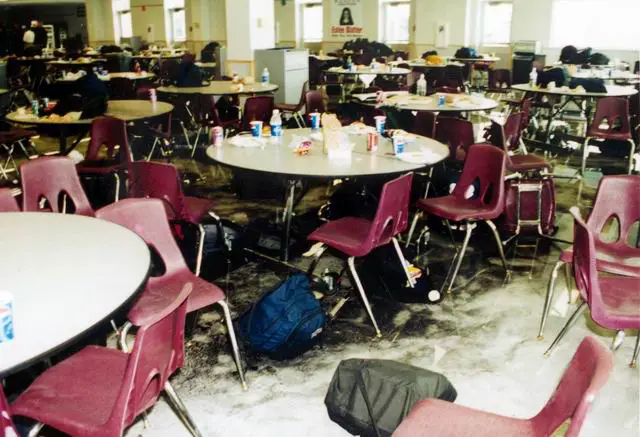
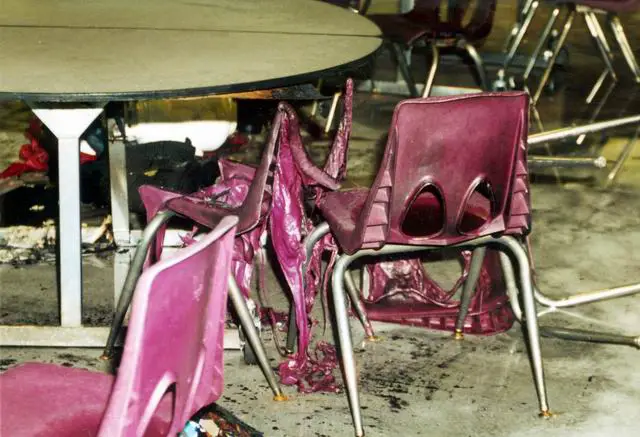
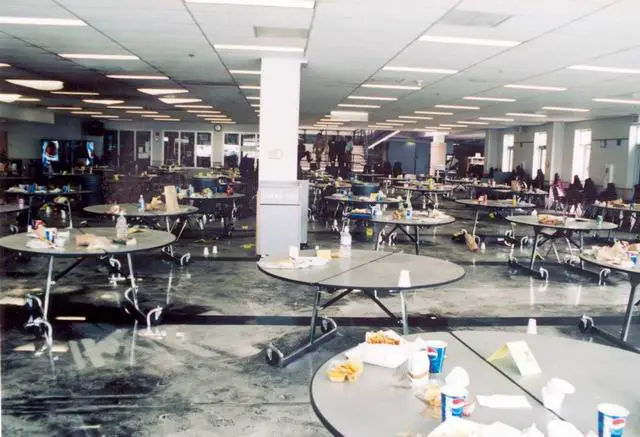
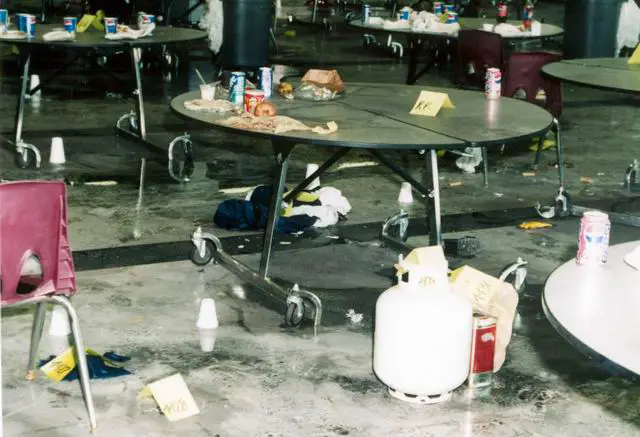
Harris framed the impending assault not as a conventional school shooting, but as a coordinated domestic terrorist bombing. His central strategic objective was the timed detonation of two 20-pound (9 kg) liquid propane tank bombs placed inside the school cafeteria during the peak lunch rush. Had these devices functioned, the structural collapse would have destroyed the second-floor library above, instantly killing an estimated 500 to 600 students. The firearms were intended strictly as tactical ambushes to slaughter fleeing survivors, first responders, and police officers arriving at the scene.
Acquiring their firearms through an 18-year-old acquaintance (Robyn Anderson) and unlicensed vendors at local gun shows, Harris assembled:
- A Hi-Point 995 9mm carbine with multiple 10-round magazines.
- A Savage-Springfield 67H 12-gauge pump shotgun, which Harris personally sawed down to a pistol-grip configuration for concealment beneath his black trench coat.
- Nearly 100 pipe bombs, carbon dioxide cartridge bombs, and napalm-filled Molotov cocktails.
The Columbine Massacre (April 20, 1999)
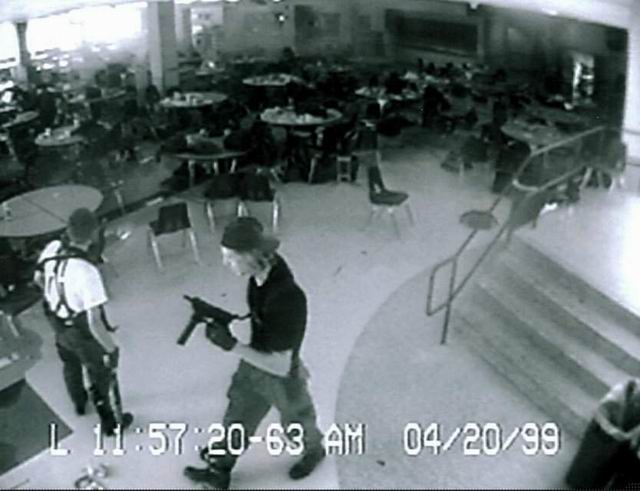
On Tuesday, April 20, 1999—coinciding with Adolf Hitler's 110th birth anniversary—Harris and Klebold arrived at Columbine High School shortly after 11:00 a.m. Harris wore a white T-shirt stamped with black block letters reading "NATURAL SELECTION", cargo pants, and a full-length duster coat.
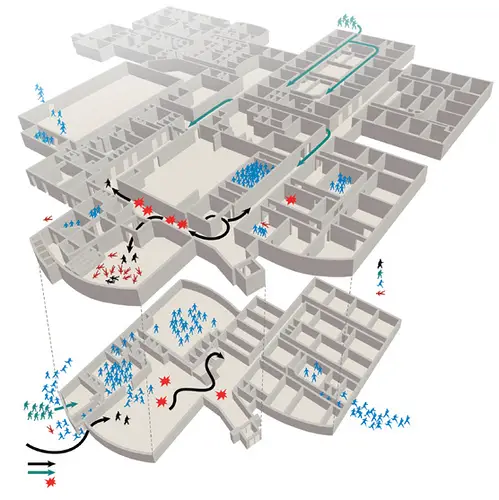
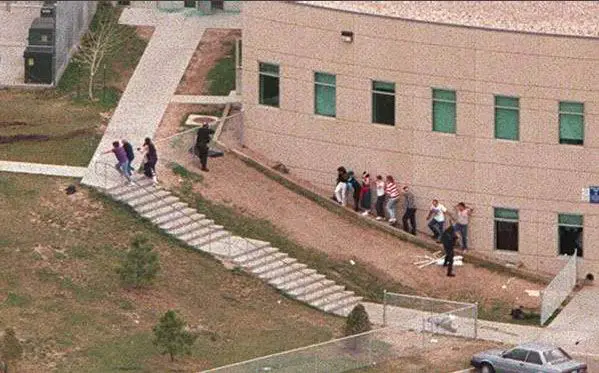
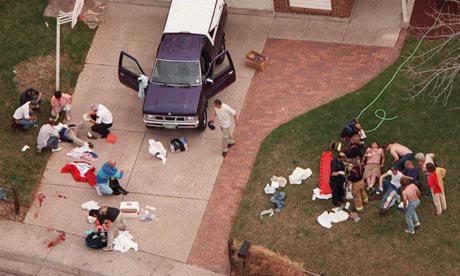
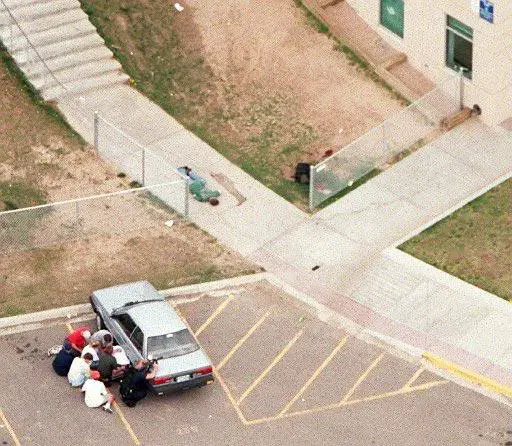
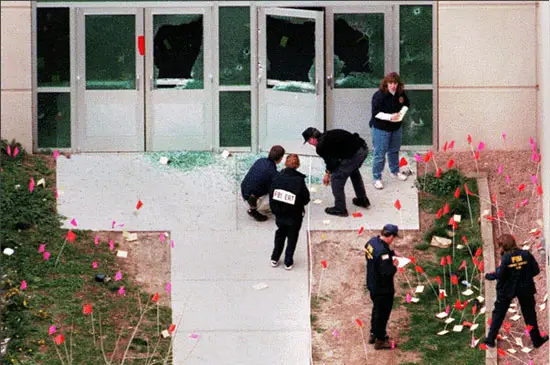
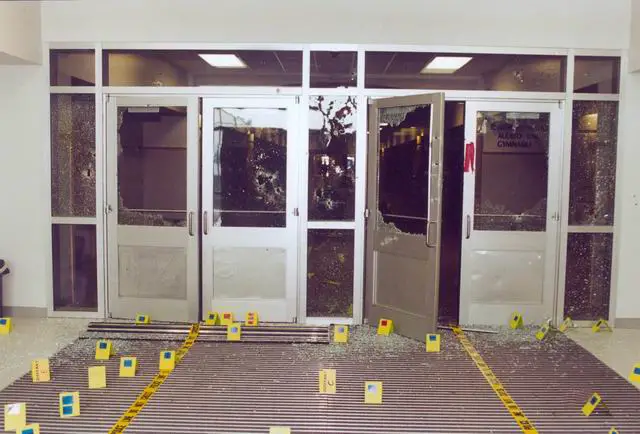
At 11:14 a.m., after realizing that the primary cafeteria bombs had failed to detonate due to rudimentary soldering faults in their mechanical timers, the pair initiated their secondary armed assault on the West exterior steps. Harris fired upon students sitting on the grassy knoll, fatally shooting Rachel Scott and critically wounding multiple others before entering the hallways.
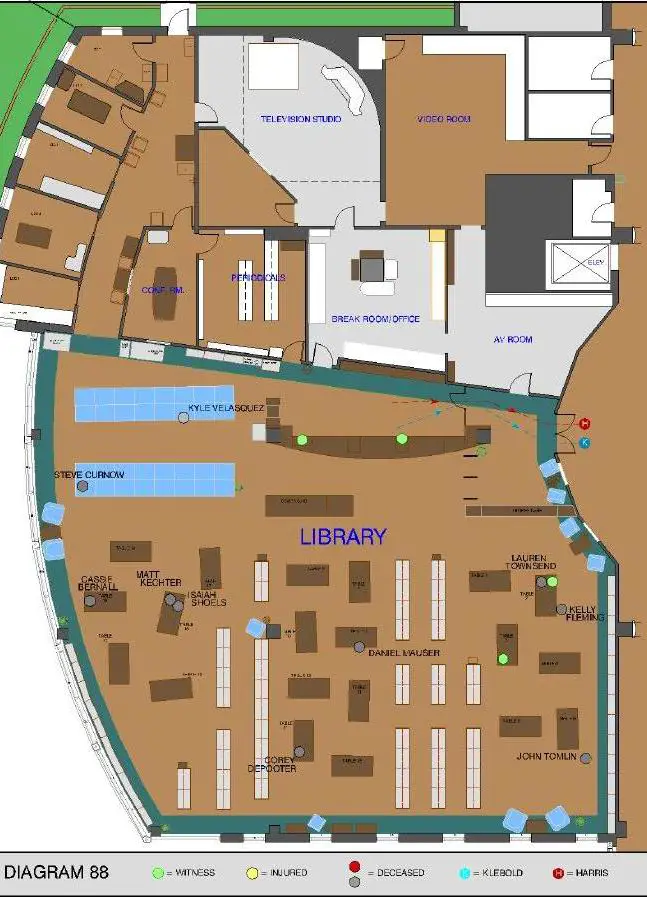
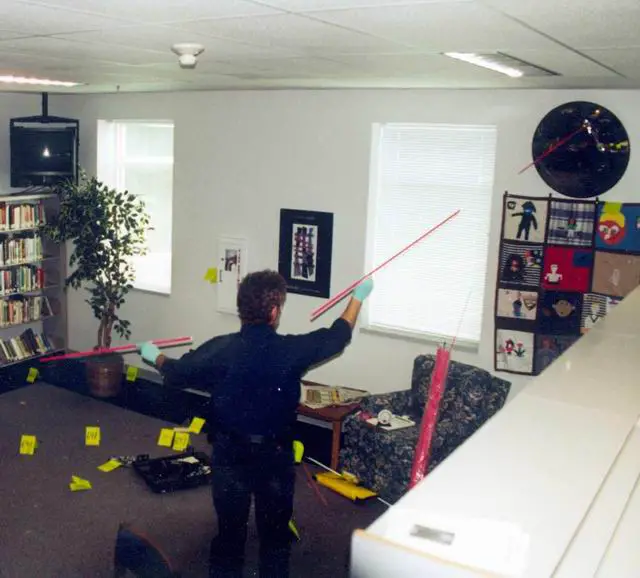
The slaughter reached its devastating zenith within the school library between 11:29 and 11:36 a.m., where dozens of students were sheltering beneath tables. Over seven and a half minutes, Harris and Klebold methodically walked between desks, taunting victims, detonating explosives, and discharging weapons at point-blank range. Ten students (Cassie Bernall, Steven Curnow, Corey DePooter, Kelly Fleming, Matthew Kechter, Daniel Mauser, Daniel Rohrbough, Isaiah Shoels, John Tomlin, Lauren Townsend, and Kyle Velasquez) were murdered in the library alone, while 12 others suffered catastrophic gunshot injuries. In the adjacent corridors, coach and science teacher Dave Sanders was mortally wounded while courageously guiding hundreds of students toward safe emergency exits.
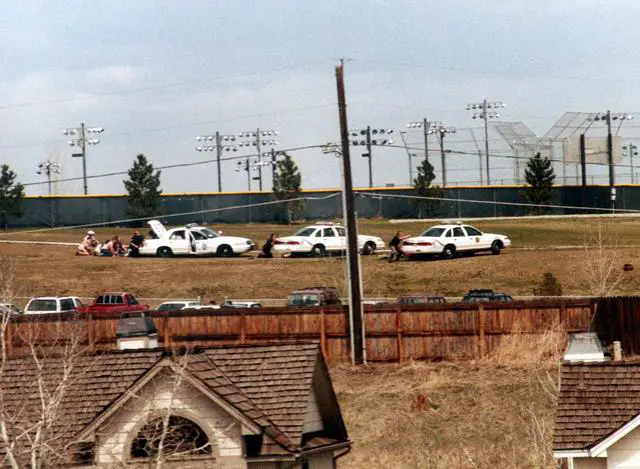
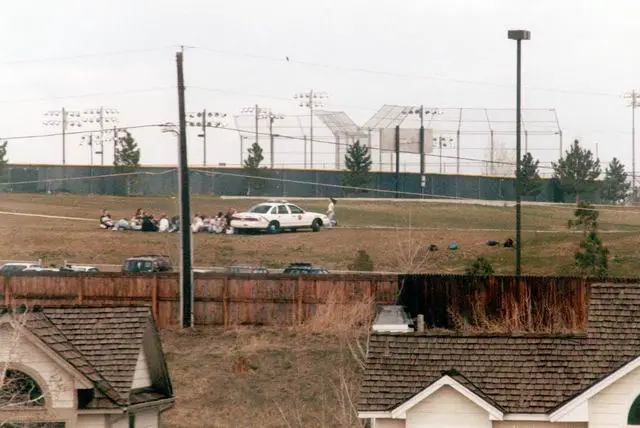
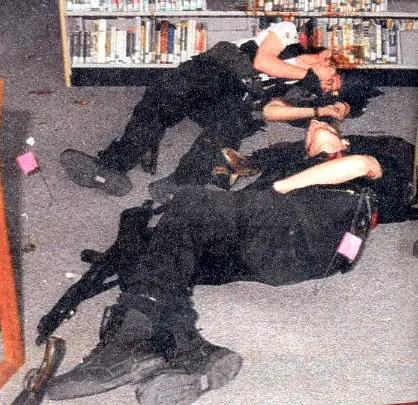
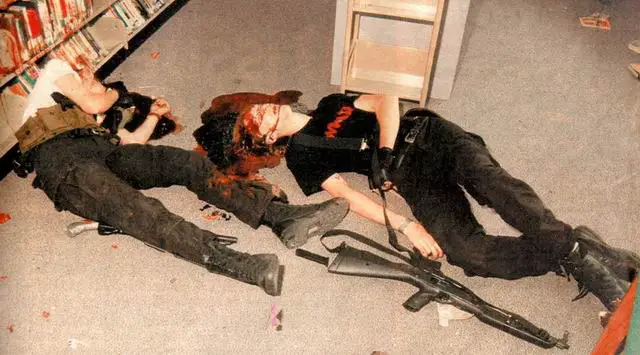
At 12:08 p.m., as law enforcement perimeter containment coalesced outside, Harris sat against a library bookshelf, aimed the barrel of his sawed-off shotgun upward through the roof of his mouth, and pulled the trigger, dying instantly. Klebold committed suicide moments later with a gunshot to his left temple.
Forensic and Psychological Analysis
In-depth post-incident forensic psychological investigations led by FBI Supervisory Special Agent Dwayne Fuselier, forensic psychiatrist Dr. Robert Hare (creator of the PCL-R), and psychologist Dr. Peter Langman established a fundamental divergence between the two perpetrators:
- Eric Harris demonstrated classic indicators of predatory clinical psychopathy: pathological grandiosity, glib manipulation, profound lack of empathy or remorse, callous thrill-seeking, and sadistic ideation. Harris operated as the dominant tactical architect and instigator of the attack.
- Dylan Klebold, conversely, suffered from severe depressive suicidal disorder, intense social alienation, and borderline affective instability, latching onto Harris's homicidal crusade as an apocalyptic vehicle for his own suicidal urge.
Toxicological screenings on Harris confirmed therapeutic levels of fluvoxamine; forensic experts concurred that the medication neither induced nor prevented the meticulously calculated mass murder, which had been in development long before the pharmacological regimen began.
Historical Significance and Global Impact
The Columbine massacre under Eric Harris permanently restructured modern public safety and emergency doctrine:
- Active Shooter Tactical Shift: Law enforcement nationwide abandoned the legacy "surround and negotiate" protocol in favor of Immediate Action Rapid Deployment (IARD), mandating that the first responding officers breach the perimeter and aggressively engage an active shooter to eliminate the lethal threat immediately.
- Physical and Digital Hardening: Mandatory school architectural overhauls, magnetic security access doors, metal detectors, and algorithmic digital threat detection monitoring software across educational districts.
- The "Columbine Effect": Despite efforts by criminologists to de-glamourize mass violence, Harris's writings, tactical dress, and recorded manifestos exerted an immense memetic influence, serving as a dark template for subsequent mass killers worldwide (from Virginia Tech and Sandy Hook to Kerch and beyond), establishing Eric Harris as one of the pivotal case studies in 20th-century forensic criminology.