



Forensic & Criminological Matrix
| Parameter | Forensic Detail |
|---|---|
| Forensic Heading / Aliases | The Grocery Bag Killer |
| Legal Identity | Robert Lee Yates Jr. |
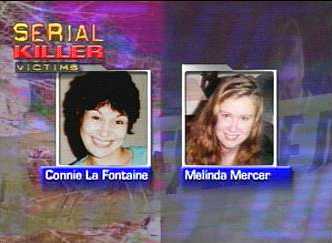
| Confirmed Victims | 16 |
| Attributed / Indicted Victims | 18+ |
| Active Timeline | 1975 - 1998 |
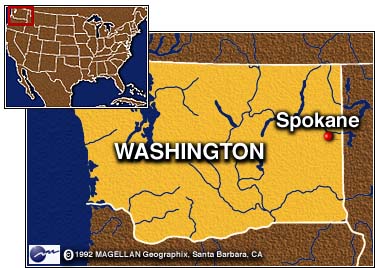
| Jurisdiction / Area of Operations | Washington, USA |
| Criminological Classification | Sexual Serial Killer |
| Forensic Modus Operandi | Gunshot wounds, plastic bags, vegetation concealment |
| Weapon / Mechanism of Death | .25-caliber semi-automatic pistol |
| Motive / Behavioral Dynamics | Sexual predation and control |
| Judicial Outcome | Life imprisonment and death sentence (pending) |
1. Background and Profile
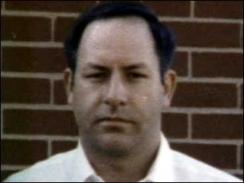
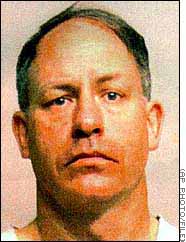
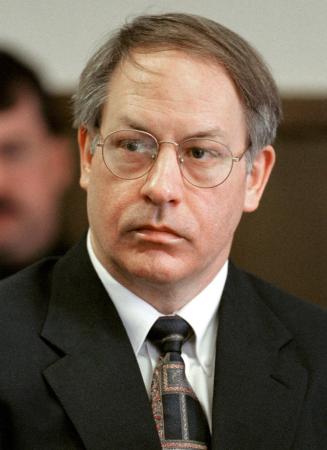
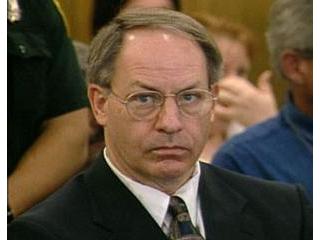
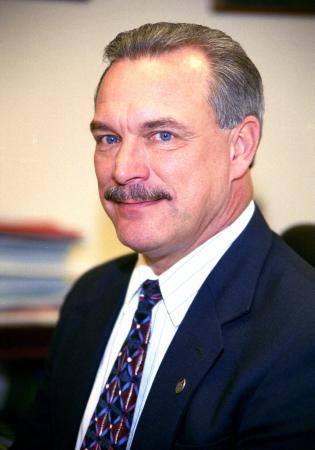
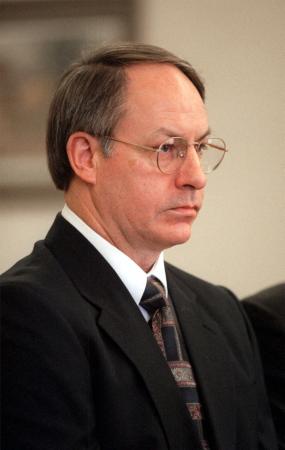
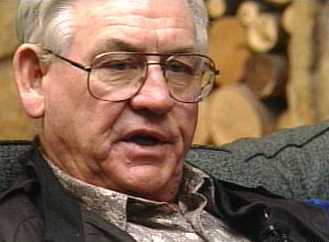
Robert Lee Yates Jr. (born May 27, 1952) was a decorated U.S. Army helicopter pilot and a father of five. Raised in Oak Harbor, Washington, he maintained a facade of a respectable family man while serving in various international peacekeeping missions. His military career spanned 19 years, during which he received numerous commendations, masking a dark history of serial homicide that began in 1975.
2. Crime Spree
Between 1996 and 1998, Yates targeted vulnerable women, specifically sex workers in Spokane's E. Sprague Avenue district. He would solicit them, engage in sexual acts, and then execute them with a .25-caliber handgun. His signature included placing plastic bags over the victims' heads and dumping their bodies in remote locations, often using debris and plants from his own backyard to hide them.
3. Investigation and Arrest
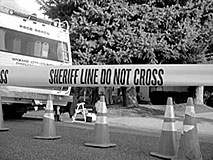
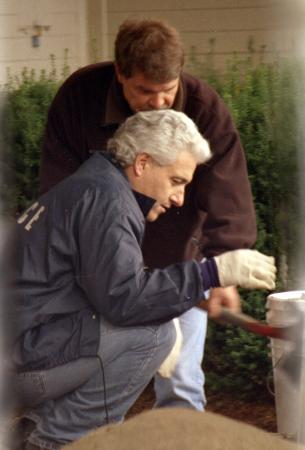
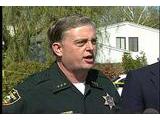
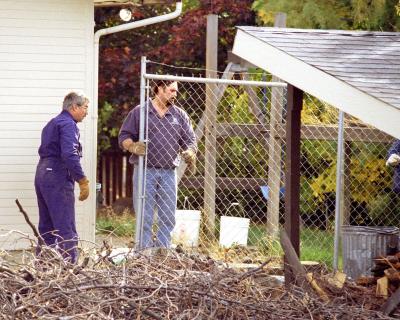
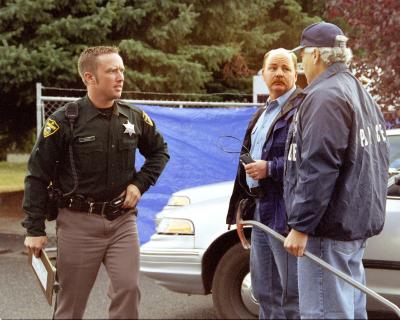
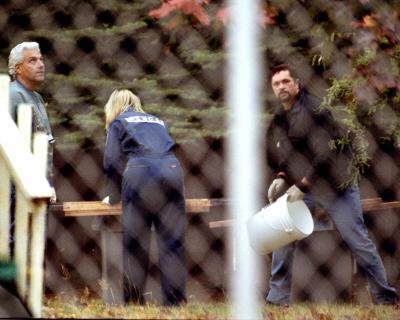
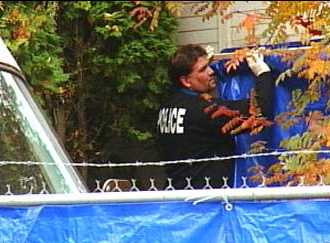
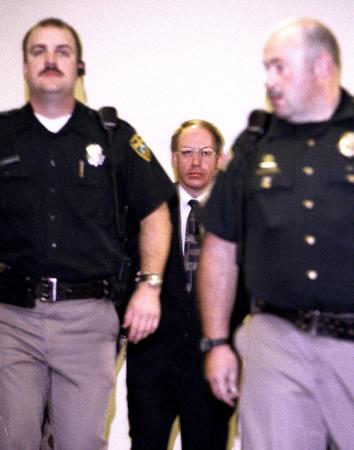
The investigation, led by a dedicated Homicide Task Force, relied heavily on forensic evidence. The breakthrough occurred when DNA evidence from a 1977 white Corvette, previously owned by Yates, was linked to victim Jennifer Joseph. Further forensic analysis of fibers and vegetation found at crime scenes matched materials from Yates' home, leading to his arrest on April 18, 2000.
4. Legal Proceedings and Outcome
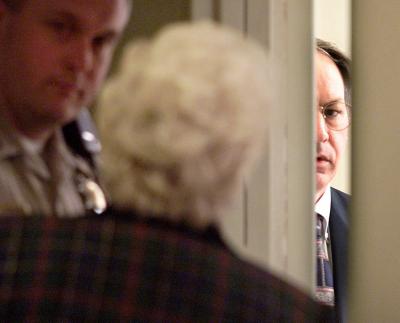
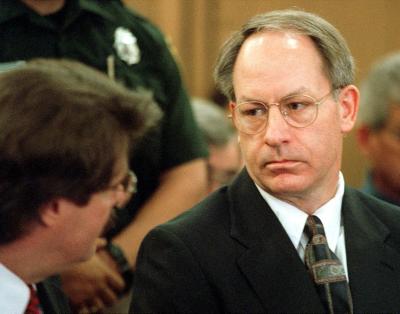
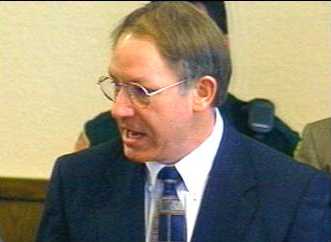
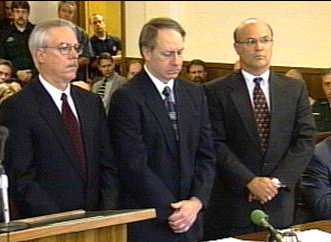
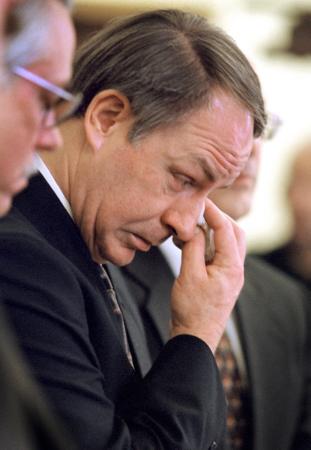
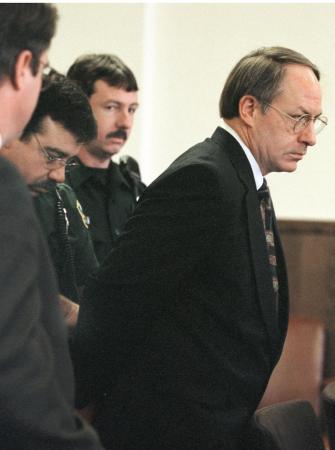
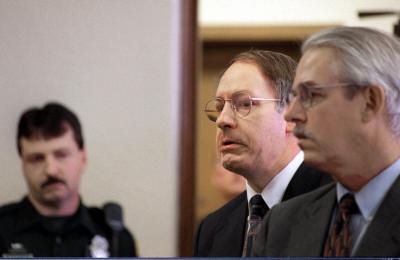
Yates pleaded guilty to 13 counts of murder in Spokane County in 2000, receiving a 408-year sentence. In 2002, he was convicted in Pierce County for two additional murders and sentenced to death. He remains on death row at the Washington State Penitentiary, with his case serving as a landmark in the use of DNA and trace evidence in serial killer investigations.