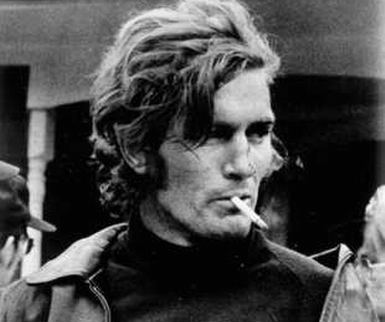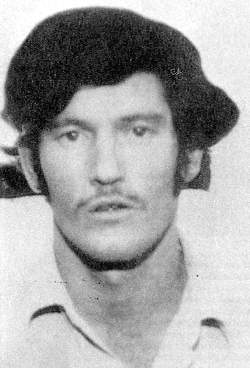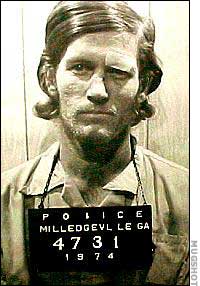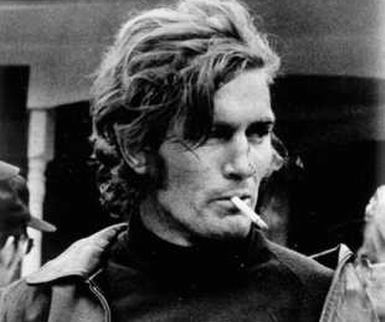




Forensic & Criminological Matrix
| Parameter | Forensic Detail |
|---|---|
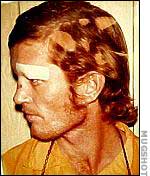
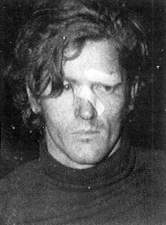
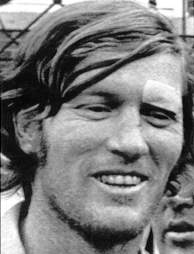
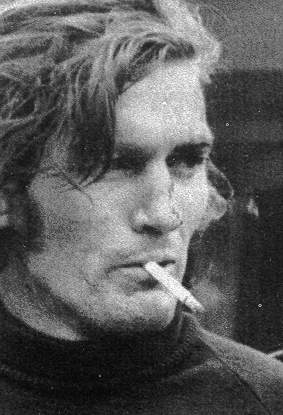
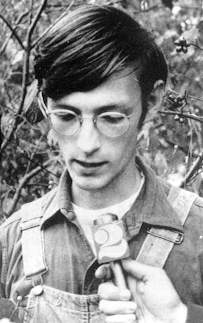
| Full Legal Name | Paul John Knowles. |
| Criminal Moniker | The Casanova Killer, Daryl Golden. |
| Criminological Landmark | One of the deadliest, most compressed cross-country spree killings in modern American history, claiming at least 18 lives across six states in under four months. |
| Criminological Classification | Multistate spree killer / Opportunistic sexual predator / Itinerant executioner. |
| Active Spree Span | July 26, 1974 – November 17, 1974. |
| Geographical Theater | Florida, Georgia, Alabama, Texas, Virginia, and Nevada (United States). |
| Confirmed Murder Victims | 18 court-verified homicides (claimed up to 35 slayings in personal cassette recordings sent to his attorney). Victims included elderly women, motorists, vacationing families, a 13-year-old girl, and a state trooper. |
| Weapons Employed | .32 and .38-caliber handguns, hunting shotguns, nylon stocking ligatures, and manual stabbing. |
| Forensic Signature | Dictating stream-of-consciousness cassette tapes while cruising highways in stolen vehicles; utilizing rugged charm and tailored grooming to gain entry into victims' residences. |
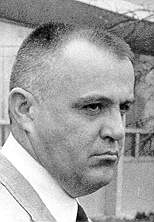
| Tactical Conclusion | Apprehended in Georgia on November 17, 1974; shot and killed on December 18, 1974, by FBI Special Agent Ronnie Angel inside a transport vehicle after Knowles picked his handcuffs with a paperclip and attempted to grab a sheriff's service weapon. |
Introduction: The Cross-Country Spree of 1974
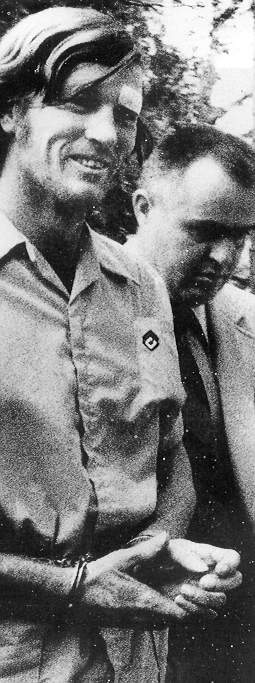
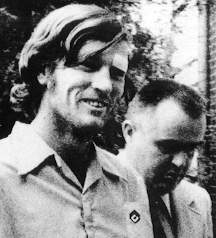
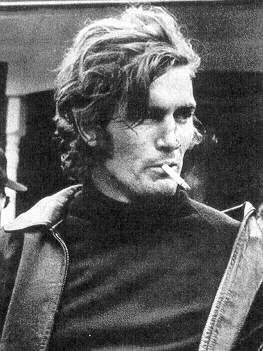
In the late summer and autumn of 1974, as the United States absorbed the aftermath of the Watergate scandal, a violent cross-country killing spree gripped the American South. A handsome, charismatic 28-year-old drifter traversed interstate highways, leaving a trail of bodies inside motel rooms, roadside ditches, and rural residences.
Branded by the national press as "The Casanova Killer" due to his ease in charming women and projecting disarming geniality, Paul John Knowles carried out an extraordinary campaign of indiscriminate violence. Operating across six states, Knowles slaughtered motorists, elderly women, young girls, and armed state troopers with sociopathic detachment, documenting his motives on audiotapes intended for posthumous fame.
Criminal Development and Narcissistic Fracture
Born in Orlando, Florida, in April 1946, Knowles was placed into state foster facilities by his father following an arrest for petty theft at age seven. He passed his youth and early adulthood cycling through juvenile detention centers and state penitentiaries for auto theft, armed robbery, and felonious assault.
Endowed with sharp intelligence and physical charm, Knowles harbored an unquenchable craving for national celebrity: he openly vowed that he would become either a celebrated artist or one of the nation's most notorious killers. In May 1974, while incarcerated at Raiford State Prison, an affluent California woman who had corresponded with him posted his bail with promises of marriage. However, after witnessing Knowles's explosive temper, she abruptly canceled the engagement. This narcissistic rejection catalyzed Knowles's lethal retaliation against society.
The Spree: Four Months of Carnage
On July 26, 1974, after stabbing a jail guard during an escape from a Jacksonville detention cell, Knowles embarked on a multistate rampage:
- Alice Curtis (65): An elderly Jacksonville acquaintance bound and gagged so tightly she suffocated in her living room.
- Lillian and Mylette Anderson: Young sisters abducted, sexually assaulted, and strangled in rural Georgia.
- Marjorie Howie (49): Strangled with her own nylon stockings inside an Atlantic Beach apartment.
- Highway and Camper Executions: Across Florida and Alabama, Knowles carjacked motorists and raided vacationing families, shooting victims at point-blank range to commandeer their automobiles.
- Florida State Trooper Charles Eugene Campbell: Abducted alongside civilian James Meyer in Florida, transported across state lines into Georgia woodland, tied to trees, and executed with gunshot wounds through the head.
While speeding along arterial highways in stolen cars, Knowles dictated memoirs onto a handheld cassette recorder, mailing the tapes to his San Francisco legal counsel:
"I want the world to know who Paul Knowles really was. I am no ordinary man. I have killed and I will keep killing until they put a bullet through me."
Capture in Henry County, Georgia
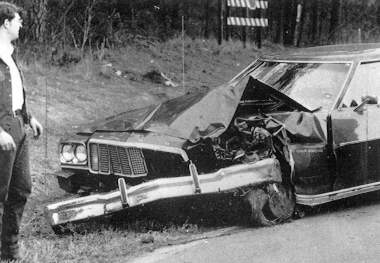
On November 17, 1974, following a high-speed vehicle pursuit through Henry County, Georgia, Knowles crashed his stolen sedan into a police roadblock and disappeared into dense pine woods on foot.
A massive tactical deployment comprising hundreds of state troopers, FBI special agents, and tracking bloodhounds encircled the forest. Twelve hours into the manhunt, Knowles was confronted at gunpoint by a local civilian armed with a shotgun, surrendering peacefully to responding authorities.
Death in Transit
On December 18, 1974, one month following his capture, FBI Special Agent Ronnie Angel and Henry County Sheriff Earl Lee transported Knowles in the backseat of an unmarked police cruiser to locate a firearm Knowles had discarded near Douglas, Georgia.
During transit, Knowles picked his handcuff lock using an improvised paperclip concealed in his sock. Lunging across the front console, he wrestled Sheriff Lee for his holstered service revolver, causing the vehicle to swerve violently. Special Agent Ronnie Angel drew his weapon and fired three hollow-point rounds into Knowles's chest, killing him instantly.
Paul John Knowles's demise brought an abrupt end to one of the most violent, compressed spree killing sprees in twentieth-century American history.