




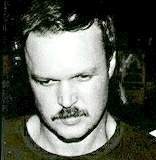
Forensic & Criminological Matrix
| Parameter | Forensic Detail |
|---|---|
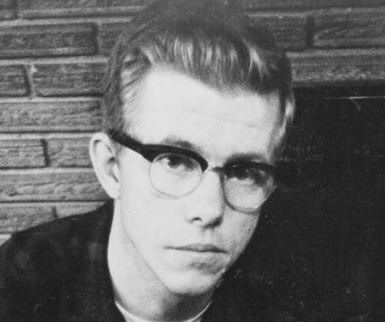
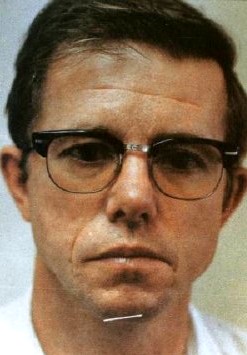
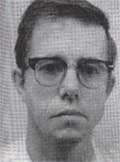
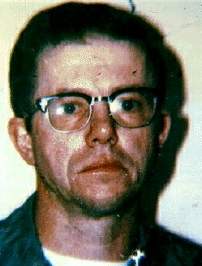
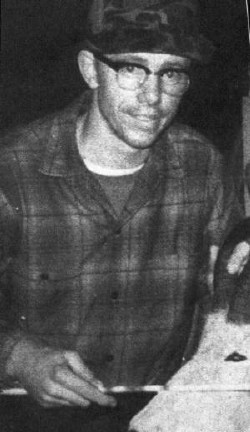
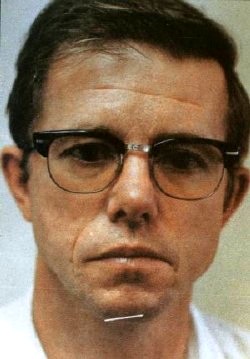
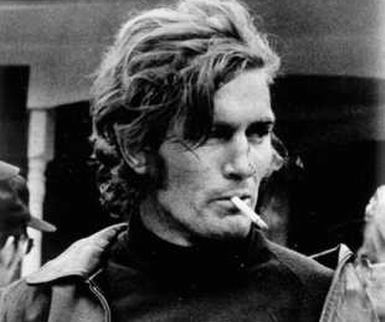
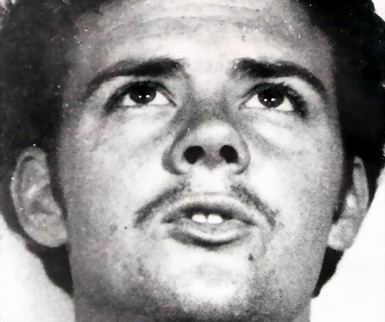
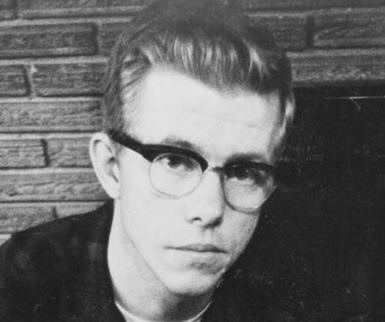
| Full Legal Name | Robert Christian Hansen |
| Registered Monikers | The Butcher Baker, The Flying Hunter |
| Nationality | American |
| Date and Place of Birth | February 15, 1939, Estherville, Iowa, United States |
| Date and Place of Death | August 21, 2014, Alaska Regional Hospital, Anchorage, Alaska (aged 75) |
| Cause of Death | Natural causes resulting from chronic respiratory failure under correctional custody |
| Criminal Classification | Organised predatory serial killer / Human big-game hunter / Sadistic abductor |
| Active Murder Span | 1971 – 1983 (12-year predatory campaign) |
| Confirmed Victims | 17 confessed murders (4 formal convictions, dozens of documented rapes) |
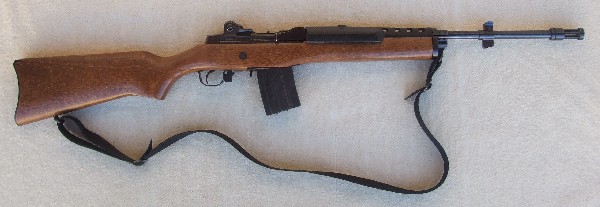
| Preferred Weaponry | Caliber .223 Ruger Mini-14 semi-automatic rifle, hunting knives, and .38 revolver |
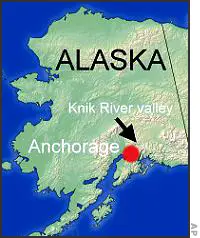
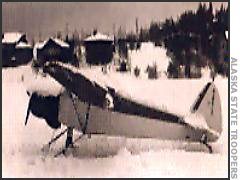
| Modus Operandi | Abducting sex workers and dancers from the Spenard red-light corridor in Anchorage; confinement and sexual torture in his soundproofed residential basement; transporting captives via his private Piper PA-18 Super Cub bush plane to uninhabited subarctic sandbars along the Knik River; releasing victims into the wilderness to hunt them with long-range rifle fire before burying them in shallow graves. |
| Psychological Profile | Severe antisocial personality disorder, compensatory sexual sadism fueled by profound childhood feelings of physical inadequacy, cystic acne scarring, and severe stuttering; compulsive trophy retention (stashing victims' jewelry in his bakery ceiling). |
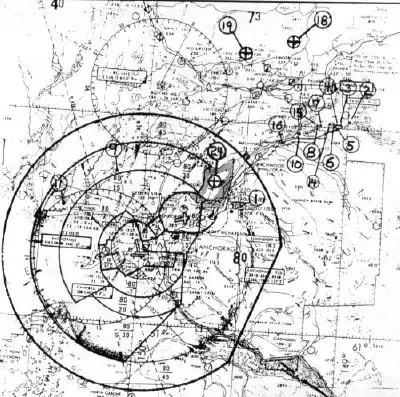
| Crucial Forensic Evidence | An aviation chart recovered from his home attic marked with handwritten "X" coordinates pinpointing the exact coordinates of buried remains across the Alaskan wilderness. |
Youth, Rejection, and Alaskan Frontier Life
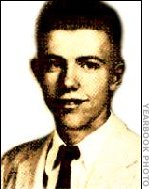
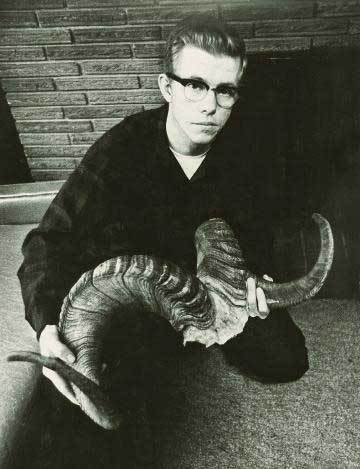
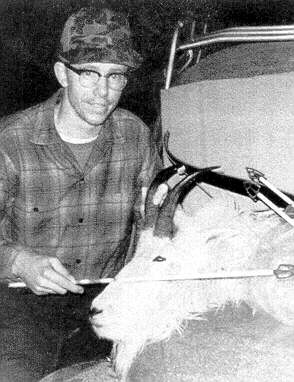
Born in Iowa to a strict Danish baker, Robert Hansen endured a childhood dominated by harsh paternal discipline and severe social ostracism stemming from chronic stuttering and disfiguring acne. He turned to big-game archery and firearms, setting multiple statewide hunting records.
Following a 1960 arson conviction in Iowa, Hansen relocated to Anchorage, Alaska, in 1967 with his wife. He established Hansen's All-City Bakery, becoming an esteemed local merchant and devoted family man. His quiet domestic life and avid participation in big-game hunting clubs provided an impenetrable cover for a lethal double life.
The Knik River Manhunts (1971 – 1983)
During the economic boom of the Trans-Alaska Pipeline, Hansen preyed on transient women working in the strip clubs and bars of Anchorage's Spenard district. Because transient dancers frequently relocated without notice, their disappearances initially attracted little official attention.
Hansen created a grotesque predatory ritual: enticing or abducting women at gunpoint, locking them in his soundproofed basement, and flying them in his bush plane to remote gravel bars along the Knik River and Matanuska Valley—territory completely inaccessible by road. Stripping them of their shoes and clothing, Hansen gave them a head start into the dense spruce wilderness before tracking them on foot with his scoped Ruger Mini-14 rifle, shooting them like game animals.
Cindy Paulson's Escape and FBI Behavioral Profiling
Hansen's reign ended on June 13, 1983, when 17-year-old Cindy Paulson escaped from his car at Merrill Field while he loaded provisions for a flight to the bush. Running barefoot and handcuffed to a nearby highway, she flagged down a passing truck driver.
Alaska State Trooper Detective Glenn Flothe recognized patterns linking Paulson's harrowing account to several unidentified bodies discovered in the bush. Flothe contacted FBI Special Agent John Douglas at the Behavioral Science Unit in Quantico. Douglas drafted a psychological profile that matched Hansen's exact biography: an accomplished local hunter, pilot, low self-esteem sufferer, stutterer, and compulsive trophy-keeper.
Warrant Execution, Confession, and Legacy
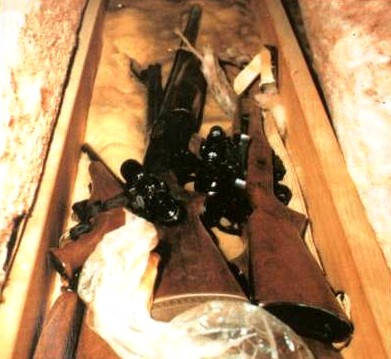
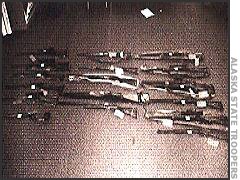
On October 27, 1983, troopers executed a search warrant on Hansen's residence. In his attic, investigators unearthed the stolen jewelry of missing women and a marked flight chart bearing dozens of "X" marks. Ballistics tests tied Hansen's Ruger rifle to bullets extracted from recovered bodies.
Confronted with the physical evidence, Hansen entered a comprehensive plea agreement, confessing to seventeen murders and leading authorities by helicopter to secluded gravesites.
In February 1984, Hansen was sentenced to 461 years plus life imprisonment without parole. He remained incarcerated at Spring Creek Correctional Center in Seward until failing health prompted his transfer to Alaska Regional Hospital in Anchorage, where he died on August 21, 2014, at age 75.