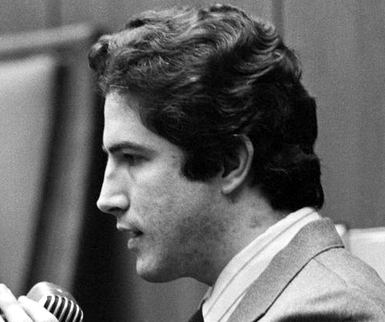




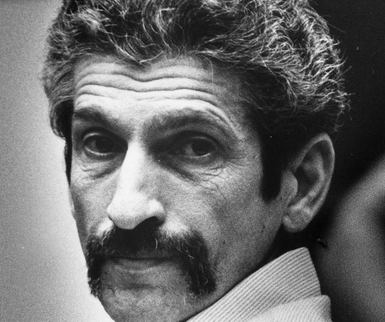
Forensic & Criminological Matrix
| Parameter | Forensic Detail |
|---|---|
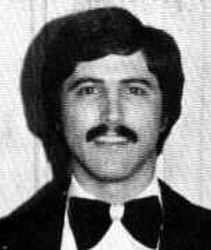
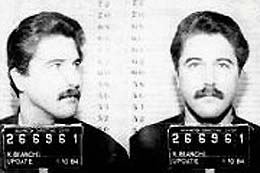
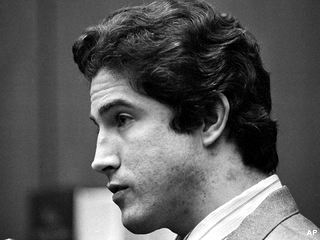
| Legal Identity | Kenneth Alessio Bianchi. |
| Media & Police Moniker | The Hillside Strangler. |
| Criminological Typology | Tandem serial sexual predator / Psychopathic sadist / Instrumental malingerer. |
| Active Period | October 1977 – January 1979. |
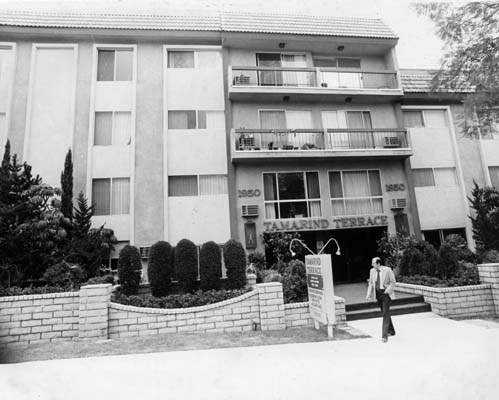
| Crime Scenes | Glendale upholstery shop and hillside dumping bluffs of Los Ángeles (California); Bellingham (Washington). |
| Confirmed Victims | 12 women and girls (10 in Los Angeles jointly with Angelo Buono; 2 in Bellingham operating alone). |
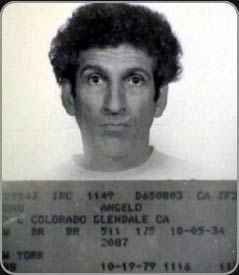
| Primary Accomplice | Angelo Anthony Buono Jr. (cousin). |
| Torture & Murder Modus Operandi | Impersonating plainclothes vice officers, abducting women, severe physical and sexual torture (including electrical shocks and household chemical injections), ligature strangulation, and staging nude corpses along prominent roadside hillsides. |
| Judicial Sentence | Multiple consecutive life sentences without the possibility of parole. Incarcerated at Washington State Penitentiary, Walla Walla. |
Background and the Lethal Synergy
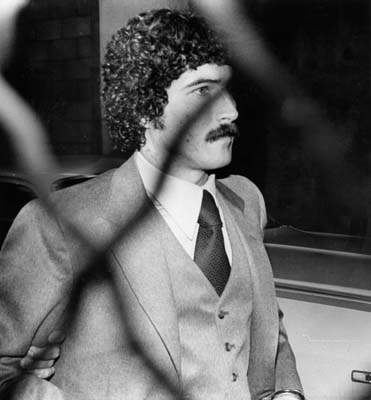
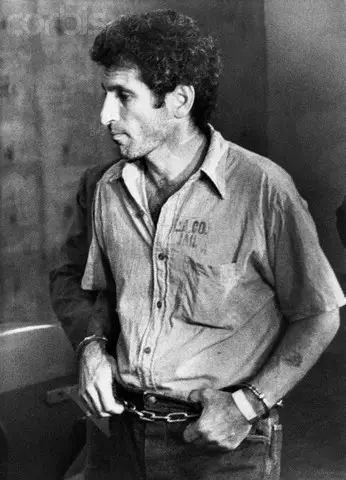
Kenneth Alessio Bianchi was born in Rochester, New York, on May 22, 1951. Adopted into a middle-class home, he developed pervasive patterns of pathological lying, voyeurism, and entitlement. Obsessed with authority and law enforcement, he repeatedly applied to police academies, fabricated psychology credentials, and carried forged police identification cards.
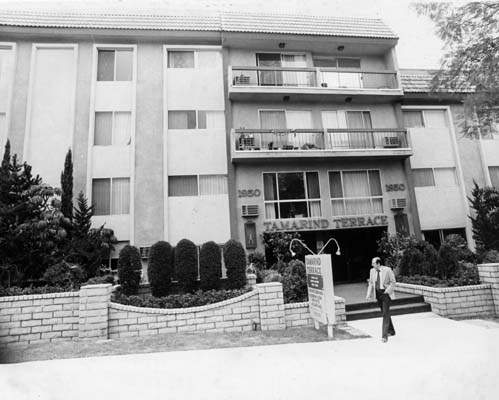
In 1976, Bianchi moved to California to live with his cousin, Angelo Anthony Buono Jr., an aggressive, misogynistic auto upholsterer twenty years his senior. The two formed a toxic criminogenic symbiosis: initially running prostitution and sex ring schemes, they rapidly escalated into joint predatory serial hunting to satisfy shared sadistic urges.
The Hillside Strangler Reign of Terror (1977–1978)
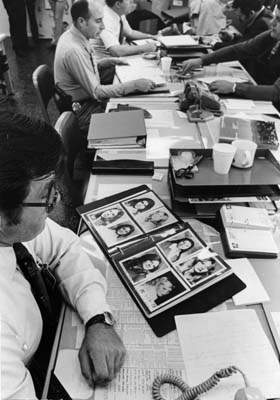
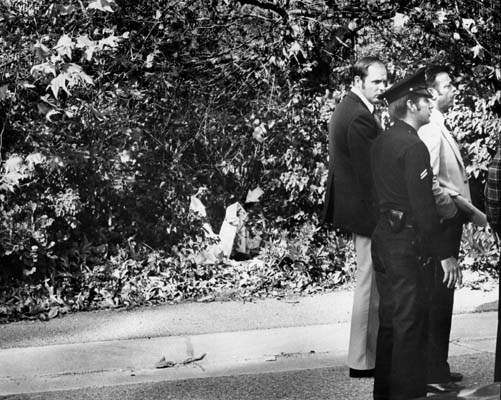
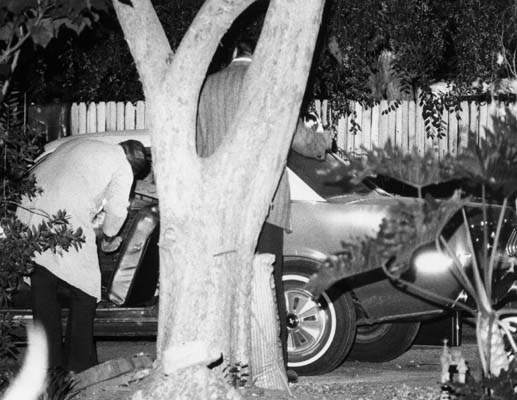
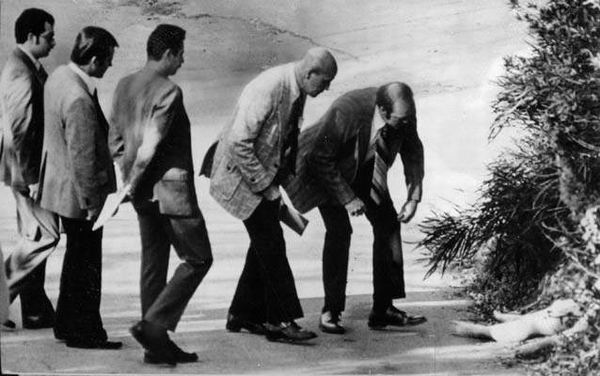
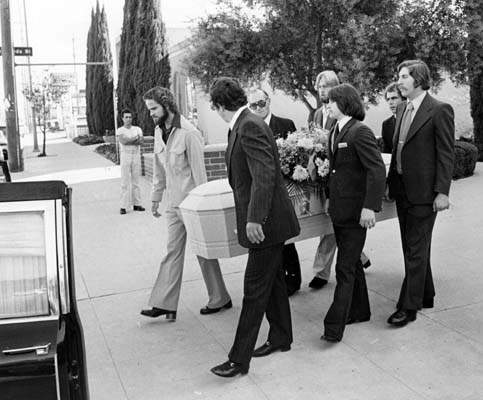
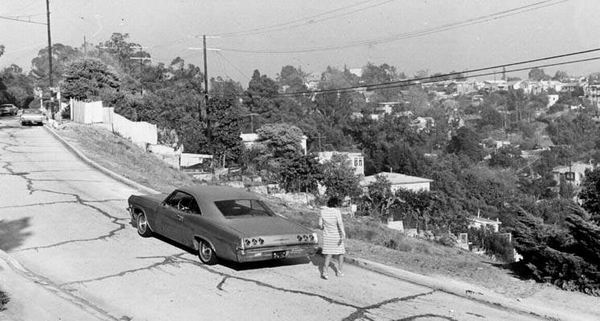
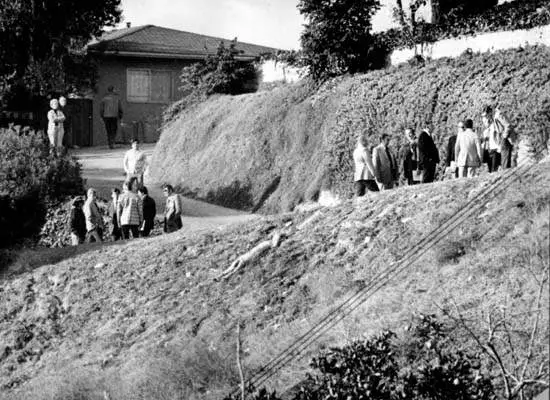
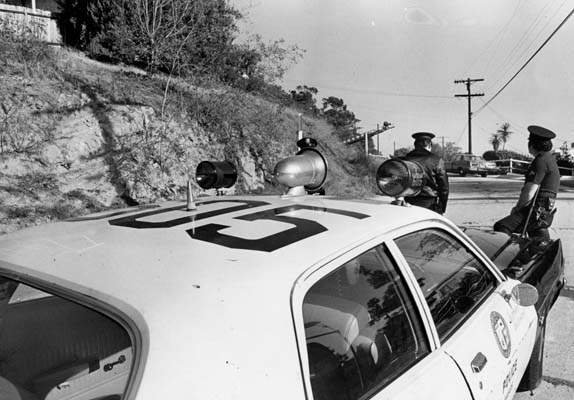
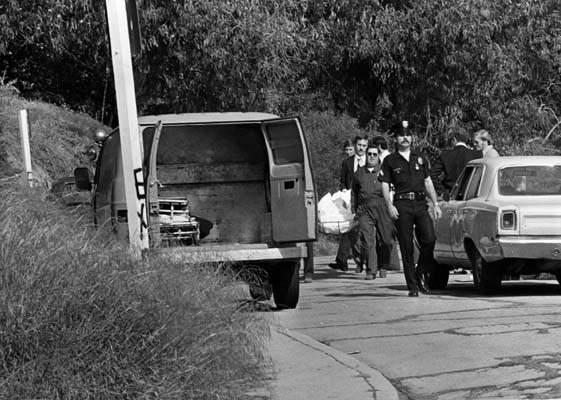
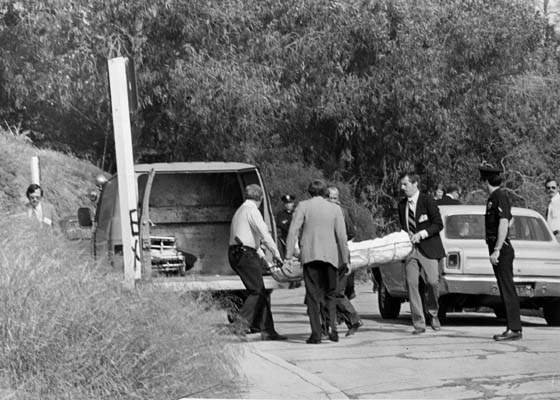
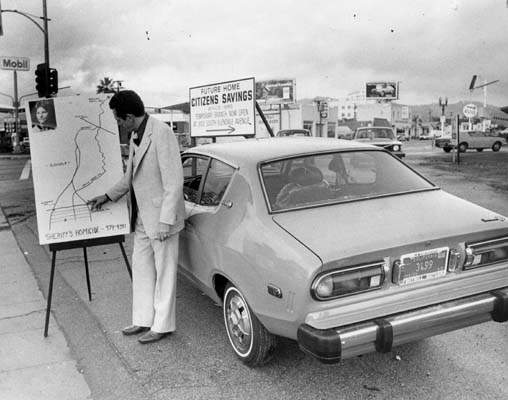
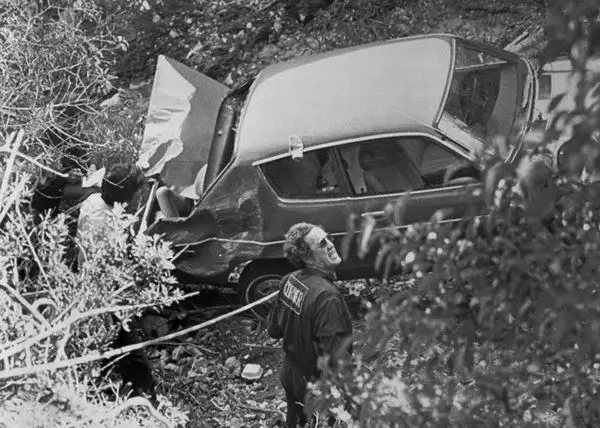
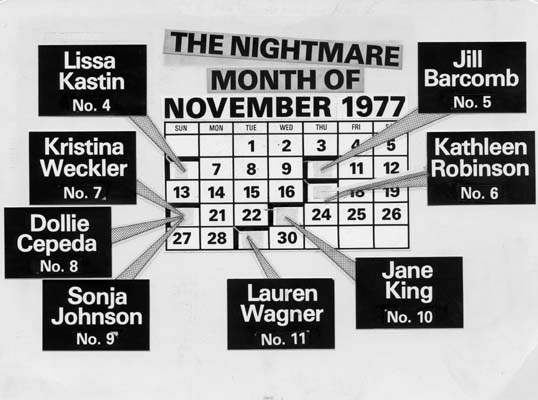
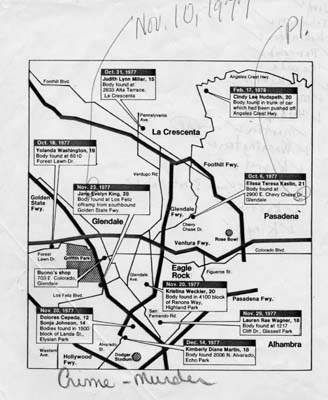
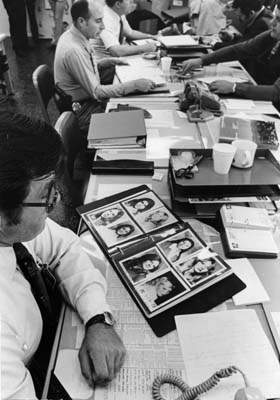
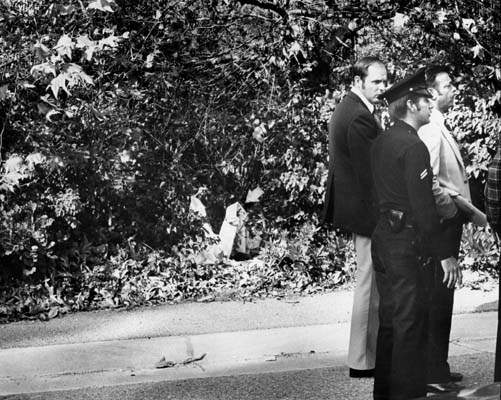
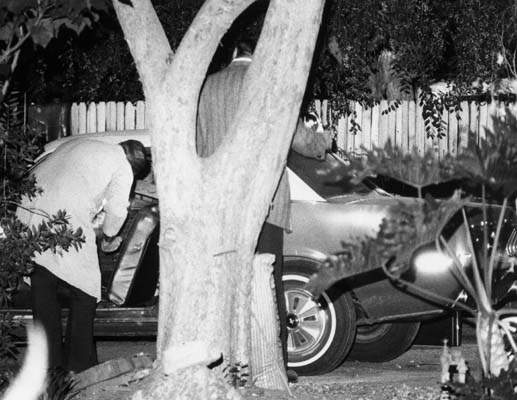
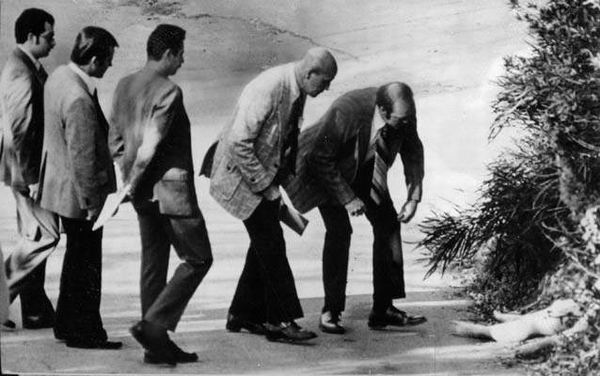
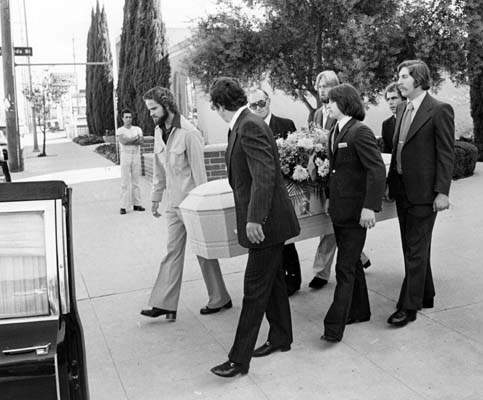
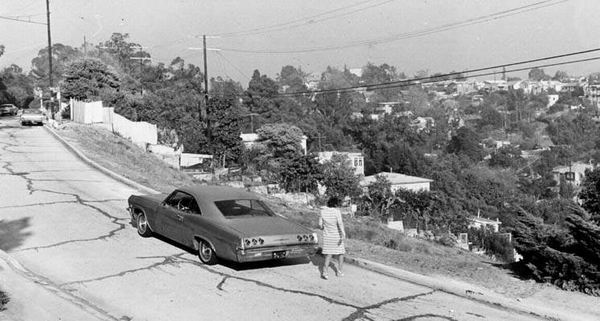
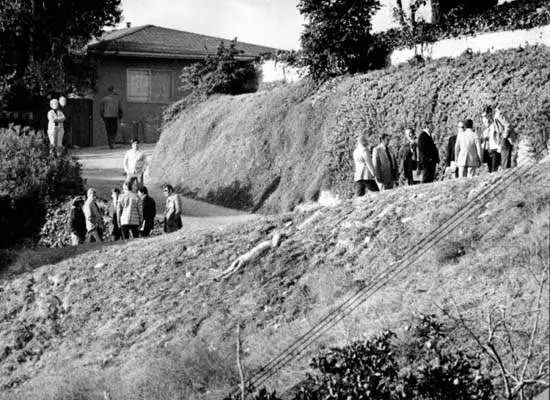
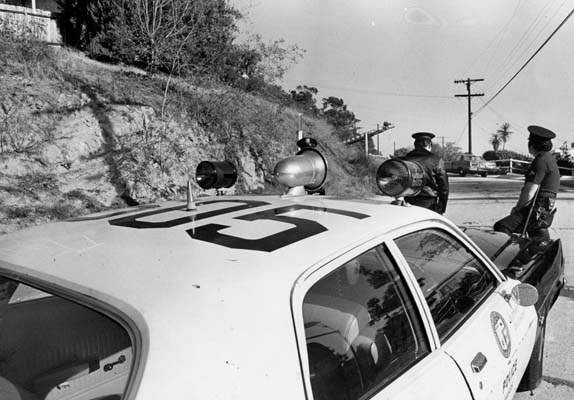
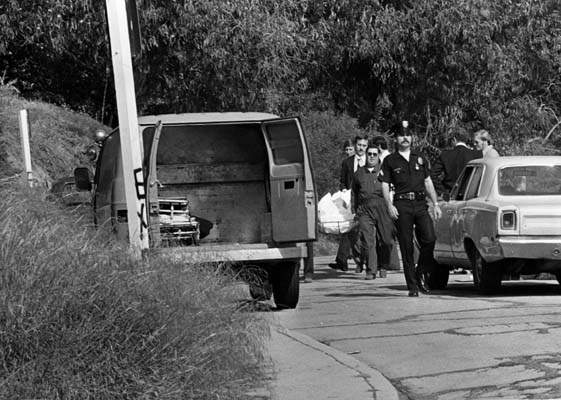
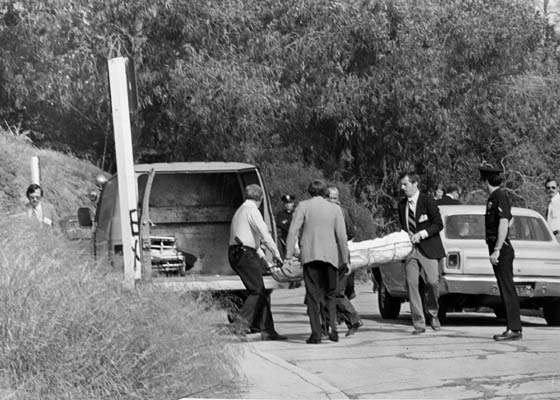
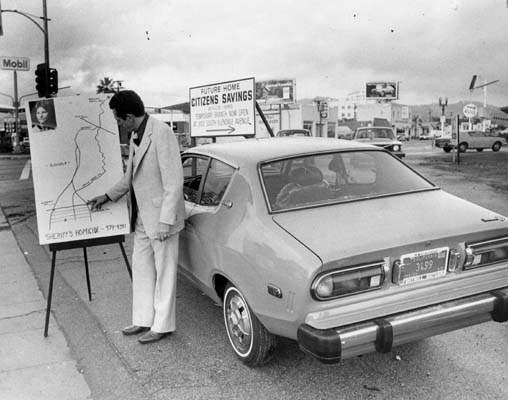
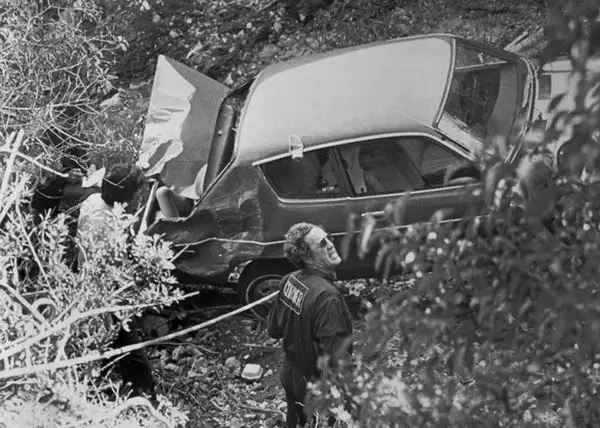
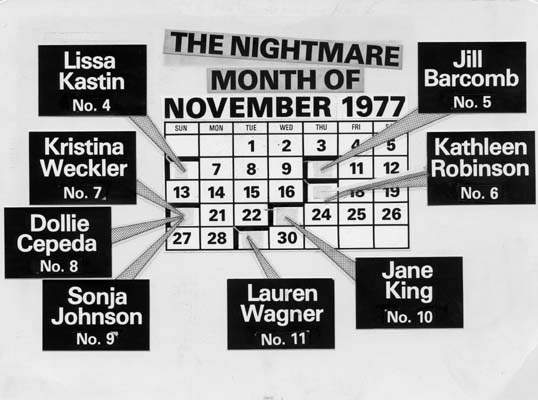
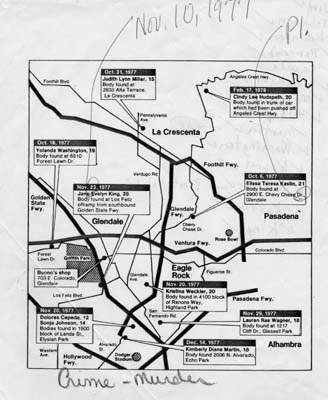
Between October 1977 and February 1978, metropolitan Los Angeles was paralyzed by a succession of high-profile abductions. Young women and schoolgirls vanished off public sidewalks, their bruised, violated, and posed corpses later found strewn across remote slopes in Glendale, Eagle Rock, and the Hollywood Hills.
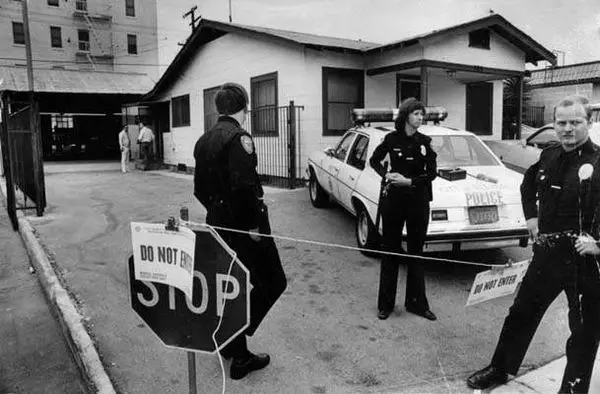
Bianchi and Buono used fake badges to pose as undercover detectives, tricking victims into their vehicles. They transported them to Buono's upholstery shop and home in Glendale, subjecting them to systematic sexual torture. They experimented with tortures including electrode electrocutions, injection of household window cleaners, and plastic bag suffocation before garroting them with nylon cords. The bodies were meticulously scrubbed to eliminate biological traces and abandoned in visible outdoor locations.
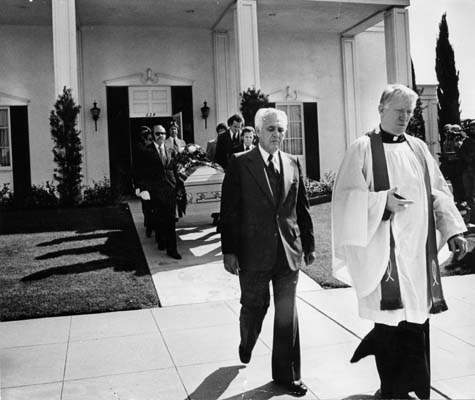
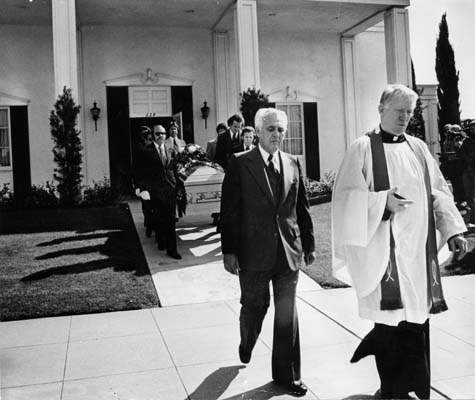
Ten victims—ranging from 12-year-old Dolly Cepeda and 14-year-old Jill Barcomb to adult women—were slain across Los Angeles by the predatory duo.
The Bellingham Murders and Arrest
As LAPD detectives intensified inquiries into local upholstery shops, Bianchi fled to Bellingham, Washington, securing employment as a private security guard. In January 1979, operating independently, he lured two Western Washington University students, Karen Mandic and Diane Wilder, into a vacant residential home under his watch, strangling both in cold blood.
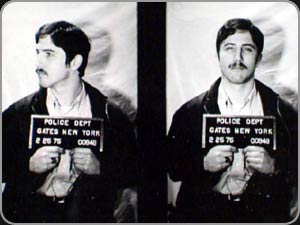
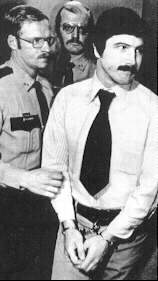
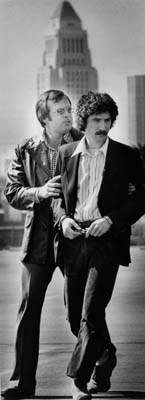
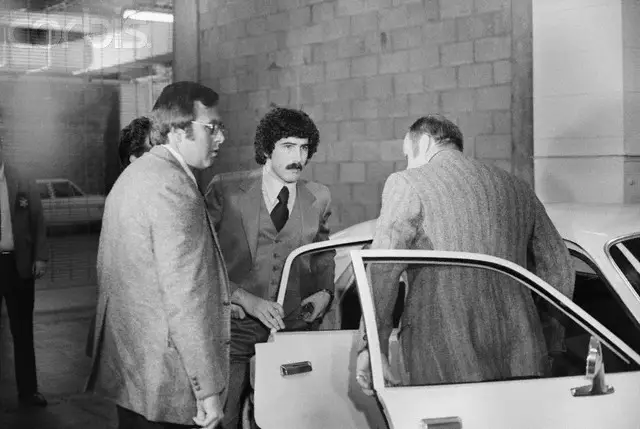
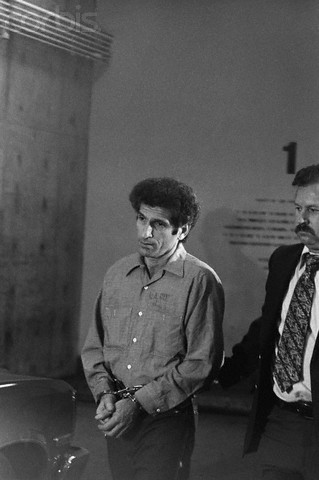
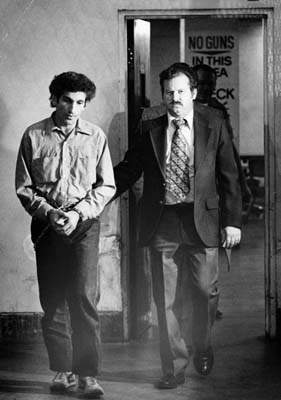
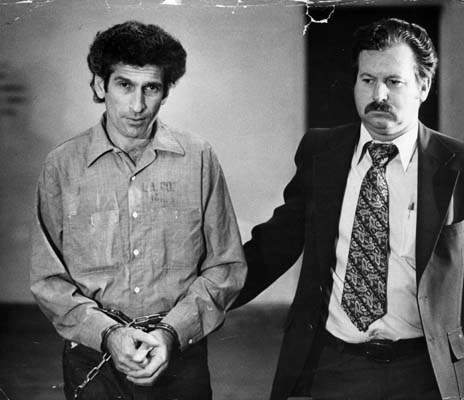
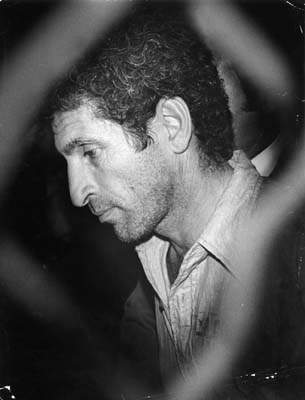
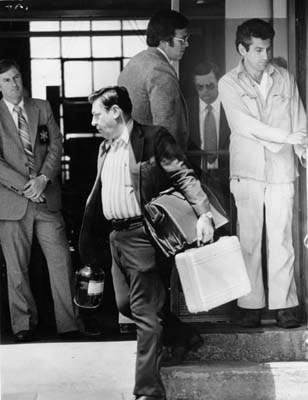
Bellingham police apprehended Bianchi within twenty-four hours after discovering direct physical links. Recognizing his recent relocation from Southern California, Washington detectives contacted the LAPD, decisively tying Bianchi to the elusive Hillside Strangler mystery.
The Dissociative Identity Hoax and Trial
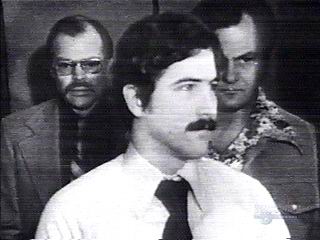
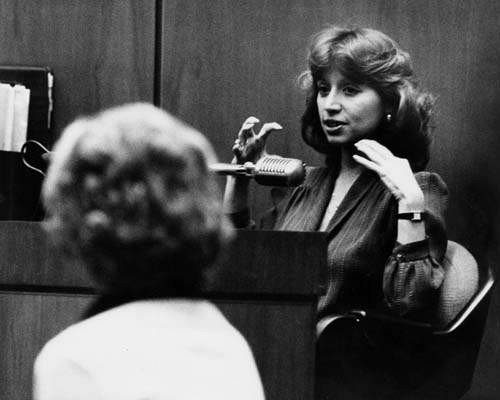
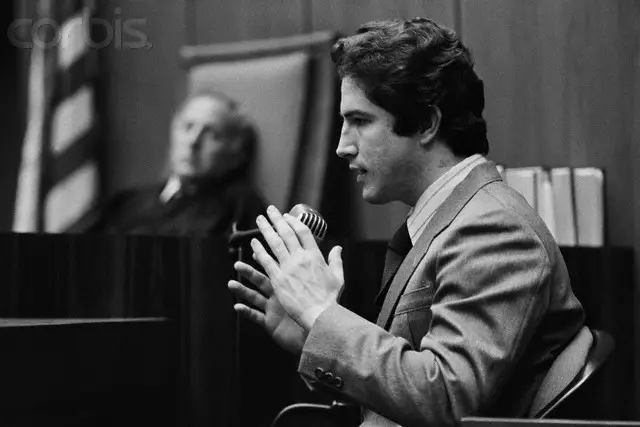
Facing capital charges, Bianchi mounted one of the most audacious psychiatric malingering defenses in American legal history: he feigned Multiple Personality Disorder (Dissociative Identity Disorder), claiming an evil alter ego named "Steve Walker" had committed the atrocities without his conscious awareness. Renowned forensic expert Dr. Martin Orne conclusively dismantled the performance under clinical hypnosis, revealing Bianchi as an intelligent, calculating psychopath.
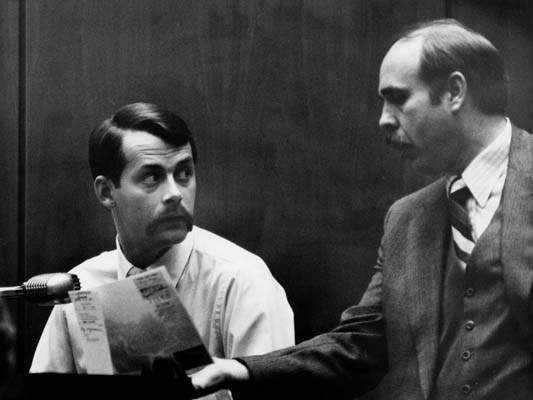
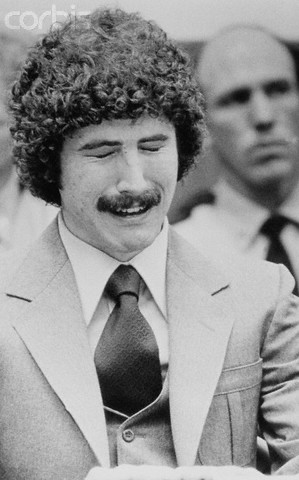
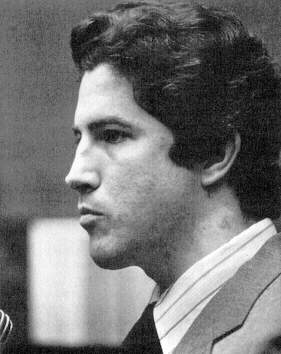
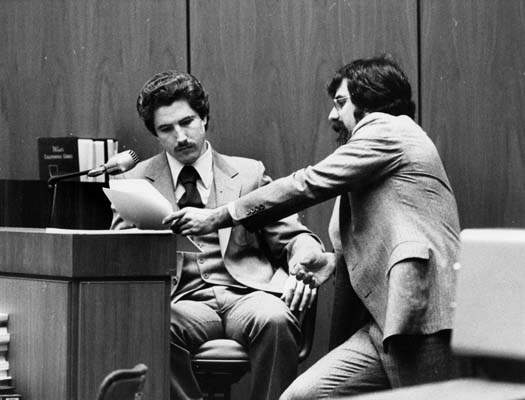
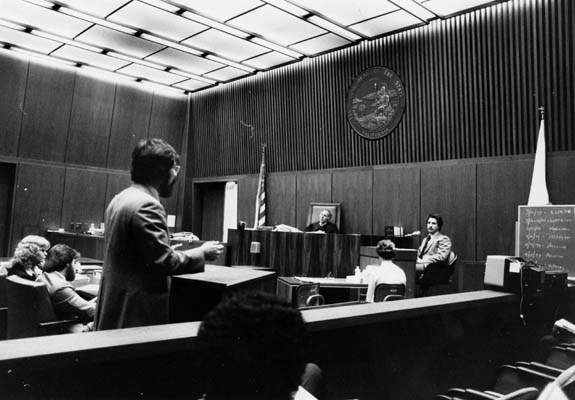
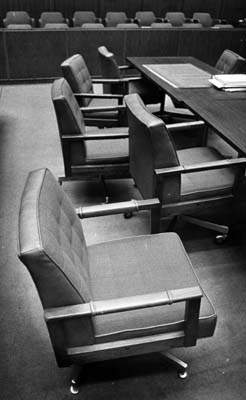
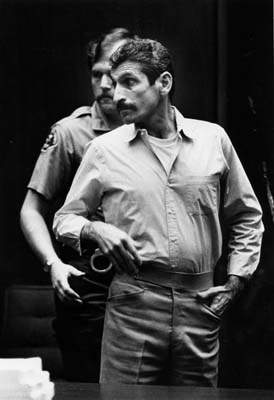
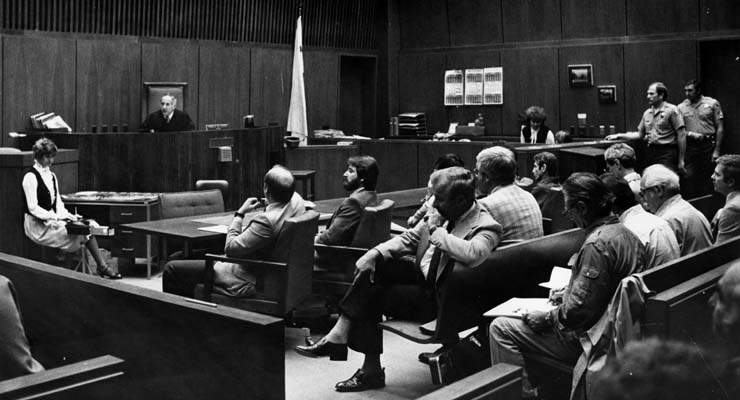
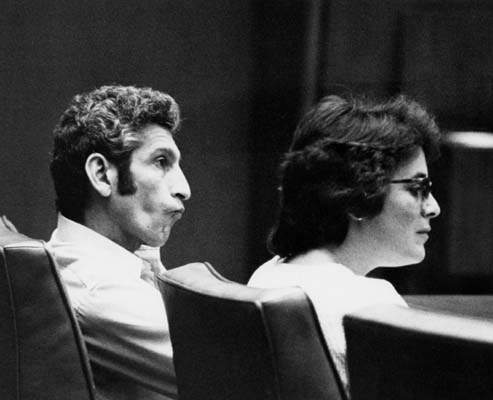
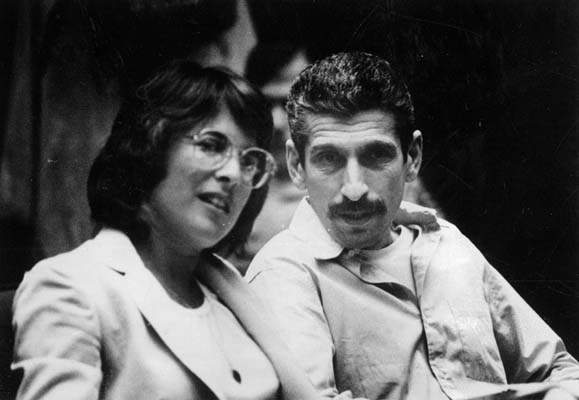
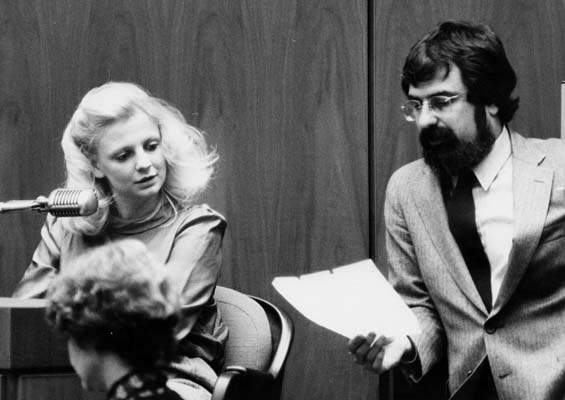
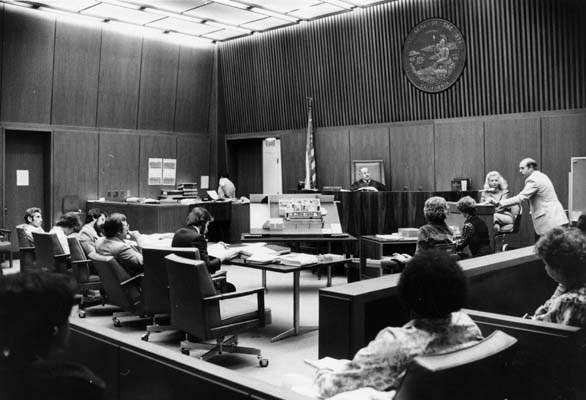
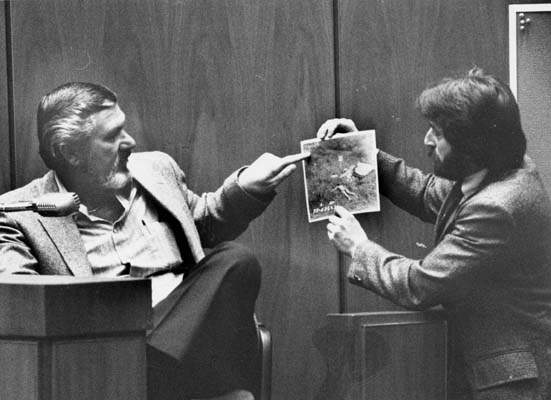
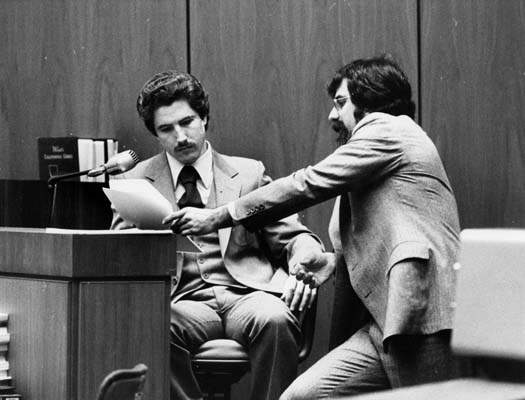
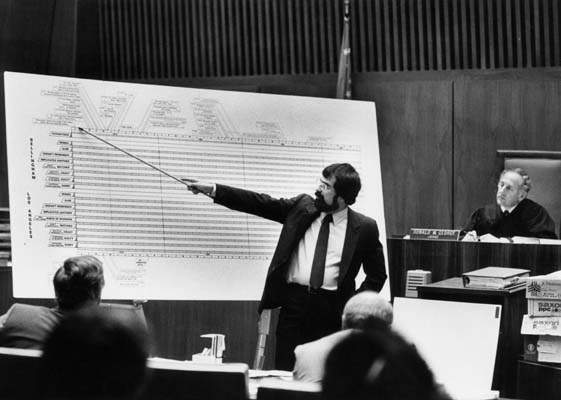
Confronted with undeniable forensic and psychological evidence, Bianchi entered a plea bargain agreeing to plead guilty and testify against Angelo Buono to escape the gas chamber. His testimony spurred California's longest and most expensive criminal trial. Buono was convicted and received life imprisonment without parole (dying in Corcoran State Prison in 2002). Bianchi remains serving multiple life sentences at the Washington State Penitentiary in Walla Walla.