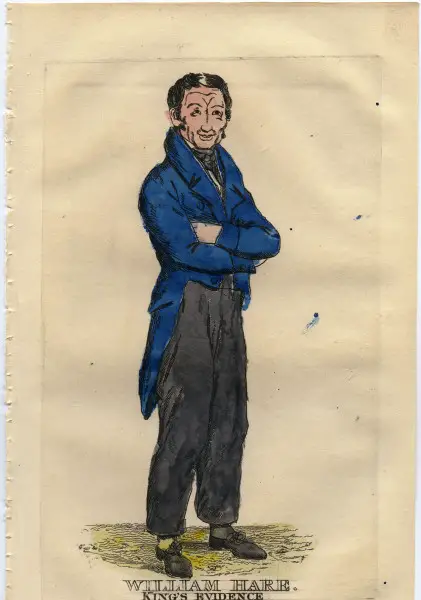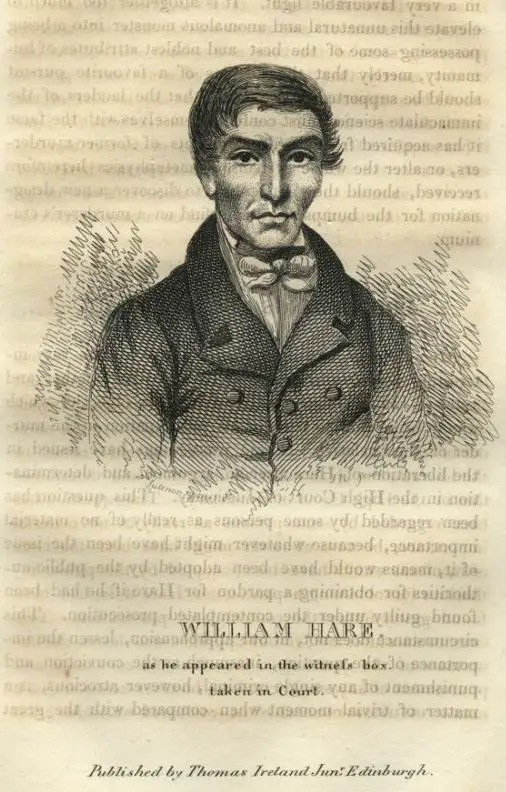




Forensic & Criminological Matrix
| Parameter | Forensic Detail |
|---|---|
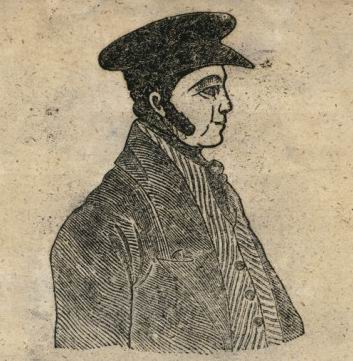
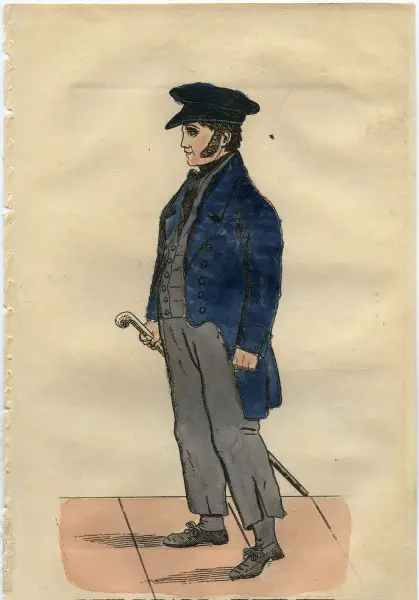
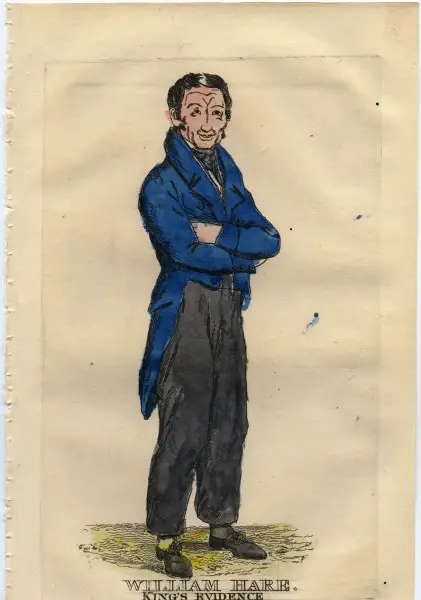
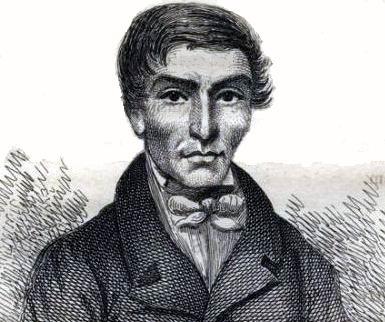
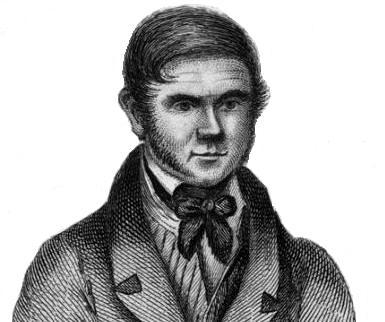
| Full Legal Name | William Hare |
| Historical & Criminological Moniker | The West Port Murders, Burke & Hare |
| Nationality | Irish / British |
| Estimated Birth Window | c. 1792 / 1804, Poyntzpass, County Armagh, Ulster, Ireland |
| Date & Place of Death | Unknown (vanished in England following his February 1829 discharge) |
| Legal Status | Granted absolute prosecutorial immunity (King’s Evidence); released under police escort |
| Confirmed Direct Homicides | 16 murders committed jointly with William Burke |
| Active Criminal Period | November 1827 – October 31, 1828 |
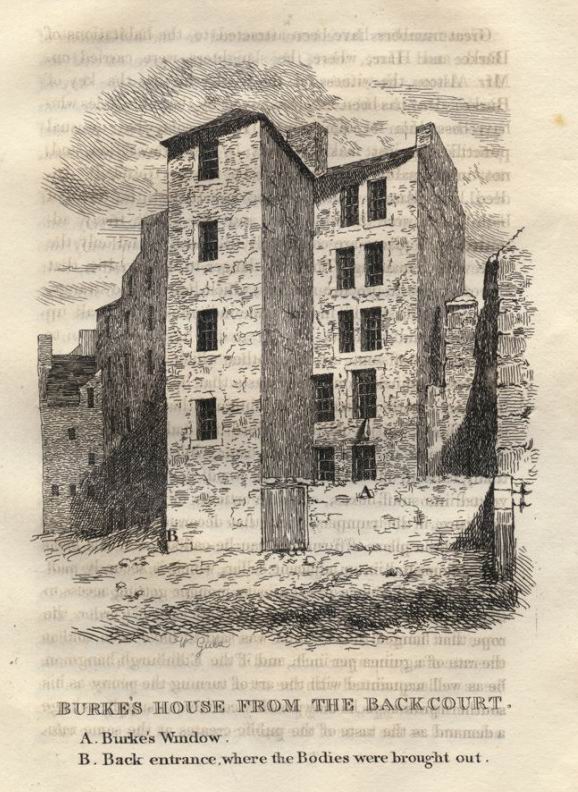
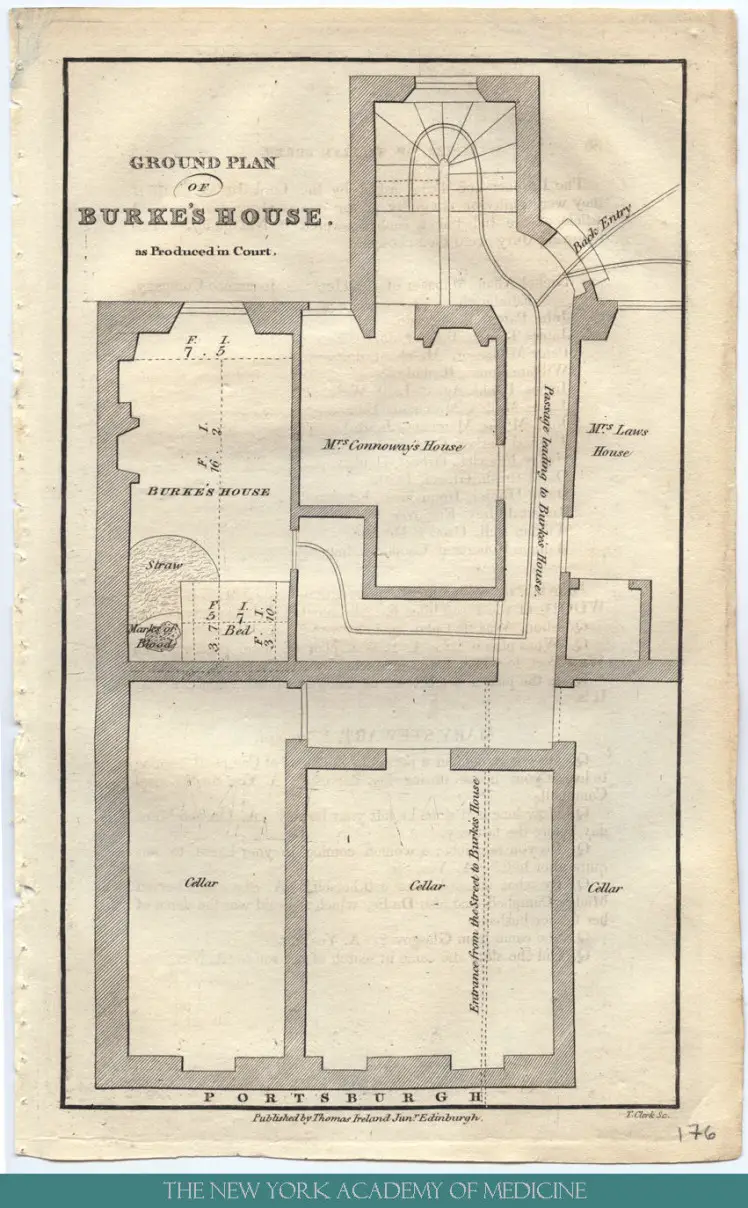
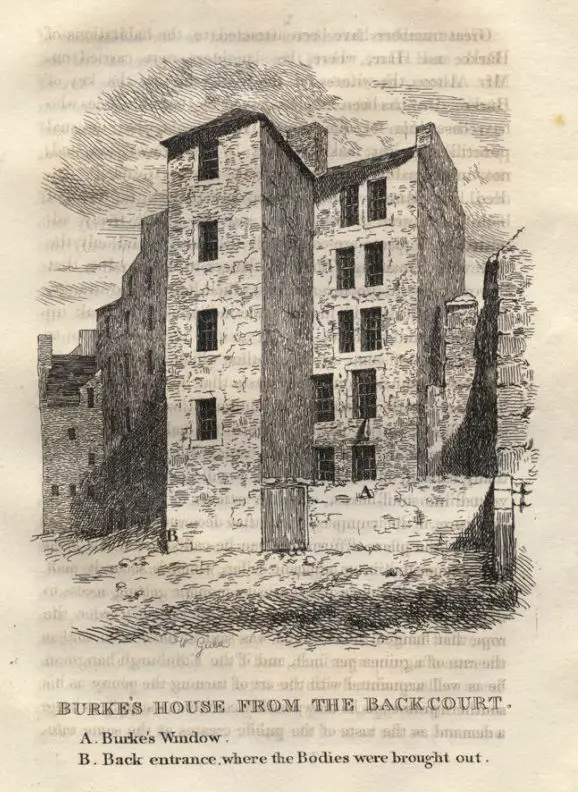
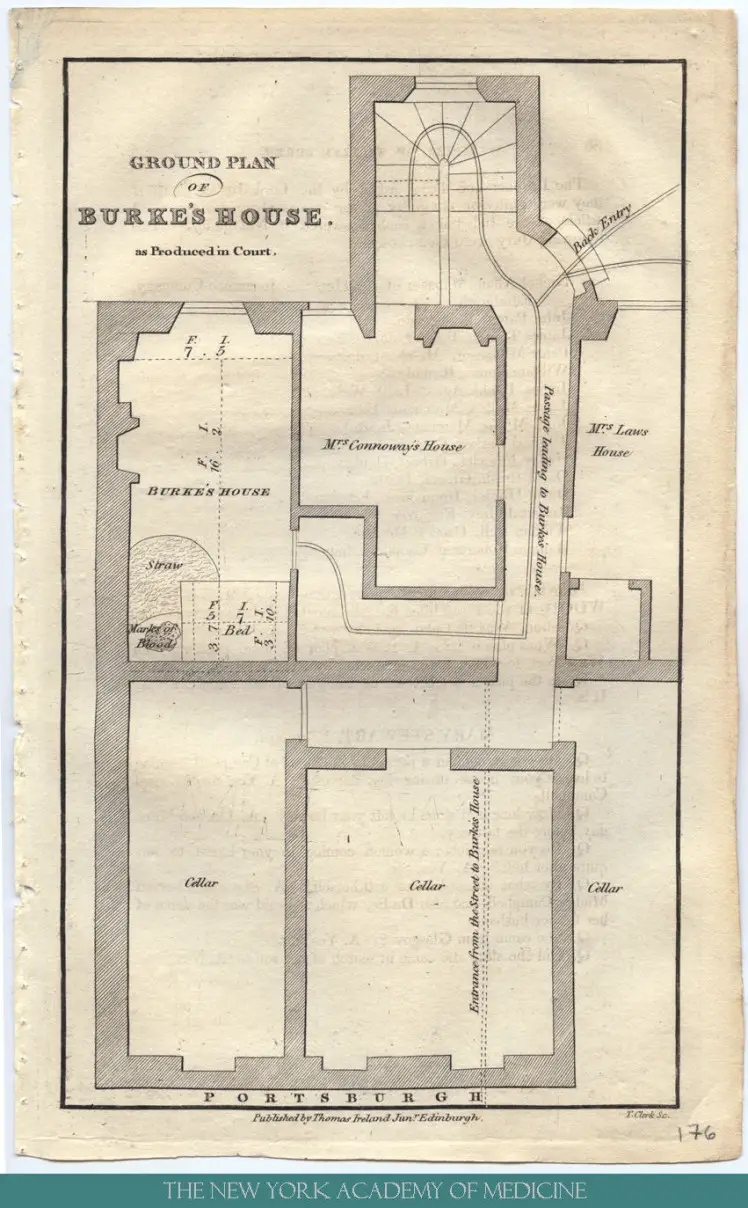
| Operational Base | Hare's tenement lodging house in Tanner's Close, West Port, Edinburgh |
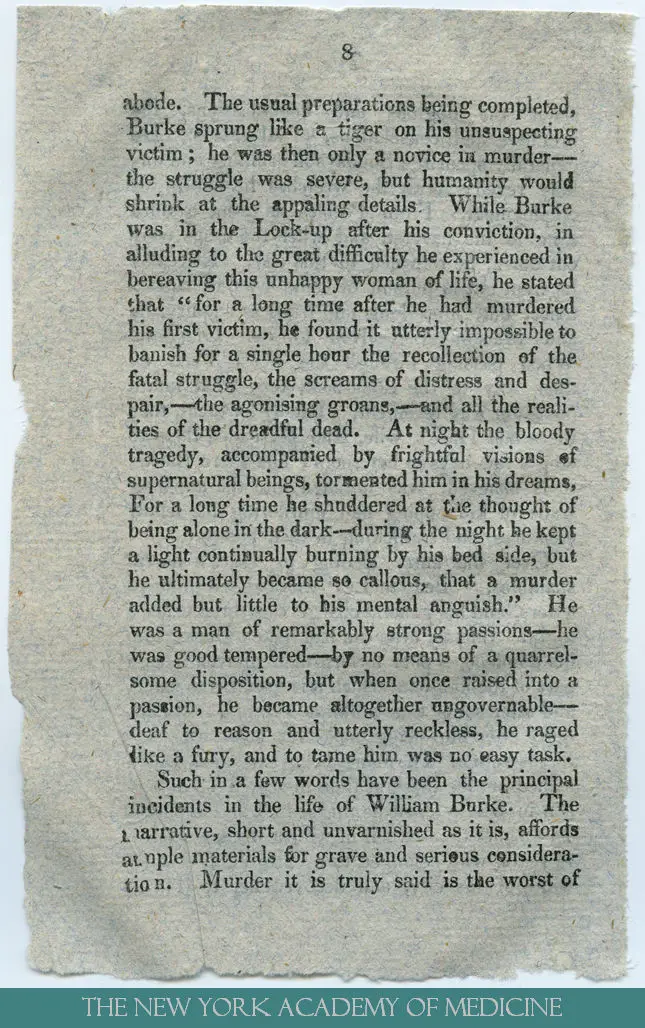
| Execution Mechanics | Burking (intentional positional asphyxia and oral-nasal occlusion performed on alcohol-paralyzed victims) |
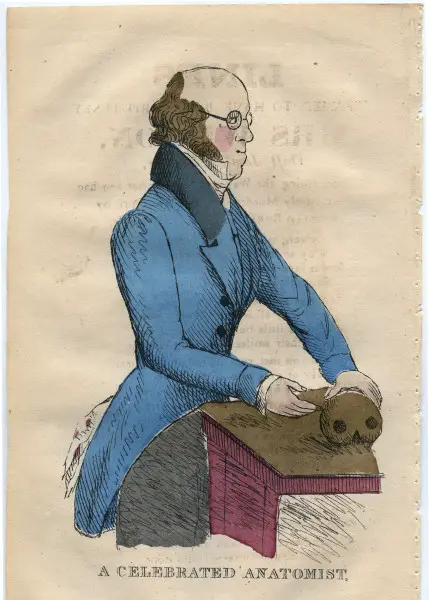
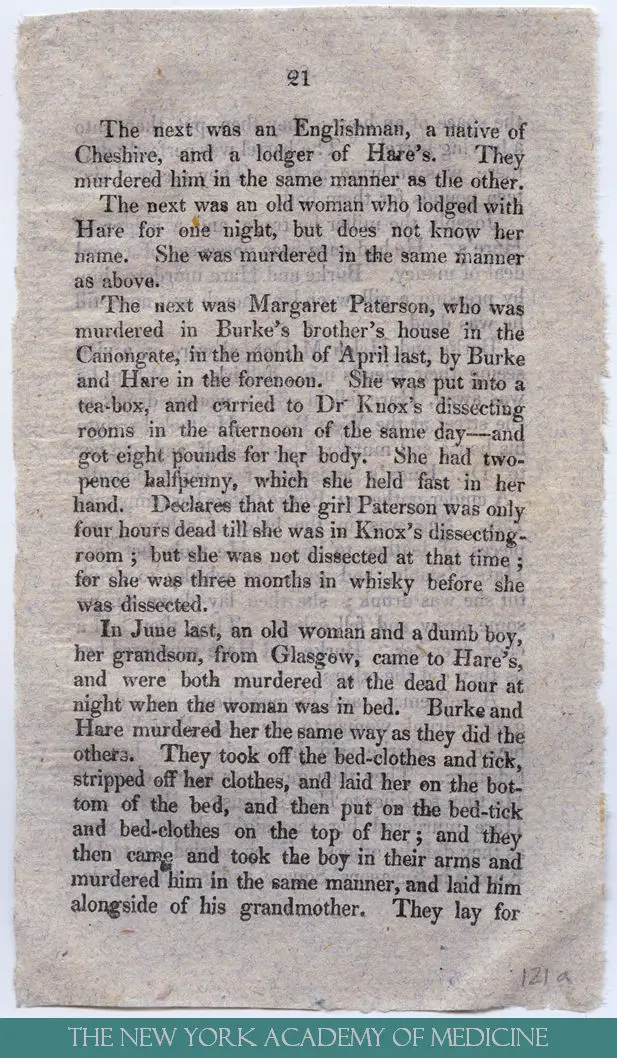
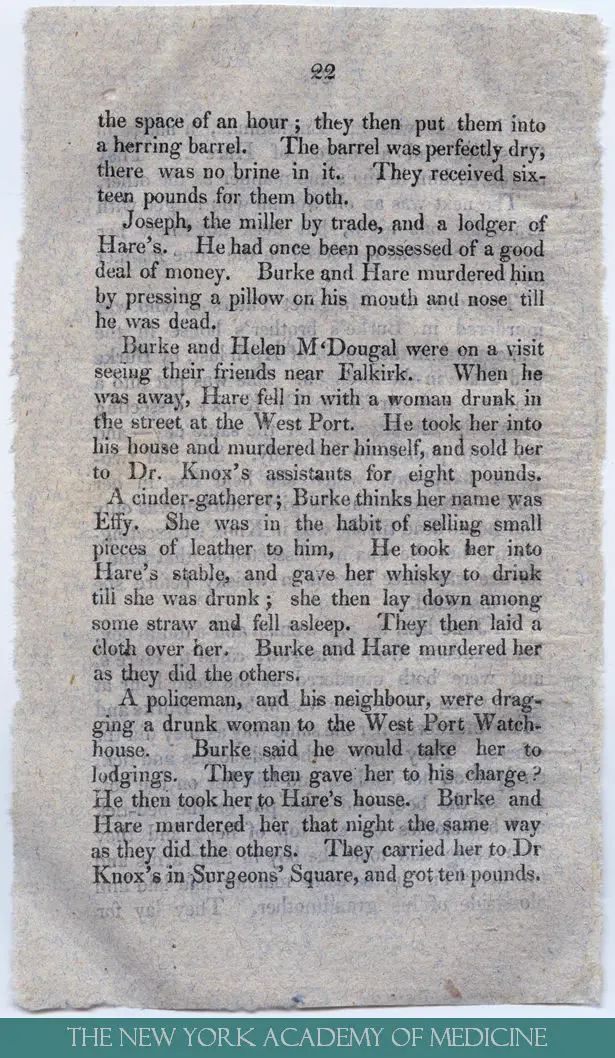
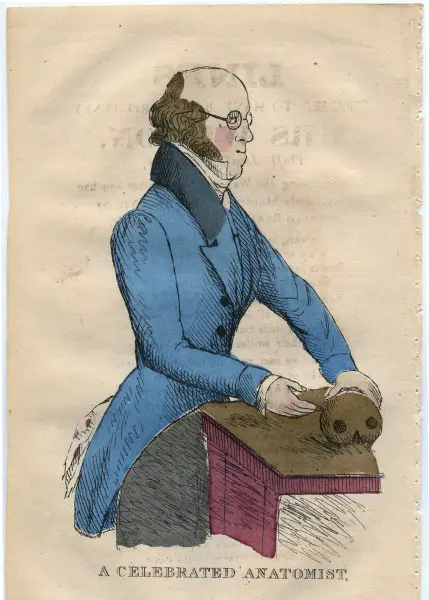
| Commercial Outlet | The private anatomical theater of Dr. Robert Knox at 10 Surgeon's Square |
| Legal Singularity | Betrayed partner William Burke in exchange for complete immunity for himself and wife Margaret Laird, sparking public riots |
Background and Arrival in Edinburgh
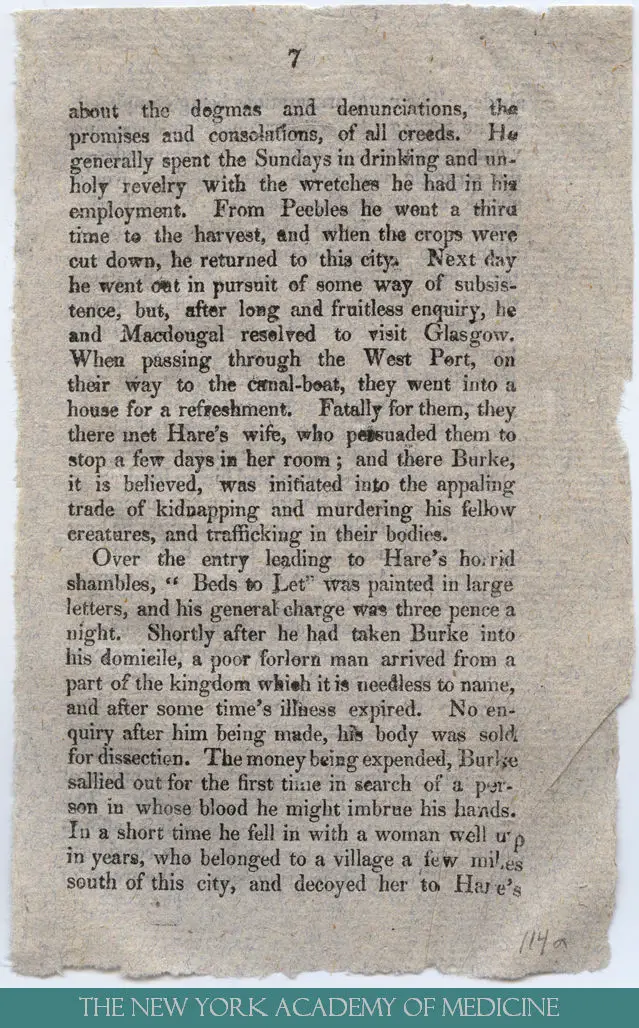
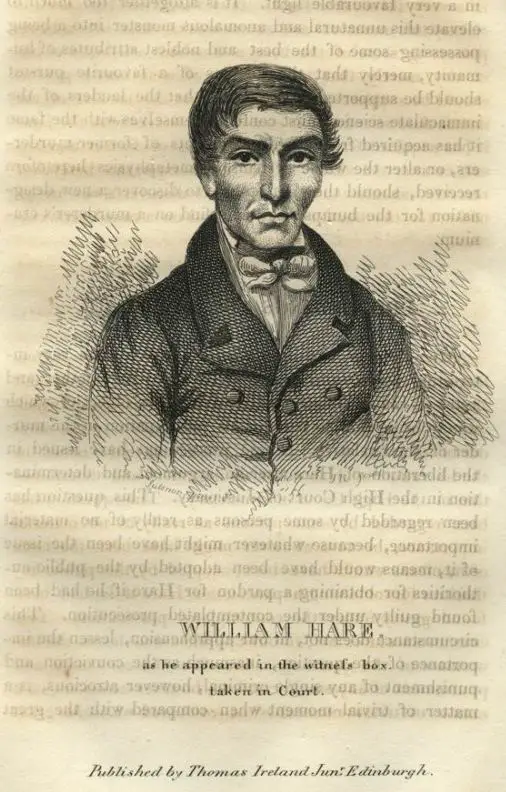
William Hare was born in County Armagh, Ireland. Like thousands of impoverished laborers of the era, he crossed the Irish Sea to Scotland to work on the Union Canal project.
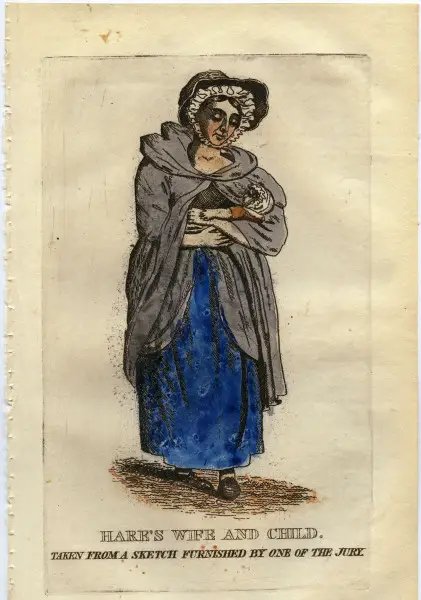
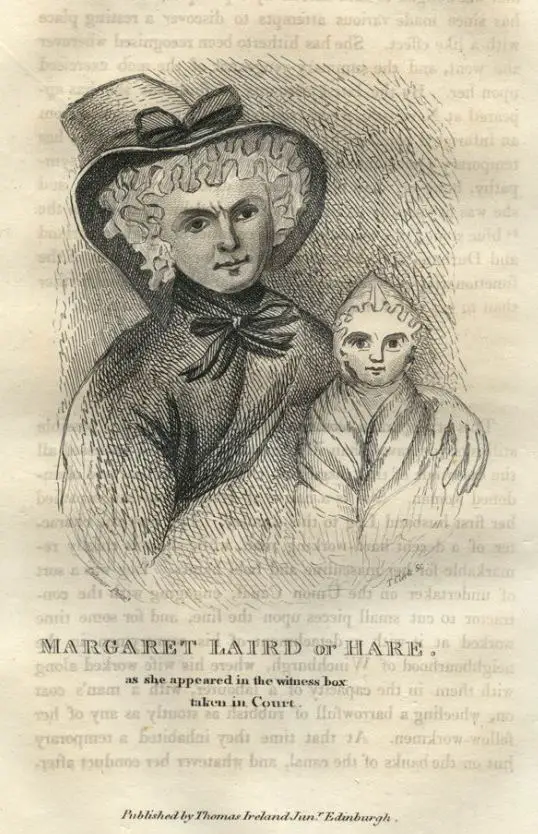
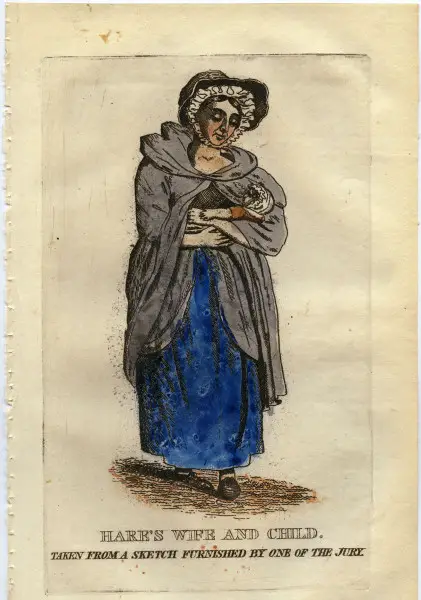
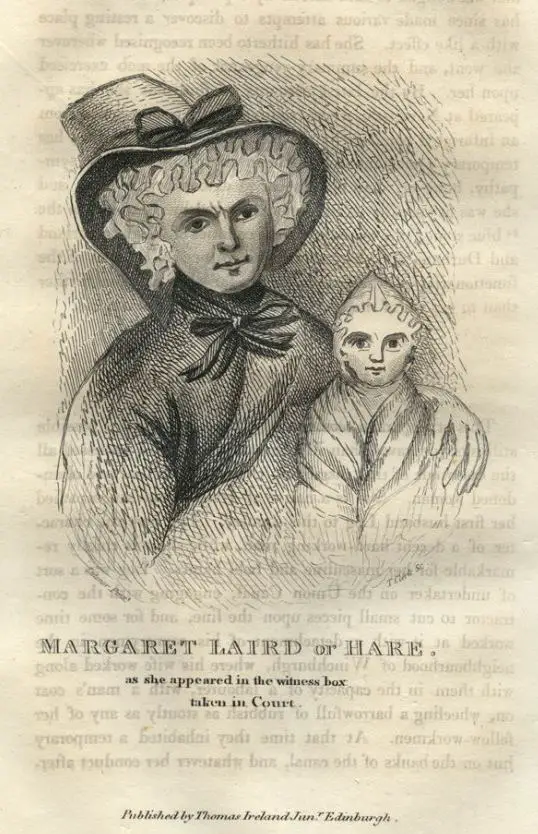
Settling in Edinburgh, he took up residence with Margaret Laird, a widow who operated a lodging house in Tanner’s Close, a grim alleyway within the West Port slum. Hare assumed informal management of the property, leasing squalid floor-space to itinerant hawkers, beggars, and travelers.
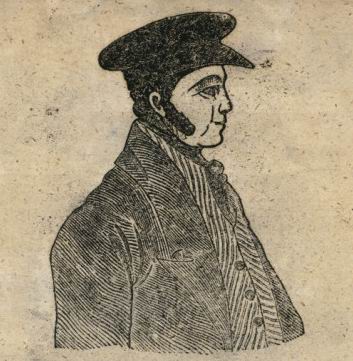
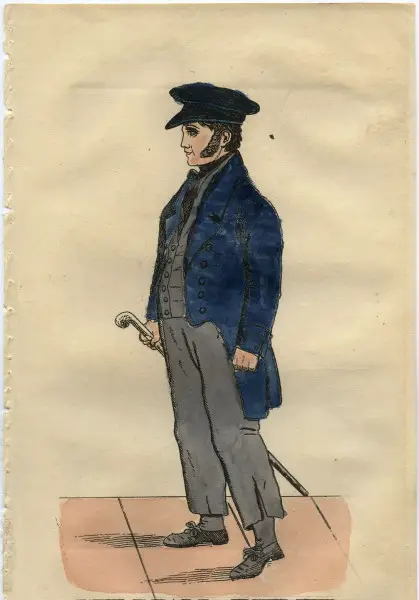
Contemporaries characterized Hare as coarse, highly volatile, shrewd, and profoundly amoral. In late 1827, he forged an alliance with fellow Irish immigrant William Burke.
The Inception of the Cadaver Business
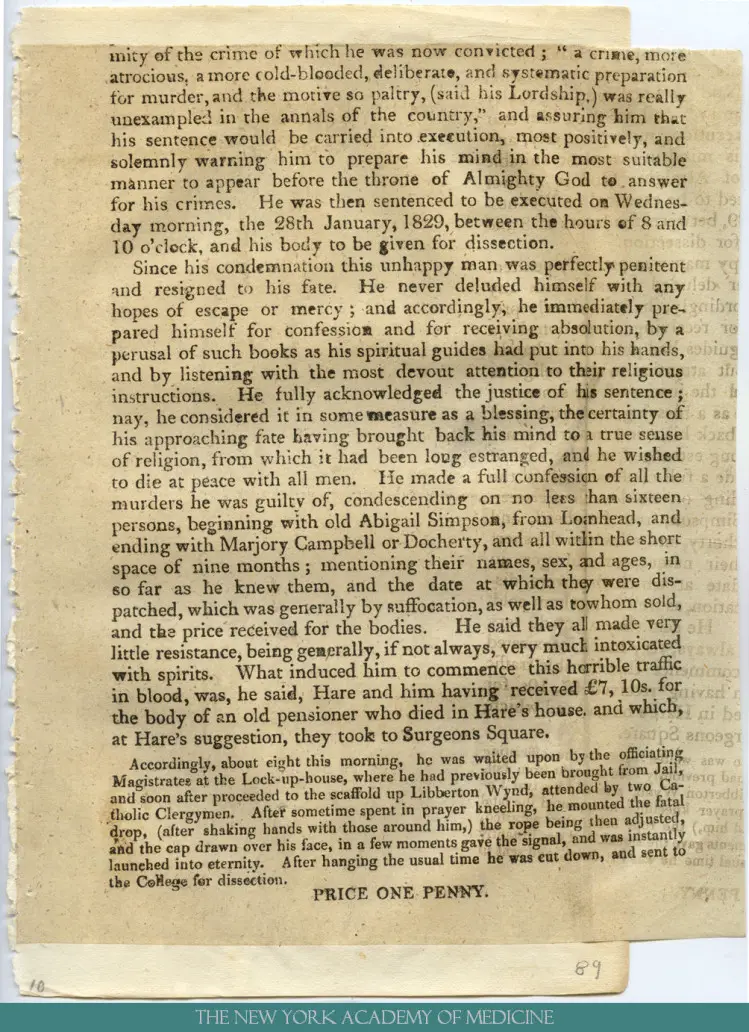
On November 29, 1827, Donald, an elderly army pensioner residing in Hare's lodge, passed away from dropsy owing Hare £4 in back rent. To recover the financial loss, Hare and Burke opened Donald's parish coffin, substituted the corpse with tree bark, and carted the cadaver to Surgeon's Square.
Dr. Robert Knox, director of Edinburgh's largest private anatomy academy, paid the pair £7 and 10 shillings through his assistants, openly stating that he would be glad to receive future specimens without requiring proof of provenance.
Realizing that grave robbing carried severe perils from armed cemetery guards, Hare and Burke decided to murder vulnerable individuals inside the lodging house to manufacture their own fresh anatomical merchandise.
The Murder Factory at Tanner's Close
Hare’s lodging house served as the lethal trap:
- Hare provided the secure, secluded rooms in Tanner's Close.
- He supplied large volumes of cheap whisky, inducing profound alcohol incapacitation in prospective victims.
- During the homicidal asphyxiation (burking), Hare held the victim’s thrashing limbs securely while Burke threw his torso over the victim's chest, simultaneously sealing mouth and nostrils.
- Together, they crated the bodies in wooden tea chests, delivering them within hours to Knox's dissection slabs.
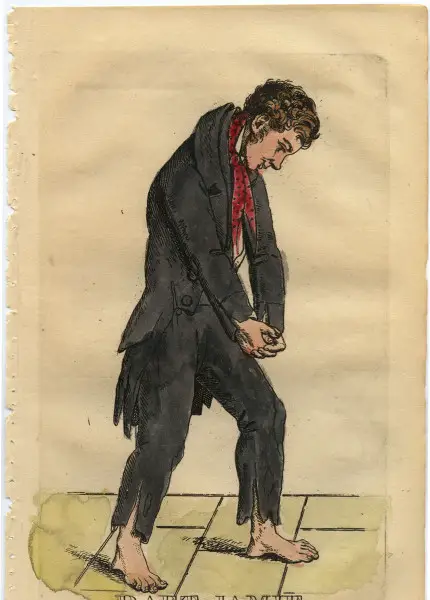
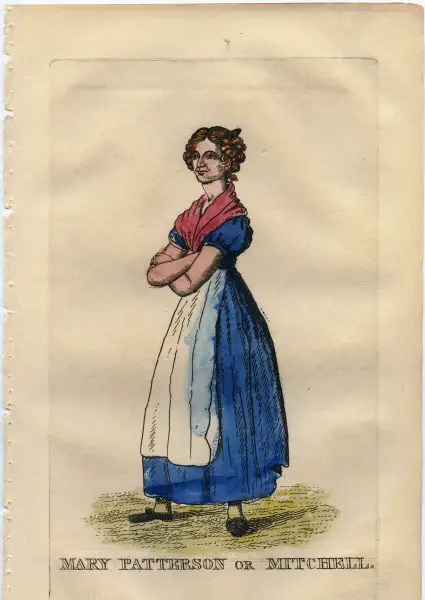
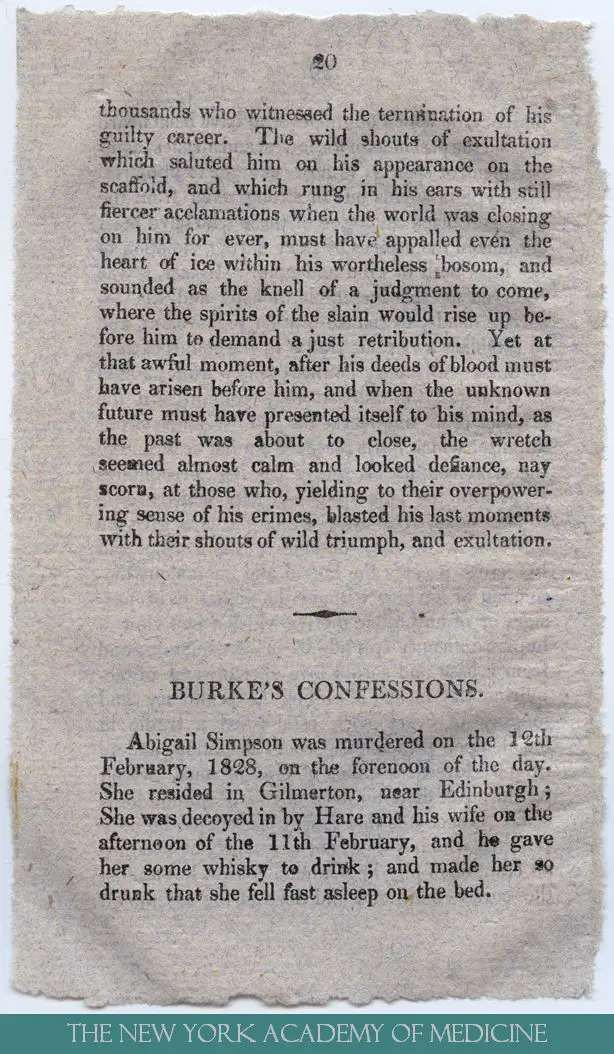
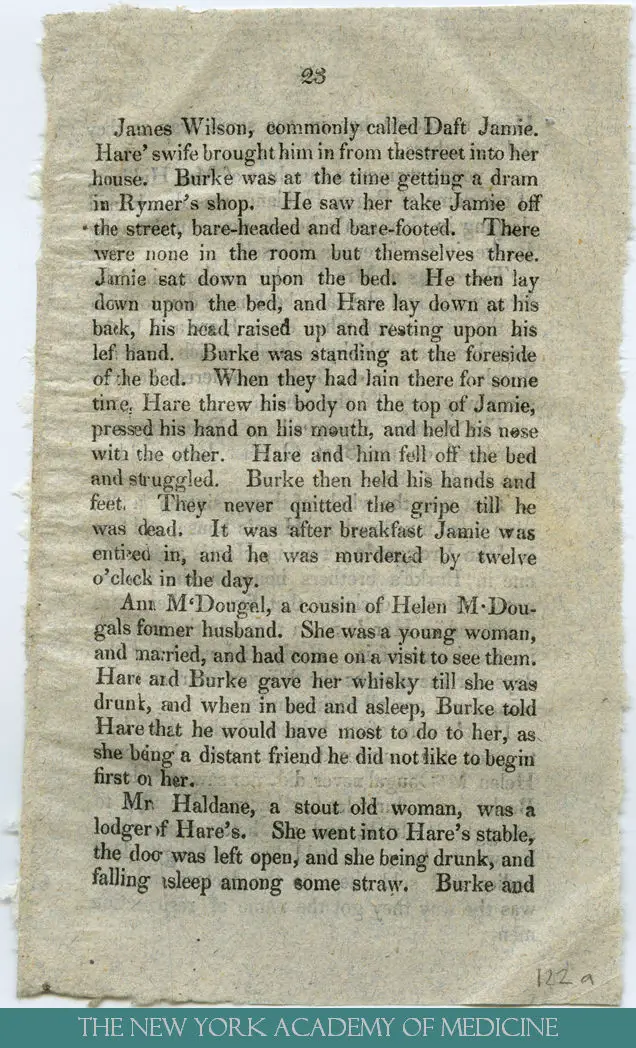
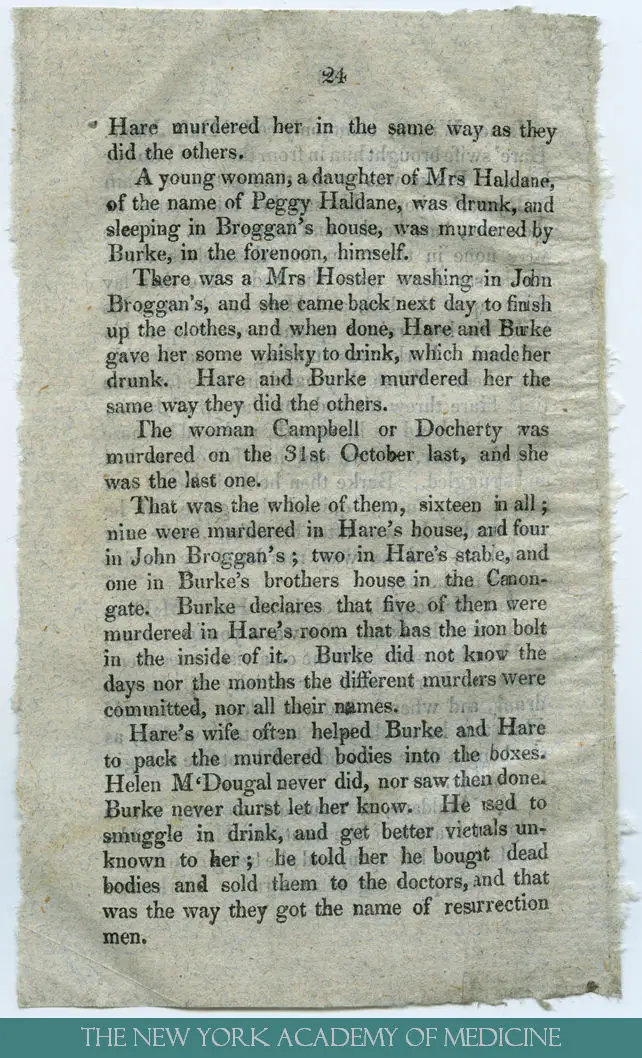
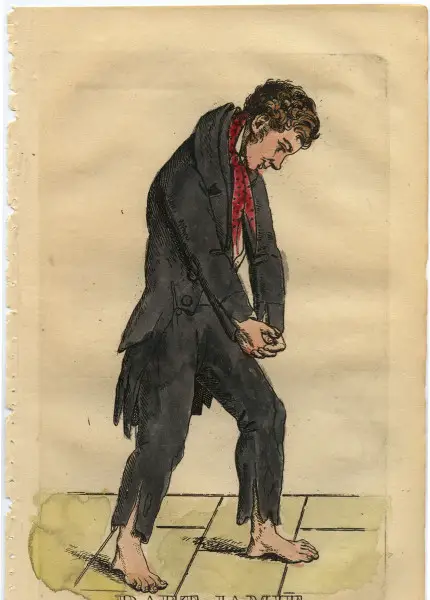
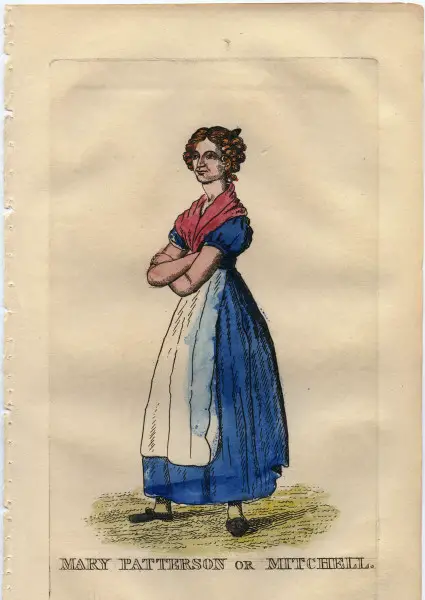
Victims slaughtered inside Hare's rooms included elderly match-seller Abigail Simpson, sex worker Mary Paterson, a sickly wandering miller, a blind youth and his grandmother, and beloved street character Daft Jamie (James Wilson).
Crown Immunity and Betrayal
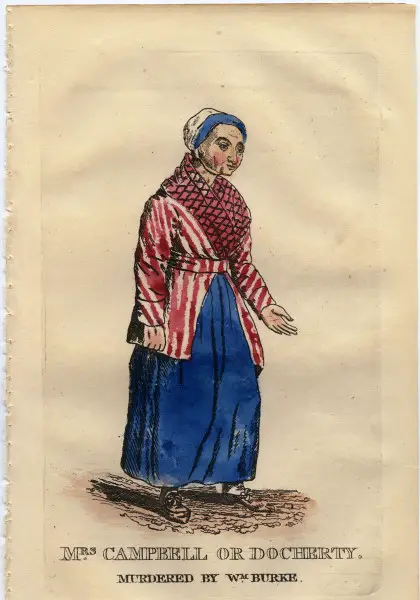
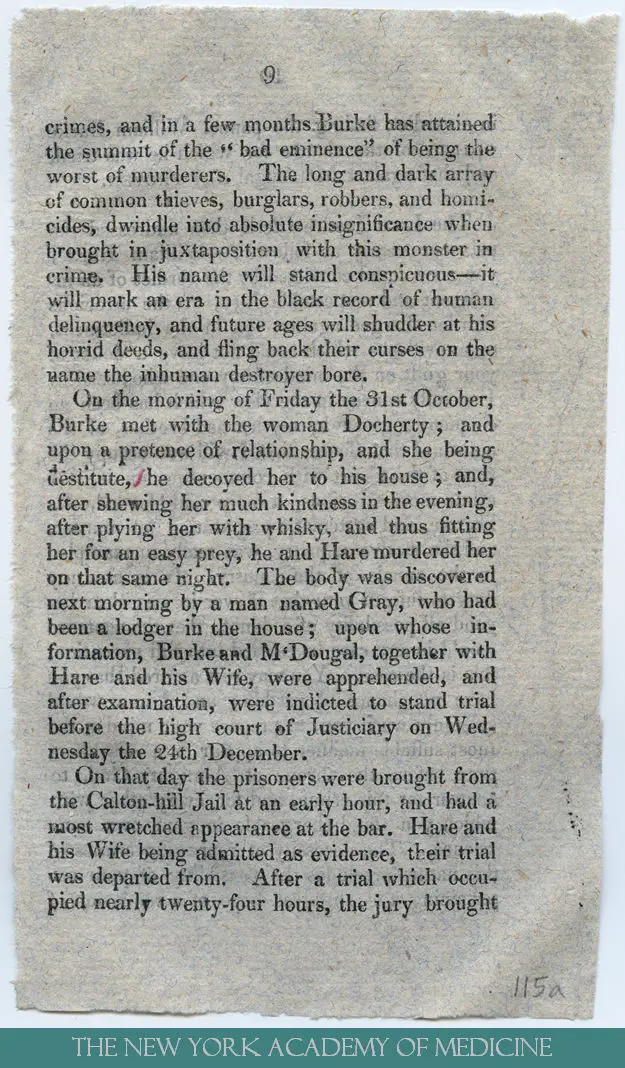
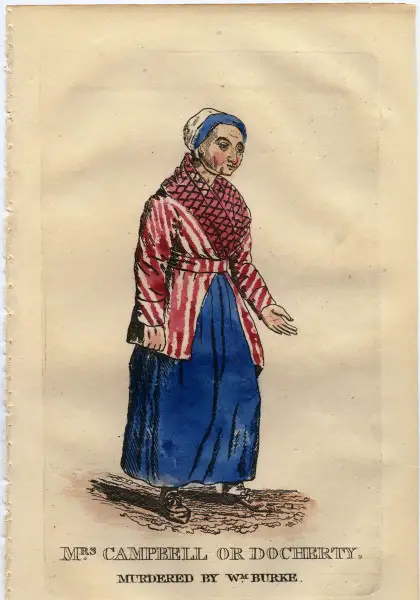
On Halloween night 1828, the murder of Margaret Docherty led to police intervention after fellow lodgers uncovered the corpse hidden under straw. Burke, Hare, and their partners were detained.
Because the burking technique left virtually no physical marks of violence—fractures, bruising, or laryngeal petechiae—the Crown lacked definitive pathological evidence to prove murder beyond a reasonable doubt over acute alcohol poisoning.
Lord Advocate Sir William Rae made the controversial decision to offer William Hare absolute judicial immunity (King's evidence). In exchange for a full judicial confession and testimony against William Burke, Hare and his wife would walk out of prison entirely unpunished.
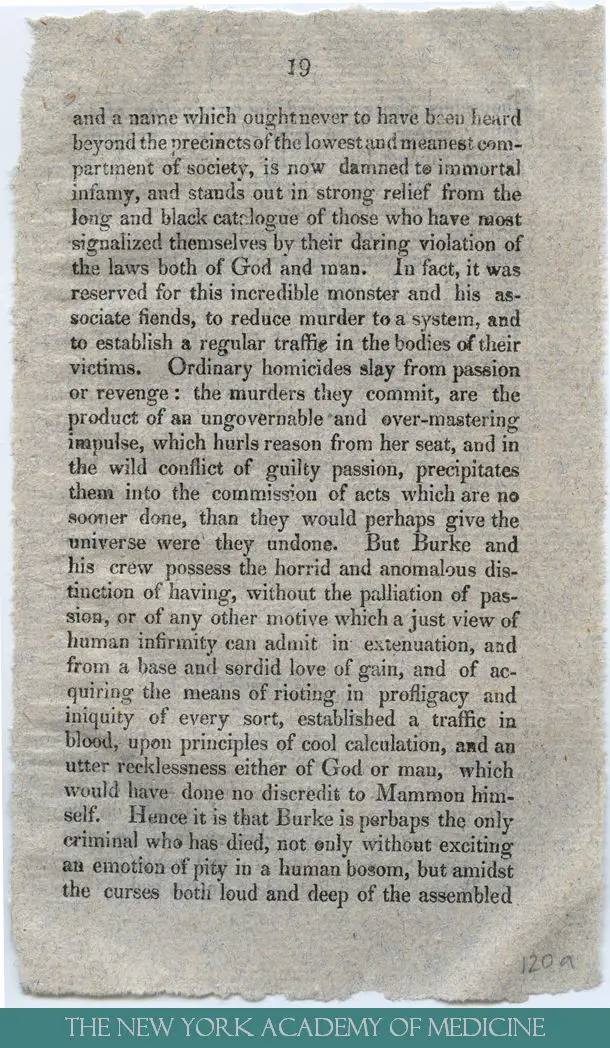
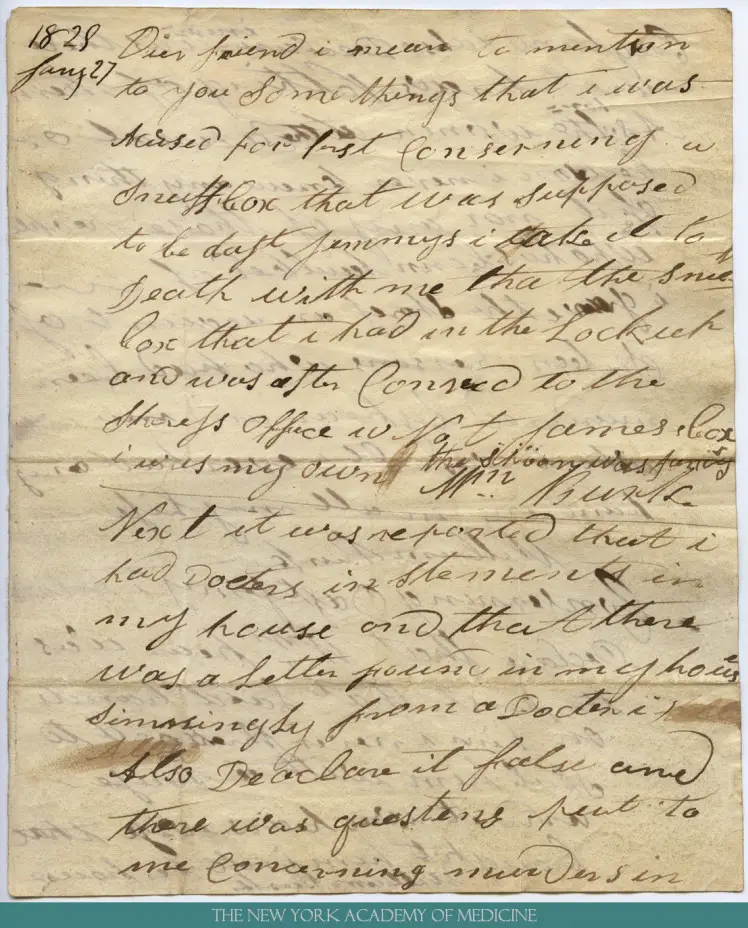
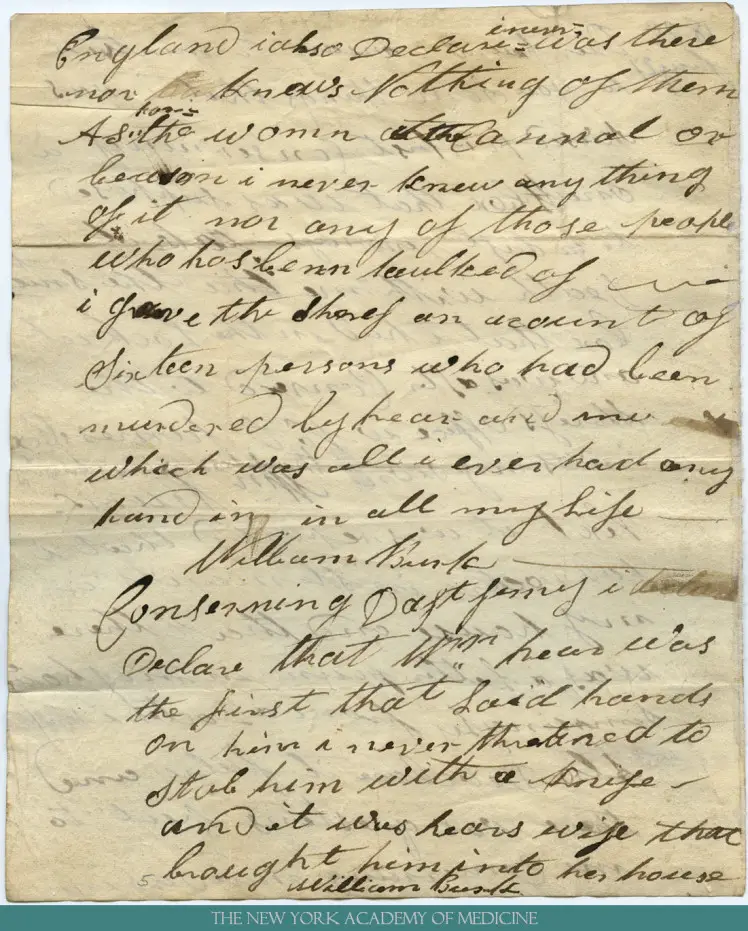
Hare accepted instantly. He disclosed every detail of all sixteen murders, systematically laying primary physical culpability onto Burke.
Trial, Rioting, and Historical Disappearance
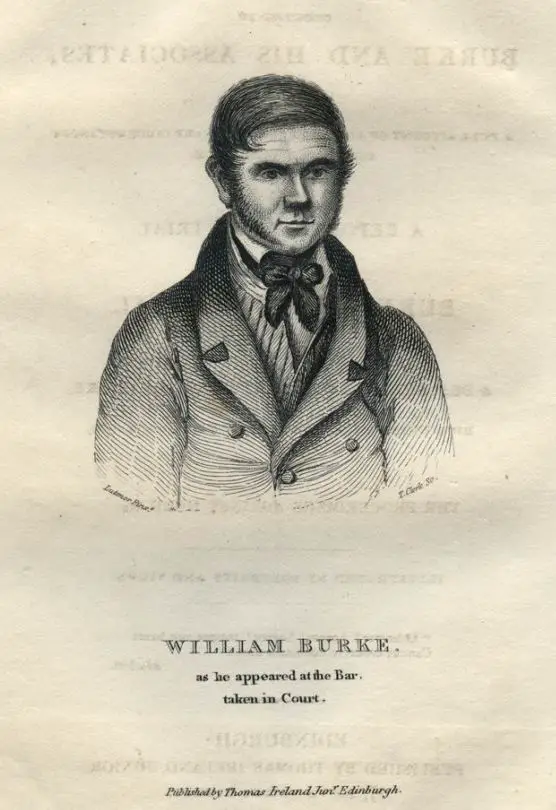
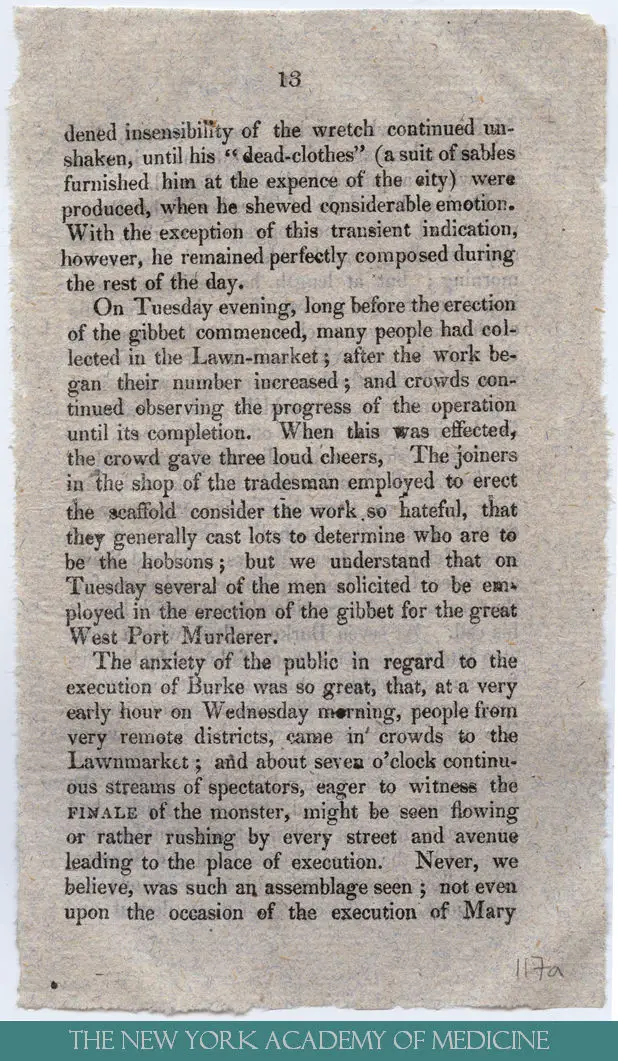
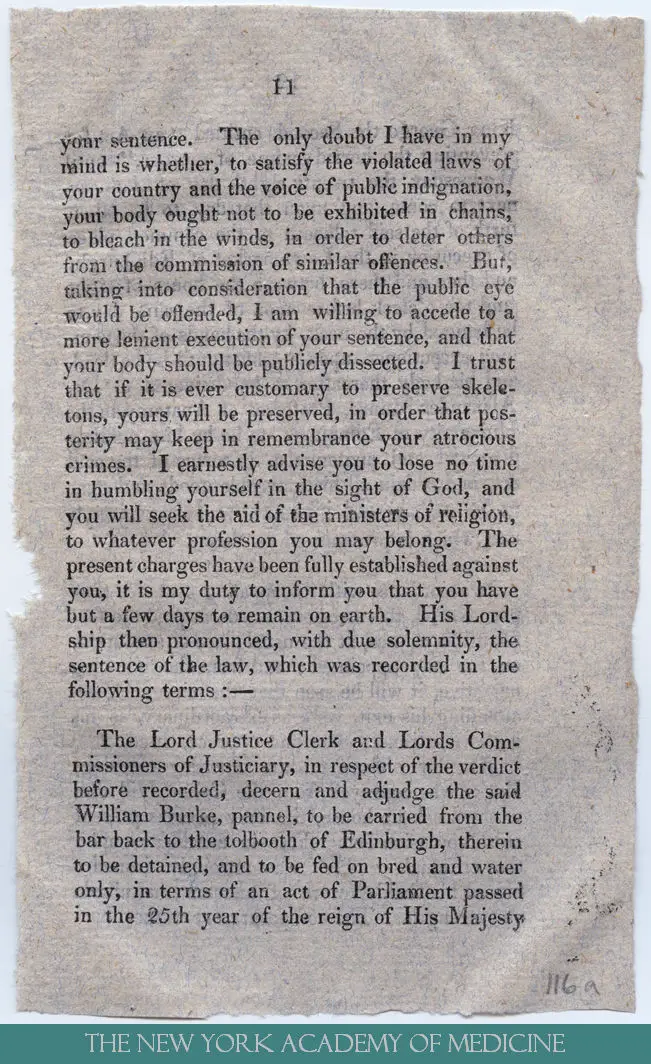
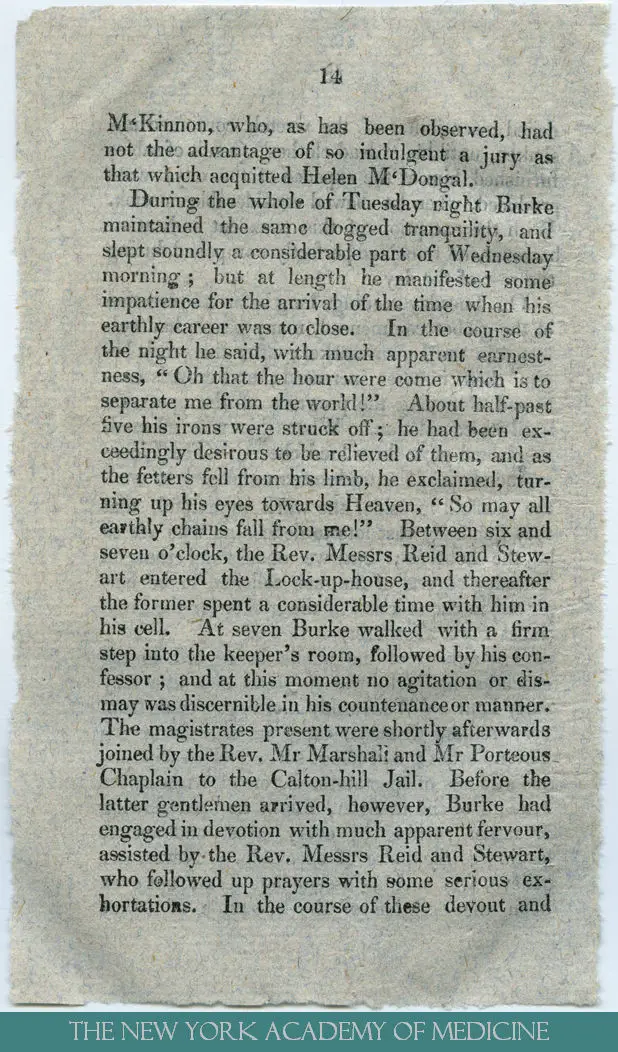
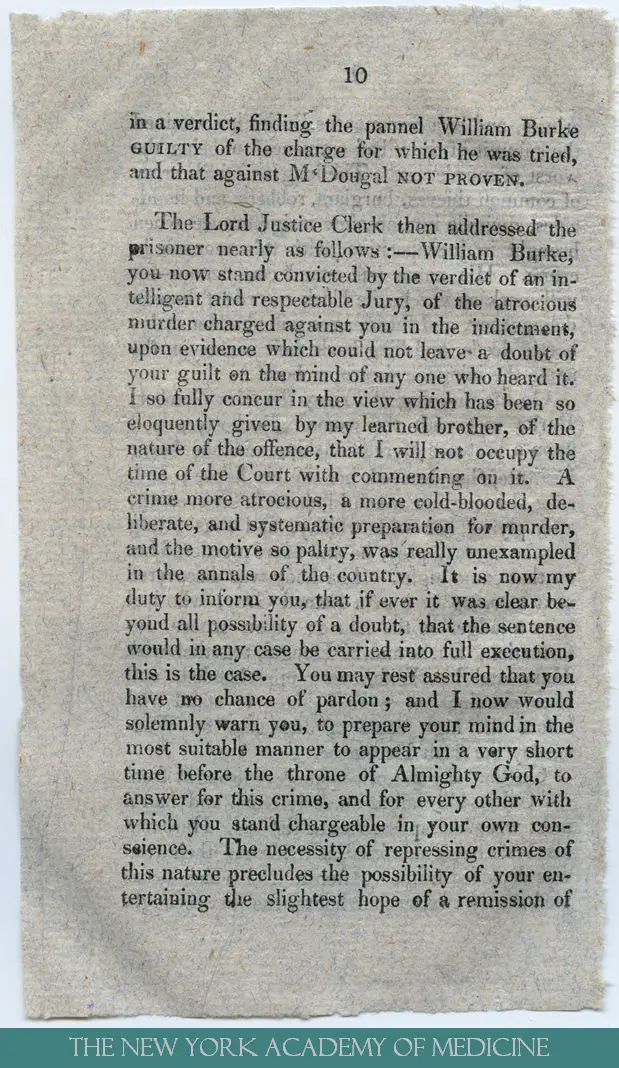
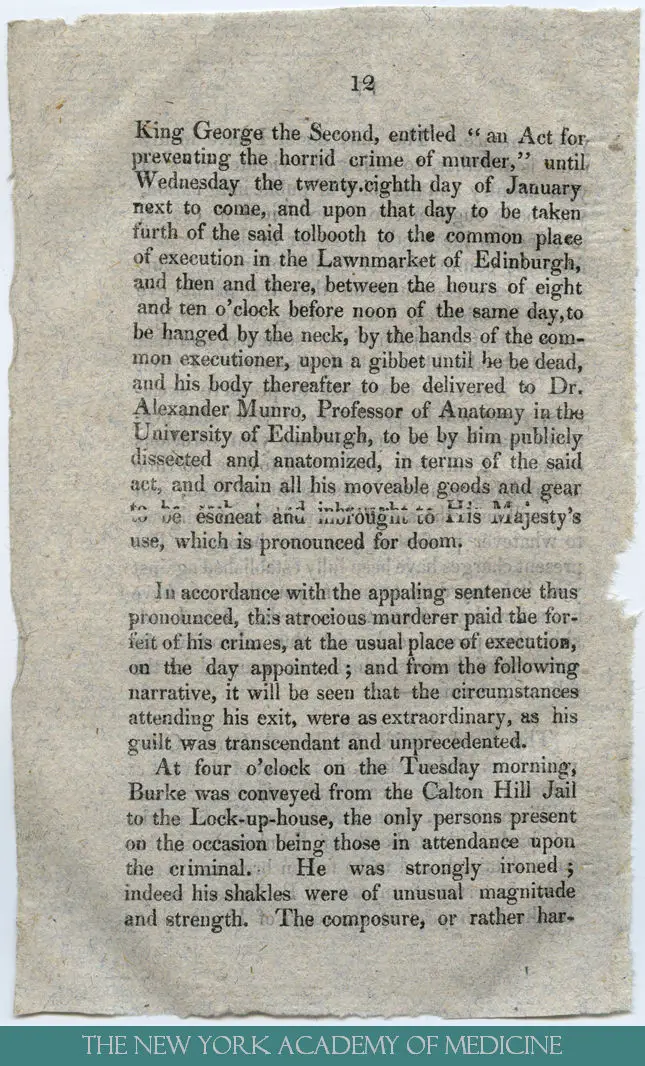
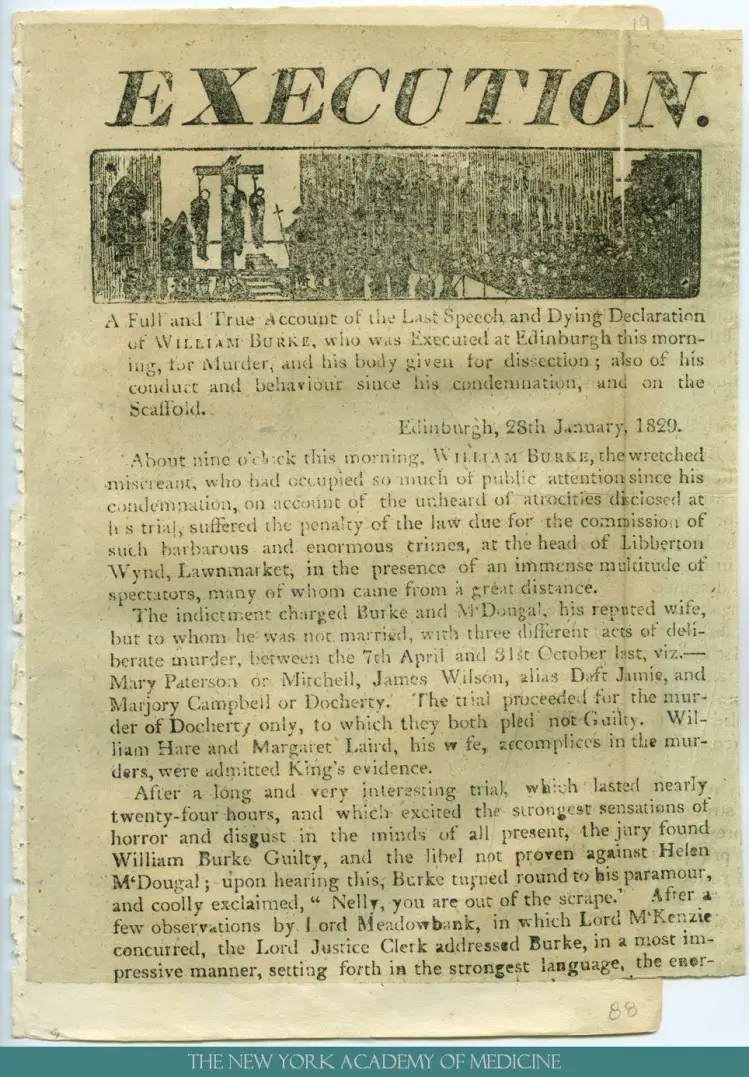
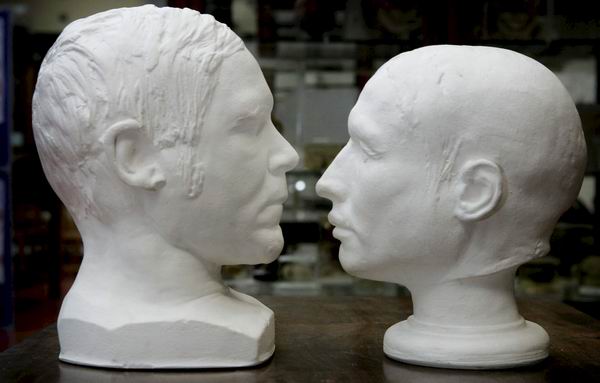
On Christmas Eve 1828, Hare took the witness stand at the High Court of Justiciary. His cynical, untroubled testimony sent William Burke to the gallows.
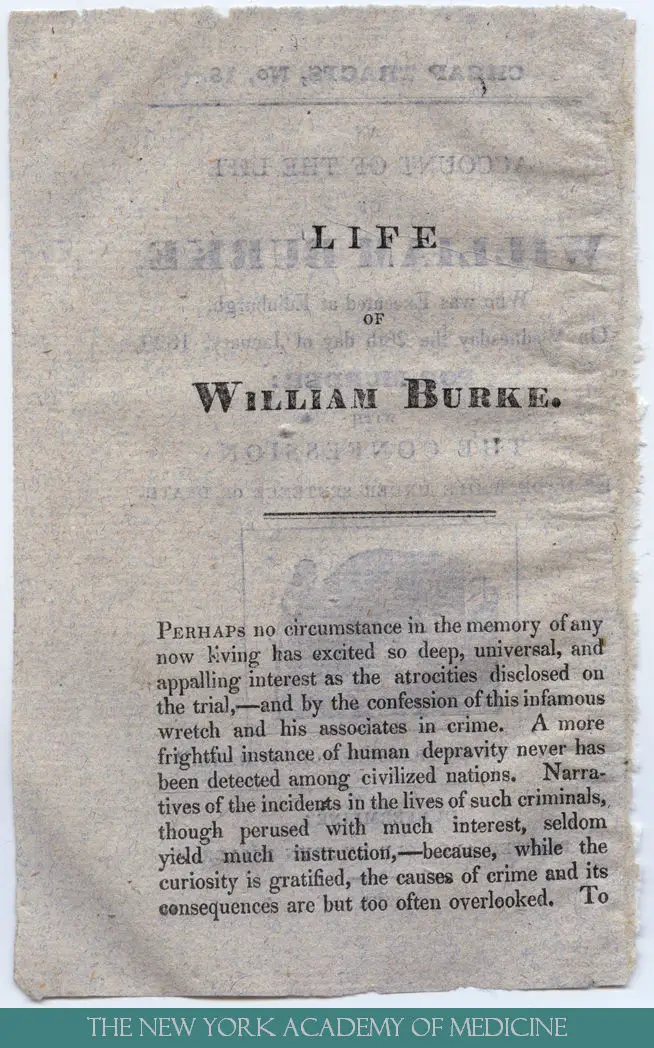
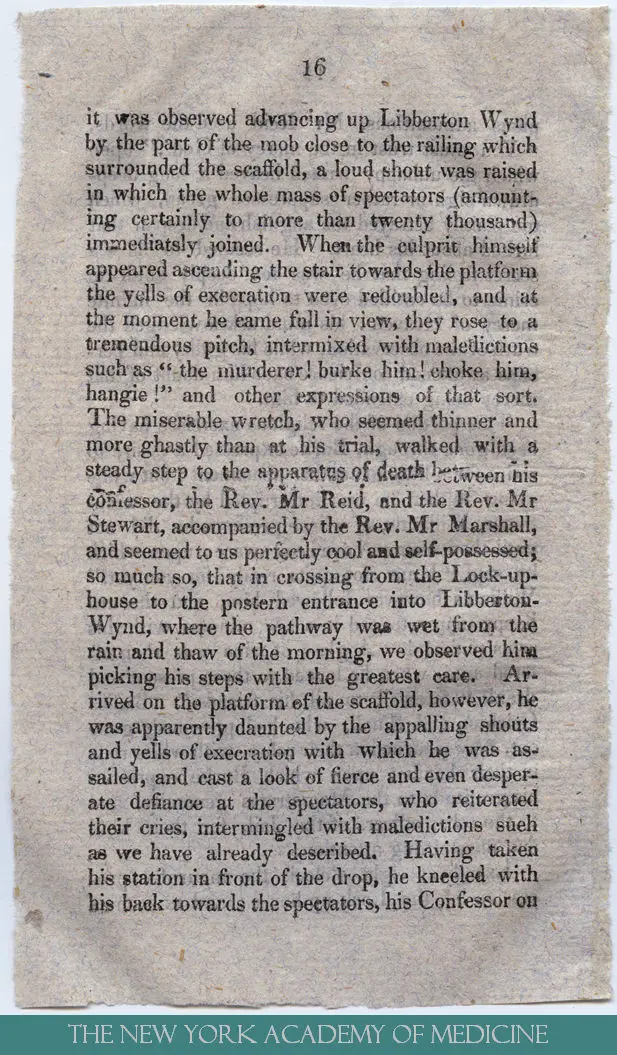
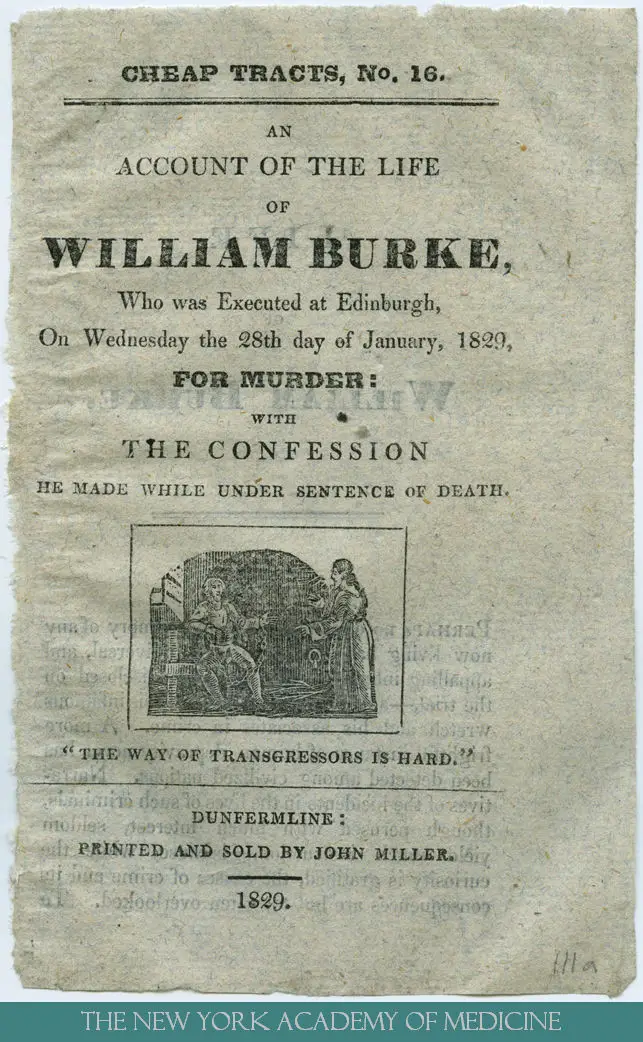
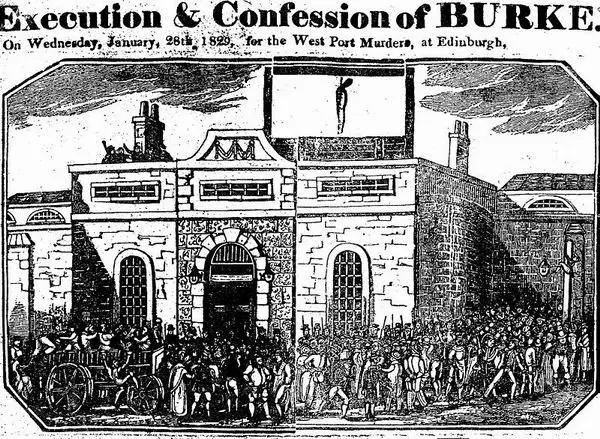
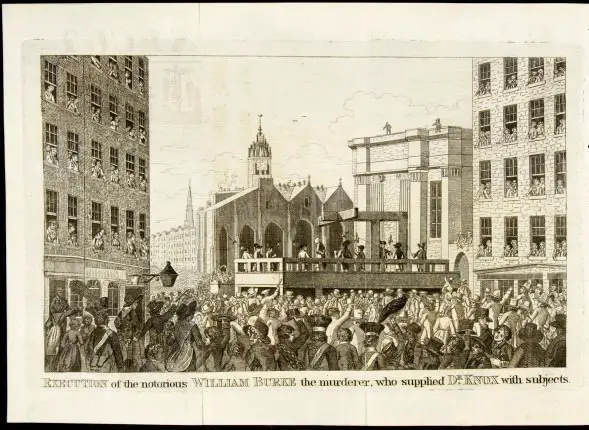
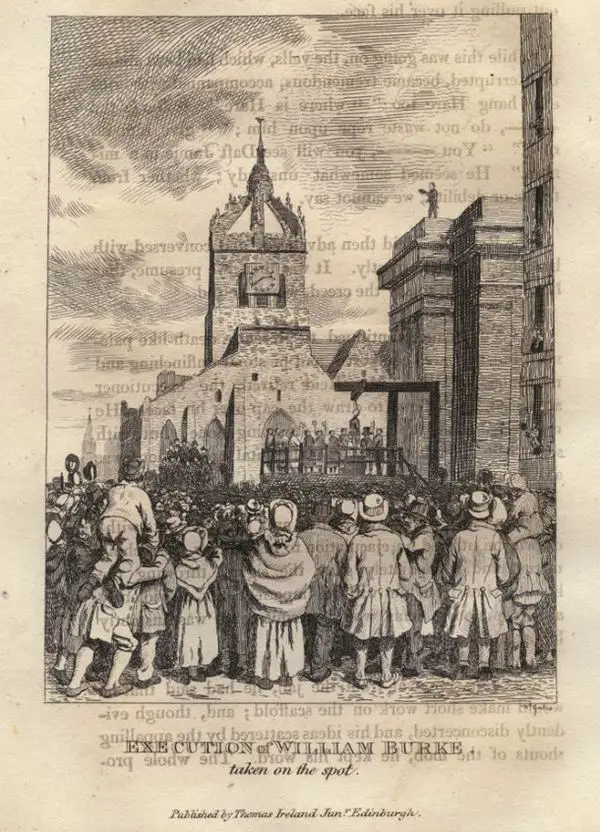
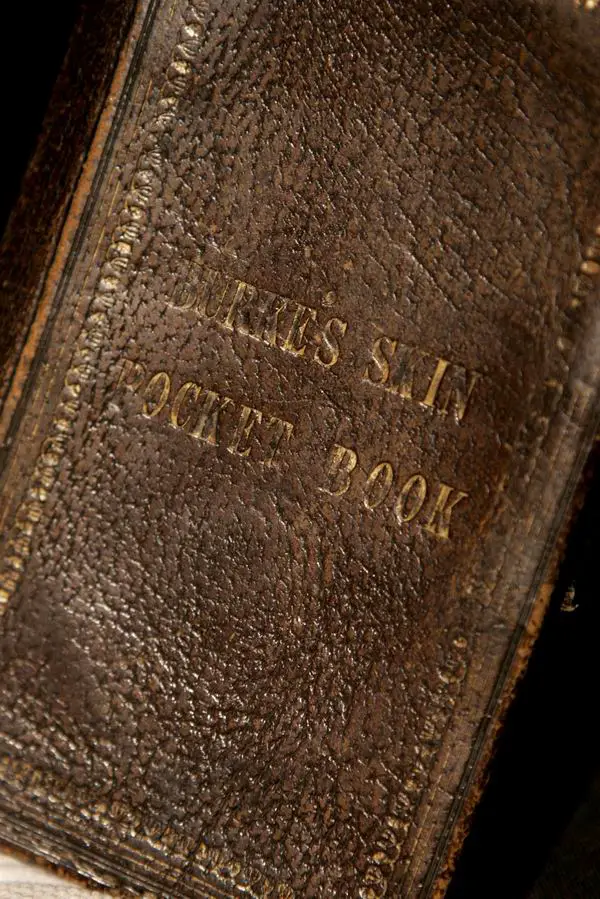
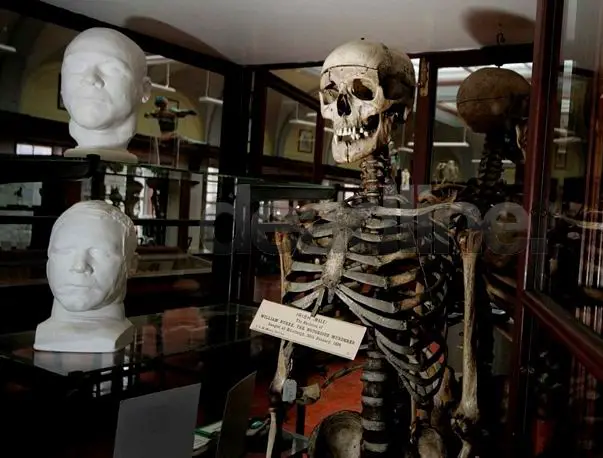
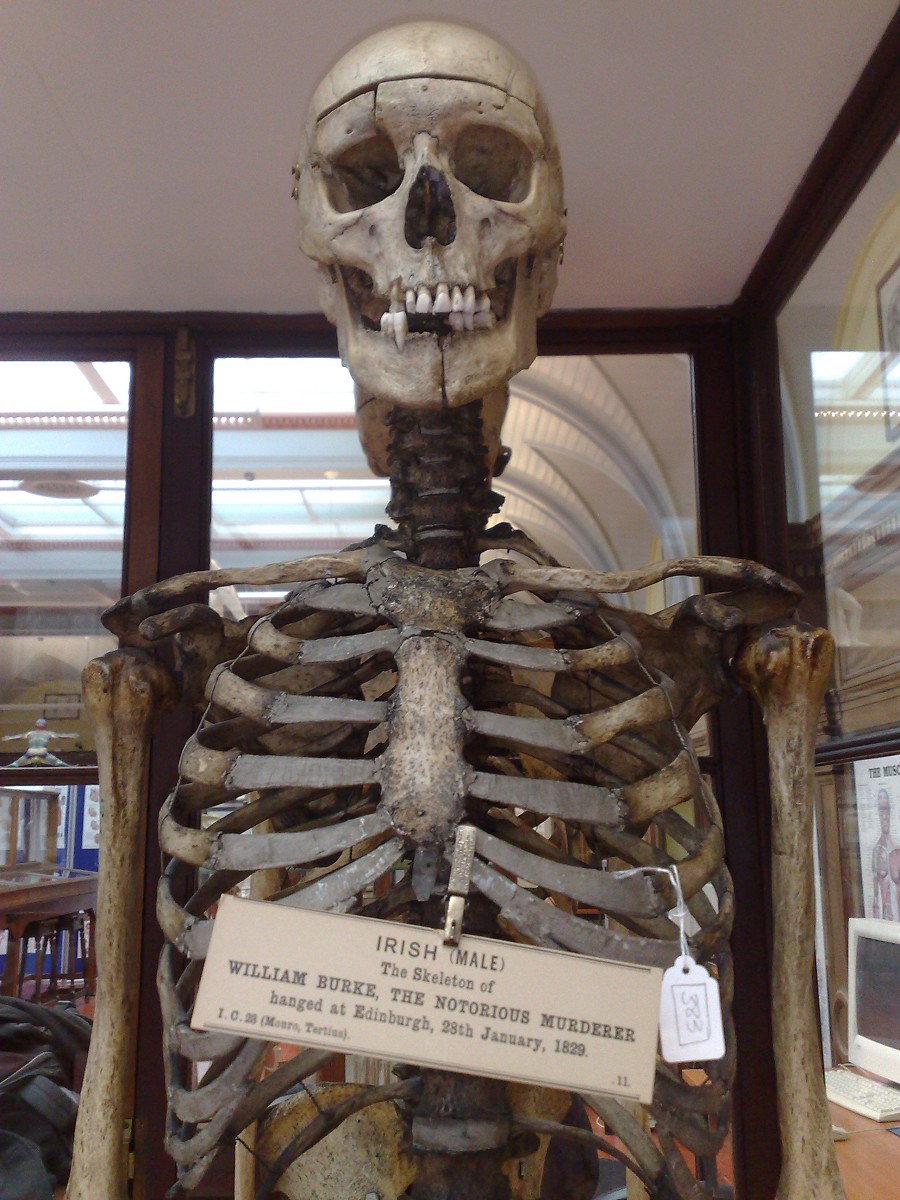
Burke was hanged and publicly dissected in January 1829, but public fury against the unpunished Hare was overwhelming. Legal attempts by the relatives of Daft Jamie to launch a private prosecution were thrown out due to the Crown’s immunity agreement.
On February 5, 1829, Hare was released from Edinburgh's Calton Gaol in secret and placed onto a mail coach toward Dumfries. When townspeople recognized his face at a coaching inn, an armed mob of thousands besieged the premises demanding his blood. Hare survived only by seeking emergency refuge inside the Dumfries town jail until morning.
Escorted out by local constables under cover of dawn, Hare fled across the English border into Carlisle. From that moment, William Hare vanished from reliable historical records. Urban legend claimed he had been thrown into a lime pit by London workmen who recognized him, surviving blind and destitute as an Oxford Street beggar, though modern historians conclude he likely assumed an alias and disappeared into Victorian working-class anonymity.