



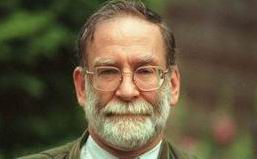
Forensic & Criminological Matrix
| Parameter | Forensic Detail |
|---|---|
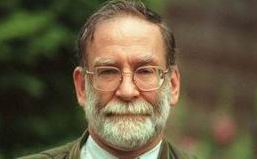
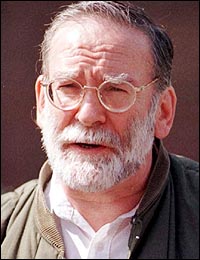
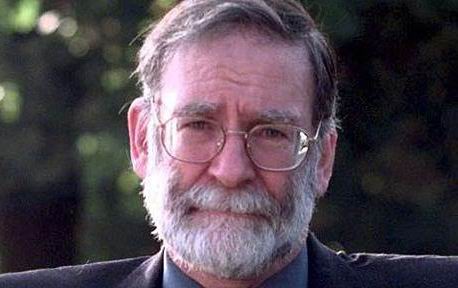
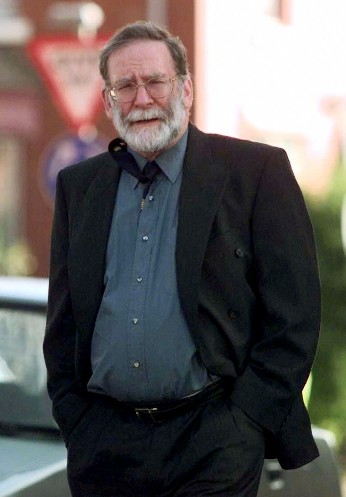
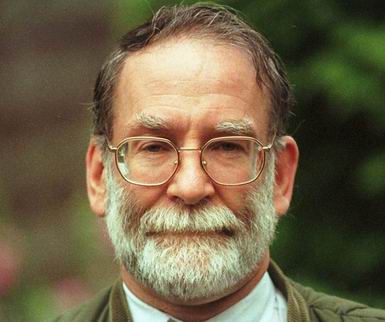
| Full Legal Name | Harold Frederick Shipman |
| Criminal Monikers | Doctor Death, Fred Shipman |
| Born | January 14, 1946, Nottingham, Nottinghamshire, England, United Kingdom |
| Died | January 13, 2004 (aged 57), HM Prison Wakefield, West Yorkshire, United Kingdom |
| Manner of Death | Suicide by hanging using bedsheets in his prison cell |
| Criminological Classification | Healthcare serial killer ("Angel of Death"), predatory clinician, omnipotent megalomaniac |
| Active Criminal Spree | 1975 – 1998 (23 years of continuous lethal medical malpractice) |
| Geographical Range | General practice surgeries in Todmorden (West Yorkshire) and Hyde (Greater Manchester), UK |
| Confirmed Murder Convictions | 15 counts of first-degree murder in January 2000 at Preston Crown Court |
| Officially Established Victims | Between 218 and 250 confirmed fatal casualties verified by the public judicial audit The Shipman Inquiry (presided over by Dame Janet Smith) |
| Modus Operandi | Administering lethal intravenous/intramuscular doses of pharmaceutical diamorphine during home house calls; systematically retro-editing electronic medical health records to fabricate pre-existing terminal diagnoses; certifying natural causes to bypass coroner inquests and urging immediate body cremation |
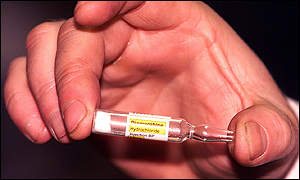
| Lethal Substance | Pure clinical diamorphine (diacetylmorphine hydrochloride) illicitly diverted from NHS stocks |
| Primary Motivation | Pathological omnipotence, God-complex dynamic over biological demise, vicarious reliving of maternal death trauma, and occasional predatory inheritance fraud (the Kathleen Grundy will) |
| Final Legal Sentence | 15 consecutive life sentences with whole-life tariff recommendations; committed suicide on the eve of his 58th birthday |
EXECUTIVE SUMMARY & HISTORICAL OVERVIEW
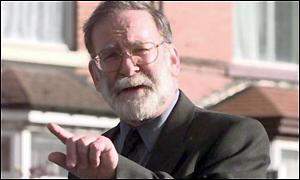
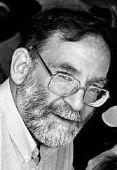
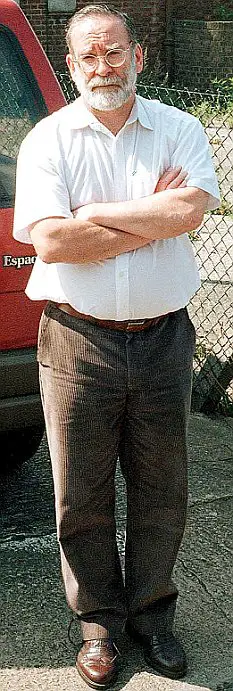
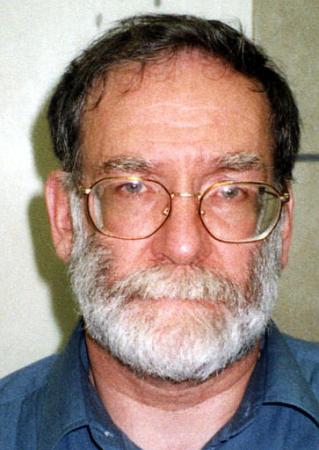
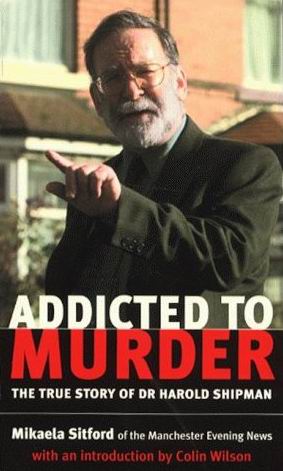
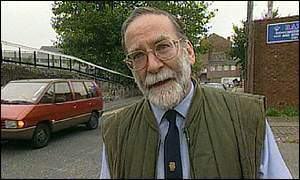
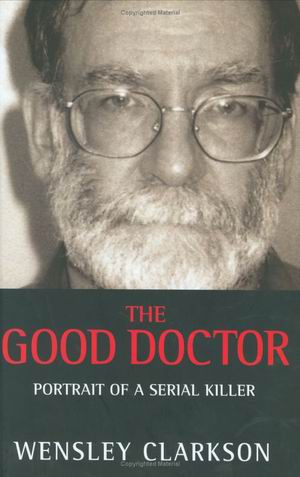
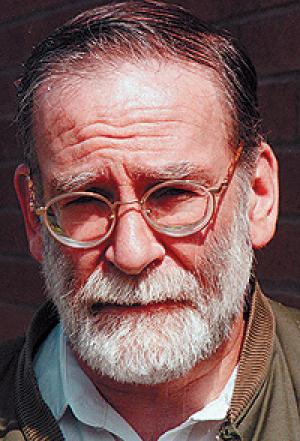
Harold Frederick Shipman remains one of the most prolific documented serial killers in recorded world history. Operating under the trusted guise of a compassionate British general practitioner in the market town of Hyde, Greater Manchester, Shipman abused the sacred doctor-patient relationship to systematically terminate the lives of hundreds of his elderly patients over a twenty-three-year career.
His exposure in 1998 sent seismic shockwaves through the National Health Service (NHS) and the global medical establishment. The resulting judicial investigation, The Shipman Inquiry headed by High Court Judge Dame Janet Smith, uncovered systemic regulatory vulnerabilities, transforming British legal frameworks regarding controlled drug distribution, death certification, coroner jurisdictions, and medical license monitoring.
EARLY LIFE, MATERNAL OBSESSION, AND MEDICAL TRAINING
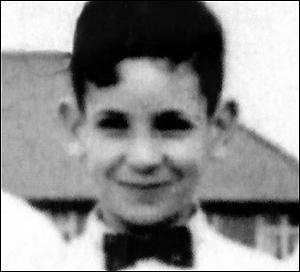
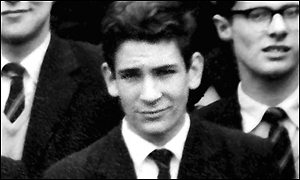
Shipman was born in Nottingham in 1946. Raised in an austere, working-class home, his mother Vera maintained an intensely suffocating emotional dominance over him, fostering an arrogant sense of superiority while isolating him from social peers.
The defining psychological blueprint occurred during his adolescence when his mother developed terminal lung cancer. Harold watched local general practitioners visit their home to administer intravenous diamorphine, easing her excruciating pain until she slipped into comatose death in 1963. This visual dynamic—the lone physician dispensing peaceful death through a syringe—became his permanent unconscious obsession.
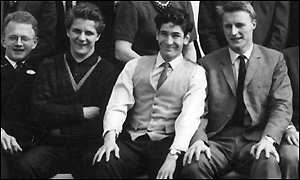
Shipman entered Leeds School of Medicine in 1965, graduating in 1970. In 1975, while serving as a junior doctor in Todmorden, West Yorkshire, he was caught forging prescriptions for large quantities of the narcotic pethidine for his own addiction. Convicted of drug offenses and fined, he underwent psychiatric rehabilitation and was reinstated to medical practice by the General Medical Council without long-term sanctions.
THE HYDE CLINIC: AN ASSEMBLY LINE OF MURDER
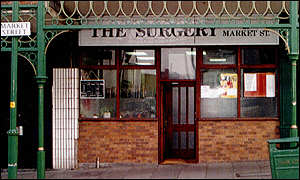
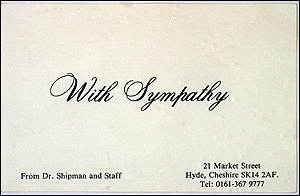
In 1977, Shipman joined the Donneybrook Medical Centre in Hyde. In 1993, desiring complete operational autonomy free from collegiate scrutiny, he founded his own solo general practice at 21 Market Street (The Surgery).
Shipman cultivated an unblemished public persona among his predominantly elderly patients, who revered him as an exceptionally attentive and caring physician. It was precisely this absolute trust that enabled his killing protocol:
- Victim Selection: Elderly patients, typically widowed women living alone, who exhibited general wellness and active social routines.
- The Diamorphine Injection: Visiting patients in their homes under routine pretexts or unannounced drop-ins, Shipman would inject a massive lethal overdose of pharmaceutical diamorphine, claiming he was drawing blood or administering a revitalizing vitamin compound. He sat patiently in their armchairs watching them drift into respiratory depression and circulatory arrest within minutes.
- Computerized Record Falsification: Returning to his clinic terminal, Shipman backdated and fabricated patient medical histories, inserting imaginary complaints of severe angina, heart attacks, or renal decline to simulate natural deterioration.
- Cremation Avoidance of Autopsy: Shipman issued death certificates citing coronary thrombosis or old age, actively persuading grieving relatives to opt for cremation to ensure forensic toxicity tests could never be conducted.
SUSPICIONS AND THE CRITICAL MISTAKE: KATHLEEN GRUNDY
In early 1998, local undertakers and Dr. Linda Reynolds of the Brooke Practice noted with growing unease that Shipman’s patients were dying at triple the rate of comparable practices, frequently found fully clothed sitting upright in chairs. However, an initial clandestine police inquiry failed to inspect computerized time-stamps and dismissed the allegations.
Shipman's undoing was engineered by his own brazen arrogance. On June 24, 1998, 81-year-old former Hyde mayoress Kathleen Grundy was found dead at home shortly after an unscheduled visit from Shipman. When her will was presented for probate, her daughter Angela Woodruff—a seasoned solicitor—was shocked to discover a typed document bequeathing Grundy's entire £386,000 estate to Dr. Harold Shipman, disinheriting her family.
Recognizing the will as a crude forgery, Woodruff notified Greater Manchester Police. Detective Superintendent Bernard Postles ordered the exhumation of Kathleen Grundy's body in August 1998. Post-mortem toxicological analysis revealed lethal concentrations of diamorphine in her muscle tissue.
FORENSIC AUDIT, TRIAL, AND CONVICTION
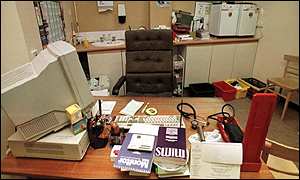
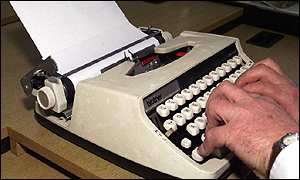
A raid on Shipman's surgery uncovered the Brother manual typewriter used to produce the forged will. Furthermore, digital forensic examinations of Shipman's desktop computers proved that he had retroactively altered medical records minutes after each patient's death, leaving incontrovertible digital forensic timestamps.
Police exhumed fourteen additional victims; all were confirmed to have died of massive diamorphine poisoning.
On October 5, 1999, Shipman stood trial at Preston Crown Court before Mr. Justice Forbes. On January 31, 2000, the jury found Shipman guilty on all fifteen counts of murder and one count of forgery. The judge imposed fifteen consecutive life sentences, recommending that Shipman never be released.
THE SHIPMAN INQUIRY AND SUICIDE
Following his conviction, the British government instituted a comprehensive statutory inquiry chaired by Dame Janet Smith. The multi-volume official report established that Shipman had murdered at least 215 verified victims—and likely upwards of 250—dating back to his earliest practice in 1975, cementing his status as the most lethal serial killer in British medical history.
Shipman consistently refused to confess, maintaining contemptuous silence toward victims' families and authorities.
On January 13, 2004, at 6:20 a.m.—the day before his 58th birthday—prison officers found Harold Shipman hanging from the window bars of his cell at HM Prison Wakefield, having used bedsheets to terminate his life, carrying the full definitive details of his crimes to the grave.