




Forensic & Criminological Matrix
| Parameter | Forensic Detail |
|---|---|
| Forensic Heading / Aliases | null |
| Legal Identity | Douglas Duane Turner |
| Confirmed Victims | 9 |
| Attributed / Indicted Victims | 9 |
| Active Timeline | 1987-1991 |
| Jurisdiction / Area of Operations | Glendive, Montana, USA |
| Criminological Classification | Multiple Homicide / Prison Murderer |
| Forensic Modus Operandi | Firearm execution and blunt force trauma |
| Weapon / Mechanism of Death | .30-.30 rifle, rifle butt, baseball bats |
| Motive / Behavioral Dynamics | Conduct disorder, substance abuse, instability |
| Judicial Outcome | Life sentences and death penalty; suicide in prison |
1. Background and Psychopathy
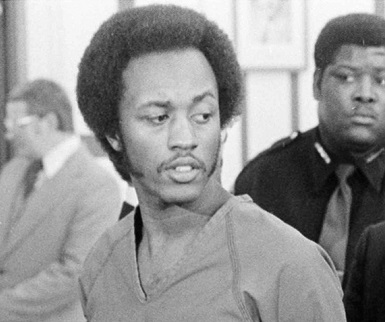
Douglas Duane Turner (1971-2003) was an American criminal whose violent trajectory began in his mid-teens. His childhood was marked by physical and sexual abuse, contributing to a diagnosis of conduct disorder, solitary aggressive type. He had a history of substance abuse, including alcohol and cannabis, which he frequently used to excess.
2. Crime Spree
On November 19, 1987, Turner executed James, Ora, and Sharon Brooks in their Glendive home with a .30-.30 rifle. He then assaulted two children, Sean Brooks and Scott Miller, with the rifle butt. While incarcerated, he was involved in the 1990 beating death of inmate Gerald Pileggi and the 1991 prison riot that resulted in the deaths of five other inmates.
3. Investigation and Arrest
Turner was arrested at the scene of the 1987 murders. Forensic evaluations at Warm Springs State Hospital confirmed he was competent to stand trial, despite his claims of dissociative states and alcohol-induced impairment at the time of the offenses.
4. Legal Proceedings and Outcome
Turner initially pled guilty in 1988 to avoid the death penalty, receiving three consecutive life sentences. He was later sentenced to death in 1992 for the murder of Gerald Pileggi and received further sentences in 1993 for his role in the prison riot. Multiple appeals for post-conviction relief were denied by the Montana Supreme Court.
5. Psychiatric Evaluation and Final Disposition
Psychiatric reports consistently identified Turner as having a severe conduct disorder rather than a mental disease or defect. He remained incarcerated until he committed suicide on July 8, 2003.