



Forensic & Criminological Matrix
| Parameter | Forensic Detail |
|---|---|
| Forensic Heading / Aliases | None |
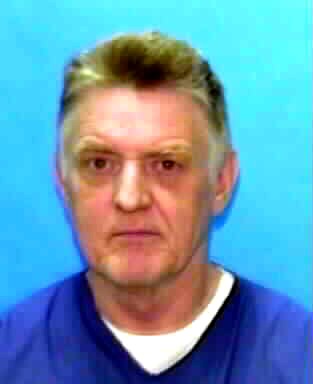
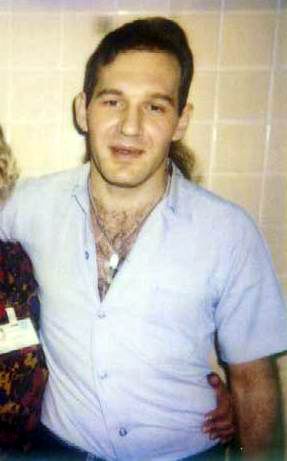
| Legal Identity | Dennis Manaford Whitney |
| Confirmed Victims | 7 |
| Attributed / Indicted Victims | 7 |
| Active Timeline | February - March 1960 |
| Jurisdiction / Area of Operations | California, Arizona, Florida, USA |
| Criminological Classification | Spree killer |
| Forensic Modus Operandi | Armed robberies at gas stations followed by execution-style shootings |
| Weapon / Mechanism of Death | .22-caliber pistol |
| Motive / Behavioral Dynamics | Financial gain / Chronic juvenile delinquency |
| Judicial Outcome | Death sentence (1960), commuted to life imprisonment (1972) |
1. Background and Profile
Born in 1943 in Victorville, California, Dennis Manaford Whitney exhibited early signs of behavioral maladjustment. Records indicate he began smoking at age eight and drinking at ten. By age 12, he was already a veteran of several armed robberies, marking the beginning of a trajectory that would culminate in a cross-country murder spree at age 17.
2. Crime Spree
In February 1960, Whitney embarked on a violent journey. His first victim was Jimmy Ryan, a gas station attendant in Victorville, killed on February 12. He proceeded to Phoenix, Arizona, where he murdered two men, including a local chef, and stole his car. After killing another attendant in Tucson, he traveled to Miami, Florida. On February 29, he murdered Ken Mezzarno and Arthur Keeler at gas stations. On March 2, he shot Jack Beecher, who survived and provided police with a description of the perpetrator. On March 4, Whitney abducted Virginia Selby in Hialeah, driving her to a remote location in Palm Beach County where he shot her to death.
3. Investigation and Arrest
Following the description provided by survivor Jack Beecher, law enforcement traced Whitney to a motel. He was apprehended by a posse nine hours after the abduction and murder of Virginia Selby. The evidence gathered, including his own confessions, led to his swift indictment.
4. Legal Proceedings and Outcome
Whitney was convicted of murder, and the jury's failure to recommend leniency resulted in a mandatory death sentence. His case became a significant legal matter regarding due process and pretrial publicity, reaching the U.S. Supreme Court in 1967. In 1972, his sentence was commuted to life imprisonment. He died in a Florida prison on April 24, 2005, after 44 years of incarceration.