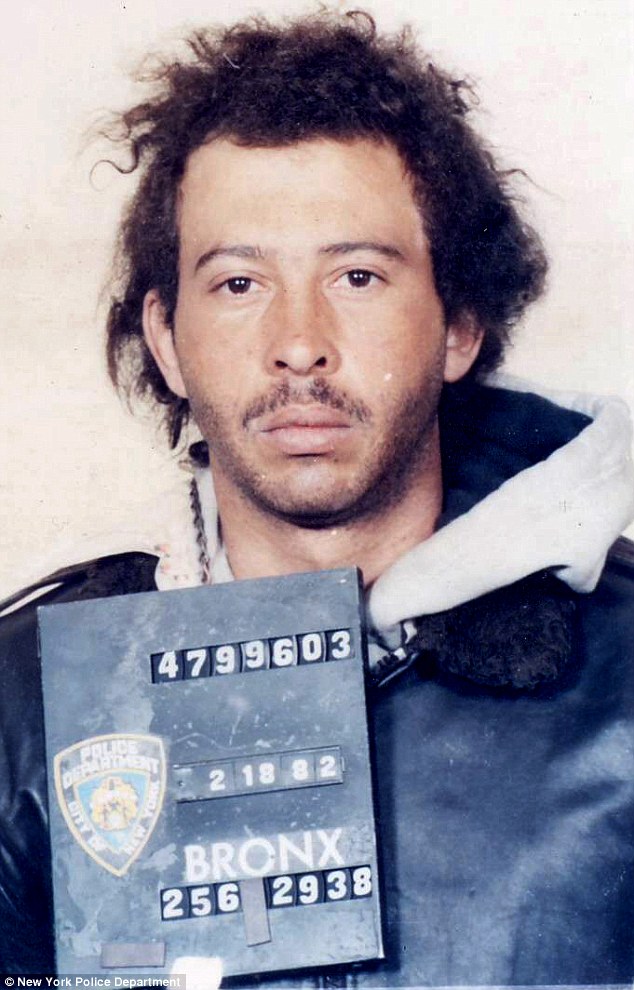
Forensic & Criminological Matrix
| Parameter | Forensic Detail |
|---|---|
| Forensic Heading / Aliases | None |
| Legal Identity | Leslie Torres |
| Confirmed Victims | 5 |
| Attributed / Indicted Victims | 5 |
| Active Timeline | January 1–8, 1988 |
| Jurisdiction / Area of Operations | East Harlem, New York, USA |
| Criminological Classification | Spree Killer |
| Forensic Modus Operandi | Armed robbery of retail stores using a .22-caliber revolver |
| Weapon / Mechanism of Death | .22-caliber revolver |
| Motive / Behavioral Dynamics | Crack cocaine addiction (financial gain) |
| Judicial Outcome | Life imprisonment |
1. Background and Psychopathy
Born in 1971, Leslie Torres was a teenager who became heavily addicted to crack cocaine after returning to New York from Puerto Rico in 1987. Lacking stable employment or social support, he turned to violent crime to sustain a $500-a-day drug habit.
2. Crime Spree
Between January 1 and January 8, 1988, Torres engaged in a violent crime spree across East Harlem. He targeted small businesses, often executing clerks with a .22-caliber revolver. His actions resulted in five deaths and six injuries, including the shooting of Juan Corona, who was left permanently blind.
3. Investigation and Arrest
Police identified a pattern in the robberies, noting the use of the same firearm and the cold-blooded nature of the attacks. On January 8, 1988, following the murder of a clerk at a grocery store on East 116th Street, Torres was apprehended on a tenement rooftop after a 20-minute foot chase.
4. Legal Proceedings and Outcome
During his trial, the defense argued that Torres suffered from "cocaine-induced psychosis" and was not responsible for his actions. Justice Herbert I. Altman ruled that voluntary drug use did not constitute a valid insanity defense. The jury convicted him of felony and intentional murder, leading to a sentence of life imprisonment.