



Forensic & Criminological Matrix
| Parameter | Forensic Detail |
|---|---|
| Forensic Heading / Aliases | The Mariel Boatlift Killer |
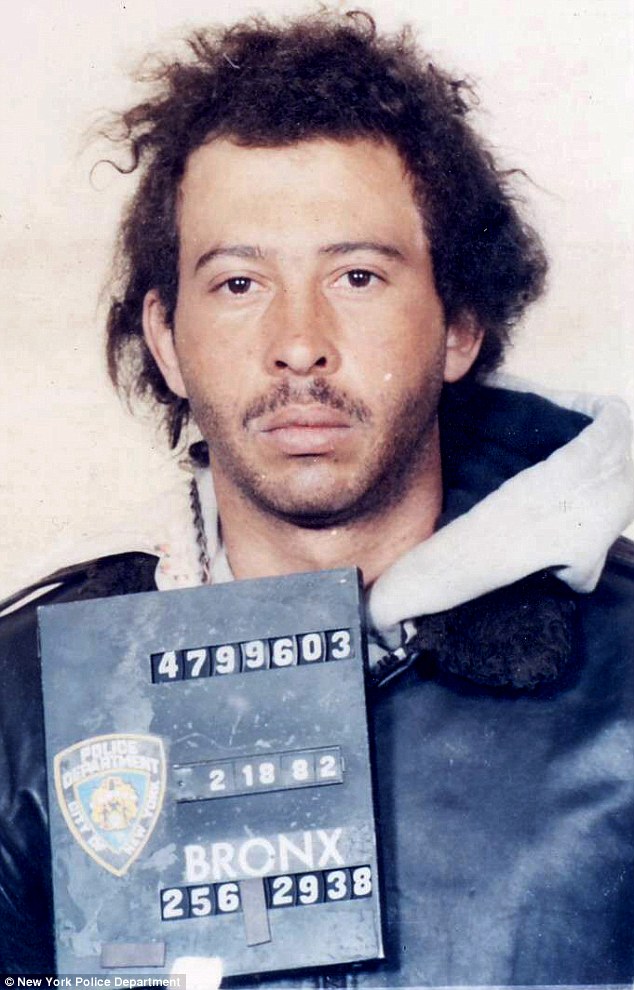
| Legal Identity | Jesus Aguilera |
| Confirmed Victims | 3 (Guillermo Graniela, Tolita Brown, Josefina Cepeda) |
| Active Timeline | August - September 1981 |
| Jurisdiction / Area of Operations | New York City (Bronx and Manhattan), USA |
| Criminological Classification | Serial and spree killer (sexual predator and homicide perpetrator) |
| Forensic Modus Operandi | Restraint of hands and feet; ligature strangulation reinforced with tools (chisels/screwdrivers) acting as tourniquets, accompanied by robbery and sexual assault. |
| Weapon / Mechanism of Death | Scarves, belts, wires, ropes, and mechanical tools for lethal cervical compression. |
| Motive / Behavioral Dynamics | Minor financial gain, sexual predation, and homicidal sadism. |
| Judicial Outcome | Sentenced to two consecutive life sentences in 1982 for prior murders; sentenced to 15 years to life in February 2015 following DNA match linking him to a third murder. |
1. Background and Profile
Jesus Aguilera was born in Cuba in 1953. He arrived in the United States in May 1981 during the Mariel boatlift, an event in which the Castro regime emptied prisons and mental health facilities, sending individuals to American shores. Shortly after arriving in New York City, Aguilera embarked on a violent crime spree consisting of armed robberies, sexual assaults, and brutal homicides across the Bronx and Manhattan.
2. Crime Spree and Modus Operandi
Aguilera's criminal methodology was marked by extreme cruelty and meticulous execution. He routinely bound his victims' hands and feet, utilizing ligatures such as scarves, belts, ropes, or wires for strangulation. To maximize lethality, he inserted tools like chisels or screwdrivers into the knots, twisting them to create a tourniquet effect that eliminated any possibility of escape. His documented offenses in 1981 include:
- August 1981: Assault on a woman in an East 180th Street apartment, whom he bound and left with a belt around her neck designed to tighten if she struggled (the victim survived after Aguilera fled).
- August 1981: Murder of Guillermo Graniela (30), found in a Bronx Park Avenue basement with bound extremities and a neck cordage tightened with a screwdriver.
- September 1981: Murder of Josefina Cepeda (24), whose body was recovered near the 207th Street Bridge in Manhattan, strangled with wire.
- November 1981 (solved decades later): Murder of Tolita Brown (36), a mother of four, found in a shack on Minford Place, strangled with a scarf tightened via a chisel.
- December 1981: Rape and attempted strangulation of a 15-year-old girl in an abandoned Bronx hospital building.
3. Investigation and Forensic Catch
Following his 1981 crime wave, Aguilera was swiftly apprehended, prosecuted, and convicted for the murders of Guillermo Graniela and Josefina Cepeda, alongside robbery and sexual assault charges, resulting in two consecutive life sentences in 1982. However, the murder of Tolita Brown remained unsolved for nearly 30 years, though forensic investigators successfully preserved DNA profiles from under the victim's fingernails. In 2010, advancements in forensic DNA profiling enabled law enforcement to match the stored evidence with DNA samples taken from Aguilera during his incarceration.
4. Legal Proceedings and Outcome
In February 2015, on the eve of trial for the murder of Tolita Brown, Jesus Aguilera pleaded guilty to second-degree murder before New York Supreme Court Justice Troy Webber. During the sentencing hearing, the victim's daughter, Robin Bynoe, delivered a powerful victim impact statement detailing her mother's perseverance and journey toward recovery before her tragic encounter with Aguilera. Aguilera remained impassive throughout the proceedings. He was sentenced to an additional term of 15 years to life, running concurrently with his existing life sentences, ensuring his permanent confinement within the New York correctional system.