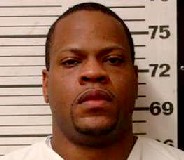
Forensic & Criminological Matrix
| Parameter | Forensic Detail |
|---|---|
| Forensic Heading / Aliases | None |
| Legal Identity | Donald George Thomas |
| Confirmed Victims | 1 |
| Attributed / Indicted Victims | 1 |
| Active Timeline | 1948 |
| Jurisdiction / Area of Operations | London, United Kingdom |
| Criminological Classification | Cop killer / Recidivist offender |
| Forensic Modus Operandi | Use of firearm (Luger) against law enforcement |
| Weapon / Mechanism of Death | Luger pistol (three shots) |
| Motive / Behavioral Dynamics | Evasion of justice |
| Judicial Outcome | Death sentence (commuted to life), released in 1962 |
1. Background and Profile
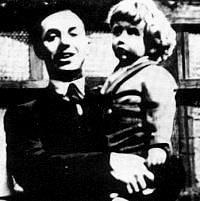
Born in 1924 in Enfield, London, Donald George Thomas had a history of delinquency, having been sent to an approved school at age sixteen. He was conscripted into the army in 1945 but deserted immediately. After two years on the run, he surrendered, served 160 days in detention, and deserted again upon release, demonstrating a persistent pattern of criminal behavior.
2. Crime Spree
On February 13, 1948, Police Constable Nathaniel Edgar, working in plain clothes in Winchmore Hill, stopped Thomas while investigating local burglaries. Thomas shot the officer three times. Before dying, PC Edgar managed to write Thomas's name and address in his pocketbook, providing the critical evidence for the investigation.
3. Investigation and Arrest
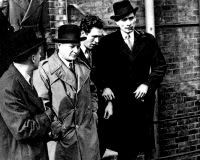
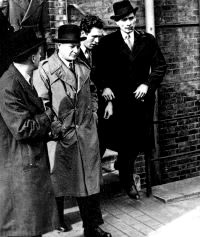
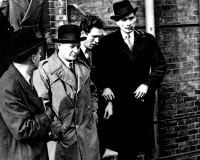
Scotland Yard launched a massive manhunt. Thomas was traced to a boarding house in Clapham, where he was living with Noreen Winklass. Upon arrest, police had to overpower him as he attempted to retrieve a Luger pistol from under his pillow. Ballistics confirmed the weapon was the one used to kill PC Edgar.
4. Legal Proceedings and Outcome
Thomas was tried at the Old Bailey in April 1948. He was sentenced to death, but due to a temporary experimental suspension of the death penalty, his sentence was commuted to life imprisonment. He was released on license in April 1962.