Forensic & Criminological Matrix
| Parameter | Forensic Detail |
|---|---|
| Forensic Heading / Aliases | null |
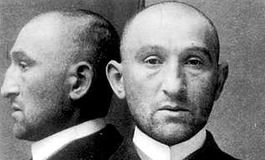
| Legal Identity | Horace George Rayner |
| Confirmed Victims | 1 |
| Attributed / Indicted Victims | 1 |
| Active Timeline | January 24, 1907 |
| Jurisdiction / Area of Operations | London, United Kingdom |
| Criminological Classification | Filial-conflict homicide |
| Forensic Modus Operandi | Verbal confrontation followed by firearm execution |
| Weapon / Mechanism of Death | Handgun |
| Motive / Behavioral Dynamics | Resentment over unacknowledged paternity |
| Judicial Outcome | Death sentence commuted to life imprisonment |
1. Background and Profile
Horace George Rayner was born in 1879. His upbringing was characterized by uncertainty regarding his biological lineage. He was raised by George Rayner, who later testified that Horace's mother, Emily Turner, had registered his birth improperly. Horace maintained that the wealthy entrepreneur William Whiteley was his biological father.
2. Crime Spree
On January 24, 1907, Rayner entered William Whiteley's office at his department store in Westbourne Grove. After a brief verbal exchange, Rayner fired three shots. Two bullets struck Whiteley in the head, killing him instantly. Rayner then attempted to commit suicide with the third shot but failed.
3. Investigation and Arrest
Rayner was apprehended at the scene. The investigation delved into the validity of his claims regarding Whiteley's paternity. During the trial, Emily's sister, Louisa, provided sensational testimony claiming she had also been Whiteley's mistress and had borne his child, which fueled public interest in the case.
4. Legal Proceedings and Outcome
Rayner appeared at the Old Bailey in May 1907. His defense pleaded not guilty by reason of temporary insanity. The jury returned a guilty verdict, and he was sentenced to death. Due to the unusual circumstances and public pressure—evidenced by a petition with 200,000 signatures—the Home Secretary commuted his sentence to life imprisonment. Rayner was released on license in 1919.