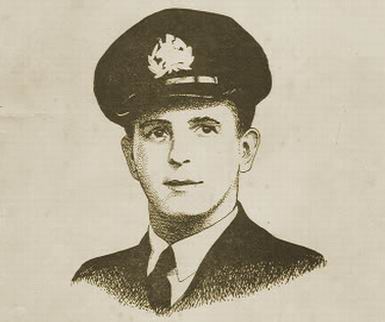
Forensic & Criminological Matrix
| Parameter | Forensic Detail |
|---|---|
| Forensic Heading / Aliases | N/A |
| Legal Identity | Peter Alan Fell |
| Confirmed Victims | 0 |
| Attributed / Indicted Victims | 2 (Ann Lee and Margaret Johnson) |
| Active Timeline | 1982 (Original crime date) |
| Jurisdiction / Area of Operations | Aldershot, Hampshire, UK |
| Criminological Classification | False confessor / Victim of miscarriage of justice |
| Forensic Modus Operandi | Coerced confession |
| Weapon / Mechanism of Death | N/A (Innocent) |
| Motive / Behavioral Dynamics | Pathological attention-seeking |
| Judicial Outcome | Conviction quashed by Court of Appeal in 2001 |
1. Background and Profile
Peter Alan Fell was born in 1961, experiencing a childhood defined by family instability and foster care. Forensic psychologists later identified him as a highly suggestible individual with a pathological need for attention, evidenced by his history of falsely claiming involvement in high-profile crimes, including the Yorkshire Ripper case.
2. Crime Spree
On May 10, 1982, Ann Lee and Margaret Johnson were stabbed to death on Aldershot Common. No forensic evidence linked Fell to the scene. Following the murders, Fell made several anonymous calls to the police, which were initially dismissed. However, after being arrested a year later and subjected to 72 hours of interrogation without legal counsel, he provided a false confession that he later retracted.
3. Investigation and Arrest
The investigation was heavily criticized for the oppressive tactics used against a vulnerable suspect. Police officers ignored Fell's known history of fantasy-prone behavior, focusing solely on obtaining a confession to resolve a high-pressure case.
4. Legal Proceedings and Outcome
In August 1984, Fell was sentenced to life imprisonment at Winchester Crown Court. The conviction relied entirely on his unreliable confession. He spent 17 years in prison, maintaining his innocence throughout his incarceration.
5. Psychiatric Evaluation and Final Resolution
Following a referral by the Criminal Cases Review Commission, the Court of Appeal quashed Fell's conviction in March 2001. The court ruled the conviction unsafe, citing the oppressive nature of the police interrogation and the lack of any credible evidence linking Fell to the crime. The original murders remain unsolved.