




Forensic & Criminological Matrix
| Parameter | Forensic Detail |
|---|---|
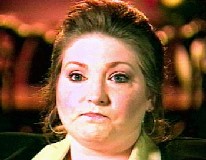
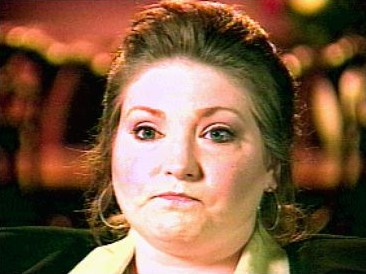
| Forensic Heading / Aliases | Stephanie Stephens, Stephanie Tate Kennedy |
| Legal Identity | Stephanie K. Tate |
| Confirmed Victims | 1 (Dr. David Stephens) |
| Active Timeline | May 2001 |
| Jurisdiction / Area of Operations | Hattiesburg, Mississippi, United States |
| Criminological Classification | Domestic serial offender / Opportunity murderer motivated by financial gain |
| Forensic Modus Operandi | Lethal pharmacological poisoning via surreptitious administration of restricted hospital anesthetics into life-support medical devices (insulin pump) |
| Weapon / Mechanism of Death | Etomidate and Atracurium administered intravenously/subcutaneously |
| Motive / Behavioral Dynamics | Financial gain (approximately $3 million estate) and upward social mobility |
| Judicial Outcome | Convicted of murder and sentenced to life imprisonment in September 2003; died in custody in October 2006 |
1. Background and Profile
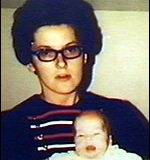
Stephanie K. Tate was born on September 12, 1967. Following high school graduation, she married and had two daughters before pursuing nursing studies. She subsequently secured employment at Forrest General Hospital in Hattiesburg, Mississippi, where she met renowned heart surgeon Dr. David Stephens. Despite both being married, they initiated an intense extramarital affair. Criminological profiling highlighted her strong desire for immediate financial wealth and high social status without commensurate occupational effort.
2. Crime Spree and Modus Operandi
An earlier tragedy marked her trajectory in 1995 when Dr. Stephens's wife, Karen, discovered the affair and allegedly suffered a fatal self-inflicted gunshot wound following a domestic dispute, dying weeks later in the intensive care unit where Stephanie worked. Stephanie and David subsequently married in May 1996.
By 2001, Dr. Stephens's health had declined due to diabetes and hepatitis C, requiring an insulin pump for his condition. On May 1, 2001, Dr. Stephens was found dead in bed. Stephanie initially claimed he committed suicide due to his failing health. However, comprehensive toxicological screening revealed lethal levels of Etomidate and Atracurium—restricted hospital anesthetics and paralytic agents easily accessible within a clinical setting—administered directly into his medical infusion system to simulate a natural medical collapse.
3. Investigation and Forensic Pursuit
Detectives launched an exhaustive homicide investigation after state crime lab results confirmed massive concentrations of anesthetic drugs in the victim's tissues, prompting the exhumation of his body. Led by investigator Rusty Keyes, law enforcement dismantled the suicide narrative. Forensics established that Atracurium (a surgical paralytic that induces respiratory failure while preserving consciousness until asphyxiation) and Etomidate constituted a meticulously planned poisoning. On September 12, 2002, on her 35th birthday, Stephanie was formally charged with capital murder.
4. Legal Proceedings and Outcome
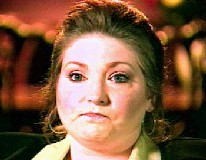
Stephanie Stephens's trial in September 2003 in Forrest County, Mississippi, became a sensational media event, widely broadcast by programs such as CBS News' 48 Hours as the first major trial in Mississippi permitting courtroom cameras. Prosecutors established that the primary motive was financial gain, targeting the victim's $3 million estate. Defense attorneys argued suicide, but the jury deliberated for a brief period before returning a guilty verdict. She was sentenced to life imprisonment.
5. Psychological Evaluation and Resolution
While serving her sentence at the Central Mississippi Correctional Facility, Stephens's health deteriorated significantly. On October 14, 2006, after serving only three years of her life sentence, she died of double pneumonia at the age of 39 in an external prison medical facility near Jackson, Mississippi, concluding a notable case of medical homicide driven by greed.