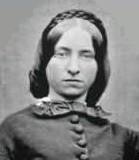




Forensic & Criminological Matrix
| Parameter | Forensic Detail |
|---|---|
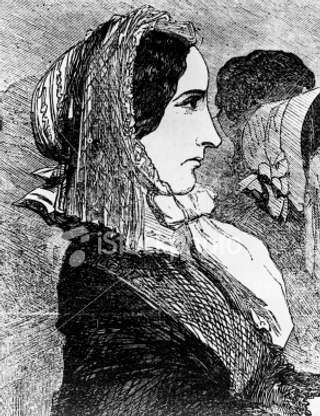
| Forensic Heading / Aliases | Madeleine Smith (Lena Sheehy) |
| Legal Identity | Madeleine Hamilton Smith |
| Confirmed Victims | 1 (Pierre Emile L'Angelier) |
| Active Timeline | Early 1857 (March 1857) |
| Jurisdiction / Area of Operations | Glasgow and Helensburgh, Scotland, United Kingdom |
| Criminological Classification | Poisoner / Coercion-related homicide |
| Forensic Modus Operandi | Covert acquisition of arsenic via falsified apothecary registers, followed by surreptitious administration during clandestine encounters. |
| Weapon / Mechanism of Death | Arsenic trioxide (acute poisoning) |
| Motive / Behavioral Dynamics | Blackmail, threats of public exposure of intimate correspondence, and social preservation against an arranged marriage. |
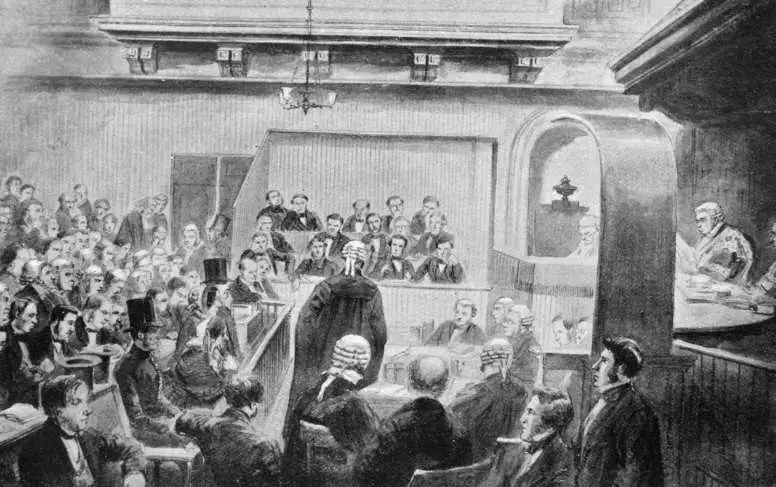
| Judicial Outcome | Historic "Not Proven" verdict delivered by the High Court of Justiciary in Scotland in 1857; discharged. |
1. Background and Profile
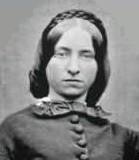
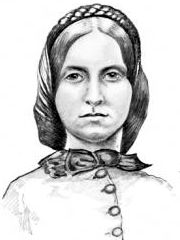
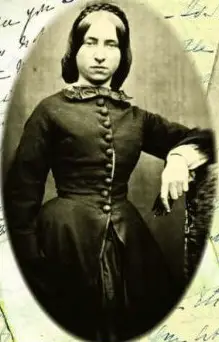
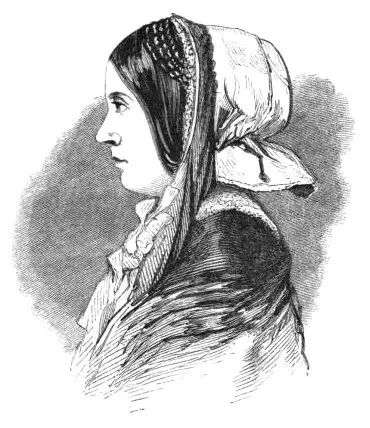
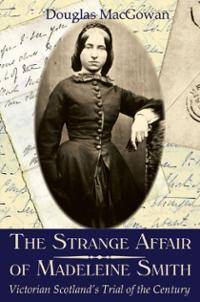
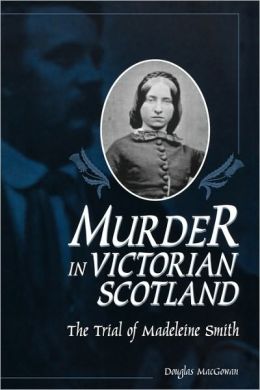
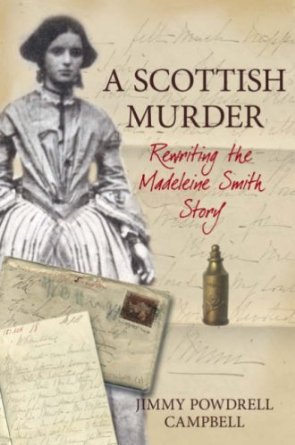
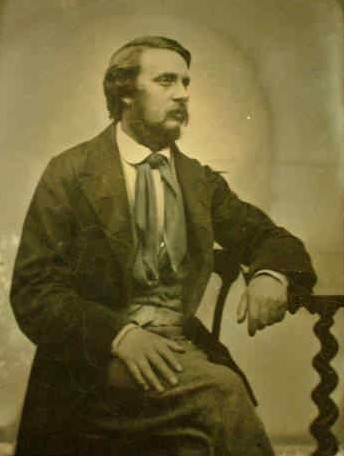
Madeleine Hamilton Smith was born in Glasgow in 1835, the eldest child of an affluent upper-middle-class Scottish family. Her father, James Smith, was a wealthy architect, and her mother belonged to a prominent family of neoclassical architects. Residing at Blythswood Square in Glasgow with a country estate in Helensburgh, Smith lived a privileged life constrained by strict Victorian conventions. In early 1855, she initiated a secret romantic affair with Pierre Emile L'Angelier, an apprentice nurseryman originally from the Channel Islands. Their relationship involved late-night trysts at her bedroom window and extensive correspondence, during which Smith surrendered her virginity.
2. Criminal Career and Modus Operandi
As Smith's parents arranged a socially advantageous marriage for her with William Harper Minnoch, a wealthy Glasgow businessman, she attempted to sever ties with L'Angelier and requested the return of her compromising letters. L'Angelier refused, threatening to expose her and force her compliance through marriage. In February and March 1857, apothecary records showed a woman signing as 'M.H. Smith' purchasing lethal doses of arsenic. In the early morning hours of March 23, 1857, L'Angelier died suddenly at his lodgings from acute arsenic poisoning.
3. Investigation and Arrest
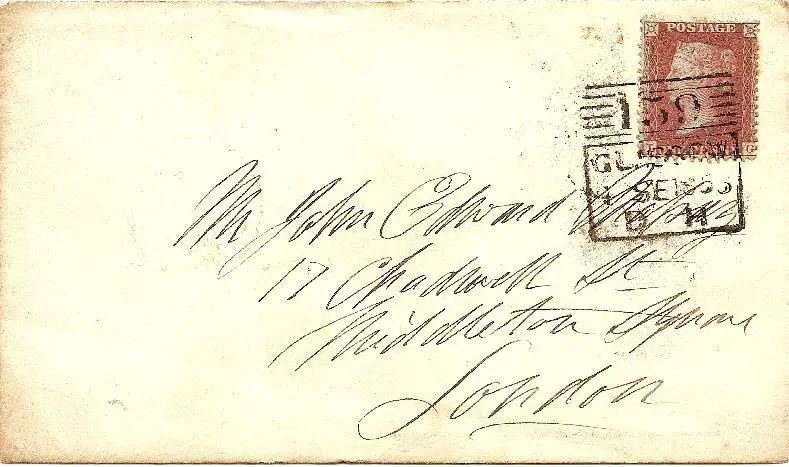
Police searches of L'Angelier's quarters recovered numerous letters from Smith, revealing the volatile dynamic and severe motive. However, forensic analysis faced challenges due to undated correspondence, misplaced envelopes, and a lack of direct eyewitness testimony placing Smith with the victim immediately prior to ingestion.
4. Legal Proceedings and Outcome
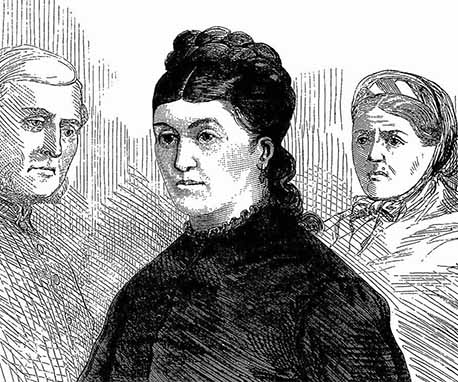
Charged with murder, Smith stood trial defended by prominent advocate John Inglis. The circumstantial evidence heavily implicated her through purchase records and motive. Nevertheless, the Scottish legal system's unique "Not Proven" verdict was returned by the jury, signifying that while guilt was suspected, the prosecution failed to meet the absolute burden of proof required for a guilty verdict.
5. Behavioral Analysis and Aftermath
Escaping the severe social stigma in Scotland following her release, Smith married artist George Wardle in 1861. After raising a family and eventually separating, she relocated to New York City, living under the alias Lena Wardle Sheehy until her death in 1928. The case remains a landmark subject in legal medicine and true crime history.