

Forensic & Criminological Matrix
| Parameter | Forensic Detail |
|---|---|
| Forensic Heading / Aliases | The Angel of Death |
| Legal Identity | Michaela Roeder |
| Confirmed Victims | 6 manslaughter counts / 1 attempted, 17 bodies with drug traces |
| Active Timeline | February 6, 1984 – February 5, 1986 |
| Jurisdiction / Area of Operations | St. Petrus Hospital, Wuppertal-Barmen, West Germany |
| Criminological Classification | Institutional Serial Killer / Angel of Death |
| Forensic Modus Operandi | Lethal intravenous injections of Catapresan and cardiovascular-depressing drugs to vulnerable ICU patients |
| Weapon / Mechanism of Death | Pharmacological overdose (Catapresan / clonidine) |
| Motive / Behavioral Dynamics | Unsolicited euthanasia, perceived mercy, and pathological control over life and death |
| Judicial Outcome | Sentenced on September 11, 1989, to 11 years in prison for manslaughter and mercy killing |
1. Background and Profile
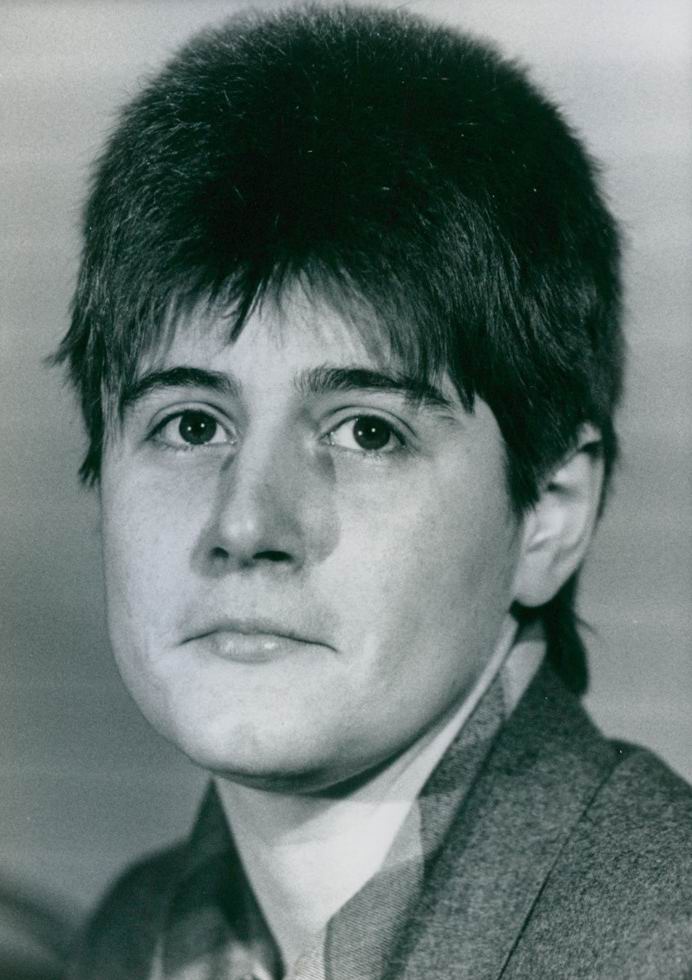
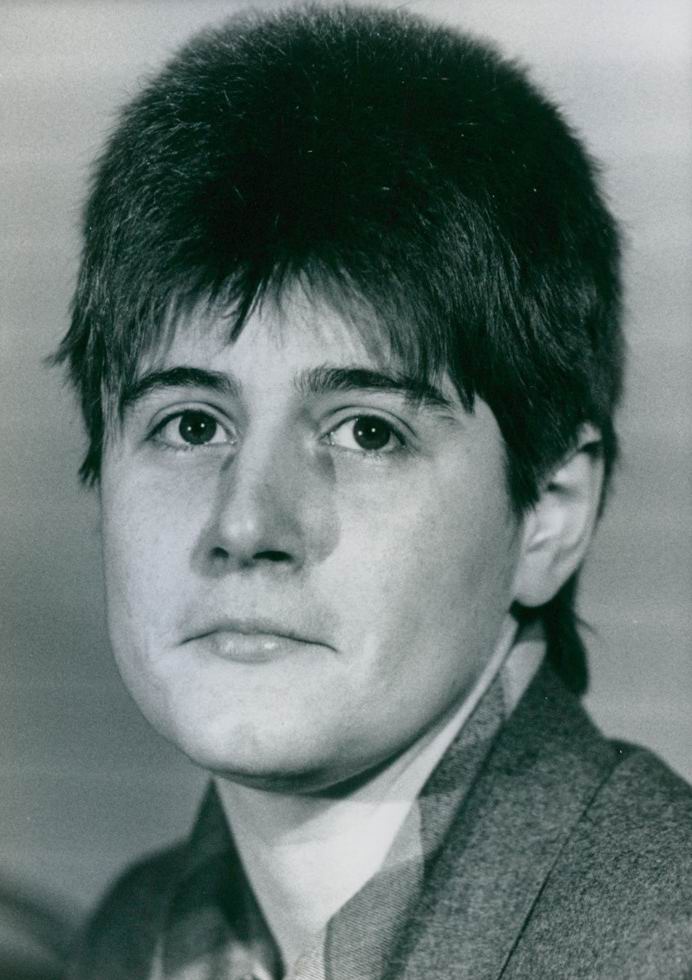
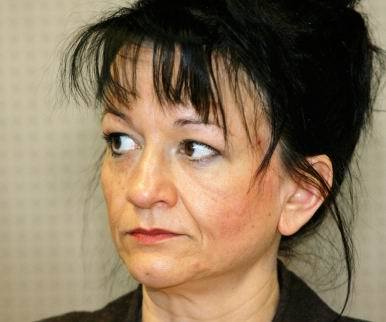
Michaela Roeder was born in Germany in 1958 and began her career as a nursing sister at St. Petrus Hospital in Wuppertal-Barmen in 1978. Assigned to the intensive care unit, she operated within a high-stress medical environment managing critical and terminal patients. Due to an unusually high mortality rate during her shifts, colleagues jokingly dubbed her 'The Angel of Death,' initially viewing the nickname as a dark coping mechanism for unfortunate coincidences rather than evidence of foul play.
2. Criminal Crime Spree and Modus Operandi
Between February 1984 and February 1986, Roeder exploited her clinical access to potent medications in the intensive care ward to administer lethal injections to elderly patients. Her primary mechanism involved injecting Catapresan (clonidine), a high blood pressure drug that, in massive doses, induces circulatory collapse and cardiac arrest. Out of 28 exhumed bodies ordered by authorities, 17 tested positive for the drug. The prosecution argued she acted out of a superiority complex, playing 'mistress of life and death,' whereas Roeder claimed her actions stemmed from a distorted desire to spare patients unnecessary suffering.
3. Investigation and Arrest
The investigation was triggered in early 1986 following a whistleblowing tip from a hospital employee who witnessed Roeder injecting suspicious substances into a cancer patient. Wuppertal police arrested Roeder on March 14, 1986. Forensic authorities subsequently exhumed twenty-eight deceased former patients from the intensive care unit. Toxicological examinations revealed lethal doses of blood-pressure-lowering drugs in seventeen of the corpses, uncovering one of West Germany's most shocking medical serial murder scandals of the decade.
4. Legal Proceedings and Outcome
Roeder's trial commenced in January 1989 at the Wuppertal district court, capturing intense national media attention. During proceedings, Roeder admitted to administering fatal doses to several elderly patients to end their misery, though she acknowledged that only one had explicitly asked to die, alongside an accidental overdose in another case. State Prosecutor Karl-Hermann Majorowsky pressed for a life sentence, characterizing her actions as cold-blooded murder driven by a desire for supremacy. On September 11, 1989, the court sentenced 31-year-old Roeder to 11 years in prison after convicting her on counts of manslaughter, mercy killing, and attempted manslaughter, accepting compassion as a partial motive over premeditated murder.