Forensic & Criminological Matrix
| Parameter | Forensic Detail |
|---|---|
| Forensic Heading / Aliases | The angel-maker of St. Pauli |
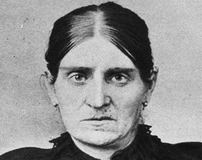
| Legal Identity | Elisabeth Berkefeld |
| Confirmed Victims | 5 |
| Active Timeline | 1900-1904 |
| Jurisdiction / Area of Operations | Hamburg, Germany |
| Criminological Classification | Serial Killer (Infanticide) |
| Forensic Modus Operandi | Recruitment, morphine poisoning, and incineration |
| Weapon / Mechanism of Death | Morphine and domestic stove |
| Motive / Behavioral Dynamics | Financial gain |
| Judicial Outcome | Executed by guillotine |
1. Background and Profile
Born in Hannover, Elisabeth Wiese (née Berkefeld) was a former midwife whose career was derailed by convictions for illegal abortions. Her criminal trajectory was characterized by extreme greed and the exploitation of vulnerable individuals, including her own daughter.
2. Criminal Career and Modus Operandi
Wiese established a fraudulent adoption business. She charged parents significant fees to 'rehome' their children, only to murder the infants with morphine and dispose of their remains by burning them in her kitchen stove. She was known to keep the stove at such high temperatures that it caused structural damage to the appliance.
3. Investigation and Arrest
Neighbors in the St. Pauli district grew suspicious due to the persistent, foul odors and intense heat emanating from her apartment. Police raids uncovered a cache of morphine and physical evidence linking her to the deaths of five children.
4. Legal Proceedings and Outcome
Her trial in 1904 featured damning testimony from her own family members. Convicted of multiple counts of murder, she was sentenced to death and executed by guillotine in 1905.