


Forensic & Criminological Matrix
| Parameter | Forensic Detail |
|---|---|
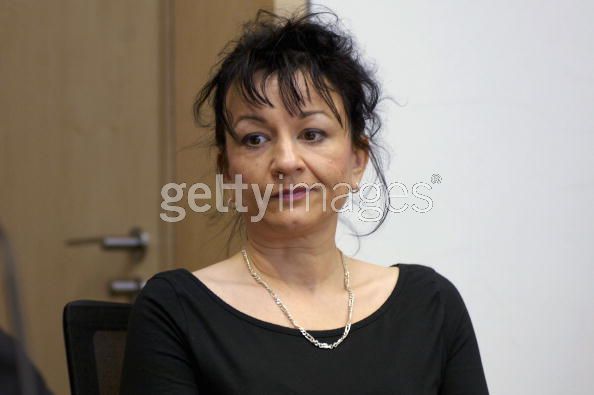
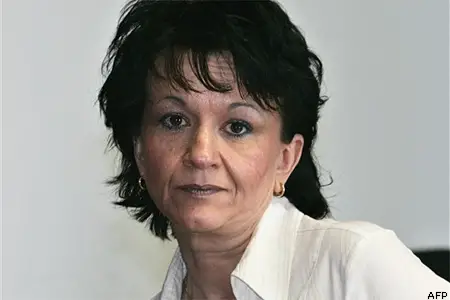
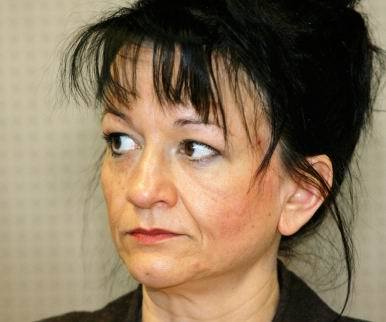
| Full Legal Name | Sabine Hilschenz |
| Registered Monikers | The Infanticide of Brieskow-Finkenheerd, The Brandenburg Mother |
| Nationality | German |
| Date and Place of Birth | September 1, 1966, East Germany (GDR) |
| Current Legal Status | Released from prison in 2021 upon complete service of sentence |
| Criminal Classification | Serial infanticide / Multiple neonaticide / Lethal maternal neglect |
| Active Offense Span | 1988 – 1998 (a decade spanning the collapse of East Germany and reunification) |
| Crime Scene | Brieskow-Finkenheerd, Brandenburg, Germany |
| Total Infant Victims | 9 newborn infants (biological offspring) |
| Judicial Outcome | Convicted on 8 counts of manslaughter by omission (Totschlag); 1st infant death (1988) barred by German statute of limitations |
| Modus Operandi | Unassisted clandestine home births during severe alcohol intoxication; immediate deprivation of warmth, nutrition, and airway clearance; placing deceased newborns in garbage bags, storage tubs, and flower pots covered in soil |
| Judicial Sentence | 15 years imprisonment at Frankfurt an der Oder District Court (statutory maximum for manslaughter under German Penal Code) |
The Discovery in the Brieskow-Finkenheerd Garage
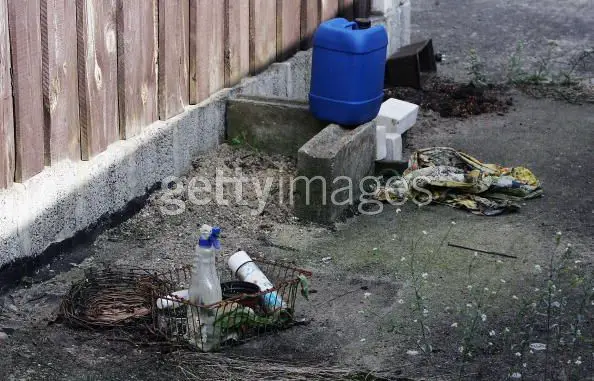
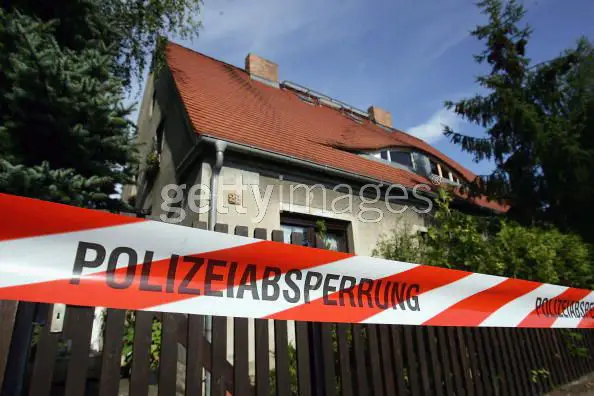
On July 31, 2005, a resident clearing debris from a dilapidated garage property in the village of Brieskow-Finkenheerd near the Polish border made a horrific discovery: human skeletal remains embedded inside an old plastic balcony planter filled with sand and soil.
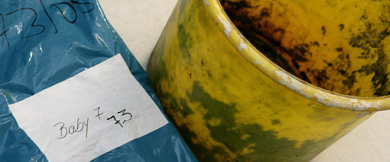
Forensic anthropometry and criminal scene units from Brandenburg cordoned off the perimeter. Over subsequent days of excavation, investigators recovered the skeletal and mummified remains of nine newborn infants (four boys and five girls) packed inside polystyrene coolers, paint buckets, and plastic planters stacked amid refuse.
Forensic DNA Profiling and Identification
Pathologists at the Potsdam Institute of Forensic Medicine and the Federal Criminal Police Office (BKA) extracted mitochondrial and nuclear DNA from the infant bone fragments. Genetic mapping conclusively revealed that all nine deceased infants were biological siblings fathered by the same parents: Sabine Hilschenz, a local 39-year-old mother, and her estranged husband Oliver Hilschenz.
Police arrested Sabine Hilschenz on August 1, 2005, in Frankfurt an der Oder. During interrogation, she confessed that between 1988 and 1998 she had secretly delivered and abandoned nine infants immediately following birth.
Pregnancy Denial, Chronic Alcoholism, and Lethal Omission
Sabine and Oliver Hilschenz already had three surviving, acknowledged children. However, chronic unemployment and alcohol dependency placed severe strain on the marriage. Oliver explicitly told Sabine that another child would result in immediate divorce.
Hilschenz developed profound dissociative pregnancy denial. Concealing her pregnancies beneath baggy sweaters and attributing bodily changes to excessive alcohol consumption, she delivered the infants completely alone while her family slept. Intoxicated and panicked, she wrapped each newborn in towels or blankets and left them to die of exposure, hypothermia, and starvation in unheated corners of the house.
Once deceased, she placed the infants into plastic bags and sealed them within garden pots, concealing the containers on her parents' garage property.
Legal Adjudication and Maximum Sentence
Hilschenz went on trial before the Frankfurt an der Oder District Court in 2006. Medical examiners testified that due to advanced skeletal decomposition, precise mechanical causes of death (such as direct suffocation) could not be definitively isolated from fatal omission and exposure.
The court rejected murder charges (Mord), convicting Hilschenz of eight counts of manslaughter (Totschlag). The death of the first child in 1988 fell outside the 15-year statute of limitations under German criminal law and could not be prosecuted.
The presiding judge sentenced Hilschenz to 15 years in prison—the absolute maximum custodial sentence permissible under the German Criminal Code for non-premeditated manslaughter. Having fully served her 15-year term at Luckau-Duben correctional facility, Sabine Hilschenz was released in 2021 under protected identity protocols.